
Robots·News & analysis
Xpeng's IRON humanoid robot heads to stores in 2027
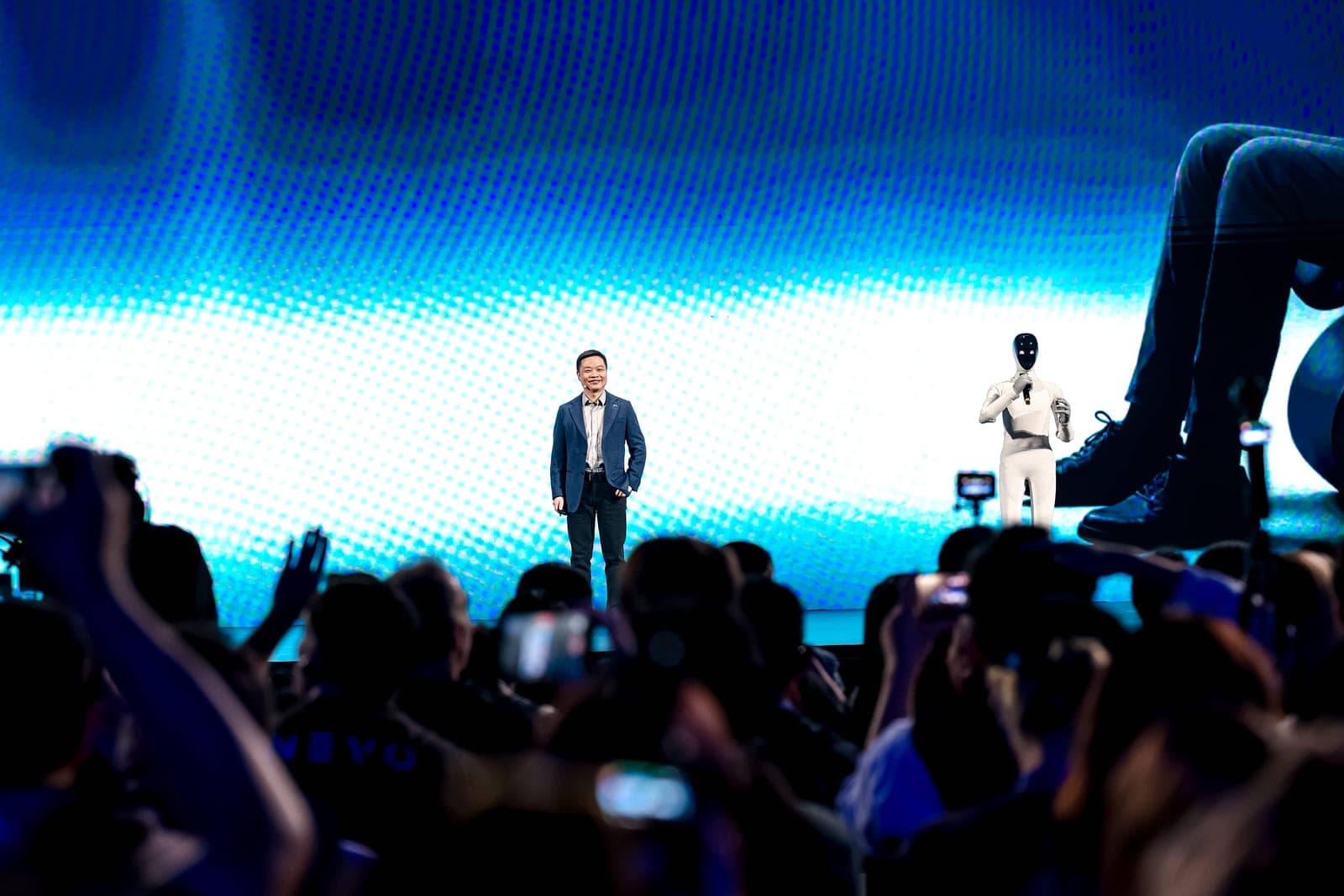
Xpeng showed its IRON humanoid on stage and set dates. It starts training in Xpeng stores in early 2027, and the public release is targeted for the second quarter.

Tide
Ripple
Sci-fi
9/10
Reality
Demo
A humanoid coworker that charges itself at lunch.How we rate
Xpeng showed its IRON humanoid robot at AI Day in Guangzhou and said it will start training as a store assistant in Xpeng retail stores in Q1 2027.
The robot has 76 joints and more than 1,500 touch sensors, and three Xpeng-made chips run its AI. Its public release is targeted for Q2 2027, alongside a robotaxi due in 2027. Xpeng warns that the final product may differ from the one shown.
What to know
- Xpeng unveiled the Turing Physical AI Architecture and showed its IRON humanoid robot at AI Day in Guangzhou on November 25, 2026.
- IRON begins training as a store assistant in Xpeng retail stores in Q1 2027, and its public release is targeted for Q2 2027.
- The robot stands 170 cm tall, weighs 62 kg, has 76 degrees of freedom and runs on three Xpeng-made Turing AI chips.
- Xpeng also set 2027 for its first purpose-built robotaxi, the YOYO-01, and said paid smart driving subscriptions start in Q2 2027.
Xpeng showed its IRON humanoid robot on stage and gave it a job and a date. That's the news. Now the fun part: what does a robot do all day in a car showroom?
Xpeng is a Chinese electric car maker. On November 25, 2026, it held its eighth AI Day in Guangzhou. The company calls itself a "physical AI" company. That means AI that does not just answer on a screen but moves and acts in the real world, in cars and robots.
What did Xpeng actually announce?
The headline is the schedule. IRON is set to begin training as a store assistant in Xpeng retail stores in the first quarter of 2027. Xpeng is targeting an official public release in the second quarter of 2027.
Xpeng also said IRON will enter hardware mass production in January 2027. The company wants the robot to be a "work partner" for real roles, not a stage performer.
In real life Picture walking into an Xpeng store next spring. A robot greets you, walks you to the car you asked about and goes back to its charger when it gets tired.
Why it matters: many humanoid robots are still shown in short demos. A date, a first job and a named place to do it are what turn a demo into a plan.
What can IRON do?
On stage, IRON walked out on its own, held a real-time voice chat and gave a speech with Xpeng chairman and CEO He Xiaopeng. Then it walked back to its charging spot without help. A year earlier, its walk looked so human that some people asked if a person was inside. The team cut open its leg casing on stage to show there was not.
Xpeng lists these specs:
- Size: 170 cm tall and 62 kg.
- Joints: 76 degrees of freedom. That is a count of the separate ways its body can move, such as a bend or a twist.
- Touch: more than 1,500 tactile sensing points, with touch coverage over more than 80% of key body areas.
- Hands: 21 degrees of freedom and 375 touch sensors in each hand, and support for 33 kinds of everyday handling.
- Battery: a solid-state battery with an energy density of at least 300 Wh/kg. That is a measure of how much power fits in each kilogram of battery.
- Charging: 1.5 hours of work from a 20-minute charge.
The robot can also take tasks by voice or from an app. It can plan its own route, charge itself and report problems with itself or its surroundings.
How does the robot think?
IRON runs on three Xpeng-made chips called Turing AI chips. Xpeng rates them at 2,250 TOPS of effective computing. TOPS means trillions of operations per second, a rough measure of how fast a chip can run AI.
Because the AI models run on the robot itself, it can respond in milliseconds. It can also keep working with no network. After a person walks it through a new site once, IRON builds a local map. It can then navigate without a connection and share that map with other robots.
Xpeng calls the shared design the Turing Physical AI Architecture, also named VLA 3.0. VLA stands for vision-language-action. That means an AI model that looks at a scene, understands words and turns both into movement. The design has three layers:
- System 0, the ultra-fast layer: it controls the body itself, including power and communication, and tells the AI how the body is doing.
- System 1, the fast layer: it reads the scene and turns it into actions right away. It runs on Xpeng's VLA 2.0 model.
- System 2, the slow layer: it plans bigger jobs. It combines vision and language with an agent runtime, a program that tracks the steps of a task.
Think of it like a person. System 0 is your reflexes, System 1 is your quick reactions and System 2 is you planning your day.
How is Xpeng training and building it?
Xpeng built a Robot Data Factory for training. It covers more than 250 scenarios and 15 job categories, and it reuses data tools from Xpeng's car business. Xpeng says the factory covers roughly 50,000 square meters.
There is also a dedicated automated assembly line. It has more than 600 AI-powered quality-inspection items and over 1,000 tests for finished robots and key parts. Xpeng reports about 50 million durability tests on moving assemblies and more than 20 million impact tests on legs and feet.
The company also talked about safety. It says sensitive face and voice data stay on the robot. If IRON predicts a fall, it is designed to bend its knees and pick a direction that reduces damage.
The September 9, 2026 update from Xpeng said the humanoid production line was running and that an IRON had finished automated final assembly and then walked off by itself. The company said more than 80% of core processes were automated.
How will Xpeng make money from it?
Xpeng says it is exploring several ways. These include hardware sales, software subscriptions and a skills store. Partners will be able to download capability packages, change functions and build new skills for their own businesses.
It has not announced a price. It is also looking at token-based subscriptions, which would charge for how much AI the robot uses, and services priced for particular scenarios.
The catch: Xpeng cautions that the performance, functions and appearance it showed may differ from the final mass-production version. He Xiaopeng also described his outlook as "extremely optimistic in the long term and cautious in the short term." He noted that the global robot market may be only tens of thousands of units today. The hard part, he said, is building robots that do not need constant human help and still pay for themselves.
What else came out of AI Day?
Robots were only part of the day. Xpeng's car and air plans use the same technology base.
- Robotaxi: the first purpose-built model for commercial use, the YOYO-01, is due in 2027. Xpeng says its program went from staffed to driverless road tests in eight months. It won L4 demonstration approval in Guangzhou, 11 months after the business was announced. L4 means the car drives itself without a human, in set conditions. Xpeng wants to supply cars and driving software to operating partners rather than run the service itself.
- Smart driving subscriptions: from Q2 2027, new global buyers pay a subscription for Turing AI smart driving. Customers who order before then keep lifetime access.
- Range gain: a feature called VLA Adaptive Deceleration adjusts braking and energy recovery when the driver lifts off the pedal. In city traffic tests, Xpeng says it added 12.4% usable range. It arrives by over-the-air update, a software update sent to the car, in December 2026.
- Safety record: Xpeng says vehicle accident claims in China fell 13.93% since VLA 2.0 launched.
- Europe: after tests in Germany, the Netherlands and France, Xpeng opened public urban driver-assist test rides at its Paris store in November. It aims to begin its first global rollout in the first half of 2027.
- Flying cars: its ARIDGE unit has completed certification flight tests for a piloted eVTOL, an electric aircraft that takes off and lands straight up, and is working with partners in the United Arab Emirates on a test zone.
Xpeng also said its latest model update trains 10 to 12 times faster, because AI agents run the training loop on their own. An AI agent, which means a program that carries out steps of a task without being told each one, does the work people used to do by hand.
What's next?
IRON has a busy week. It is due to host Xpeng's press conference at the Guangzhou Auto Show on November 27. He Xiaopeng said that could be the first time a robot launches a new car at an auto show.
After that, the dates run in order. Mass production starts in January 2027, store training in Q1 and the public release target in Q2.
What it means for you
- If you live in China: you may meet IRON in an Xpeng store in 2027 before you can buy one.
- If you plan to buy an Xpeng car: smart driving becomes a paid subscription for new buyers from Q2 2027, with lifetime access for earlier orders.
- If you watch robots: treat the dates as targets. Xpeng says the shipped robot may differ from the one on stage.
- If you wonder about price: none yet, and Xpeng is still deciding how to charge.
The bottom line
Xpeng gave its humanoid robot a first job, a first workplace and a release target. The specs are detailed and the stage demo worked, but the real test comes when IRON meets shoppers every day.
Key facts
- Event
- Xpeng AI Day, Guangzhou, November 25, 2026
- Robot size
- 170 cm tall, 62 kg, 76 degrees of freedom
- Charging
- 1.5 hours of work on a 20-minute charge
- Store training
- Q1 2027
- Public release target
- Q2 2027
Got questions?
Quick answers, plain wordsWhat is Xpeng's IRON robot?
IRON is a humanoid robot made by Xpeng, a Chinese electric car company. It stands 170 cm tall, weighs 62 kg and is built to work in real jobs, starting in stores.
When will IRON be released?
Xpeng targets an official public release in the second quarter of 2027. Before that, the robot begins training as a store assistant in Xpeng retail stores in the first quarter of 2027.
What will IRON do in stores?
The first jobs are shopping guidance and store tours. Xpeng says the robot can create tasks from voice or app instructions, navigate on its own, charge itself and report problems.
How much will IRON cost?
Xpeng has not said. It is exploring a mix of hardware sales, software subscriptions and a skills store, but it has not given a price.
Can IRON work without an internet connection?
Xpeng says it can. After being walked through a new place once, IRON can build a local map and navigate without a network connection, and its AI models run on the robot itself.
What is the Turing Physical AI Architecture?
It is Xpeng's plan for connecting AI "thinking" with real body control. It has three layers, a fast body-control layer, a real-time response layer and a slow planning layer, and it is shared by Xpeng's cars and robots.
Is the robot shown the final product?
Not necessarily. Xpeng cautions that the performance, functions and appearance shown may differ from the final mass-production version.
What else did Xpeng announce at AI Day?
It set 2027 for its first purpose-built robotaxi, the YOYO-01, and announced paid Turing AI smart driving subscriptions from Q2 2027. A new braking feature that adds range arrives by software update in December 2026.
Related data: Humanoid robot prices
SourcesXPENG press release
Topics and tagsHumanoid robots, Self-driving, xpeng, humanoid robots
Go deeper
Related stories
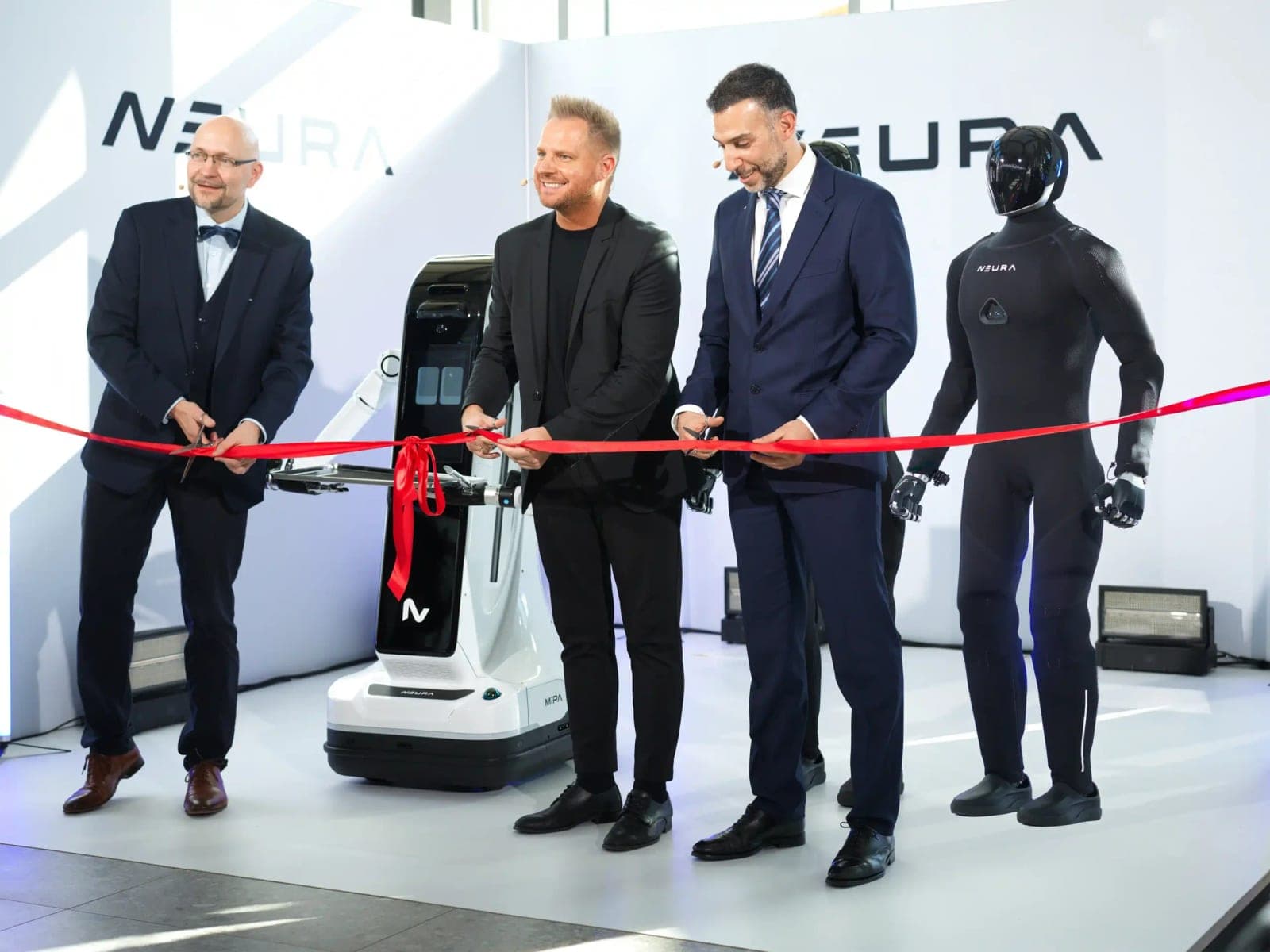
NEURA and TUM open RoboGym in Munich and show the 4NE1 Gen 4 humanoid
NEURA Robotics and the Technical University of Munich opened a 2,300 square meter robot training center near Munich Airport. NEURA also unveiled 4NE1 Gen 4, a humanoid that is 20 percent lighter than the last one.
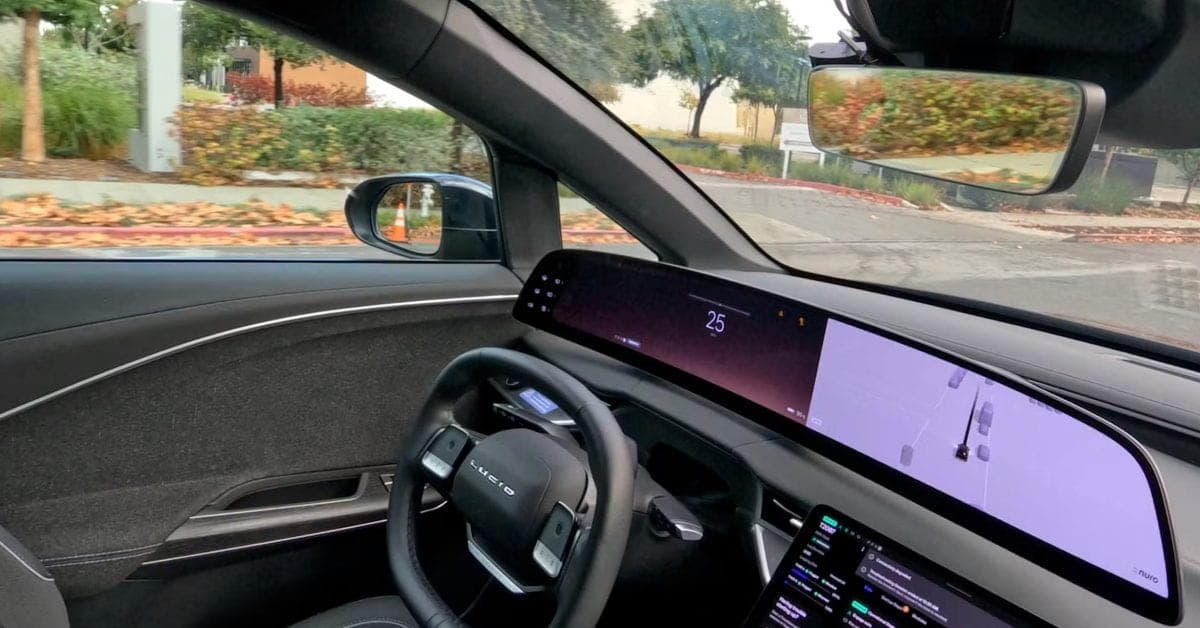
Uber, Nuro and Lucid pull the safety driver from their robotaxi
The Lucid Gravity robotaxi is now testing with nobody behind the wheel in four Bay Area cities, and the public launch is set for the first quarter of 2027.
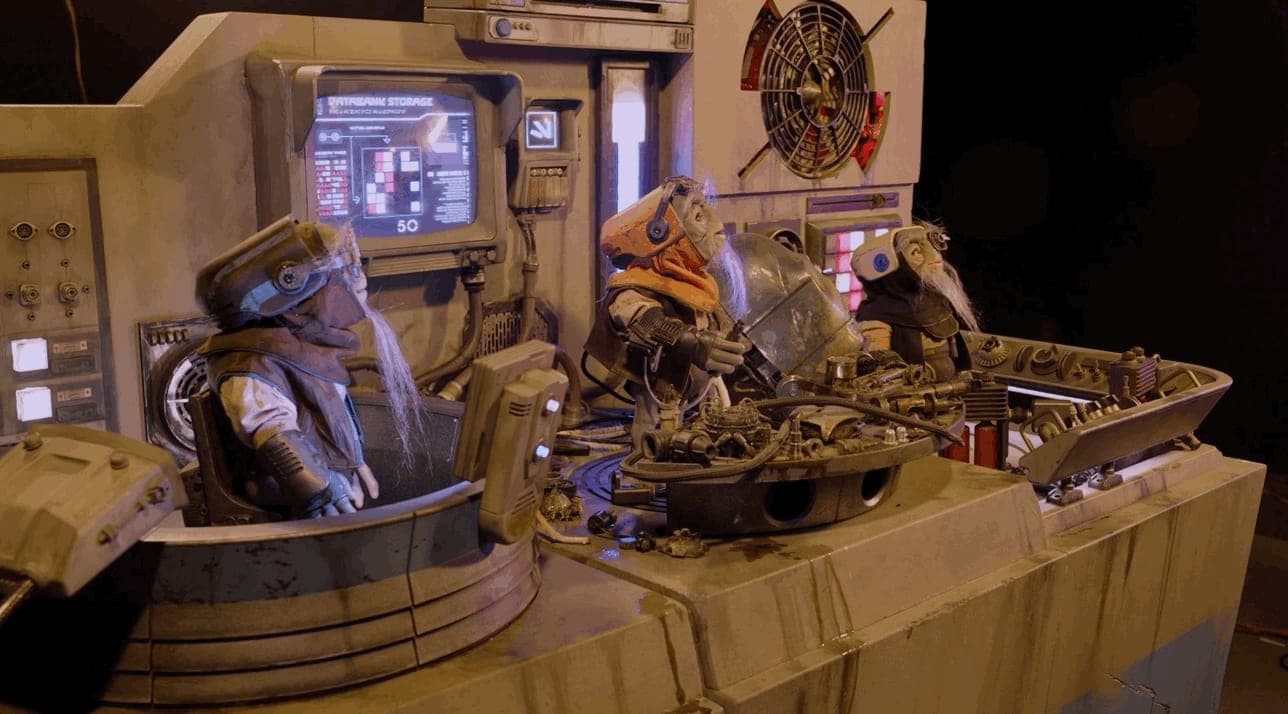
Disney built three Star Wars aliens that think with AWS AI
Disney Imagineering and Amazon Web Services made three talking Anzellan figures that read the room and react without a human puppeteer. They debut at AWS re:Invent on November 30.
More in brief
- Amodei says handing governance to AI is "a bad idea" and calls the claim absurdNov 26
- 42 state attorneys general move to block Character.AI's auction of user chatsNov 25
- WhatsApp now lets you schedule messages up to 14 days aheadNov 25
- Microsoft declares Code Red after its worst Exchange Online outageNov 25
- Ladybird ships its first downloadable alpha, a browser built from scratchNov 25
- FCC lets SpaceX plan up to 1 million AI data center satellitesNov 25