
Robots·News & analysis
Disney built three Star Wars aliens that think with AWS AI
Disney Imagineering and Amazon Web Services made three talking Anzellan figures that read the room and react without a human puppeteer. They debut at AWS re:Invent on November 30.

Tide
Ripple
Sci-fi
8/10
Reality
Demo
Tiny aliens that notice your birthday button.How we rate
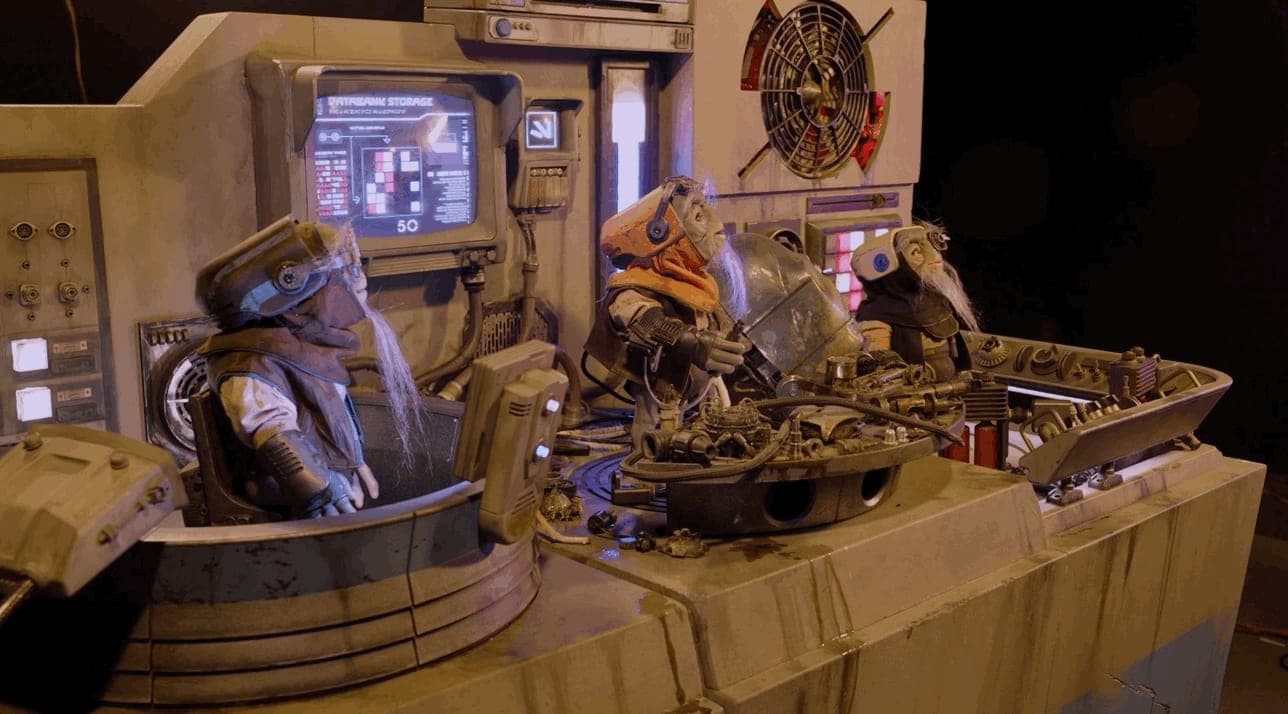
Disney Imagineering and Amazon Web Services built three Star Wars Anzellan animatronics that use cameras, microphones and AI to read guests and react to each other without a puppeteer.
Disney calls them its most intelligent characters yet, built in months. They debut at AWS re:Invent in Las Vegas from November 30 to December 4. Disney has not said when they reach a park.
What to know
- Disney Imagineering and AWS built three Star Wars Anzellan figures named Vilo Vele, Kado Bre'a and Jibu Bre'a.
- Cameras, microphones and AI let them notice guests, see what they wear and react to each other with no one controlling them.
- Every line is written and recorded by Disney. AI only picks which line fits the moment.
- The trio first appears at AWS re:Invent in Las Vegas, November 30 to December 4. Disney has not said when guests will meet them in a park.
Walt Disney Imagineering and Amazon Web Services built three tiny Star Wars aliens that can look at you, listen to you and decide what to say. Imagine walking into a shop and a small robot comments on your birthday button. How does that work, and who is really in control?
Who are the Anzellans?
Anzellans are a tiny race of Star Wars creatures who repair droids and starships. Babu Frik in The Rise of Skywalker is one. The droidsmiths in The Mandalorian are the same species.
Disney made three new Anzellans just for this project, together with Lucasfilm and the filmmakers. They are original characters with their own personalities:
- Vilo Vele: the boss of the group.
- Kado Bre'a: a droidsmith mechanic who wants to be the center of attention.
- Jibu Bre'a: Kado's twin, and the shy one.
They sit together in a crate and speak a mix of English (called Galactic Basic in the films) and Anzellan, as the movie characters do.
What makes these figures different?
Disney has built audio-animatronics since the Enchanted Tiki Room opened with its talking parrots. An audio-animatronic is a robotic figure that moves and speaks. Most of them repeat the same timed show for every crowd.
These three do not. They have cameras, microphones and other sensors. They notice how many people are in front of them, work out who is talking and look that person in the eye while answering.
Disney's Kyle Laughlin, who leads research and technology at Imagineering, called them "our most advanced Audio-Animatronics in the world."
He also called them the most intelligent characters Imagineering has made. No cast member steers them from behind the scenes. The characters decide in real time.
In real life Say you walk in wearing a Star Wars T-shirt with a friend. One Anzellan might look at you, comment on the shirt, and another might react to what the first one said.
How does the AI part work?
Disney used Amazon Web Services, or AWS, Amazon's cloud computing business. The cloud means rented computers in data centers that do the heavy thinking over the internet.
AWS runs a service called Amazon Bedrock. It lets a company pick between many AI models, including ones from OpenAI, Anthropic and Meta, without being tied to one. Laughlin confirmed the figures use three kinds of models:
- Vision models: AI that looks at camera images and understands them.
- Language models: AI that understands and produces words.
- World models: AI that predicts how a scene around it will change.
Because Bedrock is not tied to a single model, Disney can swap in a newer one as the technology improves. It can aim for speed, quality or cost without rebuilding the whole experience. "We can be on the bleeding edge of whatever model is launched," Laughlin said.
Why it matters: a character in a conversation has to answer fast. A pause of a few seconds feels like a broken toy, so speed is part of the magic.
Is the AI writing the script?
No. This is the part Disney stresses most. Imagineers wrote every line of dialogue and recorded it. The figures can draw on hundreds of thousands of prerecorded lines. Imagineers also designed every personality and movement.
AI picks what fits the moment. Samira Panah Bakhtiar, an AWS general manager, said human creativity leads and the guest experience is preserved. AI and the cloud are there to support it.
The three figures also have to work as a team. Each one tracks three things at once: the guest, the surroundings and the other two Anzellans. Bakhtiar described the system as working like a show director. It keeps the ensemble together so the characters do not talk over each other and the story stays coherent.
How was it built so fast?
Laughlin said the teams built the figures in a matter of months. AWS brought the AI and software. Imagineering brought the physical characters, their stories and their looks. Bakhtiar put it this way: AWS brought the intelligence, Imagineering the brawn.
Imagineers also used Kiro, an AWS coding agent. A coding agent is an AI helper that writes software from instructions. Here it turned the creative briefs into working code, and people reviewed and approved the work at each stage.
Laughlin said that freed the engineers to spend more time on the mechanical and electrical work, the character skins and the small details that make the figures believable.
Disney and AWS are not new partners. They have worked together for more than a decade, including on the systems behind Disney+. An earlier version of the Anzellans, shown at the D23 fan event, also ran on AWS.
How do they connect to Olaf and the droids?
The Anzellans sit on the same robotic character platform as the free-roaming robot Olaf and the BDX droids that roam Star Wars: Galaxy's Edge. Laughlin said robots and animatronics are "coming closer and closer together."
There is one difference. Olaf, the snowman from Frozen, can walk around but has no onboard cameras or microphones. The Anzellans have both, plus extra sensors. Olaf walks in the World of Frozen at Disneyland Paris. Disney has said its robot characters learn to move through deep reinforcement learning, which means practicing in a simulator until they get it right. It worked on Olaf with NVIDIA and Google DeepMind.
The Anzellans add a new ingredient: understanding the room.
What about privacy and failures?
Cameras and microphones near guests raise a fair question. Laughlin said the information gathered during an interaction is used only for the immediate experience. It is not stored in the cloud for Disney to reuse, and it is not used to train AI models.
Reliability matters just as much in a busy park. Disney combines AWS cloud systems with edge systems, which are computers placed close to the figures. If a connection drops or a part fails, Laughlin said, the characters can fall back to another experience.
Disney has not shared which models it uses or how many sensors each figure carries.
When can you meet them?
The trio appears at AWS re:Invent in Las Vegas from November 30 to December 4. Attendees can meet them at the Customer Showcase at Caesars Forum.
After that, Disney has given no date. Laughlin said guests should expect to meet them indoors first. He described the idea as an "experiential merchandise platform": a shop where a character starts a chat, instead of a separate meet-and-greet line.
He also said the idea is not limited to Star Wars. Any franchise could get characters like this in shops. Laughlin pointed to more than $60 billion of work ahead for Imagineering worldwide.
What's next: Bakhtiar said AWS keeps working with Disney, and the next project is under wraps. She described the AWS system as a reusable framework, so Imagineers can spend their time on new personalities and stories instead of rebuilding software each time.
What it means for you
- If you visit parks: expect characters that react to you personally, first in shops and later maybe elsewhere.
- If you worry about privacy: Disney says nothing from these chats is kept or used to train AI.
- If you work with AI: this is an example of "physical AI," which means AI that senses and acts in the real world, not only on a screen.
- If you want to see them: they are at re:Invent from November 30. A park date is not announced.
The bottom line
Disney built three characters that notice you, talk to you and talk to each other, and it did it in months by borrowing AWS's AI. The words and personalities still come from human writers.
The trick is not a smarter script. It is a character that can pick the right line at the right time.
Key facts
- Characters
- Vilo Vele, Kado Bre'a, Jibu Bre'a
- Built with
- Amazon Web Services (Bedrock, Kiro)
- First public showing
- AWS re:Invent, Las Vegas, Nov. 30 to Dec. 4
- Build time
- A matter of months
- Park date
- Not announced
Got questions?
Quick answers, plain wordsWhat are the Anzellans?
Anzellans are a tiny alien species from Star Wars. Babu Frik in The Rise of Skywalker is one, and the droidsmiths in The Mandalorian are the same species.
What did Disney and AWS build?
They built three audio-animatronic Anzellan characters that use cameras, microphones, sensors and AI to understand what is happening around them and respond in real time.
What are the three characters called?
They are Vilo Vele, the boss, Kado Bre'a, a droidsmith mechanic who wants attention, and Jibu Bre'a, Kado's shy twin.
What is an audio-animatronic?
It is a robotic figure that moves and speaks, the kind Disney has built since the Enchanted Tiki Room at Disneyland. Older ones repeat a fixed show.
Is AI writing the characters' dialogue?
No. Imagineers wrote every line and recorded it, and they designed each personality and movement. AI chooses which prepared line fits the moment.
When can I meet them?
They appear at AWS re:Invent in Las Vegas from November 30 to December 4. Disney has not said when or where they will reach a park.
Do the figures store what they see and hear?
Disney's Kyle Laughlin said the information gathered during an interaction is used only for that moment. It is not stored in the cloud for reuse and is not used to train AI models.
What happens if the network goes down?
Disney uses AWS cloud and edge systems, meaning computers placed near the figures. Laughlin said that if something fails, the characters can fall back to another experience.
Which AI tools were used to build them?
Imagineers used Amazon Bedrock to pick AI models and Kiro, an AWS coding agent, to turn creative briefs into software that humans then reviewed.
SourcesTechRadar
Topics and tagsAmazon, disney, aws, animatronics
Go deeper
Related stories
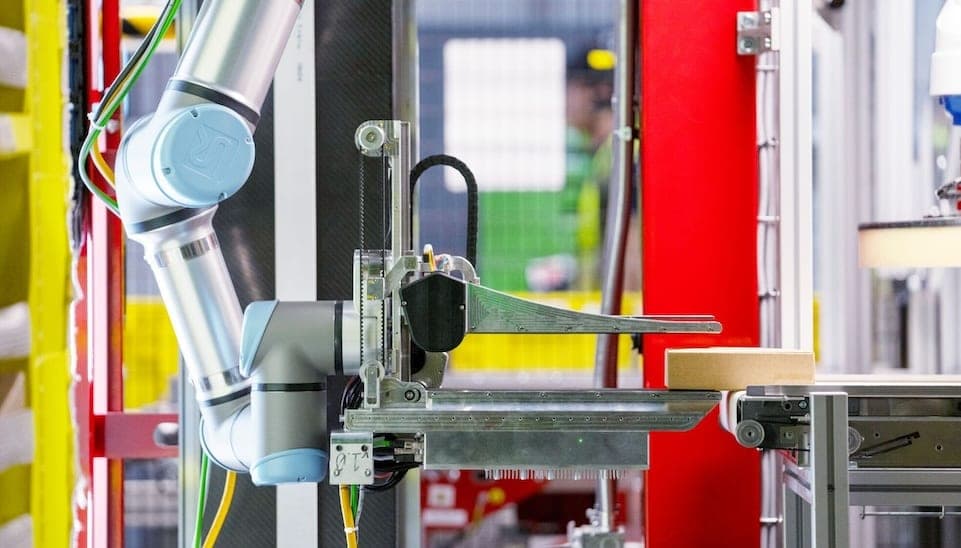
AWS releases open-source toolchain to train and deploy robot AI
Amazon Web Services launched the Physical AI Toolchain, an open-source kit that connects synthetic data, training, simulation and edge deployment for robots, built on NVIDIA's robotics software.
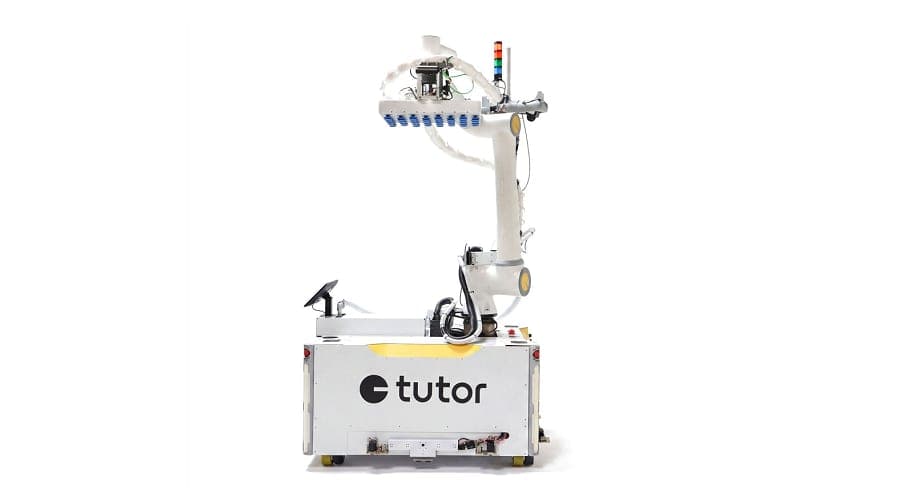
Tutor Intelligence raises $75M to rent out warehouse robots by the hour
The MIT spinoff closed a $75 million Series B led by Andreessen Horowitz. Its robots work in factories and warehouses, and customers pay by the hour or by the pick.
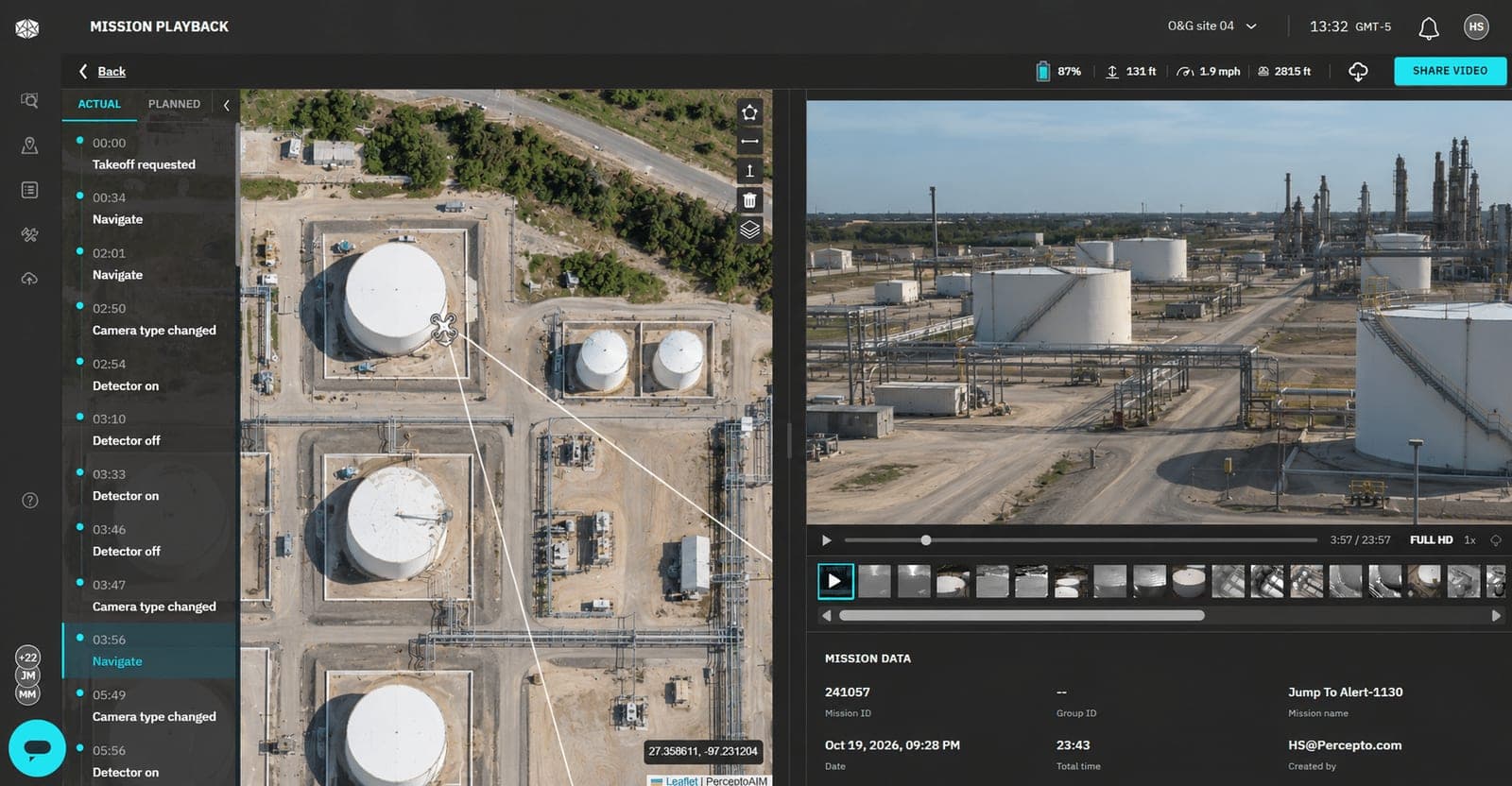
Percepto launches Axion, AI that reads inspection data from any drone
Percepto, the drone-in-a-box maker, is selling its inspection AI as software that works with other companies' drones and sensors.
More in brief
- ASELSAN's EJDERHA electromagnetic weapon disables 51 drones with one commandNov 21
- Microsoft To Do will shut down on June 30, 2027Nov 21
- Medtronic's Hugo surgical robot cleared for general surgery in the USNov 21
- Google's Gemini now turns noisy fire radio into text for Watch DutyNov 21
- Internet Archive staff move to unionize with CWANov 20
- Etsy sellers are leaving over new terms that allow AI trainingNov 20