
Robots·News & analysis
Uber, Nuro and Lucid pull the safety driver from their robotaxi
The Lucid Gravity robotaxi is now testing with nobody behind the wheel in four Bay Area cities, and the public launch is set for the first quarter of 2027.

Tide
Wave
Sci-fi
8/10
Reality
Demo
A car with an empty driver's seat, picking you up.How we rate
Nuro, Uber and Lucid began testing the Lucid Gravity robotaxi on public roads in the San Francisco Bay Area with no safety driver behind the wheel.
Testing covers four cities, and Uber employees will ride "soon". A commercial launch is planned for the first quarter of 2027, then Houston later next year. Uber plans about 35,000 Lucid vehicles with the Nuro Driver over the coming years.
What to know
- Nuro, Uber and Lucid started driverless testing of the Lucid Gravity robotaxi on public roads in the San Francisco Bay Area.
- Testing covers Palo Alto, Mountain View, Los Altos and Sunnyvale, and Uber employees will soon ride in the cars.
- The commercial launch in the Bay Area is planned for the first quarter of 2027, with Houston later next year.
- Uber plans to deploy about 35,000 Lucid vehicles with the Nuro Driver in dozens of cities in the coming years.
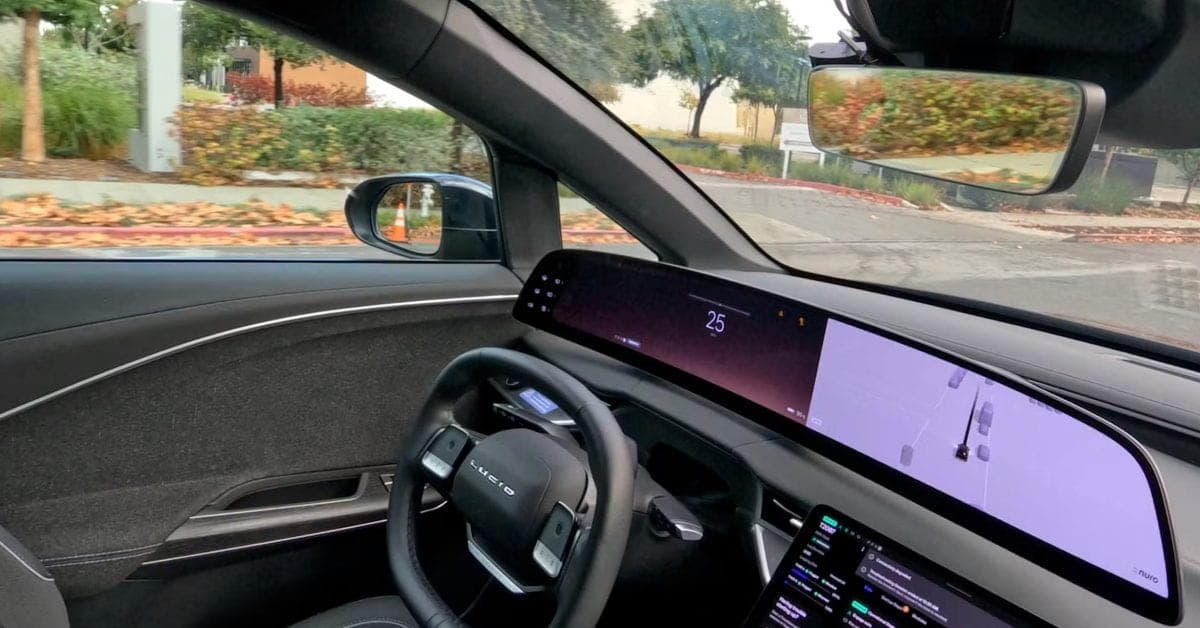
Nuro, Uber and Lucid said on Tuesday that they have started fully driverless testing of their Lucid Gravity robotaxi on public roads in the San Francisco Bay Area. Nobody sits in the driver's seat.
That is the news. Now the fun part: how do you get from "a human is watching" to "a human is not even there" without anyone feeling nervous?
What exactly changed?
Until now, the robotaxi drove itself, but a safety driver sat behind the wheel, ready to take over. That driver is now gone from the test cars. A robotaxi is a taxi that drives itself and is called with an app.
The testing runs in four Peninsula and South Bay cities:
- Palo Alto
- Mountain View
- Los Altos
- Sunnyvale
More Bay Area cities are planned for next year. The test fleet is more than 100 Lucid Gravity SUVs delivered by Lucid for the program.
Uber employees will "soon" be able to ride in the driverless cars. Uber's global head of autonomous mobility, Samarth Kejriwal, called removing the safety operator "an important milestone" and said the partners will keep refining operations, infrastructure and the in-cabin experience before the first driverless passenger rides "in the coming months".
Who does what in this partnership?
Three companies, three jobs. This is the part that makes the whole thing click, like a restaurant where one company owns the kitchen, one owns the dining room and one owns the delivery app.
- Nuro builds the self-driving system, called the Nuro Driver. It is the "brain" that watches the road and decides when to brake, turn or wait.
- Lucid builds the electric car, the Gravity SUV.
- Uber owns and operates the fleet with fleet partners, and sells the rides through its app. The cars will only be available through the Uber app.
The three companies announced the program in July 2025. The Gravity robotaxi was shown in January 2026 as a "production intent design", meaning it looks like the car that will really be built.
What is inside the car?
The Gravity robotaxi carries high-resolution cameras, solid-state lidar and radar. Lidar is a sensor that fires tiny pulses of light and times how long they take to bounce back, which gives the car a 3D map of what is around it. "Solid-state" means it has no spinning parts. Radar does a similar job with radio waves and works well in bad weather.
It also has room. The robotaxi seats up to six passengers, while robotaxis from Waymo and Zoox seat up to four. It has plenty of legroom and space for luggage in the back.
Uber has put most of its own effort into the in-cabin experience, including how riders interact with the vehicle.
In real life Picture a group of five friends heading to the airport with suitcases. A six-seat robotaxi with a big cargo area means one car instead of two, and no driver to make small talk.
How did they test it before pulling the driver?
Nuro says it has run the Gravity robotaxis around the clock on public roads in the Bay Area and Houston since December 2025, always with a safety driver who could take over.
Before removing the driver, the company says it tested with no vehicle operator on its closed course in Las Vegas. Those tests covered things like pedestrian encounters and right-of-way violations. It also ran large-scale simulation, which means driving millions of virtual miles on a computer, where mistakes cost nothing.
Nuro is not new to driverless operation. It has run driverless delivery pods in California since 2020. This is the first time it has done so with a passenger vehicle, which carries people instead of groceries.
The paperwork was in place first. California's Department of Motor Vehicles gave Nuro a driverless testing permit this spring, and the state's Public Utilities Commission, which oversees passenger services, gave it a pilot permit for carrying passengers with a safety driver. Nuro is one of only six companies allowed to test without a driver on California roads, along with AutoMo, Tensor, Waymo, WeRide and Zoox, based on the DMV list last updated on November 5.
When can you ride?
What's next: the companies plan to launch commercial robotaxi operations in the Bay Area in the first quarter of 2027, then expand to Houston later next year.
One detail is worth noticing. When the program was announced in July 2025, the plan was to launch "later next year" in a major US city. As recently as June, the Bay Area launch was still slated for 2026. It is now the first quarter of 2027, so the timeline moved by a few months.
Lucid will begin building the first vehicles designed specifically for the commercial launch fleet "in the coming weeks" at its factory in Arizona. Uber and Nuro are also testing on public roads in Houston with safety operators in the cars. Nuro is adding closed-course testing and simulation there before opening the robotaxis to the public.
How big could this get?
By the numbers: Uber first agreed to buy at least 20,000 Lucid Gravity SUVs over six years. That later grew to at least 35,000 vehicles with the Nuro Driver, to be deployed in "dozens" of cities over the coming years, starting with the Gravity and later Lucid's upcoming midsize models.
Money is part of the story too. Uber's planned investment in Lucid grew from $300 million to $500 million. TechCrunch previously reported, citing people familiar with the deal, that Uber also agreed to invest nearly $500 million in Nuro. Neither company has confirmed that second figure in the announcement.
For Lucid, an automaker that delivered 3,806 vehicles in the third quarter of 2026, an order that big is a steadier source of revenue. For Nuro, it is a payoff for a risky pivot: less than a year before the Uber deal, it had stopped developing its own delivery vehicles to license its driving technology instead.
Is the road getting crowded?
Uber works with dozens of autonomous vehicle companies, including Waymo, Zoox, Avride, Wayve and May Mobility. Adding a driverless option to an app that is already on your phone can make it easier to give one a try.
The timing also comes with extra scrutiny. Last week, California's DMV banned Waymo's robotaxis from state freeways after a series of high-profile incidents, and Waymo paused all of its freeway rides. Federal regulators have also opened investigations into other autonomous vehicle companies over the years, including Zoox and Tesla.
That is the backdrop for a launch that depends on one thing above all: people trusting a car with an empty driver's seat. Employee rides are the final practice run before strangers get in.
What it means for you
- If you live in the South Bay: you may soon see Gravity SUVs with no one at the wheel in Palo Alto, Mountain View, Los Altos and Sunnyvale. They are test cars, not yet a public service.
- If you want a ride: public rides are planned for the first quarter of 2027, through the Uber app, so there is nothing to book yet.
- If you live elsewhere: Houston comes later in 2027, and Uber talks about dozens of cities over the coming years.
- If you travel in a group: six seats may be the feature that matters most.
The bottom line
Taking the safety driver out is the biggest step so far for this partnership, and the one the companies said they were building toward. The public launch still sits about a quarter or two away, and employee rides come first. If the careful testing holds up, the next big moment is when the first stranger opens the Uber app and an empty Lucid pulls up.
Key facts
- Where
- Palo Alto, Mountain View, Los Altos, Sunnyvale
- Vehicle
- Lucid Gravity, seats up to six
- Next step
- Uber employee rides, "soon"
- Public launch
- Bay Area in Q1 2027, Houston later in 2027
- Uber commitment
- About 35,000 Lucid vehicles
Got questions?
Quick answers, plain wordsWhat did Nuro, Uber and Lucid announce?
They began fully driverless testing of the Lucid Gravity robotaxi on public roads in the San Francisco Bay Area. That means no human safety operator sits behind the wheel.
Where is the driverless testing happening?
In four Peninsula and South Bay cities, Palo Alto, Mountain View, Los Altos and Sunnyvale. More Bay Area cities are planned for next year.
Can I ride in it yet?
Not yet. Uber employees will be offered driverless rides "soon", and the public launch is planned for the first quarter of 2027.
What is Nuro?
Nuro is a self-driving technology company. It once built driverless delivery vehicles and now licenses its autonomous driving system, called the Nuro Driver, to automakers and mobility companies.
What is the Lucid Gravity robotaxi?
It is an electric SUV from Lucid fitted with cameras, solid-state lidar and radar. It can seat up to six passengers, while robotaxis from Waymo and Zoox seat up to four.
Who runs the service?
Uber will own and operate the fleet with fleet partners, and the rides will be available through the Uber app.
How many cars will there be?
Uber plans to deploy around 35,000 Lucid vehicles with the Nuro Driver in dozens of cities in the coming years. The commitment started at 20,000 vehicles.
Where else will the robotaxi launch?
Houston is next, later in 2027. Uber and Nuro already test there with safety operators behind the wheel.
How was it tested before the driver was removed?
Nuro says it tested around the clock on public roads with a safety driver since December 2025. It also ran no-operator tests on a closed course in Las Vegas and used large-scale simulation.
Was the launch date delayed?
The Bay Area launch was first described as coming in 2026. It is now planned for the first quarter of 2027.
SourcesCNET
Topics and tagsAI safety, Self-driving, nuro, uber
Go deeper
Related stories
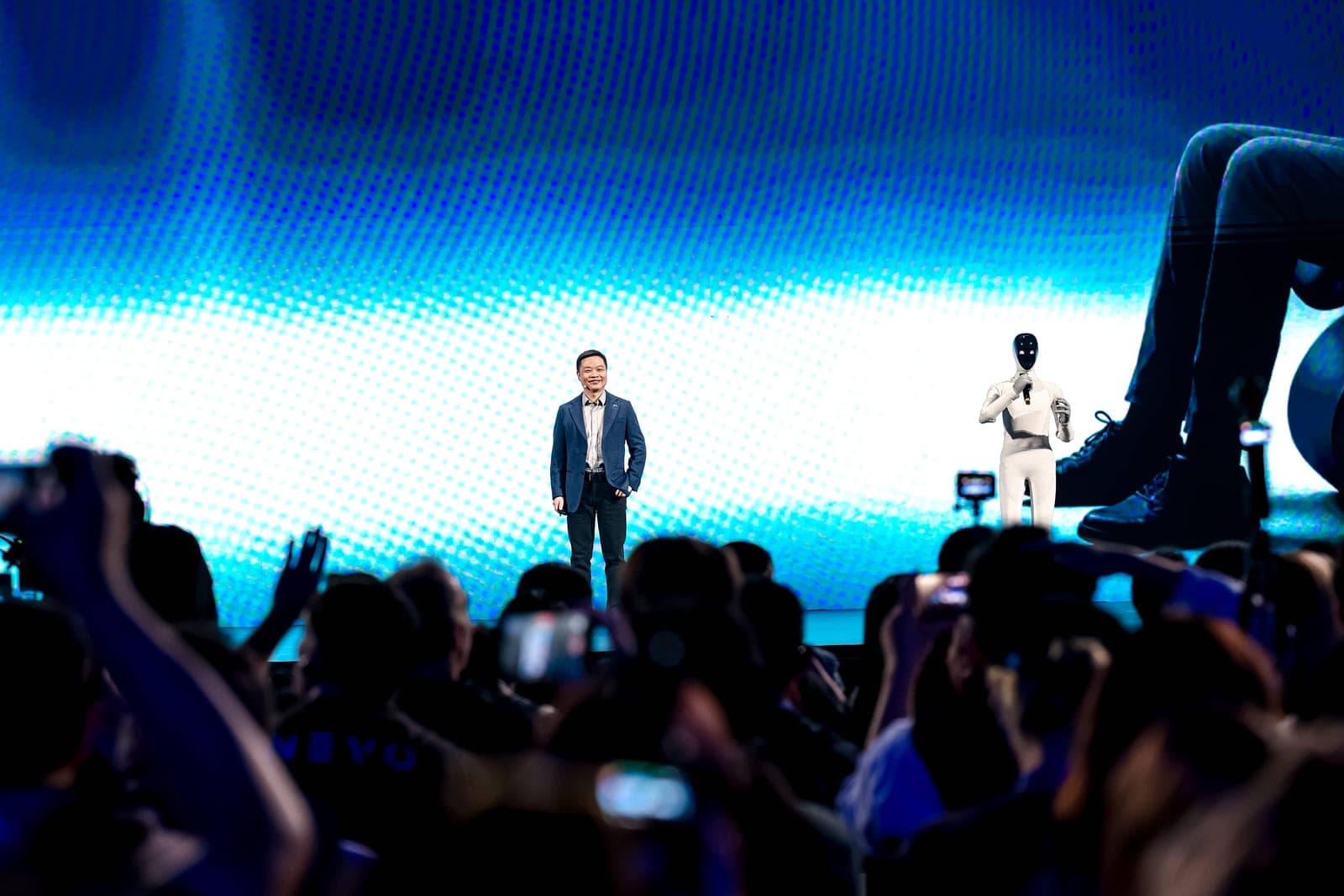
Xpeng's IRON humanoid robot heads to stores in 2027
Xpeng showed its IRON humanoid on stage and set dates. It starts training in Xpeng stores in early 2027, and the public release is targeted for the second quarter.
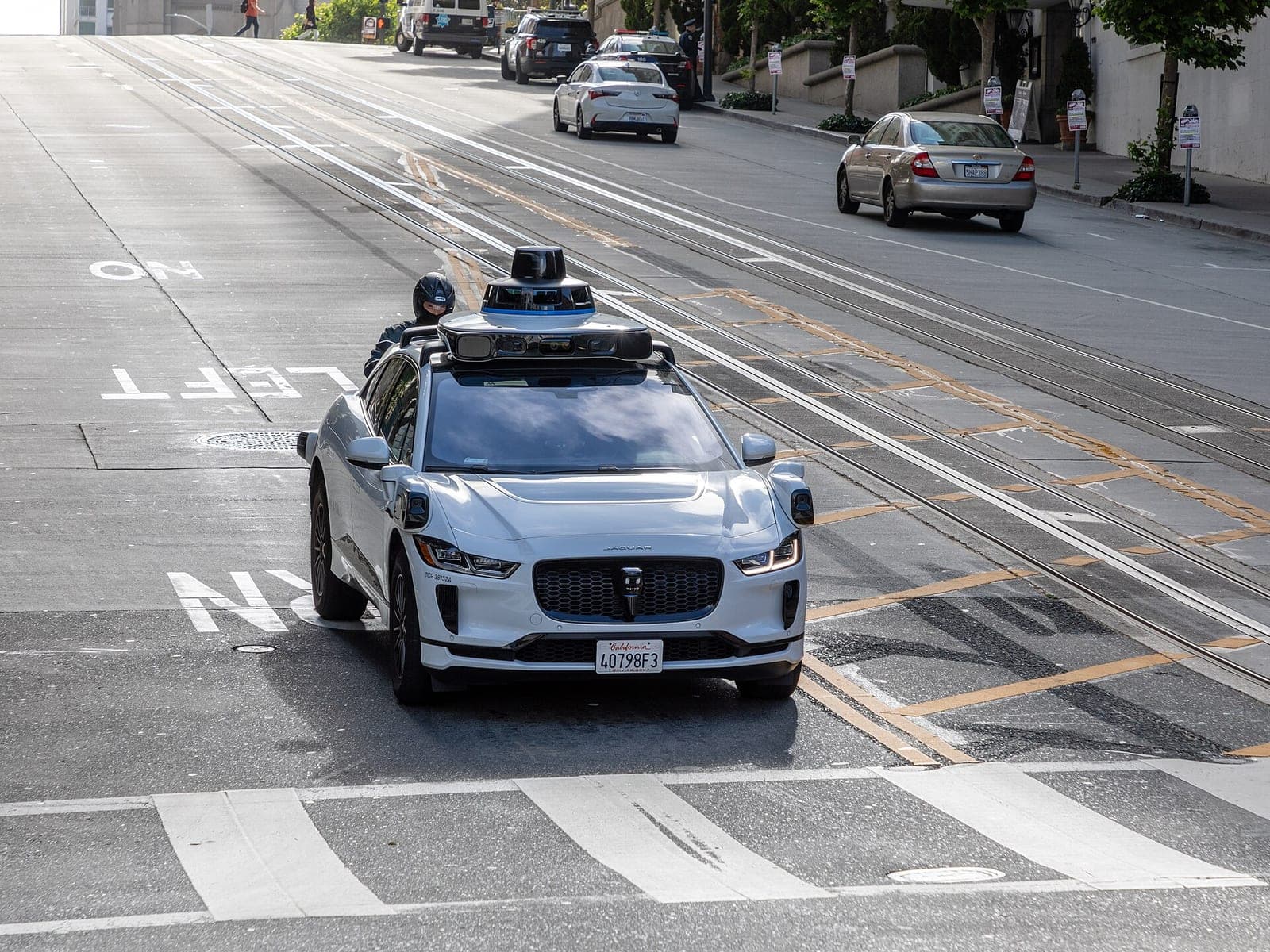
California bans Waymo from freeways, and Waymo stops freeway rides everywhere
The state's DMV called Waymo's freeway driving an imminent hazard after its cars entered construction zones. Waymo has now paused freeway rides in all 15 of its US cities.
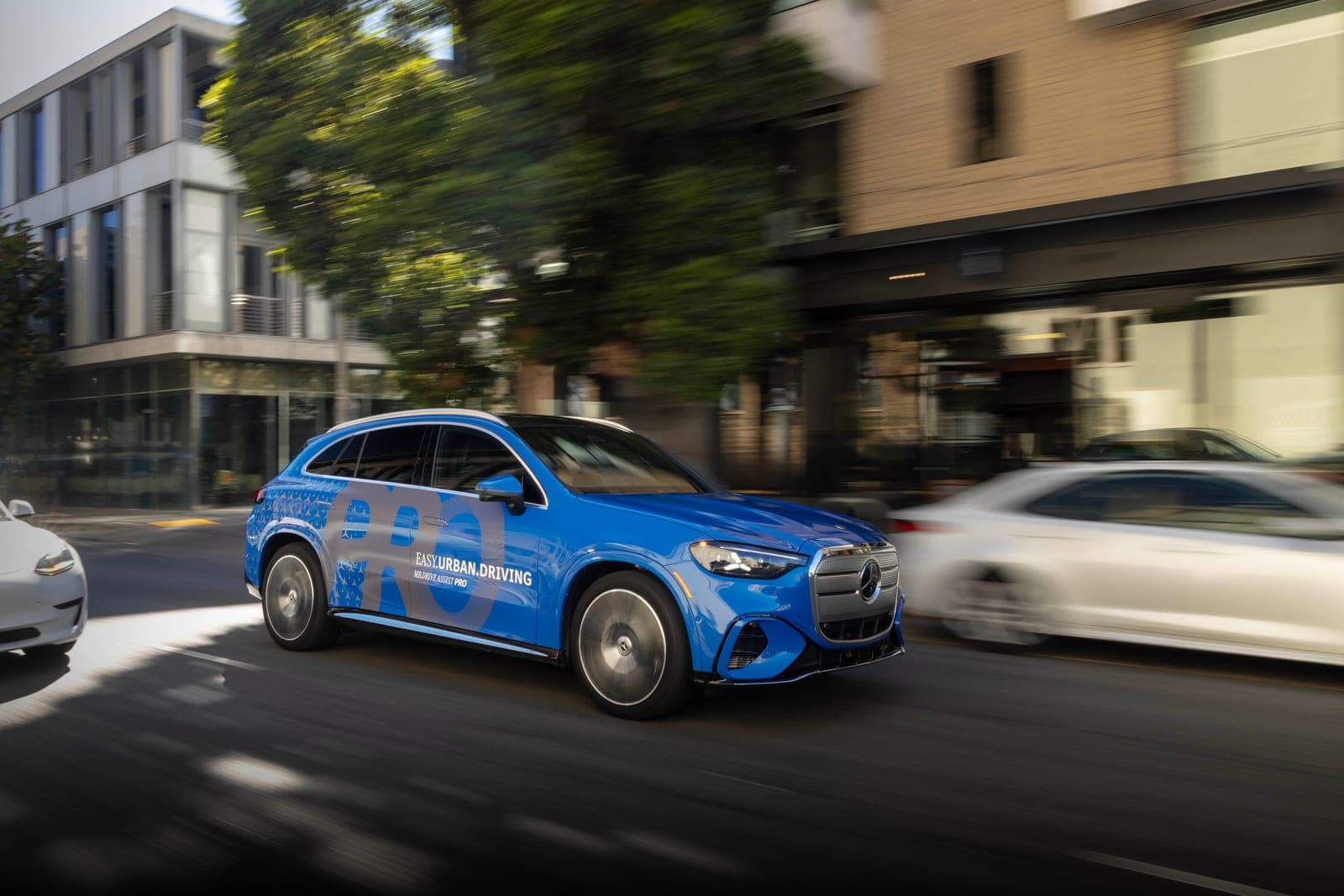
Mercedes starts rolling out hands-free city driving in the US and Germany
Mercedes-Benz will let early customers in California and Germany try MB.Drive Assist Pro from December. The supervised system drives from point to point on city streets, and a wider rollout follows in 2027.
More in brief
- Amodei says handing governance to AI is "a bad idea" and calls the claim absurdNov 26
- 42 state attorneys general move to block Character.AI's auction of user chatsNov 25
- WhatsApp now lets you schedule messages up to 14 days aheadNov 25
- Microsoft declares Code Red after its worst Exchange Online outageNov 25
- Ladybird ships its first downloadable alpha, a browser built from scratchNov 25
- FCC lets SpaceX plan up to 1 million AI data center satellitesNov 25