
AI·News & analysis
42 state attorneys general move to block Character.AI's auction of user chats
A bipartisan group asks a bankruptcy judge to stop the sale of private chats from more than 21 million US accounts, including 2.1 million registered to minors.

Tide
Wave
Sci-fi
3/10
Reality
In your hands
Your late-night chatbot confessions, now an auction lot.How we rate
A coalition of at least 42 state attorneys general asked a bankruptcy court to block the December 1 auction of Character.AI's platform, which includes chats and data from more than 21 million US accounts.
About 2.1 million of those accounts belong to minors. The states say the buyer would owe users no privacy protections. A court hearing on the sale is expected on December 7 and 8.
What to know
- A coalition of at least 42 attorneys general asked the bankruptcy court to reject the sale of Character.AI's platform, chats and user data, set for December 1, 2026.
- The data covers more than 21 million US accounts, including more than 2.1 million registered to minors, plus IP addresses and other metadata.
- The only disclosed bidder, Smirks and Pangs Acquisition LLC, was formed on November 13, one day before it was picked as the base bid.
- The states say the buyer would not have to follow Character.AI's privacy policy or honor deletion requests. A court hearing on the sale is expected on December 7 and 8.
Attorneys general from at least 42 states and Washington, DC are asking a judge to stop Character.AI from auctioning off its users' private chats. The company is bankrupt, and the chats are part of what it wants to sell. So what happens to what you told a chatbot when the chatbot's company runs out of money?
What is up for auction?
California's attorney general says the sale covers the platform and the private chat histories of more than 21 million US accounts. More than 2.1 million of those accounts are registered to minors.
The data goes beyond the text of the chats. It also includes account details and metadata, which is the background information attached to a message, such as when and where it was sent.
- IP addresses: the numbers that show roughly where a device connects from.
- Location data: other signals that may point to where a user is.
- Risk scores: ratings Character.AI gave to users it flagged.
- Profile links: each chat is tied to the user's profile.
The auction is set for December 1, 2026.
What is in the chats?
The states do not describe these as casual chats. Their filings say some conversations show AI characters pulling children and adults into explicit sexual talk.
Others are chats where users, including minors, treated bots as confidential advisors. Some of those bots posed as a "therapist" or a "physician."
Those chats cover sensitive topics: self-harm, eating disorders and suicidal thoughts. That is why the states say the buyer would get far more than ordinary app data.
Who is the buyer?
Only one bidder has been disclosed so far, and it is a mystery. Oregon's attorney general says Smirks and Pangs Acquisition LLC was set up in Delaware on November 13, 2026. Character.AI picked it as the base bid one day later.
A base bid, sometimes called a stalking horse bid, is the opening offer that sets the floor price. Other bidders can then try to beat it.
The states point out what the sale contract leaves out:
- No parent company: the contract does not name one.
- No investors: none are listed.
- Foreign investors allowed: their names would be shared only with Character.AI.
- Funding: where the money comes from has not been disclosed.
It is unclear what the buyer plans to do with the chats.
What do the states say is wrong?
The coalition lists four main concerns in its filings.
The catch: the deal imposes no requirements on the buyer. The buyer would not have to follow Character.AI's privacy policy or honor requests to delete data or opt out. Nothing limits what it does with the data.
The data could be sold again. After the sale, the buyer could pass the data to a related company or a new owner. It could do that without telling users, the states or the court.
Bidders know more than the court. The states say Character.AI gave bidders information about its safety failures and possible legal trouble. They say it did not share that information with the court, the states or users.
A possibly illegal business model. The states say the chatbot service appears to violate their laws against unfair and deceptive practices. Chatbot safety laws in California, Colorado, New York and Connecticut take effect on January 1, 2027, and the states say those could trigger further violations.
In real life Imagine a diary company goes broke. Its lawyers sell the filing cabinet with every customer's diary inside, and the new owner does not have to keep any of the promises the old company made.
What did Character.AI promise?
Character.AI's privacy policy told users, "we do not sell personal information for monetary consideration." When it filed for bankruptcy, the company said user data would still be protected by that policy.
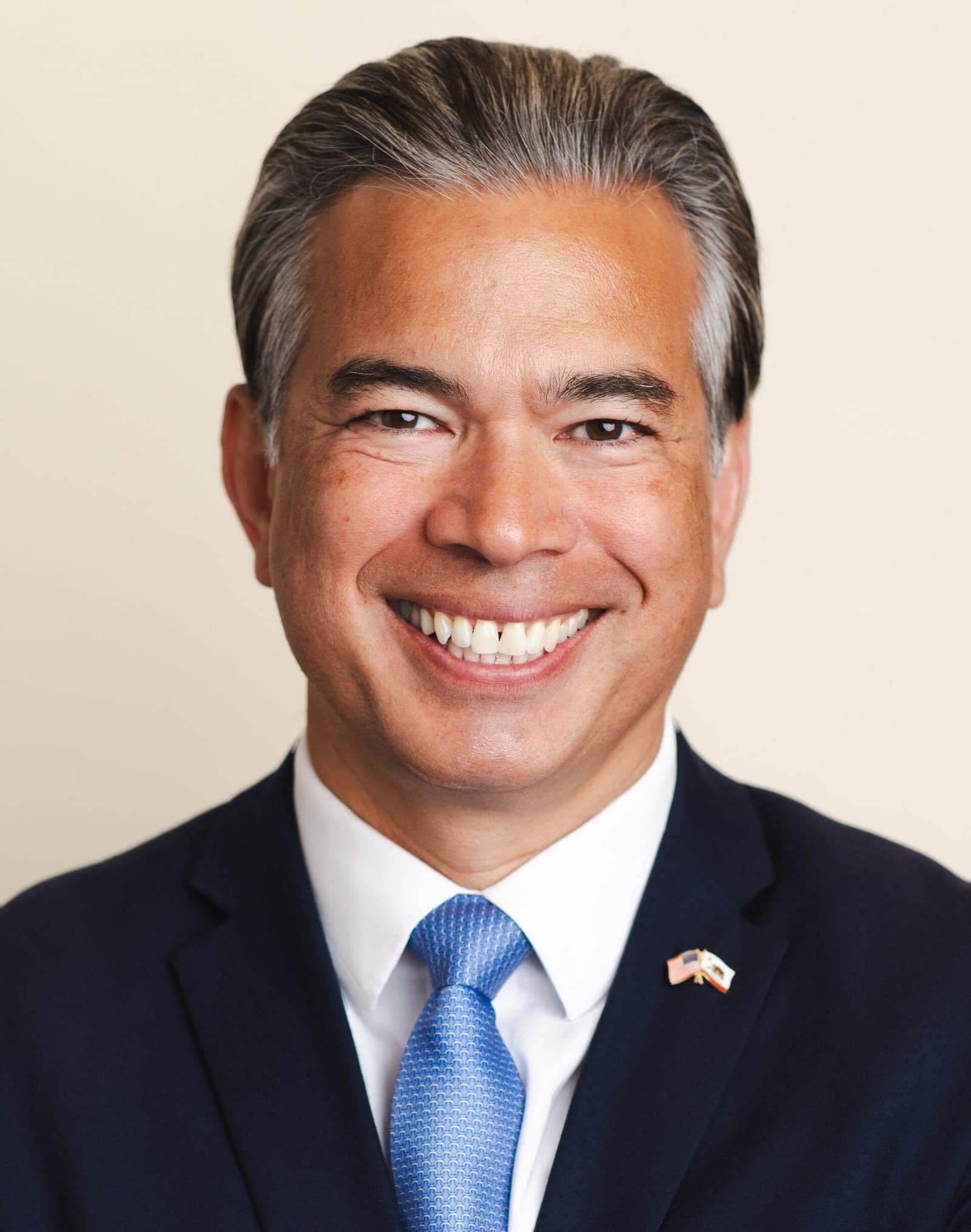
The attorneys general say the sale terms would not hold the buyer to it. California's Rob Bonta said the company "promised consumers that their data would not be sold."
Bonta also made a legal argument. In his words, "bankruptcy should not be used to sidestep these consumer protections."
The coalition adds two legal points:
- Children's data: federal law bars companies from sharing personal information about children under 13 without a parent's verified permission.
- State privacy laws: they limit the sale of personal information unless people understand what could be sold and can say no. California's privacy act is one example.
What are the states asking the court to do?
Three things, according to the filings. First, deny the proposed sale terms. Second, reject Smirks as the lead bidder.
Third, deny Smirks a $350,000 break-up fee. That is the payment it would collect if Character.AI sold to someone else. At a minimum, the states say, any sale must leave out children's chats and other sensitive data and add conditions that protect users.
The case is before the US Bankruptcy Court for the District of Delaware, where Character.AI's parent company filed for Chapter 11 in October 2026. Chapter 11 lets a company keep running while it sells assets under a judge's supervision. A sale hearing is expected on December 7 and 8.
How does this connect to the Disney deal?
This is the second sale the same states have challenged. Earlier, Oregon and a similar coalition objected to a separate 0 million license deal with Disney, which is covered in our earlier story.
That deal covers technology and not users' chats. The new sale is bigger: the states describe it as nearly everything Character.AI owns.
Connecticut's attorney general, William Tong, tied the two together: "We objected to the Disney sale, and we're calling on the bankruptcy court to reject this sale too."
Character.AI has also faced child safety lawsuits. One involved a 14-year-old Florida boy who died by suicide. His mother said he had become obsessed with a chatbot on the platform. The Kentucky attorney general also sued the company in January 2026.
How did Character.AI get here?
The company's troubles started well before the bankruptcy. Its co-founders, Noam Shazeer and Daniel De Freitas, returned to Google after the tech giant signed a non-exclusive license to use the startup's technology. A non-exclusive license means other companies can get the same rights.
After that, the company faced lawsuits over child safety. Character Technologies, the parent company, filed for Chapter 11 on October 12, 2026. The case is number 26-11603 before Judge Brendan L. Shannon.
The company is still running while the case goes on. Lawyers call this being a debtor in possession: the company stays in charge of its business, under the court's watch.
What about the Kentucky lawsuit?
The bankruptcy has not ended the other fights. Kentucky's attorney general, Russell Coleman, sued the company in January 2026 in Franklin Circuit Court.
On November 24, the company filed papers to keep a Louisville law firm, FBT Gibbons, working on its defense in that case. Objections to hiring the firm are due by December 15, a week after the sale hearing ends.
The legal bills come out of the same pot of money that creditors, including tech and marketing suppliers, hope to be paid from. That pot is the reason the data sale matters so much to everyone in the case.
What it means for you
- Check your account: if you used Character.AI, assume your chats may be in the sale until a court says otherwise.
- Watch for notices: the company and the states may publish updates before December 1.
- Think before you share: treat any chatbot like a public forum. Skip names, addresses and health details.
- Parents: ask your kids whether they used the app, and talk about what they typed.
The bottom line
A bankrupt chatbot company wants to sell millions of private chats, and dozens of states say that cannot happen without protections. The judge now has to decide whether a privacy promise survives bankruptcy. Until then, the safest chat is the one you never typed.
Key facts
- Accounts in the sale
- More than 21 million in the US
- Accounts registered to minors
- More than 2.1 million
- States in the coalition
- At least 42, plus DC
- Auction date
- December 1, 2026
- Proposed break-up fee
- $350,000
Got questions?
Quick answers, plain wordsWhat is Character.AI selling?
Nearly everything it owns: the platform, user account information and chat histories, plus IP addresses and other metadata. The attorneys general say each chat is linked to the user's profile and to risk scores the company gave flagged users.
Who is trying to stop the sale?
A bipartisan coalition of at least 42 state attorneys general and the District of Columbia, led in public statements by California's Rob Bonta. They filed in the bankruptcy court and asked the judge to deny the sale terms.
How many people are affected?
The filings cite more than 21 million US accounts. More than 2.1 million of those accounts are registered to minors, according to the attorneys general.
When is the auction?
December 1, 2026. A sale hearing is expected on December 7 and 8, and the court has to approve any final deal.
Who is the buyer?
Only one bidder has been disclosed: Smirks and Pangs Acquisition LLC, set up in Delaware on November 13, 2026. Character.AI picked it as the base bid the next day. The sale contract names no parent company or investors, and it is unclear what the buyer plans to do with the chats.
Did Character.AI promise not to sell user data?
Its privacy policy said it does not sell personal information for monetary consideration. The company also said when it filed for bankruptcy that user data would stay protected by that policy. The states say the sale terms would not require the buyer to follow it.
Is selling chat data legal in a bankruptcy?
The states argue it is not, at least without protections. They say bankruptcy does not free a company from privacy laws, including the federal rule against sharing data about children under 13 without a parent's verified permission. The court will decide.
What is a break-up fee?
A payment the lead bidder collects if the company ends up selling to someone else. Here it would be $350,000, and the states want the court to deny it.
What is Chapter 11?
A form of US bankruptcy where a company keeps running while it sells assets or reorganizes under a judge's supervision. Character.AI's parent company filed for it in October 2026.
Can I delete my Character.AI data?
The sale terms would not make a buyer honor deletion or opt-out requests, the states say. The filings do not describe a deletion tool, so check the app's own privacy settings and the company's announcements before the auction.
SourcesCalifornia Attorney General's Office, or.us
Topics and tagsAI safety, character ai, privacy, bankruptcy
Related stories

Disney plans $180 million for Character.AI's team as the startup goes bankrupt
Court papers show Disney expects to spend about $180 million over three years on the roughly 65 Character.AI workers it hired, and $20 million for a copy of the startup's technology.
Signal blocks screenshots on phones to keep AI assistants out of your chats
Signal now blocks screenshots on iOS 27 and stops AI assistants from reading its screen on Android, and calls AI built into phones an existential threat to private apps.

Etsy sellers are leaving over new terms that allow AI training
Etsy's updated Terms of Use, effective December 16, let the company and its partners train AI on seller content, and many longtime sellers are closing their shops in protest.
More in brief
- Amodei says handing governance to AI is "a bad idea" and calls the claim absurdNov 26
- WhatsApp now lets you schedule messages up to 14 days aheadNov 25
- Microsoft declares Code Red after its worst Exchange Online outageNov 25
- Ladybird ships its first downloadable alpha, a browser built from scratchNov 25
- FCC lets SpaceX plan up to 1 million AI data center satellitesNov 25
- Amazon Autos is coming to the UK, with £99 car reservationsNov 25