
Robots·News & analysis
Runway's Praxis-1 wants to teach robots from video instead of demos
The AI video company announced Praxis-1, an open-weight model that turns its video pretraining into robot control, and is testing it with early partners before a public release.
Tide
Ripple
Sci-fi
6/10
Reality
Demo
Robots learning chores by binge-watching the internet.How we rate
Runway announced Praxis-1, an open-weight model that turns its video pretraining into control for real robots.
It learns mostly from third-person video rather than costly robot demonstrations, and Runway says performance improves as video scales. Partners Noble Machines, Standard Bots and Ultra are testing it on their hardware. A public release with open weights is planned in the coming months.
What to know
- Runway announced Praxis-1, its first open-weight world action model, built on the same video pretraining behind its world models.
- Instead of relying mostly on scarce robot demonstrations, Praxis-1 learns largely from third-person video.
- Early partners Noble Machines, Standard Bots and Ultra are testing it on their own robots.
- Runway plans to release Praxis-1 publicly with open weights in the coming months.
Runway, best known for its AI video tools, wants to teach robots the same way it teaches video models: by watching a lot of video. The company has announced Praxis-1, its first open-weight world action model, which turns its video pretraining into control for real robots.
What is Praxis-1?
Praxis-1 is what Runway calls a world action model. AlphaSignal explains the idea simply: a world model predicts how a scene might change over time, a policy model turns what a robot's cameras and sensors see into commands it can carry out, and a world action model combines the two.
It's built on the same large-scale video pretraining behind Runway's general world models, and it's designed to work as a generalist policy model, meaning one model that can guide robots across many different bodies and environments.
The status: Runway is testing Praxis-1 with early partners across a variety of robots, and plans to release it publicly in the coming months.
Runway already offers models for video work, The Robot Report notes, including Aleph 2.0 for editing video, Act-Two for motion capture and Gen-4.5 for generating video. For robotics, it also offers GWM-1, a general world model.
Why learn from video?
The problem: robots need a lot of training data, and real-world robot data is scarce and expensive to collect.
"Most robot policies are bottlenecked by robot data, which is scarce and expensive to collect," Runway CTO Kamil Sindi told The Robot Report. "Praxis-1 learns mostly from third-person video, built on the same large-scale pretraining behind Runway's world models, so it already understands how objects behave and how tasks unfold."
Runway argues that for things like autonomous driving or household robots, which run into constant edge cases, there's no practical way to collect enough training data by hand. Video, on the other hand, is effectively limitless. People film and upload more of everyday life each day than any robot lab could capture by remote-controlling robots, the company says.
Runway says robot performance improves as it scales general video, so the real limit becomes how much video the model can learn from, not how many robot demonstrations exist.
Runway co-founder Anastasis Germanidis put it bluntly on X: "you can get predictably better robotics policy performance by scaling third-person video."
The company compares it to how language models learn the structure of the world from huge amounts of text, which lets them work well in settings that differ from what they were trained on.
What does the data show?
Runway shared a few results in its announcement:
- Simulation that predicts reality: simulating robot policies inside its world model predicts real-world results with a 0.95 correlation, which Runway says compares favorably with more expensive 3D reconstruction methods.
- Web video works as well as robot video: in one test, a policy trained from scratch on web video ended with a final placement error of 16.1 cm, versus 16.0 cm for one trained on remote-controlled robot video. Runway says the difference is within the margin of error.
- Hard cases: Runway highlights four situations that usually trip up policies trained only on demonstrations: many near-identical objects, cluttered scenes, transparent things like ice and clear plastic, and floppy items like cloth.
The catch: these are Runway's own results, shared ahead of release. Independent testing will come once partners and the public can run the model.
What can it do?
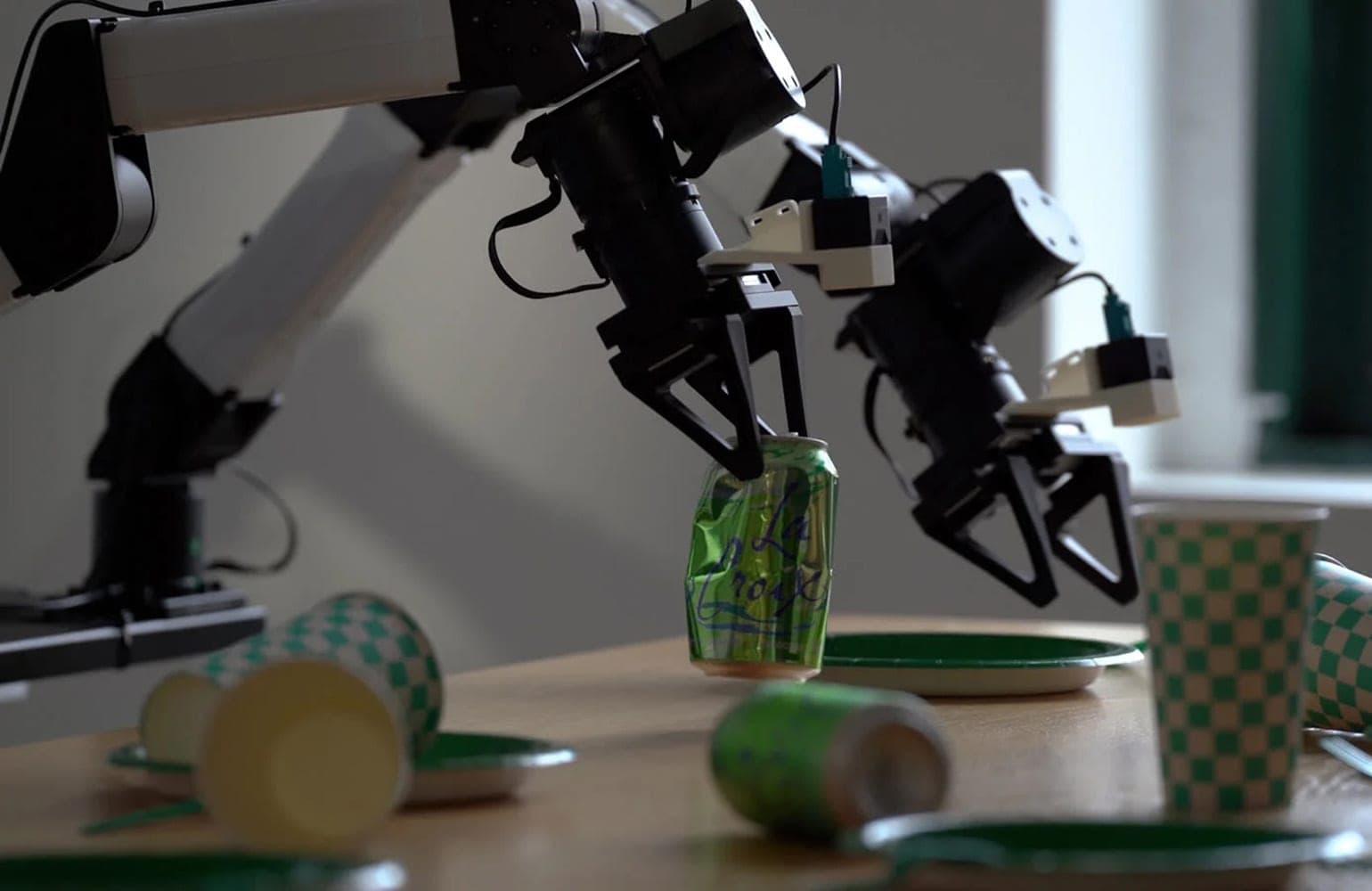
"Praxis-1 has been trained on a variety of manipulation tasks, ranging from straightforward pick-and-place actions, such as lifting soda cans, to more complex tasks involving deformable objects, like packing gift bags," Sindi told The Robot Report.
Runway's demos also show a robot on a mobile base approaching a shelf, finding a book and putting it away, and a two-armed robot handling objects. The company says the same policy moved between environments, from a controlled studio to a kitchen counter with mixed light, without retraining.
In real life Think of how you learned to load a dishwasher. Nobody guided your hands a thousand times. You watched someone do it a few times and figured out the rest. Runway is betting robots can learn in a similar way from video.
What's still unclear?
The catch: video shows what happens, but not how a robot should move to make it happen.
As AlphaSignal points out, a video can show a hand lifting a cup, but it doesn't include the joint angles, grip force or control timing a robot needs to repeat the motion. That means Praxis-1 still needs robot-specific fine-tuning to connect what it learned from video with commands a robot can actually execute.
Runway hasn't said how that step works or how much labeled robot data it needs, AlphaSignal notes. It also says broader conclusions about the web video results would need more detail, such as task definitions, dataset sizes and results from independent testers.
The company describes Praxis-1 as working across several kinds of robots, including two-armed rigs, single robot arms and mobile bases, with one policy, according to AlphaSignal.
Who is testing it?
Runway is rolling Praxis-1 out to key partners before a public launch:
- Noble Machines
- Standard Bots
- Ultra
Each is running the model on its own hardware. "A big takeaway so far is that a single model can adapt across very different embodiments, from bimanual arms to humanoids, with light fine-tuning," Sindi told The Robot Report.
Runway says this testing is meant to check both how well the model works and how safely, so it can close gaps before general availability. It plans to give early access to more partners before launch.
Why open weights?
When Praxis-1 is released, Runway says it will ship with open weights rather than as a closed model.
As Robotics and Automation News explains, that means developers can download the model and run or adapt it themselves, instead of only reaching it through Runway's servers. The outlet also notes the move takes Runway beyond its established video business and into the fast-growing physical AI market.
"We believe U.S. leadership in physical AI is critical to regaining our manufacturing lead, and that requires open American models," Sindi told The Robot Report. "Open weights give hardware developers flexibility and control they don't have today."
The big picture: Runway is a Brooklyn-based company founded in 2018, with offices in New York, San Francisco, Seattle, London, Paris, Tel Aviv and Tokyo, according to The Robot Report. Praxis-1 extends its work on real-time, interactive video models like Solaris and GWM Worlds 2 into the physical world.
For the opposite approach, collecting human movement data to train robots, see our story on a lab built to teach robots to move like us.
What it means for you
- If you build robots: Praxis-1 is set to arrive with open weights, and Runway is taking early-access requests from hardware teams now.
- If you follow AI: it's another sign that video models are becoming a foundation for physical AI, not just for making clips.
- If you're waiting for home robots: this is an early, lab-stage step. Runway's results are promising but not yet independently tested.
The bottom line
Runway is betting that robots can learn the physical world from video, the way its video models already do. Praxis-1 is in testing with three partners now, with an open-weight public release planned in the coming months.
Key facts
- Model
- Praxis-1, a world action model for robots
- Company
- Runway, the Brooklyn-based AI video company
- Training
- Mostly third-person video, built on Runway's world model pretraining
- Early partners
- Noble Machines, Standard Bots, Ultra
- Release
- Open weights, publicly in the coming months
Got questions?
Quick answers, plain wordsWhat is Runway's Praxis-1?
Praxis-1 is Runway's first open-weight world action model. It turns the company's large-scale video pretraining into control for real robots, so one model can guide robots across different bodies and environments.
What is a world action model?
It's an AI model that understands how the physical world behaves, learned from video, and uses that to decide what actions a robot should take.
How is Praxis-1 trained?
Mostly on third-person video rather than robot demonstrations. Runway says policy performance improves as it scales that video, so the limit becomes how much video the model can learn from.
Why use video instead of robot data?
Runway says real-world robot data is scarce and expensive to collect, while people film and upload more of everyday life each day than any robot lab could capture.
Who is testing Praxis-1?
Early partners Noble Machines, Standard Bots and Ultra are running it on their own hardware, Runway says. It plans to give early access to more partners before launch.
When can I use Praxis-1?
Runway plans to release it publicly in the coming months. It hasn't given an exact date.
Will Praxis-1 be open source?
Runway says it will ship with open weights rather than as a closed model.
What tasks can it do?
Runway's CTO told The Robot Report it was trained on tasks from simple pick-and-place, like lifting soda cans, to harder ones with deformable objects, like packing gift bags.
What robots does it work with?
Runway says one model can adapt across very different robots, from two-armed setups to humanoids, with light fine-tuning.
SourcesRunway
Topics and tagsrunway, robotics, physical ai, open source
Related stories
A data company just built a lab whose only job is teaching robots to move like us
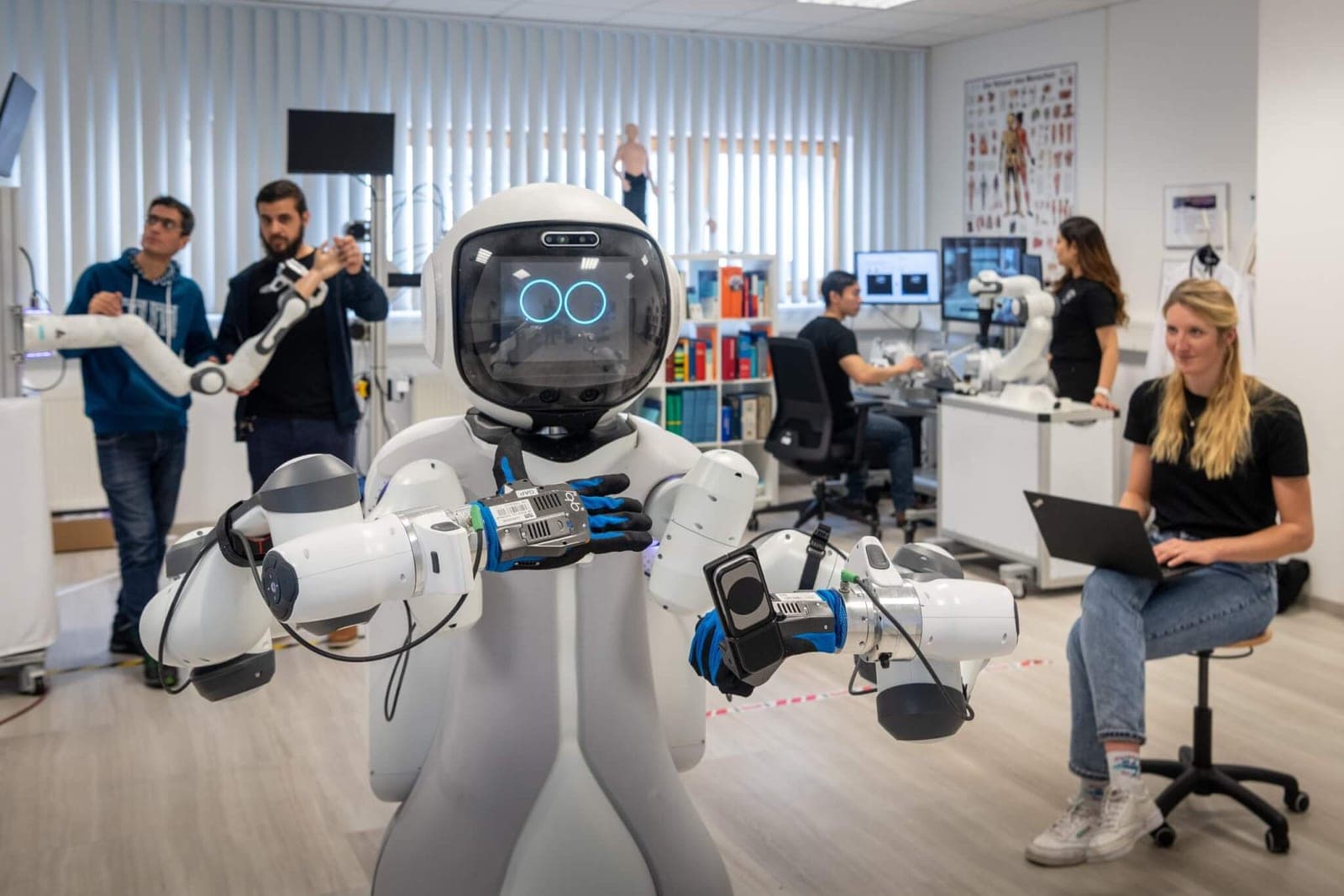
Innodata opened a motion-capture lab in New Jersey, built with Vicon, that captures sub-millimeter 3D movement data to train humanoid and industrial robots how to move more naturally.
SoftBank is betting $225 million that self-driving bulldozers can fix a labor shortage
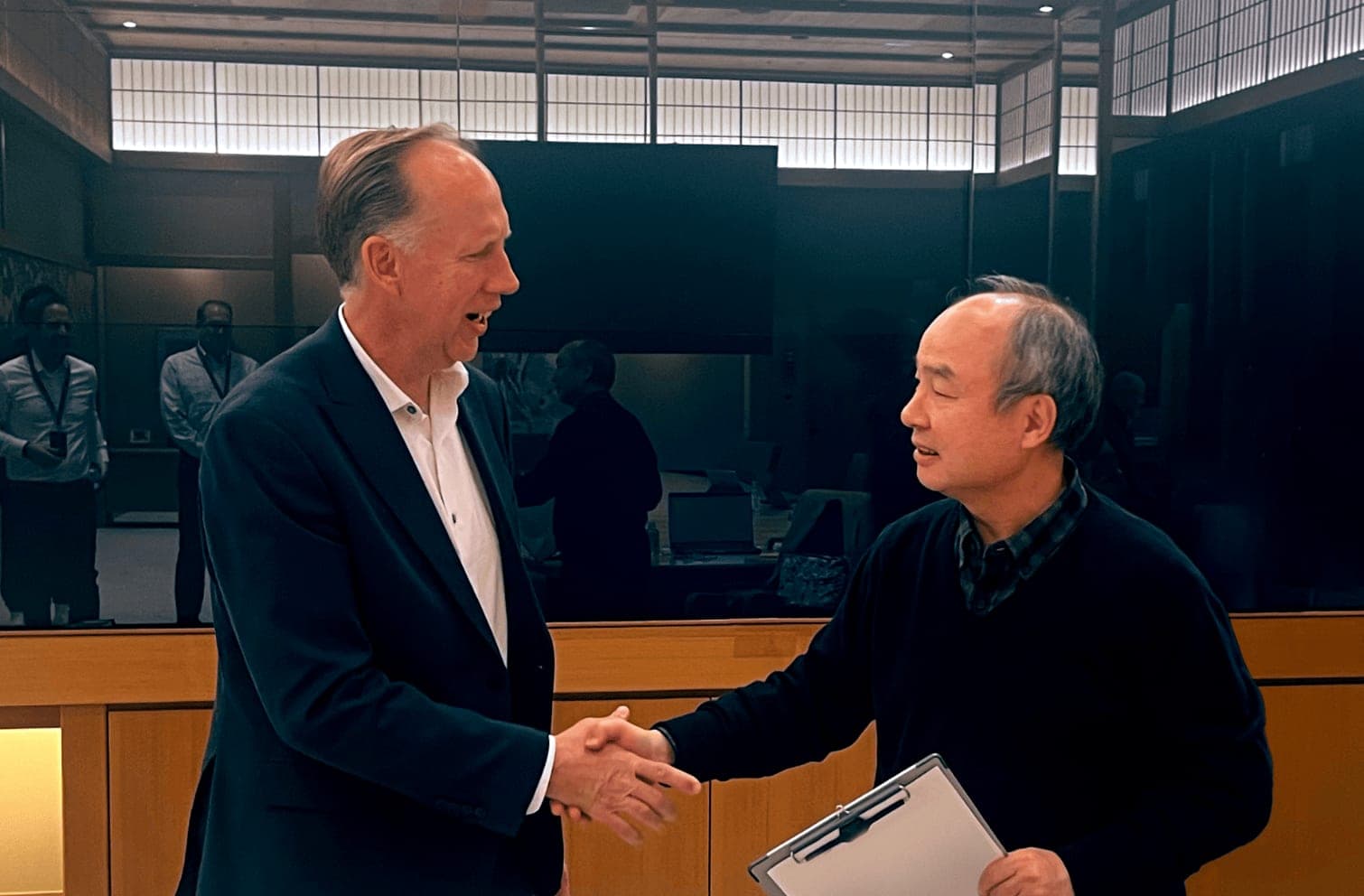
SoftBank invested $225 million in Utah robotics company ASI and formed a joint venture to deploy autonomous haul trucks, dozers, loaders and compactors on big construction projects.
California will fine robotaxi companies that block first responders for over 30 minutes
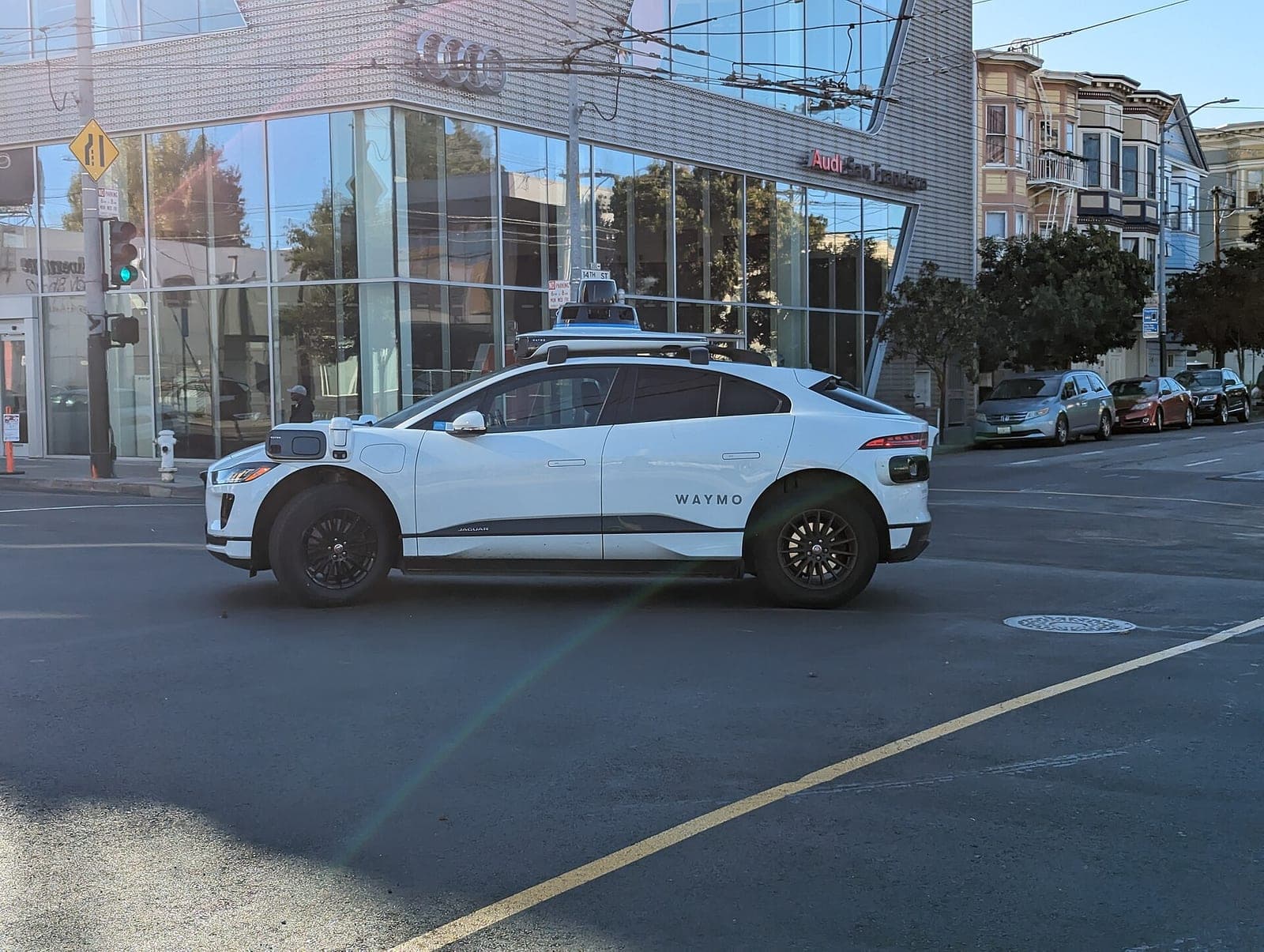
Governor Gavin Newsom signed SB 1246, which requires robotaxi operators like Waymo, Tesla and Zoox to send on-site help when their cars cause problems, and to keep remote drivers in the US.
More in brief
- Apple is tightening Mac 'Full Disk Access' because of AI agentsOct 2
- Rivian's deliveries jump as its cheaper R2 starts to ramp upOct 2
- Nvidia ends the base Shield TV and raises the Shield TV Pro to $299Oct 2
- Slovenia's .si domain booms after the US starts calling AI 'super intelligence'Oct 2
- Epic pauses most product work after AI finds MyChart security flawsOct 2
- Tesla delivered 486,532 cars in Q3, beating every Wall Street estimateOct 2