
Robots·News & analysis
ASELSAN's EJDERHA electromagnetic weapon disables 51 drones with one command
Turkish defense company ASELSAN says its EJDERHA system knocked out a swarm of 51 drones in seconds, with no missile and no ammunition.

Tide
Ripple
Sci-fi
8/10
Reality
Shipping
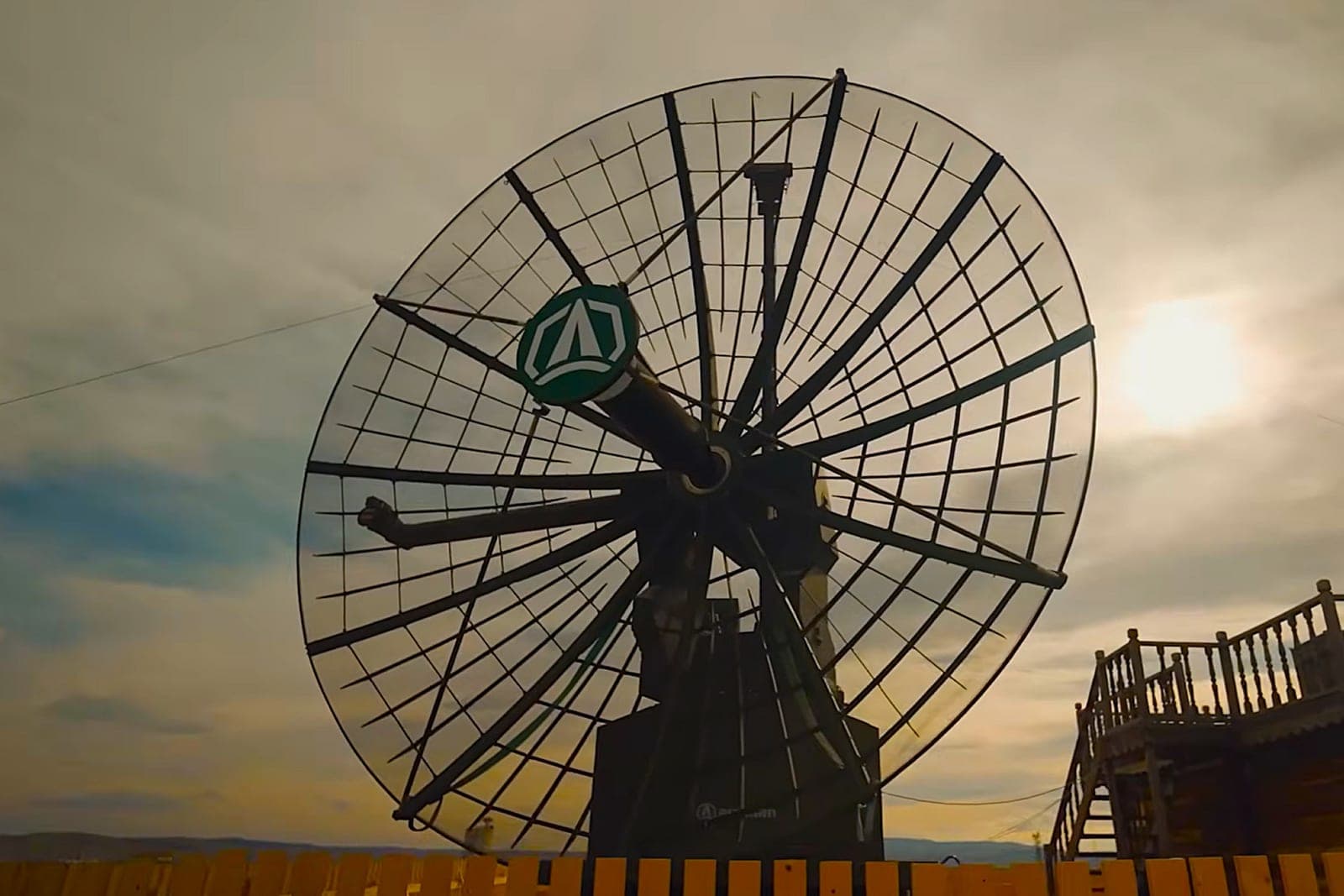
A dish that switches off a drone swarm.How we rate
Turkish defense company ASELSAN says its EJDERHA system disabled a swarm of 51 drones in seconds on a single command, using electromagnetic waves instead of missiles.
It also stopped two wired drones at about 1,000 meters. The result matters because cheap drones now outnumber costly interceptors. ASELSAN says the system is already in serial production, though the world-first claim is unverified.
What to know
- ASELSAN says EJDERHA neutralized 51 drones launched together, on a single command, with no missile or ammunition.
- In a separate test it stopped two wired drones at about 1,000 meters, a type that radio jamming cannot stop.
- The system uses vacuum electronics to fire high-power electromagnetic waves at a drone's circuits.
- ASELSAN says EJDERHA is in serial production and in operational use; the 'world first' claim is the company's own.
Turkish defense company ASELSAN says its EJDERHA system just switched off 51 drones at once. It used no missile and no bullet. Just one button and a lot of invisible energy.
So how do you stop a drone without hitting it?
What did ASELSAN actually show?
The company ran two tests at its Gölbaşı test center in Türkiye. In the first, EJDERHA stopped two wired drones at about 1,000 meters.
In the second, 51 drones were launched together to act like a mass attack. ASELSAN says the system neutralized all of them within seconds, on a single command.
The number was a choice. ASELSAN picked 51 to mark its 51st anniversary.
ASELSAN's chief executive, Ahmet Akyol, called it the first time a system stopped 51 drones with one push of a button. He said the system is in serial production and already deployed.
How does EJDERHA work?
EJDERHA is Turkish for "dragon." The weapon is a dish that sends out high-power electromagnetic waves. Think of a very strong radio signal, aimed like a flashlight.
Those waves hit the electronics inside a drone. ASELSAN says they can disturb its navigation, its communications and its control systems.
Depending on the target, the electronics can freeze, reset, switch off or burn out.
In real life Picture your phone dropping dead the instant someone points a giant invisible beam at it. Same idea, but aimed at a flying drone.
Why do the waves come from a vacuum tube?
The system makes its waves with vacuum electronics. That means vacuum tubes, sealed devices that steer electric current through empty space.
The first one was invented in 1904. Most gadgets switched to tiny chips after the transistor arrived in 1947.
But when you need a microwave signal strong enough to overwhelm a drone, vacuum electronics is still one of the best tools. Some companies are testing solid-state chips for the job instead.
Not bad for a technology older than the airplane's second decade.
Why are wired drones such a problem?
Most drones talk to their pilot by radio. A jammer, a device that floods the air with noise, can cut that link.
Fiber-optic drones changed the game. They fly on a thin glass cable that carries the pilot's video and commands. The link never goes through the air, so a jammer has nothing to jam.
These drones became common after Russia's 2022 escalation in Ukraine, along with other tricks like compass-based backup navigation and jam-resistant strike drones.
EJDERHA skips the link. It goes after the circuits on board, which every drone has.
What else has it been tested on?
ASELSAN says it has tried the system in the field against several kinds of drones:
- Small drones: mini and micro models.
- Fixed-wing drones: planes flying at low altitude.
- FPV drones: first-person-view drones, both wired and wireless. FPV drones are the small, fast ones flown through a pilot's video goggles.
- Engine drones: models with internal combustion engines.
Earlier this year, in January, ASELSAN showed the system against three wired FPV drones approaching together. They were stopped within seconds. Other runs used drones from different angles and common commercial motors.
How does it find its targets?
A weapon like this needs to see before it shoots. EJDERHA uses radar to detect drones and electro-optical sensors, which are camera-style trackers, to follow them.
The dish has two modes. A narrow beam puts the energy on one drone. A wide mode covers a larger area, which is what a swarm needs.
Operators can change the pulse settings to suit the job. A built-in cooling system keeps the power going during long engagements.
By the numbers: the version known as EJDERHA AD 200 sits on a towed trailer, so it can be moved without a special vehicle.
Where did EJDERHA come from?
ASELSAN first showed the AD 200 version at the IDEF 2025 defense fair. Since then it has gone through field checks, including the January demonstration.
The company has also brought out an upgraded AD 210. It has a larger antenna and better sensor links.
Reports describe the system as in low-volume serial production, with operational service planned in 2026. That fits the chief executive's claim that it has reached deployment.
How is it different from a jammer?
A jammer attacks the link between drone and pilot. If the drone has a backup plan, such as flying to saved waypoints on its own, it may simply carry on.
A drone hit by strong electromagnetic waves has a different problem. Its own circuits are disturbed, so the damage is on board. A jammed drone may recover. A drone with damaged electronics cannot.
Why it matters: this is why the wired-drone test got so much attention. It was the case jamming cannot solve.
Is this a world first?
That is ASELSAN's claim. It has not been confirmed by anyone else.
There is a close rival. In 2025, the California defense company Epirus said its Leonidas system disabled 49 drones in one strike. The US is also testing a version on a ground vehicle, and the UK is trialing its own radio-frequency weapon.
Other approaches exist too. China has shown a portable laser that stops a drone in under four seconds at up to 1,600 feet. Ukraine has used barriers with rotating barbed wire to cut fiber-optic cables.
Why does the cost matter?
A drone can cost a few hundred dollars. A missile to shoot it down can cost tens of thousands. Fire enough missiles and you run out of both missiles and money.
An electromagnetic weapon changes the math. It uses electricity, not a fresh missile for every target, and it can keep firing as long as it has power.
Why it matters: ASELSAN says EJDERHA will sit inside Türkiye's national "Steel Dome," a layered air defense plan that also uses radar, guns, lasers and missiles.
NATO is spending in this area too. Allies announced plans in July to invest more than $40 billion in counter-drone tools over five years, and on November 5 NATO opened a marketplace for these systems. EJDERHA was not among its first picks.
What is the catch?
The catch: these weapons need electrical power, cooling and good tracking. Drones with shielded electronics may resist the waves.
Results also depend on the target and the conditions. A show on a test range is not the same as a real battlefield.
Big drones still need missiles or guns. The beam is built for small, cheap ones.
That is why analysts describe this kind of weapon as one layer in a bigger net. The net combines radar, camera trackers, jammers, directed-energy weapons and ordinary interceptors. Each layer covers what the others miss.
What it means for you
- For defense news: expect more "no ammunition" counter-drone claims, and watch for tests run by outsiders.
- For drone makers: shielding electronics may become a bigger design job.
- For airports and power plants: cheap protection against small drones is a growing need, and this is one candidate.
- For skeptics: the 51-drone number comes from ASELSAN, so independent tests will tell more.
The bottom line
ASELSAN says one dish stopped 51 drones in seconds and also beat wired drones that jamming cannot touch. The technology is old-school vacuum tubes doing a very modern job.
Rivals such as Epirus have shown similar results, so the race is real. What happens next is wider testing outside the company.
Key facts
- Drones neutralized
- 51 at once, in seconds
- Wired drone test
- 2 drones at about 1,000 m
- Test site
- Gölbaşı test center, Türkiye
- Rival benchmark
- Epirus Leonidas, 49 drones in 2025
Got questions?
Quick answers, plain wordsWhat is EJDERHA?
EJDERHA is Turkish for dragon. It is a counter-drone system from ASELSAN that fires high-power electromagnetic waves to disable the electronics of small drones.
How many drones did it stop?
ASELSAN says it neutralized 51 drones launched together, within seconds, on a single command. The number was chosen to mark the company's 51st anniversary.
Does it use missiles or bullets?
No. The system uses electromagnetic energy, so it needs no ammunition. It can keep working as long as it has electrical power.
Can it stop fiber-optic drones?
ASELSAN says it stopped two wired drones at about 1,000 meters. These drones fly on a thin glass cable, so radio jammers cannot reach them, but the waves still hit their onboard electronics.
What is a vacuum tube?
It is a sealed glass or metal device that controls electric current in a vacuum. The idea dates to 1904, and it is still one of the best ways to make very strong microwave signals.
Is this the first system to do this?
ASELSAN calls it a world first. That claim is not independently confirmed. In 2025 the US company Epirus said its Leonidas system disabled 49 drones in one strike.
Is EJDERHA already in use?
ASELSAN's chief executive says it is in serial production and deployed operationally. Earlier reports described low-volume production, with service planned in 2026.
What drones has it been tested against?
ASELSAN lists mini and micro drones, low-altitude fixed-wing drones, wired and wireless first-person-view (FPV) drones, and drones with combustion engines.
What are the limits of this kind of weapon?
It needs power, cooling and good tracking. Results also depend on how well a drone's electronics are shielded, so wider testing would be needed.
Does it replace missiles?
No. It is meant as one layer next to radar, jammers, guns and missiles. It saves costly interceptors for bigger threats.
SourcesASELSAN, aselsan.com
Topics and tagsaselsan, drones, counter drone, electromagnetic weapon
Related stories
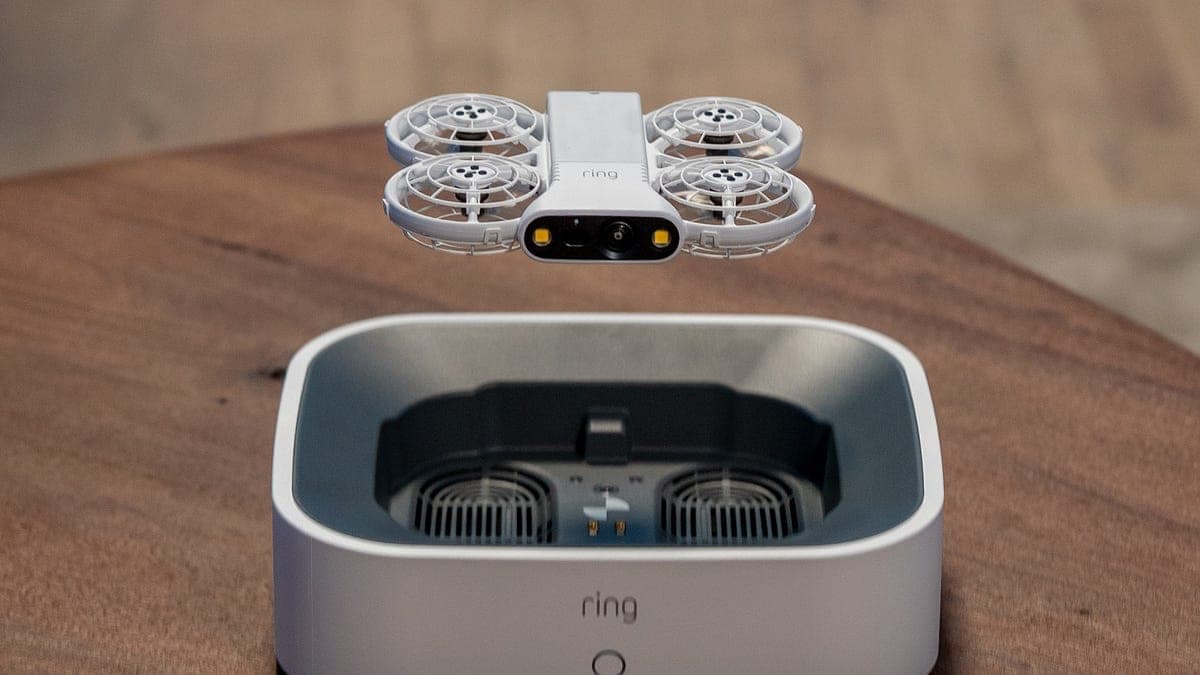
Amazon's Ring launches a $249.99 indoor security drone and a $999.99 patrol robot
Ring Robotics debuts with the Drone Cam, a flying indoor camera, and the Rover Cam, a security robot for businesses. Both run on a cloud system called AI Pilot.
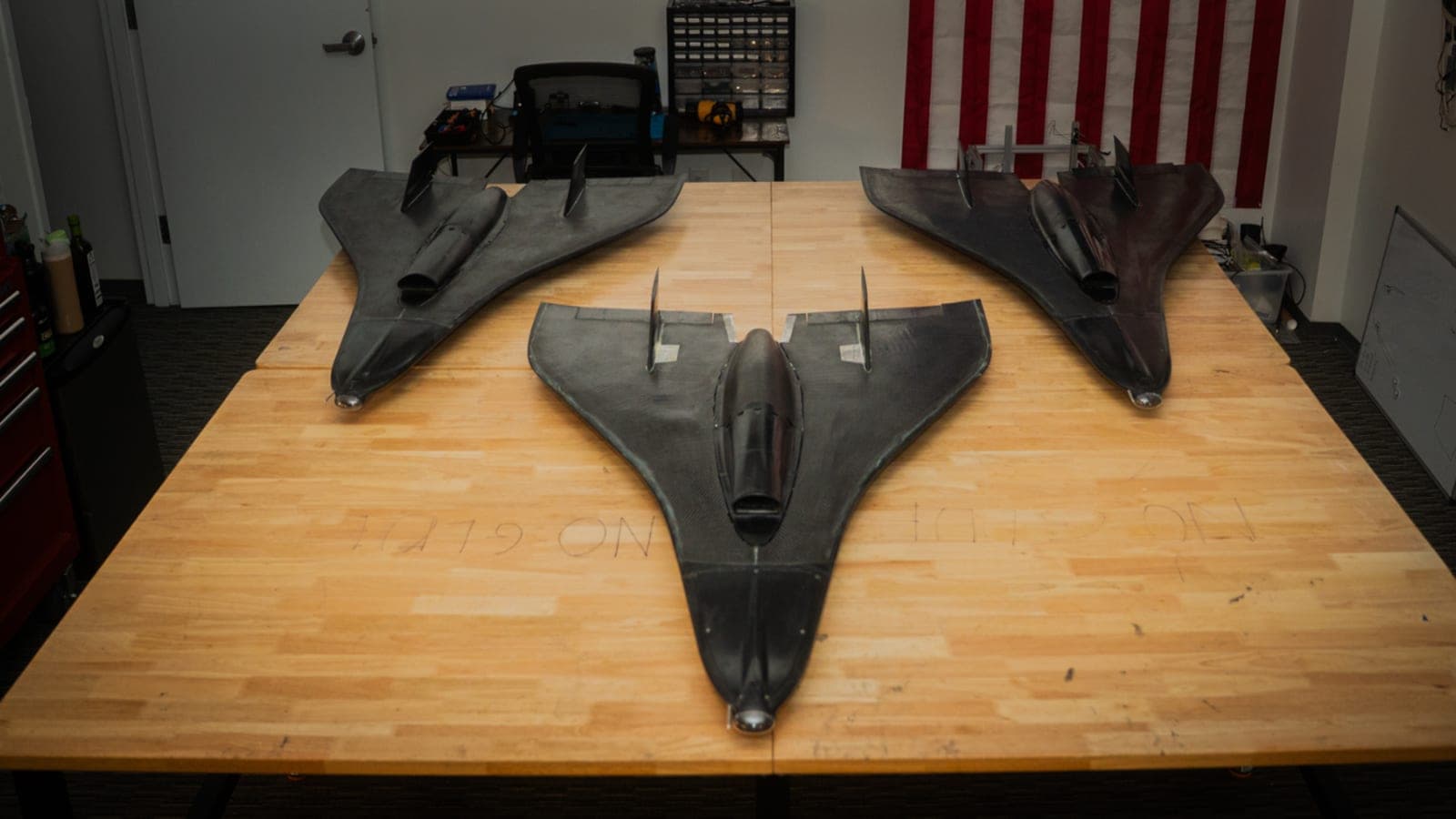
A Georgia Tech student says his dorm-built jet hit 491 mph
Tomas Salvo says his $13,000 Reaper jet aircraft beat the 465 mph radio-controlled record. Nobody has verified it yet.
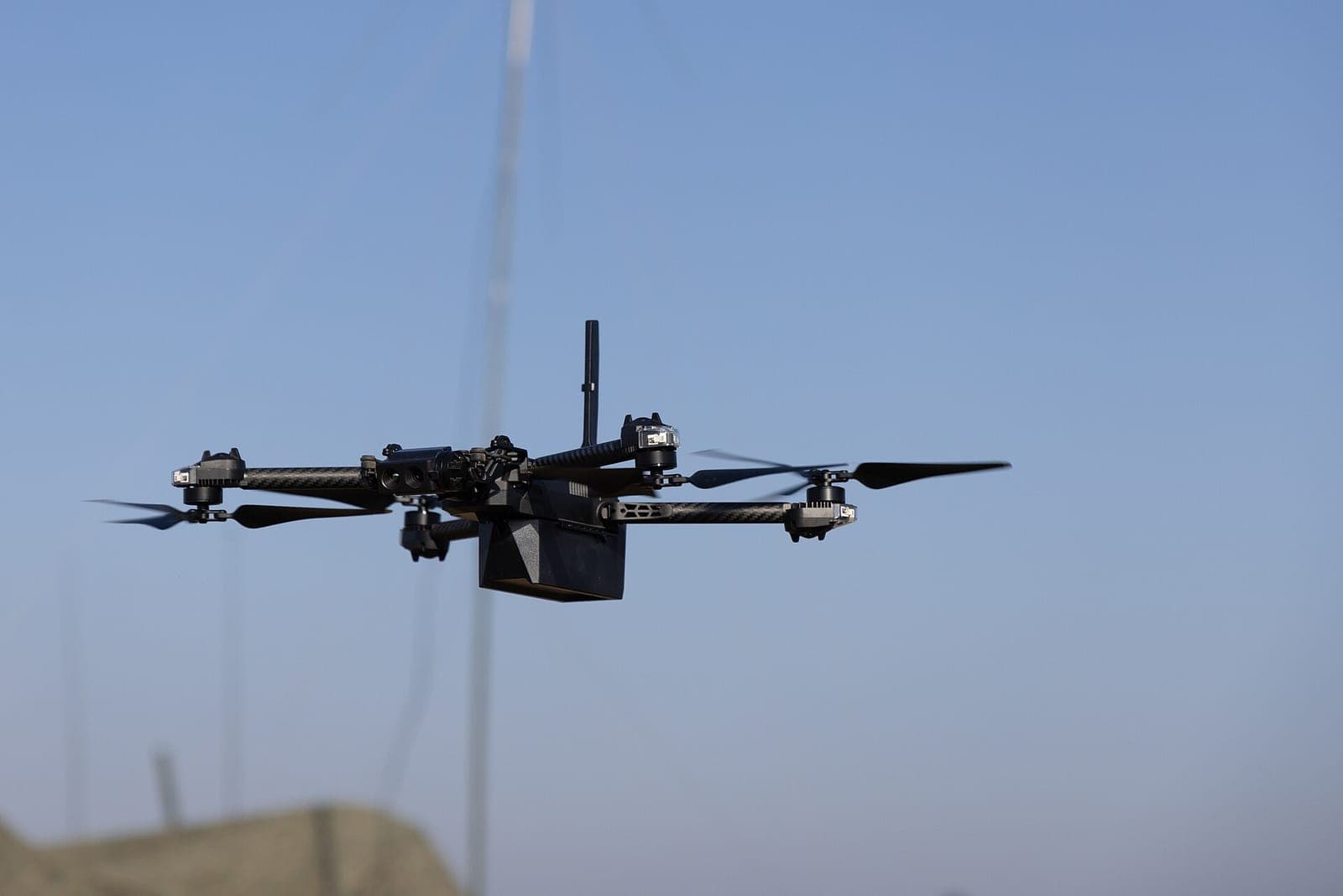
Axon invests $1.2 billion in Skydio and becomes its exclusive police drone seller
Axon's largest investment ever lifts its stake in drone maker Skydio to 37% and makes Axon the only seller of Skydio drones to police in the US and Canada.
More in brief
- Microsoft To Do will shut down on June 30, 2027Nov 21
- Medtronic's Hugo surgical robot cleared for general surgery in the USNov 21
- Google's Gemini now turns noisy fire radio into text for Watch DutyNov 21
- Internet Archive staff move to unionize with CWANov 20
- Etsy sellers are leaving over new terms that allow AI trainingNov 20
- Meta rethinks its 2030 net-zero goal as AI pushes emissions up 45%Nov 20