
Robots·News & analysis
Mercedes starts rolling out hands-free city driving in the US and Germany
Mercedes-Benz will let early customers in California and Germany try MB.Drive Assist Pro from December. The supervised system drives from point to point on city streets, and a wider rollout follows in 2027.

Tide
Ripple
Sci-fi
7/10
Reality
Shipping
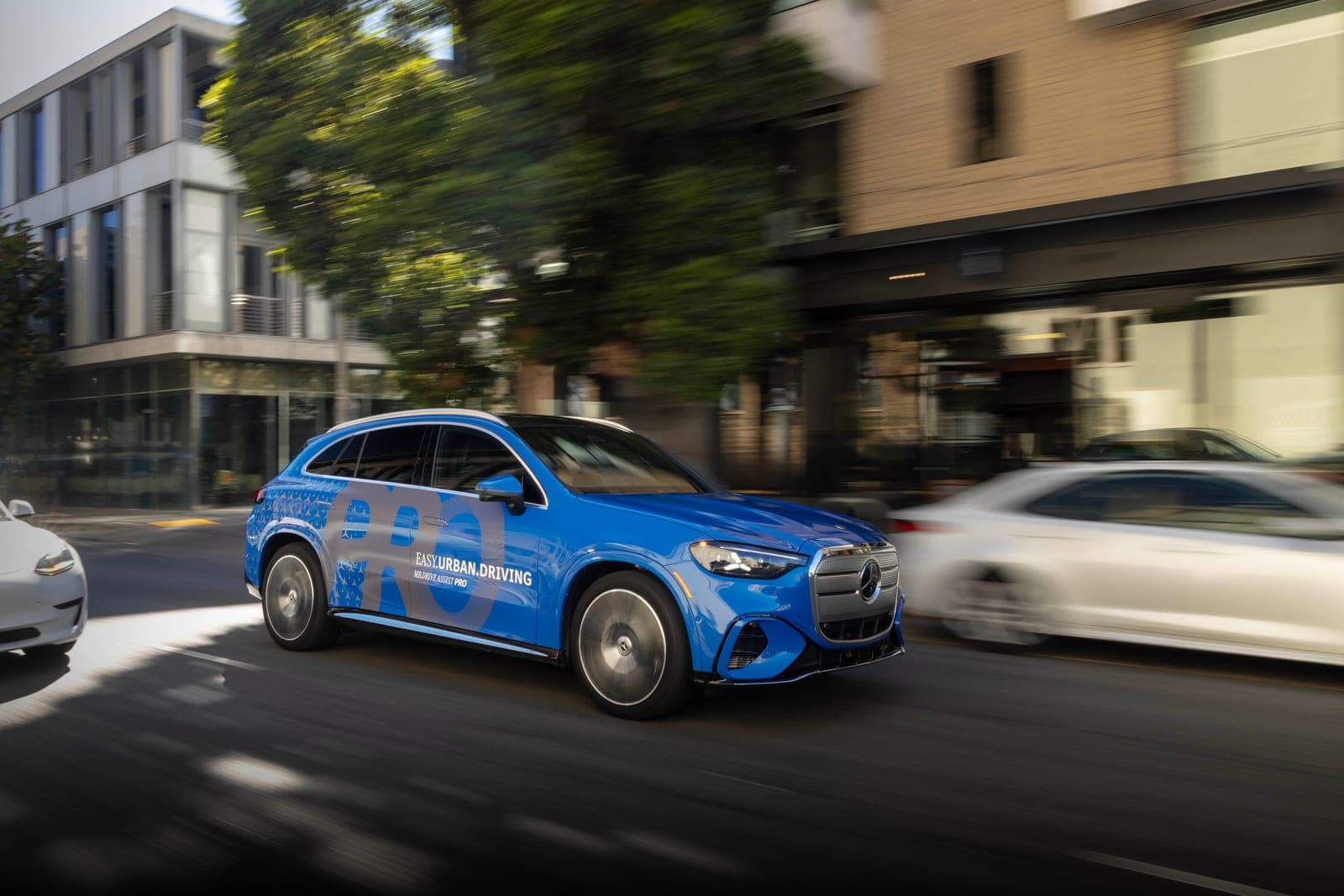
A car that waits patiently behind a double-parked robotaxi.How we rate
Mercedes-Benz will give early customers in California and Germany access to MB.Drive Assist Pro from December 2026.
The supervised Level 2 system steers, brakes and accelerates on city streets, but the driver must stay ready to take over. It runs on Nvidia's Alpamayo software and is already live in China. A wider rollout follows in the first half of 2027, and Mercedes has not shared final pricing.
What to know
- Mercedes-Benz opens early access to MB.Drive Assist Pro in California and Germany in December 2026, with a wider rollout in the first half of 2027.
- It is a Level 2 system: it steers, brakes and accelerates on city streets from point to point, but the driver must stay alert and ready to take over.
- It runs on Nvidia's Alpamayo driving software, with 10 cameras, 5 radars and 12 ultrasonic sensors, and arrives as an over-the-air update or a factory option.
- A separate Hands-Free Highway Assist comes to US models in spring 2027.
Mercedes-Benz is getting ready to hand customers a car that can drive itself through a busy city while you watch. MB.Drive Assist Pro starts an early-access program in California and Germany next month.
So what does it actually do, and how much of the driving can you really hand over?
What is MB.Drive Assist Pro?
It is a point-to-point driver assistance system. You pick a destination, and the car handles steering, braking and acceleration on city streets, not only on highways.
It is a Level 2 system. That is the second step on the six-level scale of self-driving, and it means you are still the driver.
The car can do the work, but you must stay attentive and be ready to take over at any moment. Mercedes calls the style "collaborative": you can nudge the wheel or the gas pedal without switching the system off.
Pressing the brake is different. That ends the automation.
When does it arrive?
The rollout comes in two stages:
- December 2026: some customers in California and Germany join an early-access program.
- First half of 2027: a wider rollout reaches model year 2026 CLA electric sedans, plus model year 2027 CLA, GLC electric, GLE, GLS and S-Class cars.
- Model year 2028: more Mercedes models in the US are built to support it.
The system is already live in China, where it launched with the new CLA in late 2025. The US and Germany come next.
How do you get it, and what does it cost?
Mercedes says you can order it at the factory or buy it digitally in the Mercedes-Benz store. It is delivered as an over-the-air update, which means the car downloads it through the internet, like a phone app update.
Plans come in one-month, one-year and three-year options. Mercedes has not shared final pricing. Early reports in January put the three-year plan at $3,950, but that is not confirmed for this rollout.
The 2027 cars already carry the hardware, so the feature can be switched on later without a trip to the workshop.
What is under the hood?
The system relies on 27 sensing parts spread around the car:
- 10 cameras: the car's eyes, watching lanes, signs, lights and people.
- 5 radars: sensors that bounce radio waves off objects to measure distance and speed.
- 12 ultrasonic sensors: short-range sensors, like the ones that beep when you park.
All of that feeds one main computer. Mercedes says it can deliver 254 TOPS, a measure of how many trillion simple calculations a chip can do each second, and it has more than 70 GB of memory.
The computer uses Nvidia's Orin processors and a 2.5 gigabit internal network, so the sensors and the brain can talk fast.
Who makes the driving decisions?
Nvidia's Alpamayo software does. It is an end-to-end system, which means one AI model takes in what the sensors see and picks the path the car should follow, instead of many small hand-written rules.
A separate rules-based system runs alongside it as a safety check. Nvidia's Halos safety software adds guardrails, such as stopping at a red light or waiting for an intersection to clear.
Nvidia's driving stack has been certified by Germany's TUV, a technical safety inspection body. If you want more on that stack, we covered how Volvo picked Nvidia for hands-free driving, and there is a page on Nvidia.
What was it like to drive?
Journalists who tried the system in San Francisco describe a car that behaves about as carefully as most people would want on city streets.
- Traffic rules: it obeyed traffic signals, stopped for stop signs and yielded the right of way.
- Obstacles: it passed double-parked cars, waited for an oncoming bus first, and went around stalled robotaxis.
- Four-way stops: it came to a full stop every time, then inched forward to show it was ready to go.
- Smoothness: acceleration and braking felt as smooth as a Waymo robotaxi.
In real life Picture a narrow street with a delivery truck stopped in your lane. Instead of you checking mirrors and judging the gap, the car waits for the oncoming bus and then slides around the truck.
It was not flawless. At one intersection a pedestrian was getting ready to cross while the system kept going into a right turn, and the driver had to brake. In another spot the driver steered around a parked truck unloading cargo.
The catch: the car sometimes asked for a hand on the wheel so it knew the driver was paying attention. The driver must stay in charge the whole time.
What does the screen tell you?
Mercedes changed the dashboard icon. In point-to-point mode you see a large green arrowhead instead of the green steering wheel with hands.
That is meant to cut down on confusion about whether your hands should be on or off the wheel.
Jason Hoff, CEO of Mercedes-Benz North America, said the company will keep developing in the autonomous driving space. "We've clearly shown that the autonomous driving sector is an area that we will continue to develop and [be] involved in," he said at a roundtable after the demos.
What about the highway?
City driving is not the only new feature. Mercedes is also bringing Hands-Free Highway Assist to the US in spring 2027.
It will be standard on the 2027 S-Class and AMG GT 4-Door Coupe, and an option on the 2027 CLA, GLB, C-Class, GLC and GLE.
It has clear limits:
- Where: only on a freeway, not in an exit lane, and away from construction zones or sharp curves.
- Speed: you cannot be driving faster than 85 mph.
- Lane changes: a feature called Proactive Lane Change Assist can move over to pass a slower car or to reach an upcoming exit on your route.
As with the city system, you have to watch the road and be ready to take over.
Why does it need a new operating system?
The feature runs on MB.OS, the car software platform Mercedes built for its newest models. Older cars hid dozens or even hundreds of small computers, called ECUs, each running one job such as the windows or the brakes.
Newer cars replace that pile with a handful of powerful central computers. One of them oversees driving, comfort, entertainment and driver assistance together, and that is what makes software-style updates possible.
Mercedes has long sold safety as part of its brand. It was one of the first carmakers to add airbags, and later added anti-lock brakes, stability control and adaptive cruise control.
The company also built the system in two different ways. In China it worked with the local specialist Momenta, while in the US and Germany it partners with Nvidia. Mercedes was the first Nvidia customer to bring the Drive AV system to US roads.
How does it compare with the rest?
Mercedes is not alone. General Motors has Super Cruise, Ford has BlueCruise and BMW has Highway Assistant, all hands-free systems that work on mapped highways.
Tesla's Full Self-Driving (Supervised) also handles city streets while the driver supervises. Mercedes already sells a Level 3 system called Drive Pilot, which can let drivers look away in limited situations, but only in certain cars and places.
The big picture: Mercedes is placing a middle bet. It is not a robotaxi, and it is more than a highway helper.
What it means for you
- If you own a 2027 Mercedes: the hardware is probably already in your car, and the software arrives as an update.
- If you live in California or Germany: you could see early-access cars on the road from December.
- If you are shopping: plan for a subscription, and wait for the final price.
- If you drive it: keep your eyes on the road. The system is a helper, not a chauffeur.
The bottom line
Mercedes is moving its city-driving assistant from China to the US and Germany. It is still a supervised system, so you remain responsible for every trip. The real test will come as more people try it on ordinary streets in 2027.
Key facts
- Early access
- December 2026, California and Germany
- Wider rollout
- First half of 2027
- Sensors
- 10 cameras, 5 radars, 12 ultrasonic
- Automation level
- Level 2, driver supervises
- Driving software
- Nvidia Alpamayo
Got questions?
Quick answers, plain wordsWhat is MB.Drive Assist Pro?
It is Mercedes-Benz's point-to-point driver assistance system. On city streets it steers, brakes and accelerates for you, obeys traffic signals and yields the right of way, while you keep watching the road.
When can you get MB.Drive Assist Pro?
Some customers in California and Germany get early access in December 2026. A wider rollout follows in the first half of 2027, and more models are added with model year 2028.
Which Mercedes models get it?
The list includes the model year 2026 CLA electric sedan and the model year 2027 CLA, GLC electric SUV, GLE, GLS and S-Class. More cars follow with model year 2028.
Is it self-driving?
No. It is a Level 2 system, so you are still the driver. It is not a robotaxi like Waymo, and you must be ready to take over at any moment.
Does it need a subscription?
Yes. Mercedes plans one-month, one-year and three-year options. Early reports in January put the three-year plan at $3,950, but Mercedes has not shared final pricing.
How do you get it?
You can order it at the factory, or buy it digitally in the Mercedes-Benz store. It arrives as an over-the-air update, which means it is sent to the car through the internet.
What technology is behind it?
Nvidia's Alpamayo software makes the driving decisions, and a rules-based safety check runs next to it. The computer uses Nvidia's Orin processors.
What happens if you touch the pedals or wheel?
Steering or accelerating does not switch the system off. Pressing the brake does.
Is the system already available anywhere?
Yes. It is already live in China, and the US and Germany come next.
What is Hands-Free Highway Assist?
It is a separate feature for freeways that arrives in the US in spring 2027. You can take your hands off the wheel, but you still have to watch the road.
SourcesMercedes-Benz
Topics and tagsNVIDIA, Self-driving, mercedes benz, nvidia
Go deeper
Earlier on this story
Related stories
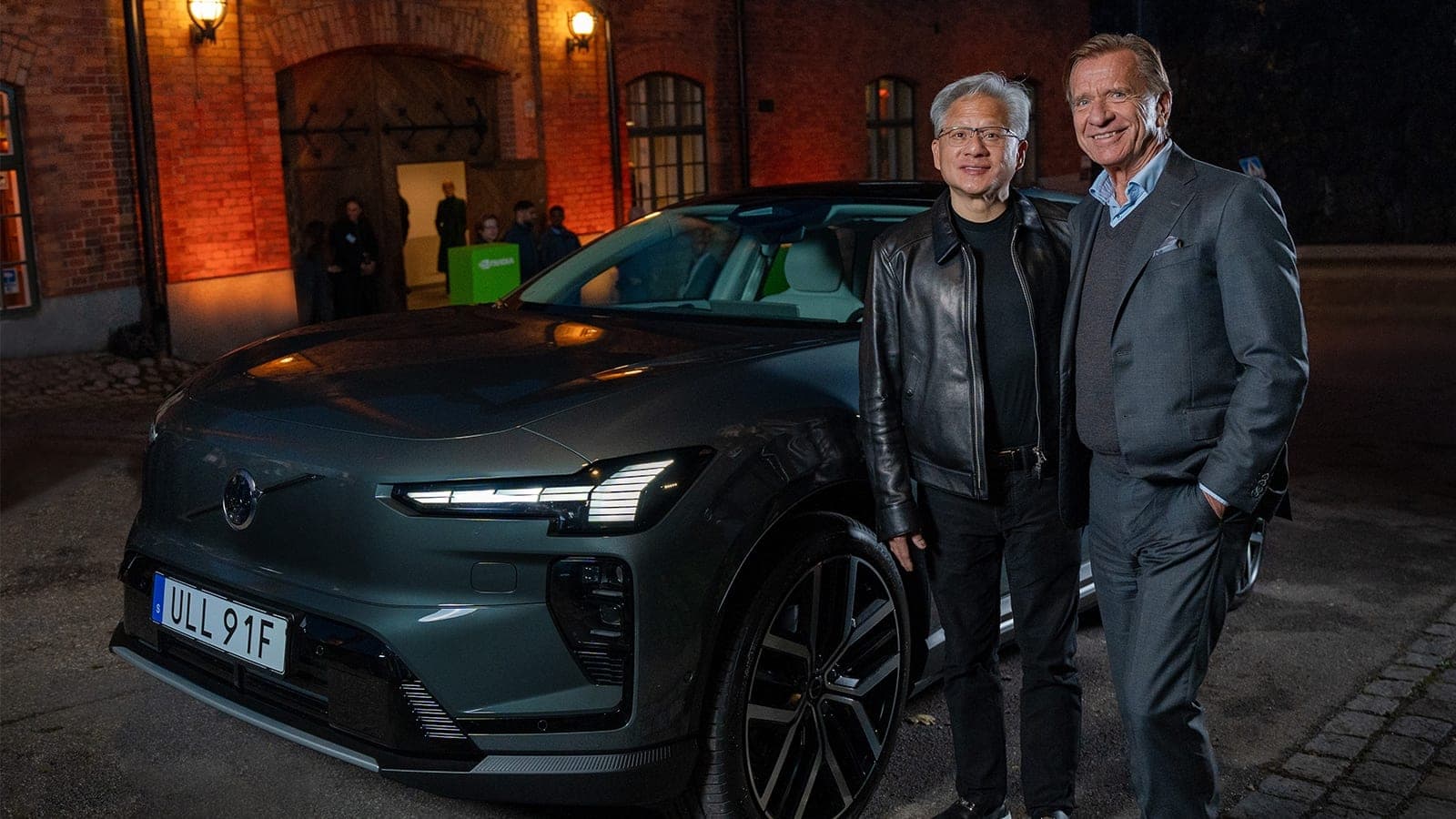
Volvo picks Nvidia to bring hands-free, door-to-door driving by 2030
Volvo Cars is expanding its partnership with Nvidia to build a supervised system that can drive from your door to your destination, city streets included, before the end of the decade.
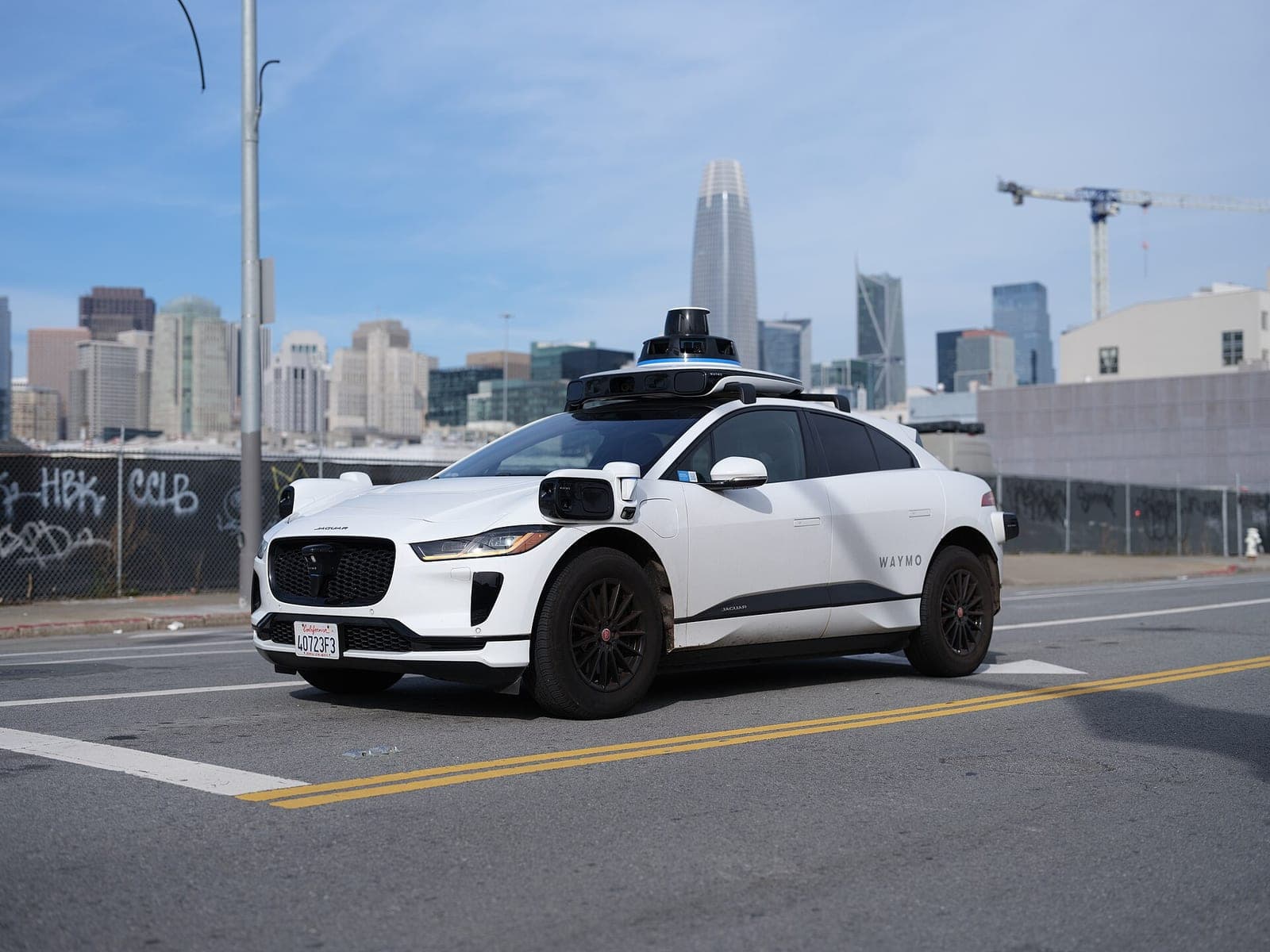
US regulators question whether Waymo's school bus fix worked
The US traffic safety agency opened a new review after most reported school bus violations happened after Waymo's November 2025 software fix.
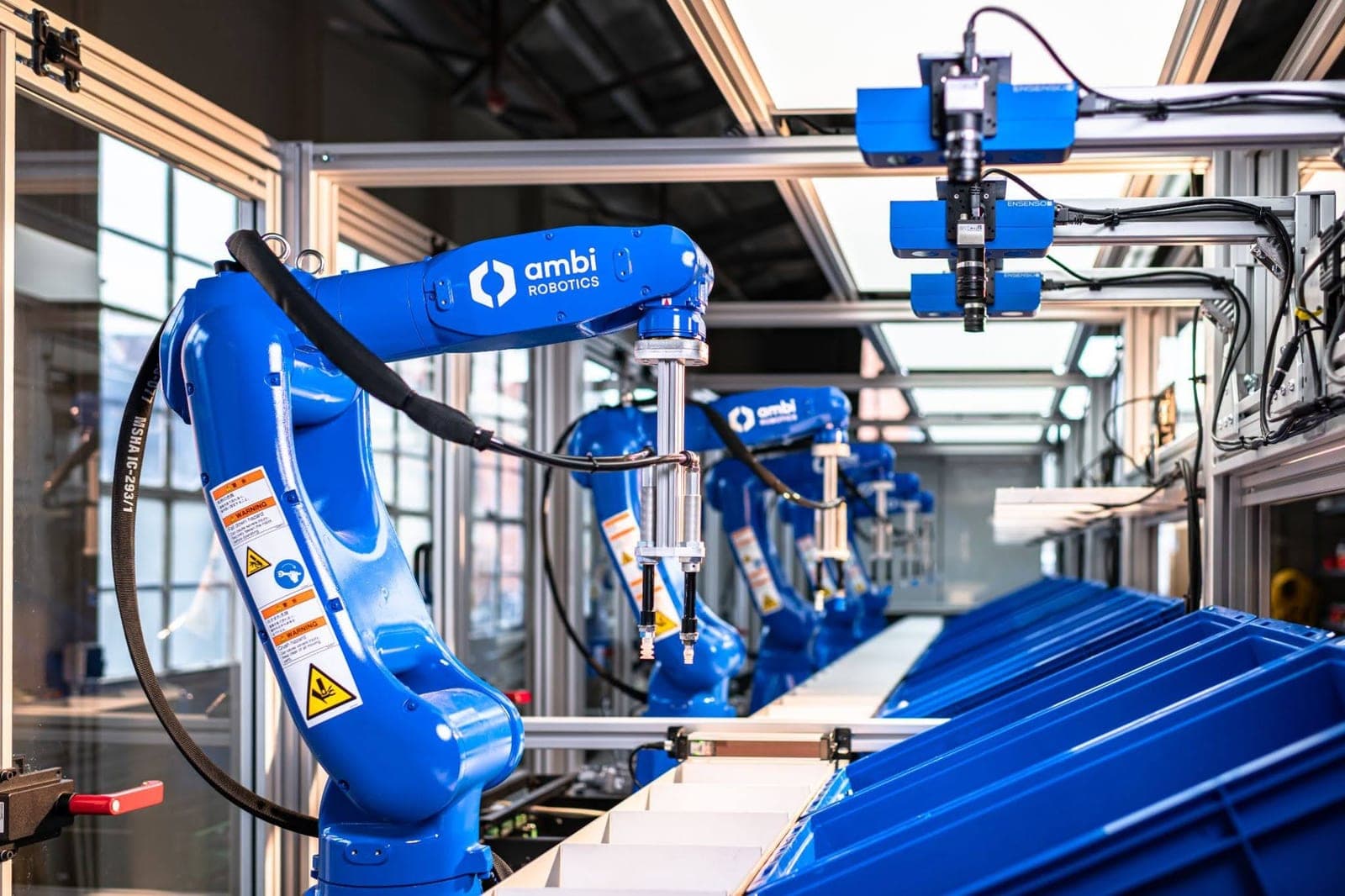
NVIDIA unveils GR00T 2 and Isaac Lab 3.0 to teach robots delicate work
At the Conference on Robot Learning, NVIDIA introduced an open robot model, a faster simulator and new benchmarks. The goal is robots that can handle gears, cables and small parts.
More in brief
- ULA Vulcan rocket fails and destroys 40 Amazon Leo satellitesNov 16
- Google Maps can now plan whole trips and book appointmentsNov 16
- Apple adds a video podcasts section to the Apple TV appNov 16
- Blue J raises $176 million to put AI agents to work on tax returns and IRS lettersNov 16
- FBI warns hackers are using the ARTEX AI tool to attack organizations worldwideNov 16
- Apple opens a 200,000-person study on how people use AI for healthNov 16