
Robots·News & analysis
Tesla starts rolling out FSD v15 with a new Reality View
Tesla began sending Full Self-Driving (Supervised) v15 to its first customers on November 21. It claims a 25x better critical intervention rate and adds a live view of what the car plans to do.

Tide
Wave
Sci-fi
7/10
Reality
Shipping
A car that draws its own plan on the dashboard.How we rate
Tesla began rolling out FSD v15 on November 21 to a first group of customers, claiming a 25x better critical intervention rate and adding a live Reality View of the drive.
Tesla gave no baseline for the 25x, and it did not say which cars get v15 first. The software is still supervised, so drivers must stay alert. Elon Musk says the wide release comes in December.
What to know
- Tesla said on November 21, 2026 that FSD v15 is starting to roll out, first to a group of customers, with a wider release expected in December.
- Tesla claims 25x better handling of safety critical cases. The release notes say this means the critical intervention rate, but Tesla gave no actual baseline number.
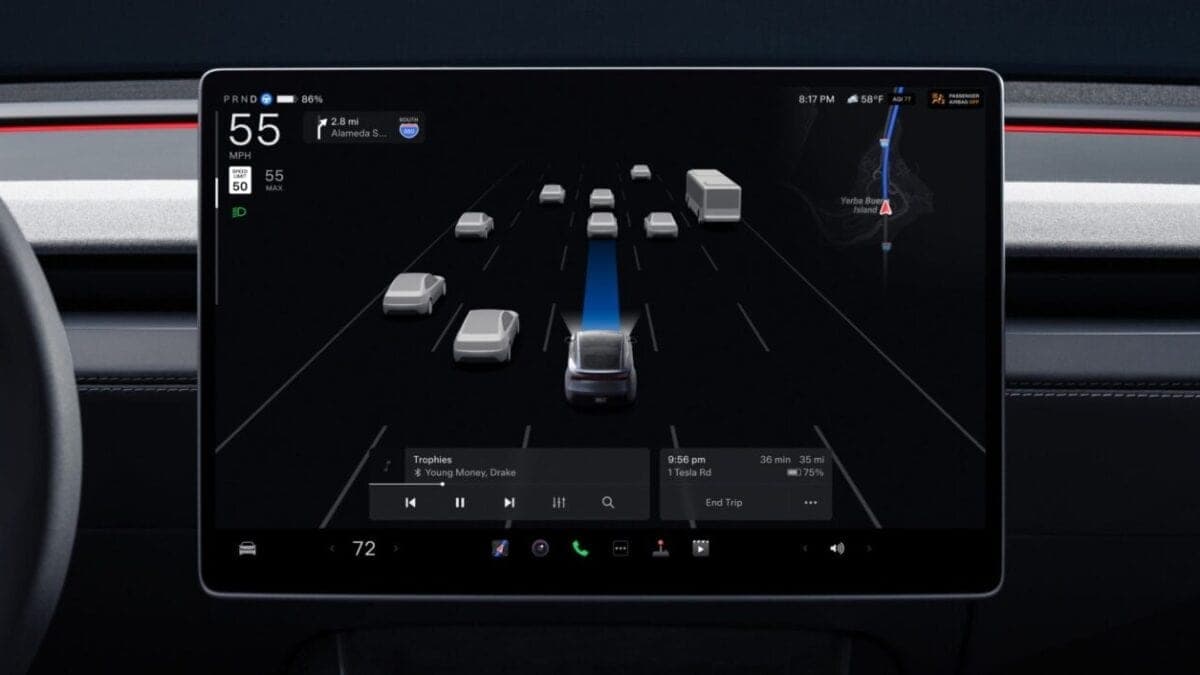
- A new live view, called Reality View, shows an overhead picture of the road and what the car plans to do next.
- Tesla did not say which cars or countries get v15 first. It is still FSD (Supervised): the driver must stay attentive.
Tesla announced on Saturday, November 21, 2026 that Full Self-Driving (FSD) v15 is "now starting to roll out." The headline claim is "25x better handling of safety critical cases." So what is actually new, and what has Tesla not said yet?
What did Tesla announce?
Tesla posted the news on X in the afternoon, and its AI team's account followed with the full release notes. The first group of customers is getting FSD (Supervised) v15. Tesla did not say how many people are in that group or which regions come first.
This is an early rollout. Elon Musk said on X, in the early hours of the same day, that "FSD V15 goes to wide release next month." That means December. Musk gave no day.
Tesla says v15 "upgrades every part of the end-to-end driving network." End-to-end means one big AI model sees the camera images and decides how to steer, brake and accelerate. Older systems split that work into many small, hand-written pieces.
What does the 25x claim mean?
The biggest number in the notes is 25x. Tesla says an upgraded vision encoder improves the "critical intervention rate" by 25 times. A vision encoder is the part of the AI that turns raw camera pictures into a compact description of the road. A critical intervention is a moment when the driver has to step in to prevent a serious problem.
That is a useful measure. The fewer times a human must grab the wheel, the closer a car is to driving alone. But there is a catch.
The catch: Tesla gave the multiplier and not the starting number. Without the baseline, nobody can tell whether 25x means a few thousand miles between interventions or far more. It is also Tesla's own metric, not a test by an outside group.
Tesla says the same vision encoder is shared by FSD, its Robotaxi service and its Optimus humanoid robot. It was trained on "millions of internet videos," which Tesla says helps the model handle situations it has not seen before.
In real life Think of a student who has read thousands of travel blogs before a first trip abroad. They still make mistakes, but fewer surprises catch them off guard. A model trained on lots of video is meant to work the same way.
What is Reality View?
The most visible change is on the screen. Tesla calls it Reality View in its announcement and "Tesla Augmented Reality" in the release notes.
Tesla says it is a "real-time generative driving visualization." In plain words, the computer draws a live picture of the street from a virtual camera above your car. It does not only show nearby cars and lane lines. It also shows the path the car plans to take, so you can "see & control what FSD is planning to do."
- Layouts: Full-screen, next to the map, or a split view.
- Navigation: You can follow upcoming turns from the view.
- Compute: Tesla says it replaces many separate model signals with one visualization that uses less total computing power.
If the picture matches what the car does, supervising gets easier. You can spot a wrong plan before the car acts on it. That is the point of the feature.
What else changes in the release notes?
Tesla's list is long. Many items target situations where drivers say FSD struggles today.
- Road signs and objects: Better detection of road signs, small animals, road debris and chains.
- Potholes and water: Better detection of potholes and road details, and avoidance of deep standing water.
- Speed handling: Better speed choices for each driver profile, in school zones, at speed limits and in bad weather. Tesla also says FSD can now slow down for speed cameras.
- Navigation: A route model learned from fleet data about which routes drivers prefer. For now it covers only the start and end of trips. Tesla says later v15 releases will cover the whole route.
- Parking: The car picks a parking spot using your own parking history, and the map shows several parking options near your destination.
- Autoshift: Gear choices (drive or reverse) now come from FSD's own predictions.
- Bike Rack Mode: FSD can run with a bike rack or similar hitch accessory on the car. It pulls over near the destination without reversing and turns off Autopark and Summon, the features that park the car or bring it to you.
Musk also said in replies on X that v15 should fix some lane behavior owners complain about, such as refusing HOV lanes and leaving merges to the last second. He added that the new interface would redraw what the car sees in a way he found hard to describe.
Why do signs and potholes matter so much?
They are known weak spots. In a test published in September, the Brussels nonprofit Johanna.be found that FSD went over the limit in 55% of the 30 km/h zones it drove through. It averaged 44 km/h. In most of those zones, the car's screen showed a 50 km/h limit, so the car had not read the sign.
Potholes are a long-running promise. Musk said in August that pothole avoidance was "coming soon." It was already on the v14.3.13 list of upcoming improvements.
School zones are under review too. The US safety regulator, NHTSA, is looking at a petition that claims Tesla's Robotaxis speed through active school zones. It also opened an investigation in October 2025 into FSD traffic-law violations such as running red lights.
So v15 aims at the right problems. Whether it solves them is something real driving will show.
What about driver monitoring?
One change goes the other way. Tesla says it improved driver monitoring by making its camera-based attention check work with hats and sunglasses. That part is good news for drivers who got false alerts.
Tesla also says it is decreasing strictness of monitoring "in higher speed driver profiles." That comes at a time when Tesla is tightening monitoring in Europe at regulators' request. The notes do not say how much looser it gets.
This is still FSD (Supervised). Tesla's notes say drivers must stay attentive and ready to take over. Musk said in April that v15 would far exceed human levels of safety, even without supervision. Today's release does not drop the word "Supervised." Learn how the levels differ in our guide to the levels of self-driving.
Which cars get v15?
Tesla did not say which vehicles come first. It has told investors that its AI4 computer, also called HW4, is enough to run v15. Tesla described v15 as a major rewrite built for AI4.
Older cars have the HW3 computer. They run a separate, smaller software branch called v14.3 Lite, which Tesla describes as the intelligence of HW4's v14 squeezed onto older hardware. Musk has called v15 the "large model," and nothing in today's posts says HW3 can run it.
Tesla's European account also said on November 20 that FSD is approved in Italy and that the rollout begins soon. Musk's post did not say whether the December wide release reaches Europe. The Netherlands was the first European country to approve FSD, in April.
What is next?
Three things to watch.
- The December wide release: Musk said "next month." It commits Tesla to shipping software, not to every car getting it.
- Real-world results: Drivers will report how v15 handles signs, potholes and school zones. Tesla's 25x number will stay hard to check until it shares a baseline.
- Robotaxi: Musk has tied the growth of Tesla's driverless fleet to v15, with a target of late 2026 or early 2027. See more in our Tesla coverage.
What it means for you
- If you own a Tesla with AI4 and FSD: Watch for the update in the next weeks. Read the release notes when they arrive, and keep your hands ready.
- If you drive an older HW3 car: Tesla has not said v15 is coming to you. Expect to wait for news.
- If you wear a hat or sunglasses: The attention check should now see you better.
- If you are thinking of buying FSD: The subscription was $99 a month on November 21. Wait for real-world reviews of v15 first.
The bottom line
Tesla's v15 is a big software step. It brings a much clearer on-screen view, fixes for known weak spots and a claim of 25x fewer critical interventions. The claim has no baseline, the rollout is early, and the car still needs a human watching the road. December will show how many drivers get it, and how it drives.
Key facts
- Version
- FSD (Supervised) v15
- Rollout start
- November 21, 2026, first group of customers
- Headline claim
- 25x better critical intervention rate (Tesla's own metric)
- New feature
- Reality View, a live overhead view of the drive
- Wide release
- December 2026, per Elon Musk
Got questions?
Quick answers, plain wordsWhat is Tesla FSD v15?
It is the next major version of Tesla's Full Self-Driving (Supervised) software. Tesla says it upgrades every part of the end-to-end driving network, the single AI model that turns camera images into steering, braking and speed.
When can I get FSD v15?
Tesla started sending it to a first group of customers on November 21, 2026. Elon Musk said on X that FSD v15 goes to wide release next month, which means December. Tesla has not said when your car will get it.
Which Teslas get FSD v15?
Tesla has not said which vehicles get it first. It has told investors that its AI4 computer, also called HW4, is enough to run v15. Older cars with the HW3 computer run a smaller version of v14, and Tesla has not said they will get v15.
What does the 25x claim mean?
Tesla's release notes say the new vision encoder improves the critical intervention rate by 25 times. That is how often a driver has to step in to prevent a serious problem. Tesla gave only the multiplier, not the starting number, so you cannot tell how many miles that means.
Is FSD v15 fully self-driving?
No. It is still called FSD (Supervised). The driver must pay attention and be ready to take over at any moment, and Tesla's notes say it does not make the car autonomous.
What is Reality View?
It is a new live picture on the center screen. It shows an overhead view of the car and its surroundings, drawn as you drive, plus the path the car plans to take. You can show it full-screen, next to the map or in a split layout.
What is Bike Rack Mode?
It lets FSD run while a bike rack or a similar hitch accessory is on the car. Tesla says it pulls over near the destination without reversing, and it turns off Autopark and Summon.
Does FSD v15 look for potholes?
Yes, Tesla lists better detection of potholes and road details, and avoidance of deep standing water. It also lists small animals, road debris and chains.
Does v15 change driver monitoring?
Yes. Tesla says its camera-based attention check now works with hats and sunglasses. It also says it is decreasing strictness in higher-speed driver profiles.
How much does FSD cost?
Tesla's FSD page listed the subscription at $99 a month on November 21, 2026. Tesla has not announced a price change tied to v15.
SourcesTesla on X
Topics and tagsTesla, Self-driving, tesla, fsd
Go deeper
Related stories
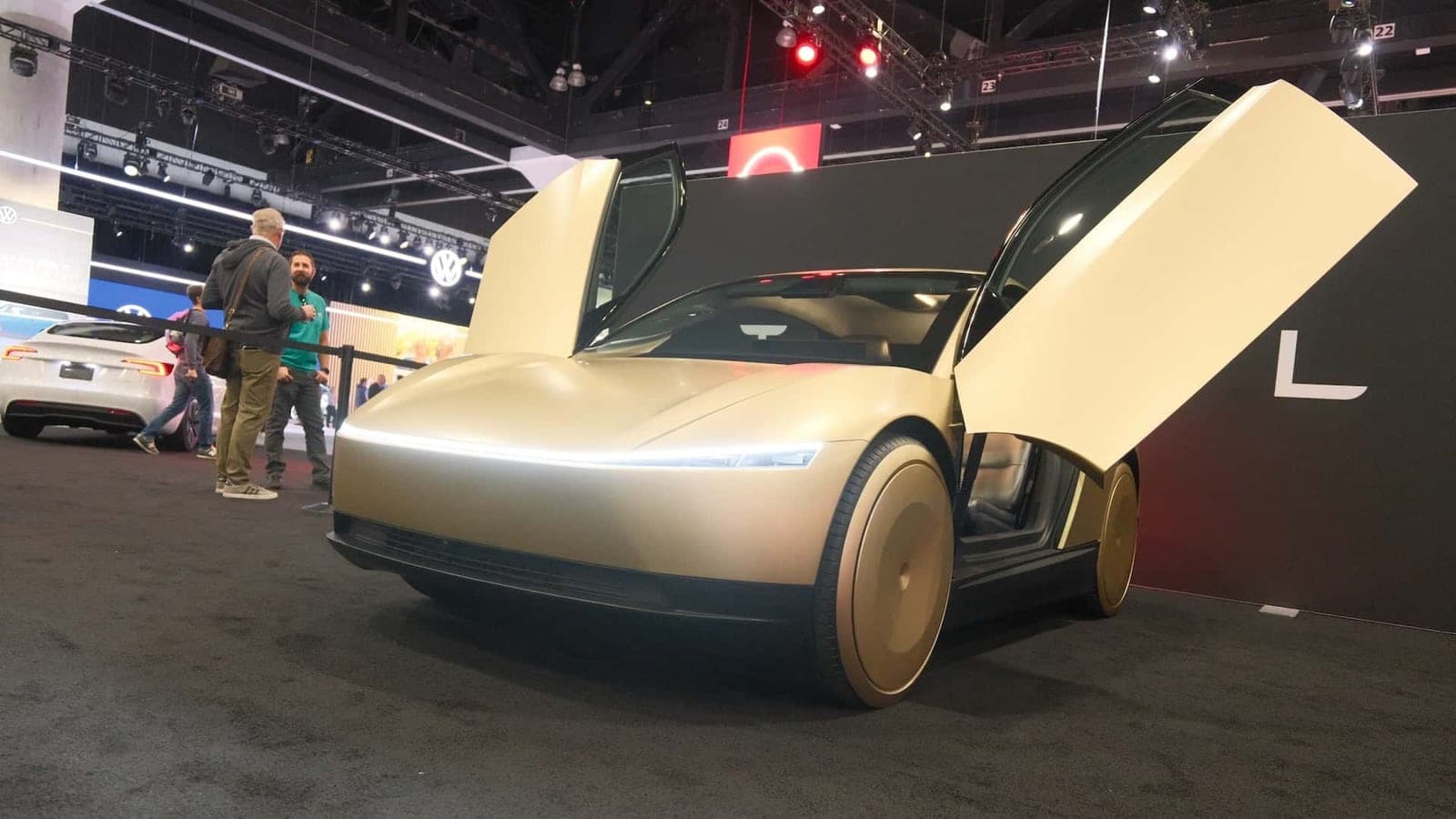
Tesla opens Cybercab orders at $29,990, plus $299 a month to drive it
Tesla is inviting select customers to buy a Cybercab for personal use. It costs $29,990, but needs a $299 monthly subscription and only works in Robotaxi areas.
Tesla launches its robotaxi service in San Antonio, its eighth city
Tesla's Robotaxi is live in San Antonio with a 274 square mile launch map. The big question is how much of that map riders can actually book.
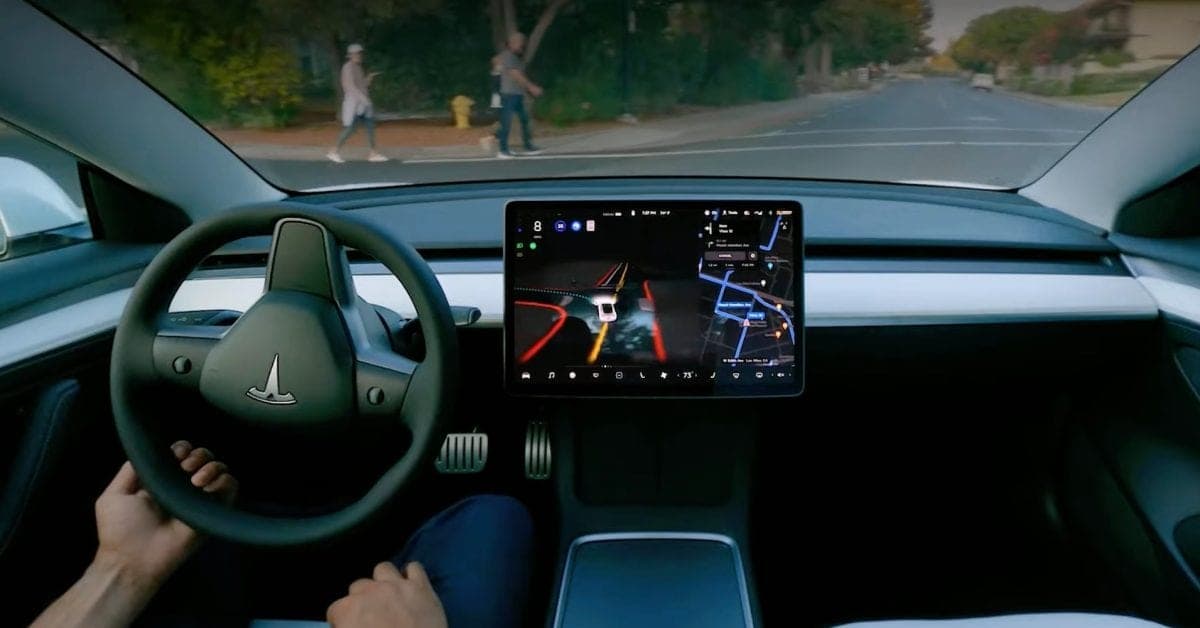
Turo will let renters filter for Teslas with Full Self-Driving
Starting October 28, US renters on Turo can search for Teslas with verified Full Self-Driving (Supervised), and hosts get a free month of the software.
More in brief
- ASELSAN's EJDERHA electromagnetic weapon disables 51 drones with one commandNov 21
- Microsoft To Do will shut down on June 30, 2027Nov 21
- Medtronic's Hugo surgical robot cleared for general surgery in the USNov 21
- Google's Gemini now turns noisy fire radio into text for Watch DutyNov 21
- Internet Archive staff move to unionize with CWANov 20
- Etsy sellers are leaving over new terms that allow AI trainingNov 20