
Robots·News & analysis
Tesla opens Cybercab orders at $29,990, plus $299 a month to drive it
Tesla is inviting select customers to buy a Cybercab for personal use. It costs $29,990, but needs a $299 monthly subscription and only works in Robotaxi areas.

Tide
Wave
Sci-fi
8/10
Reality
Shipping
A two-seat car with no wheel, parked in your driveway.How we rate
Tesla said on Friday that select customers can now order a Cybercab for personal use at $29,990, with delivery estimated for December in Austin.
The car only works with a required $299 a month Autonomy Subscription, and only inside Tesla's Robotaxi areas in Texas and Florida. Tesla has not said when orders open to everyone. A federal safety review of the car's missing pedals is still unresolved.
What to know
- Tesla's Robotaxi account said on Friday, November 13, 2026, that select customers are being invited to buy a Cybercab for personal use.
- The car costs $29,990 before taxes, with a $1,000 non-refundable deposit and an estimated December 2026 delivery in Austin, Texas.
- A $299 a month Autonomy Subscription is required to operate it, and the first month is included.
- The Cybercab only works in Tesla's supported service areas, which for now means its Robotaxi cities in Texas and Florida.
Tesla announced on Friday, November 13, 2026, that "select customers" can now order a Cybercab for personal use. The price is $29,990. So what do you actually get for that, and what is the catch?
What did Tesla announce?
Tesla's official Robotaxi account posted on X that select customers are being invited to buy a Cybercab. It shared screenshots of the order page and of the invitation email.
The order page lists the car at $29,990 before taxes. Buyers put down a $1,000 deposit that cannot be refunded. The page shows an estimated delivery of December 2026 in Austin, Texas.
Tesla said initial availability is limited. It has not said when, or if, orders will open to everyone.
What is the Cybercab?
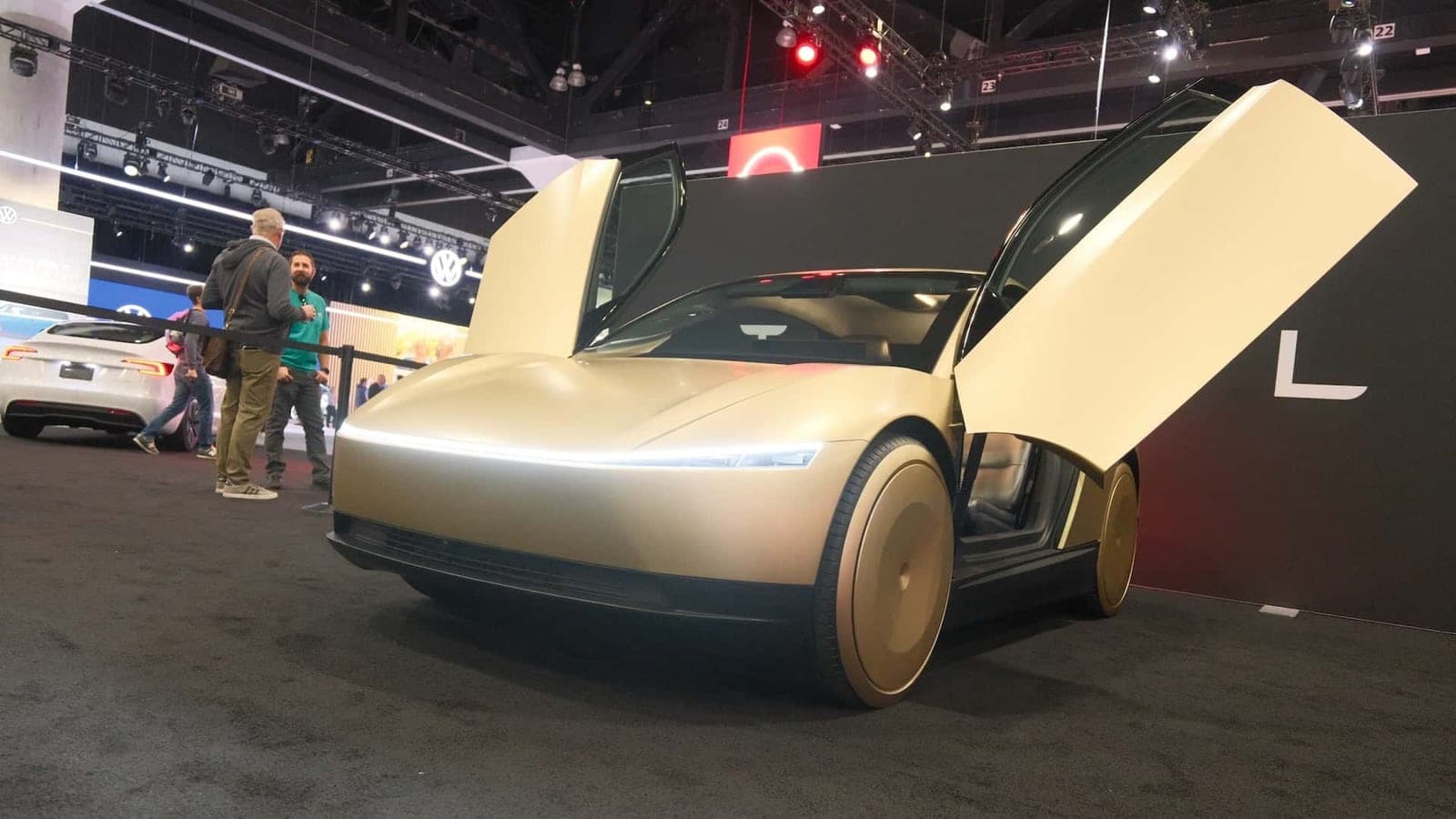
The Cybercab is Tesla's two-seat car with no steering wheel and no pedals. Tesla calls it "fully autonomous", which means the car is meant to do all the driving by itself. You manage rides in the Tesla app.
Here is what the order page lists:
- Seats: Two.
- Screen: A 21-inch touchscreen in the center.
- Cargo space: 20.1 cubic feet, about the size of a big trunk.
- Controls: No steering wheel and no pedals.
Elon Musk first showed the car in October 2024 and promised a price below $30,000. He repeated that target in February 2026 and said customers would get cars before 2027. At $29,990, the price hits the target by a hair. It also makes the Cybercab about $7,000 cheaper than a Model 3.
What is the $299 a month catch?
The car does not move unless you also pay for an Autonomy Subscription. That is a monthly plan that unlocks the self-driving software. It costs $299 a month, and the first month is included.
It is not a box you can untick. It is pre-checked on the order page. The fine print says the "subscription and regular vehicle maintenance" are required to operate the car. The email says the same: subscription required for operation.
Here is how the math looks:
| Item | Cost |
|---|---|
| Car, before taxes | $29,990 |
| Subscription, per year | $3,588 |
| Five years, first month free | About $47,600 |
That total leaves out insurance, maintenance, taxes and charging. For comparison, owners of current Teslas pay $99 a month for the Full Self-Driving subscription, where a human still has to supervise. The new plan costs three times as much.
In real life Think of a printer that is cheap to buy but needs a monthly ink plan to print a single page. The Cybercab works the same way, except the plan is for the driving.
Where can the Cybercab go?
Only inside Tesla's "supported service areas". The email says so in its fine print. Those are the places where Tesla runs its Robotaxi service.
Tesla runs the Robotaxi in eight cities: Austin, Dallas, Houston, Fort Worth and San Antonio in Texas, and Miami, Orlando and Tampa in Florida. Outside those zones, the car will not operate.
A geofence is a virtual fence drawn on a map. The robotaxi picks up and drops off riders only inside it. An independent tracker named Koby Pierce tested thousands of addresses in the Robotaxi app. He found that the places where Tesla accepts rides are only 59% to 78% of the advertised areas in the six cities he checked. In Austin, where these cars are being delivered, it is about 59%.
The catch: a big map on paper does not mean every street on it works. Railroad crossings are one reason. In Houston, the creator of Robotaxi Tracker saw the app quote about 40 minutes for a trip of two blocks downtown.
Who is getting one first?
Tesla has not named the buyers. The invitations go to hand-picked customers. The delivery estimate points to Austin, and the Robotaxi service already runs there, so early buyers are likely to be in that market. That is my guess from the clues, not something Tesla has said.
The Cybercabs on the road today belong to Tesla's own Robotaxi service. This would be the first time ordinary people own one. Waymo, Zoox and Tesla all run driverless fleets today, but the cars belong to the companies, not to individuals.
Tesla's announcement did not say whether owners can add their car to the Robotaxi fleet and earn money when they are not using it. Musk has talked about that idea for years. It is one of the open questions.
What about the regulators?
The Cybercab has no steering wheel, no pedals and no side mirrors. US safety rules were written for cars that have them. NHTSA, the federal road safety agency, asked Tesla to explain how it decided the car meets those standards.
Tesla answered on October 30 and asked that its whole response be kept confidential. NHTSA has not ruled. Tesla is taking orders anyway.
The federal government does allow some exemptions for autonomous vehicles, which could work in Tesla's favor. How this ends is not known yet.
How does this compare with other carmakers?
No one else sells a driverless car to a regular buyer yet. Rivian plans to add lidar, a laser sensor that measures distance, and a new in-house chip to its R2 so it can drive itself someday. General Motors plans an eyes-off version of Super Cruise in the Cadillac Escalade IQ in 2028. It will work on highways first.
Tesla's own owners have a different question. Many paid for Full Self-Driving over the years and are waiting for their Model 3 and Model Y cars to drive unsupervised. Musk has said that will come in the second quarter of 2027, in areas where the Robotaxi service operates. The Cybercab and current Model Y cars use the same AI4 computer, which is the chip that runs the driving software.
Marques Brownlee, the tech reviewer known as MKBHD, made a public bet after the 2024 reveal. He said he would shave his head on camera if Tesla sold the Cybercab for $30,000 before 2027. With invitations out at $29,990 and a December delivery estimate, that bet is getting closer to a result.
Does the math work for you?
It depends on how you move around. If you spend well over $299 a month on ride-hailing, and you live and work deep inside a Robotaxi zone, the numbers can work on paper. Handing the driving to the car also gives you those hours back.
There are limits, though. A car you own has to be parked when you arrive, which a ride-hail car does not. It also cannot take you to a friend's place just outside the zone. And if the car avoids a railroad crossing, a short drive can turn into a long one.
With a ride-hail service, those problems belong to the company. With a Cybercab, they belong to you. That is the trade: you get a car that is always yours, and you carry the small headaches too.
What it means for you
- If you live in Austin or another Robotaxi city: Check whether your home and the places you go sit inside the zone where the app takes rides. The car only works there.
- If you are weighing the cost: Add up the $299 a month, not just the sticker price. Compare it with what you spend on rides today.
- If you own a Model 3 or Model Y: Nothing changes today. Tesla still says unsupervised driving for your car is coming in 2027.
- If you live anywhere else: You cannot use a Cybercab yet. Tesla has said nothing about other areas.
The bottom line
Tesla has put a price on a driverless car you can own: $29,990 plus $299 a month. It is a real step, but it is small and limited. Only invited buyers can order, only in a few cities, and a federal safety question is still open. The first deliveries in December will show how it works outside a stage demo.
Key facts
- Price
- $29,990 before taxes
- Subscription
- $299 a month, first month included
- Deposit
- $1,000, non-refundable
- Delivery
- Estimated December 2026, Austin, Texas
- Seats
- Two, no steering wheel or pedals
Got questions?
Quick answers, plain wordsHow much does the Tesla Cybercab cost?
The order page lists $29,990 before taxes. You also pay a $1,000 non-refundable deposit when you order, and a required $299 a month Autonomy Subscription to operate the car.
Can anyone order a Cybercab today?
No. Tesla says select customers are being invited, and that initial availability is limited. Tesla has not said when or if orders will open to the general public.
When will the Cybercab be delivered?
The order page shows an estimated delivery of December 2026, in Austin, Texas. That is an estimate, not a promise.
Is the $299 subscription optional?
No. It is pre-checked on the order page, and the fine print says the subscription and regular maintenance are required to operate the car. The first month is included.
Where can the Cybercab drive?
Only in what Tesla calls supported service areas. Those are the places where its Robotaxi service runs: Austin, Dallas, Houston, Fort Worth and San Antonio in Texas, and Miami, Orlando and Tampa in Florida.
Does the Cybercab have a steering wheel?
No. It is a two-seat car with no steering wheel and no pedals. It has a 21-inch center touchscreen and 20.1 cubic feet of cargo space. You manage rides in the Tesla app.
Can I rent out my Cybercab to earn money?
Tesla has not said. Its announcement did not mention adding personal cars to the Robotaxi fleet, a long-running promise from Elon Musk.
Is the Cybercab legal on public roads?
That is still being decided. The US safety regulator, NHTSA, asked Tesla to show that a car with no brake pedal meets federal safety standards. Tesla answered on October 30 and asked to keep the answer confidential. NHTSA has not ruled.
What is the Autonomy Subscription?
It is a monthly plan that lets the car drive itself. Without it, the Cybercab will not operate. At $299 it costs three times the $99 a month that Tesla owners pay for the current Full Self-Driving subscription.
SourcesTesla Robotaxi on X
Topics and tagsTesla, Self-driving, tesla, cybercab
Go deeper
Related stories
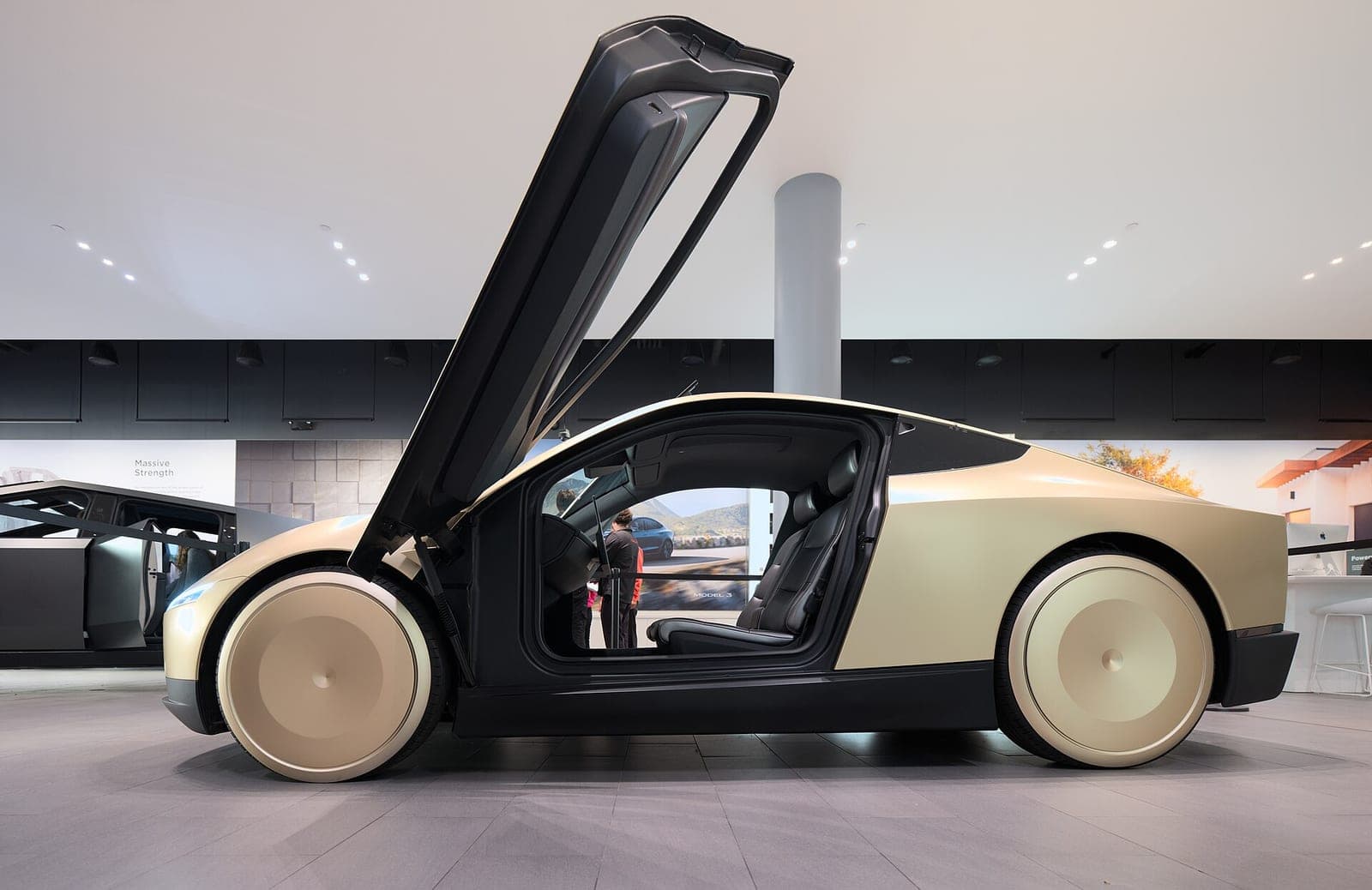
Tesla launches its robotaxi service in San Antonio, its eighth city
Tesla's Robotaxi is live in San Antonio with a 274 square mile launch map. The big question is how much of that map riders can actually book.
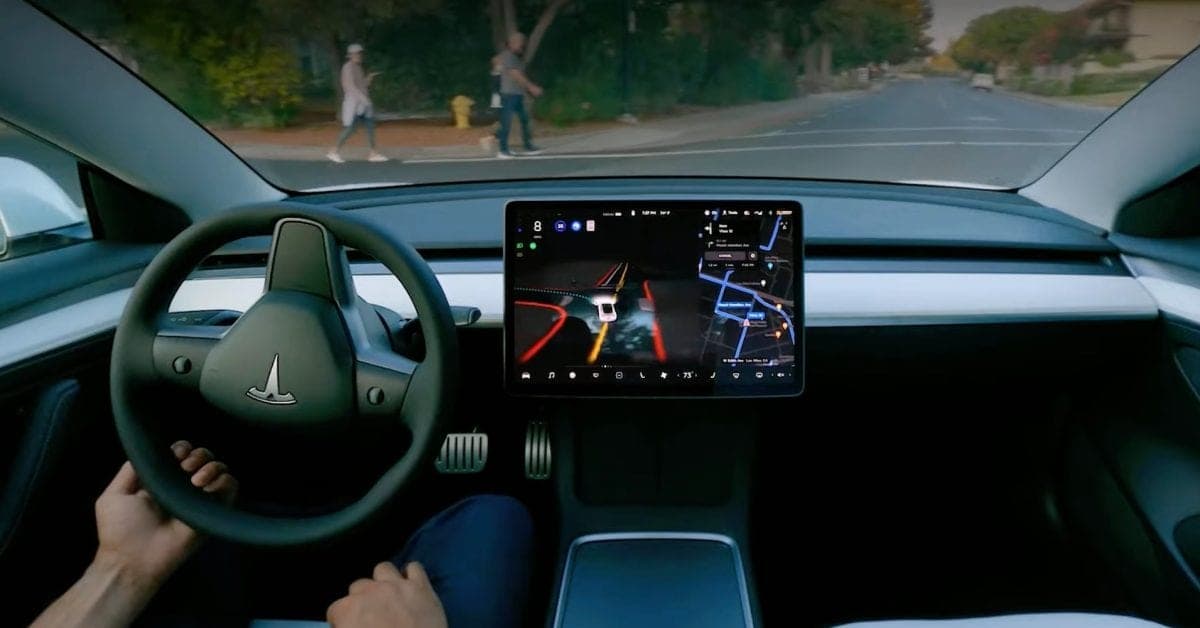
Turo will let renters filter for Teslas with Full Self-Driving
Starting October 28, US renters on Turo can search for Teslas with verified Full Self-Driving (Supervised), and hosts get a free month of the software.
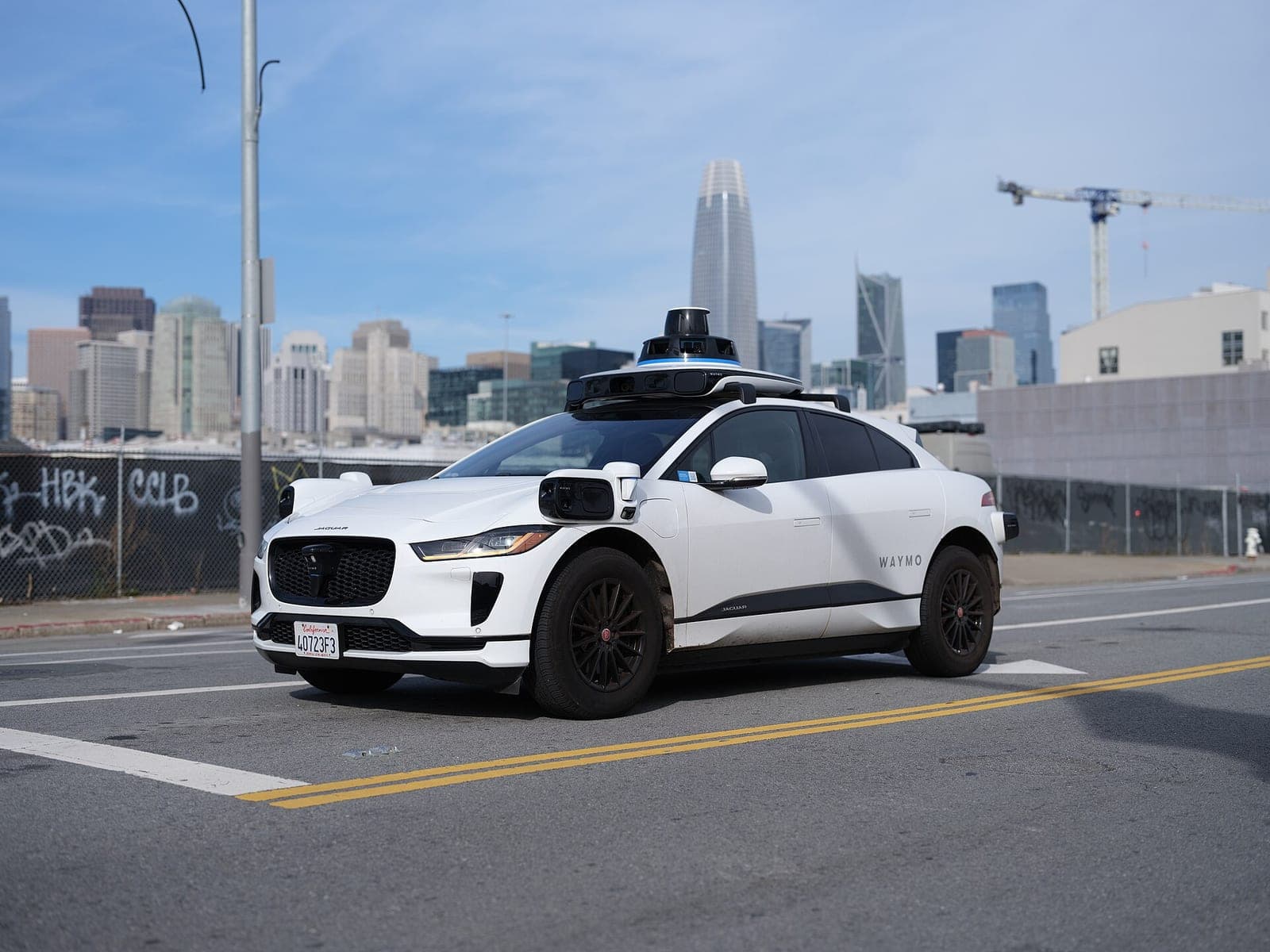
Waymo is bringing its robotaxis to Toronto, with first rides planned for 2028
Waymo is expanding to Canada for the first time. Its cars start mapping Toronto in the coming days, with human drivers, and the company wants its first riders there in 2028.
More in brief
- Apple Sports adds UFC with live stats for every fight on the cardNov 13
- LangChain raises $300 million at a $3 billion valuation for AI agentsNov 13
- SignDrop, a new Windows zero-day, gives attackers full System rightsNov 13
- Microsoft's AI Frontiers research group is over, says co-founder John LangfordNov 13
- BYD apologizes after wrong wheels ship on its Great Tang SUVNov 13
- Microsoft 365 outage cuts off Outlook, Teams and Copilot for hoursNov 13