
Robots·News & analysis
Tesla launches its robotaxi service in San Antonio, its eighth city
Tesla's Robotaxi is live in San Antonio with a 274 square mile launch map. The big question is how much of that map riders can actually book.

Tide
Ripple
Sci-fi
7/10
Reality
Shipping
A car with no driver, picking you up in Texas.How we rate
Tesla launched its Robotaxi service in San Antonio on Monday, its eighth city, with a launch map of about 274 square miles.
That is its biggest day-one map and more than four times the size of Waymo's San Antonio area. Tesla has not said how many cars it will run or whether they will carry safety monitors. Independent tests in Austin found about 59% of the advertised area was bookable.
What to know
- Tesla's official Robotaxi account announced service in San Antonio starting at 5 a.m. local time on Monday, November 9, 2026.
- The launch map covers about 274 square miles, the largest day-one map Tesla has posted, and more than four times Waymo's 59 square mile San Antonio area.
- Tesla has not said how many cars it will run, and a public tracker had not logged a single Tesla Robotaxi in San Antonio on Monday morning.
- An independent check in Austin found the app accepted rides in only about 59% of the area Tesla advertises.
Tesla announced that its Robotaxi service is live in San Antonio, starting at 5 a.m. local time on Monday, November 9, 2026. That makes San Antonio the fourth Texas city for the service. So how big is it, and how much of it can you actually ride in?
What did Tesla announce?
A short post on X, just after midnight local time. It said the Robotaxi would be available in San Antonio "starting tomorrow, 5am," and came with a map of the launch area.
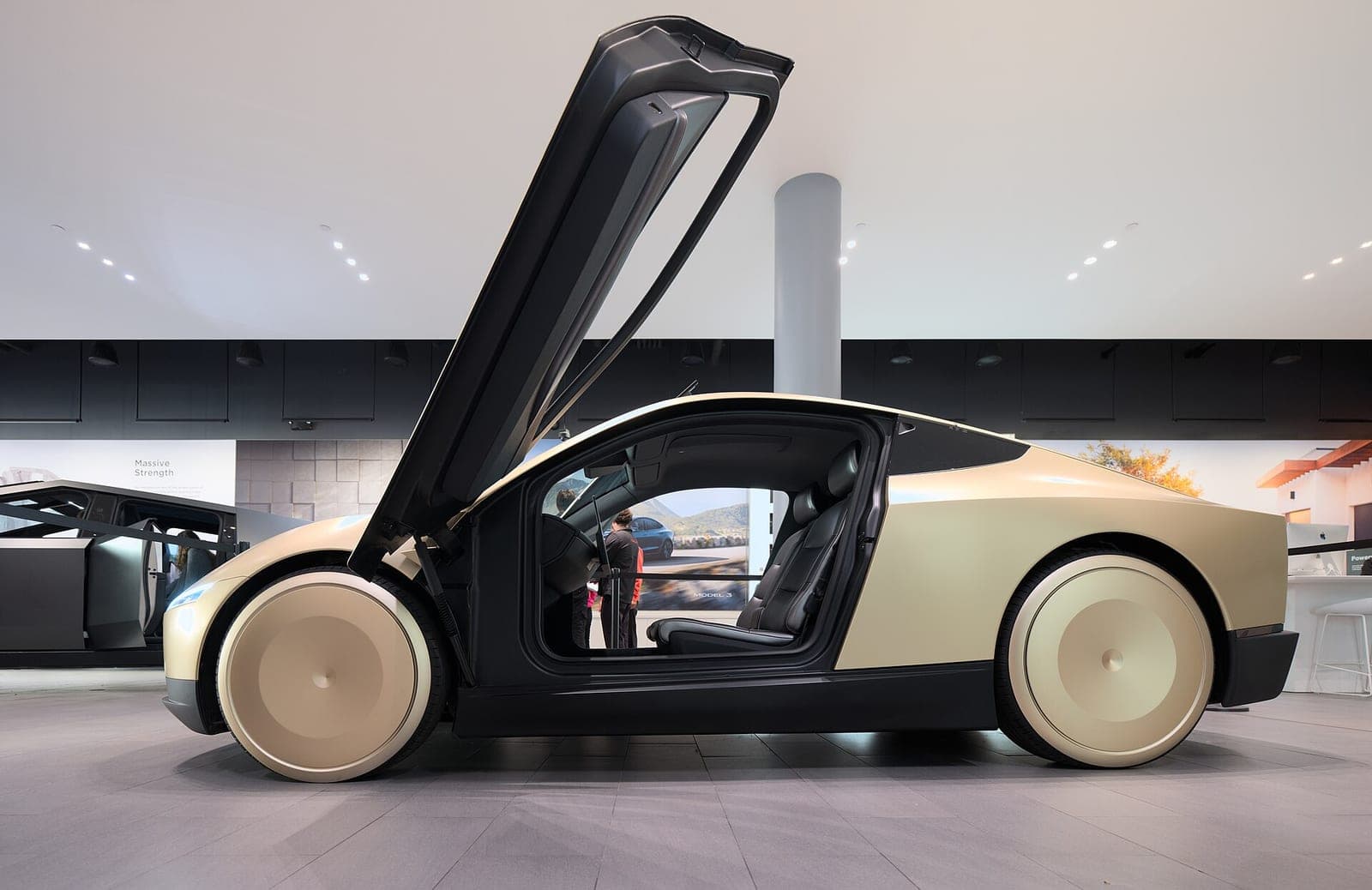
Tesla gave no other details. It did not say what hours the service runs. It did not say whether riders will get its gold, two-seat Cybercab or its modified Model Y cars. And it did not say whether a human safety monitor will be on board.
A safety monitor is a person in the car who can step in if the software gets confused. Tesla began its first service in Austin in June 2025 with monitors on board. In January 2026 it took them out in Austin and started what it calls truly driverless rides.
In real life Open the Robotaxi app in San Antonio and type in your address. If the address is inside Tesla's map and a car is free, it can pick you up. If the address is outside the map, the app says no.
How big is the launch map?
The map is a large shape that runs from Loop 1604 on the north side of the city down to just south of downtown. Robotaxi Tracker, a site that measures operators' maps and logs sightings of their fleets, puts it at 274 square miles.
That is a lot of ground. The tracker says it covers about 1.0 million residents, which is 51% of the San Antonio metro area, and 721,000 jobs.
It is also the largest day-one map Tesla has ever posted. For comparison, the tracker lists Waymo's San Antonio area at about 59 square miles, so Tesla's launch map is more than four times larger.
One thing is left out. San Antonio International Airport sits inside the shape, but Tesla does not serve it.
What is a geofence, and why does it matter?
A geofence is a virtual fence drawn on a map. A robotaxi picks up and drops off riders only inside it, and the company chooses where to draw it.
That choice matters because the fence is the one number a company fully controls. Drawing a bigger shape costs nothing. Putting enough cars inside it so that you can get a ride in five minutes costs a lot.
The catch: A big map tells you where a ride may be possible. It does not tell you how long you will wait or whether a car is nearby.
Will the whole map work?
Maybe not. In Austin, an independent check found the Robotaxi app accepted pickups and drop-offs in only about 59% of the area Tesla advertises. A tracker named Koby Pierce searched thousands of real addresses in the app on an emulator, which is software that mimics a phone. He mapped only the places where Tesla allowed a ride, then compared that with Tesla's posted map.
Austin is Tesla's flagship market, with 453 driverless vehicles in service, according to Robotaxi Tracker. About 41% of the tested map, mostly on the east side of town, would not take a ride request. Pierce points to railroad crossings as a big factor in several cities.
Houston showed something similar. Last month Tesla stretched its Houston map into the shape of a rocket. Within two days the creator of Robotaxi Tracker found the app refusing pickups in downtown, inside that shape.
Across the six cities Pierce has checked, the real service area was between 59% and 78% of what Tesla posts. Applied to San Antonio, that suggests something closer to 160 to 210 square miles. That is an estimate, not a Tesla number, and it would still be larger than Waymo's area in the city.
How many cars will there be?
Nobody outside Tesla knows. As of Monday morning, Robotaxi Tracker had not logged a single Tesla Robotaxi in San Antonio.
Tesla's pattern gives a hint. In Austin it has more than 400 driverless vehicles registered. In its other cities the fleets have numbered between a handful and a few dozen. Tesla has 24 vehicles in Fort Worth and five in Miami, according to the tracker and Texas registration data.
Nationally, the tracker counts 666 driverless Tesla vehicles. Waymo, owned by Google's parent company Alphabet, runs more than 4,000.
- Austin: More than 400 vehicles in Tesla's flagship market.
- Fort Worth: 24 vehicles.
- Miami: 5 vehicles.
- San Antonio: None logged yet on launch morning.
How does Waymo fit in?
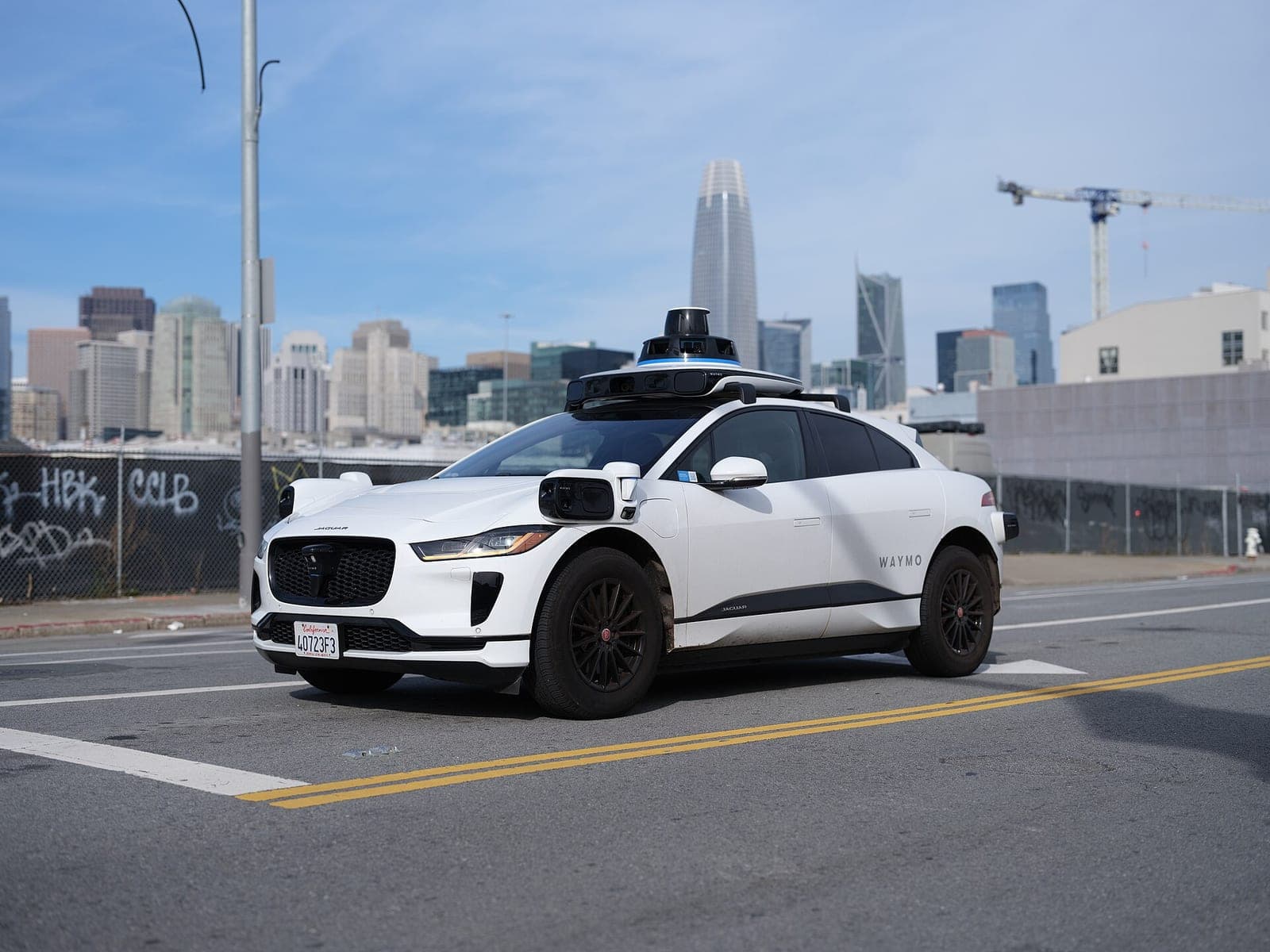
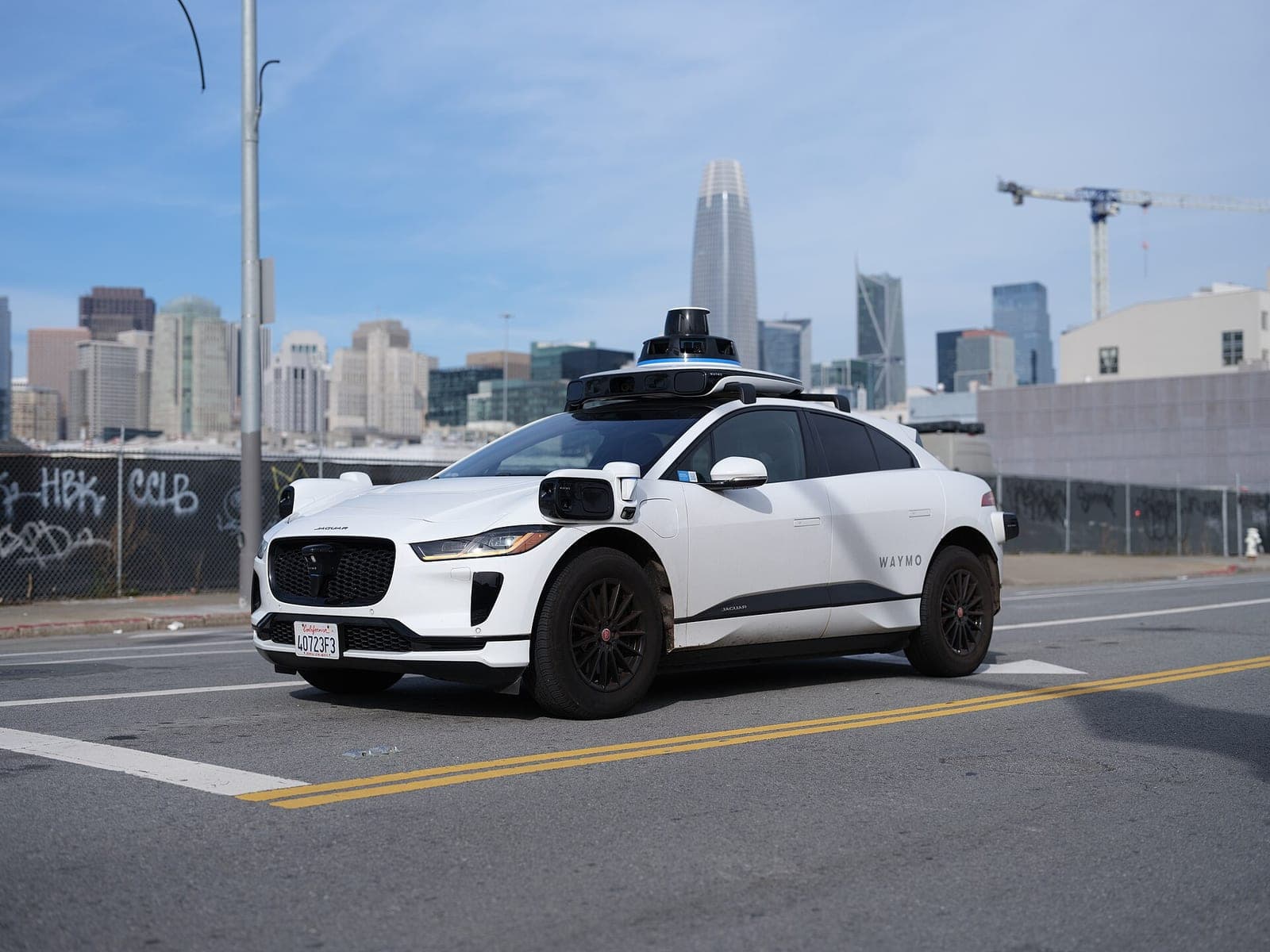
Waymo got there first. It started driverless rides in San Antonio in February with a map of more than 60 square miles, and opened to all riders in October, airport trips included. Its cars there are a mix of Jaguar I-Pace vehicles and a newer vehicle called Ojai, built on a Zeekr platform.
Its path was not smooth. After its cars got stuck when they drove into flooded roads, Waymo paused service in San Antonio for about five months. It restarted recently after software changes to avoid standing water.
So the two companies are now side by side in San Antonio, along with Austin, Dallas and Houston. Riders can compare them directly, which is rare in this business.
Where does Tesla stand overall?
Tesla now runs driverless rides in eight cities. At the start of this year it had none anywhere. In Texas it serves Austin, Dallas, Fort Worth, Houston and San Antonio, and it also operates in parts of Miami and Orlando.
Progress is real, but so are the limits. Tesla's own data this summer showed its Robotaxi network drove fewer paid miles in the second quarter than in the first. And the service in California is a different thing: in the San Francisco Bay Area a human sits behind the wheel, because Tesla does not have the permits for driverless ride-hailing there.
Tesla also still routes riders away from areas its cars cannot handle without help, which can turn a 15 minute trip into a much longer one.
What it means for you
- If you live in San Antonio: You may soon see Tesla cars in the Robotaxi app. Check whether your home and your destination sit inside the area where the app lets you book.
- If you travel there: Do not count on a Tesla Robotaxi for the airport. Waymo serves it, Tesla does not.
- If you are comparing services: Look at wait times and how many rides finish, not just the size of the map.
- If you follow the industry: Watch how many cars appear in the next few weeks. That tells you more than the square miles.
The bottom line
Tesla's San Antonio launch has the biggest day-one map it has posted. What it has not shown yet is how many cars will drive on it. Independent tests in other cities suggest riders will be able to book in about 60% to 78% of the posted area. Waymo already has a head start in the city, so San Antonio will be an early side-by-side test.
Key facts
- City
- San Antonio, Texas (Tesla's eighth)
- Start
- 5 a.m. local time, November 9, 2026
- Launch map
- About 274 square miles
- Waymo in San Antonio
- About 59 square miles
- Driverless fleets
- Tesla 666 vehicles, Waymo more than 4,000
Got questions?
Quick answers, plain wordsIs Tesla Robotaxi available in San Antonio?
Yes. Tesla's official Robotaxi account said the service would be available in San Antonio starting at 5 a.m. local time on Monday, November 9, 2026.
How big is the Tesla Robotaxi area in San Antonio?
The launch map covers about 274 square miles, according to Robotaxi Tracker, a site that measures operators' maps. It runs from Loop 1604 on the north side to just south of downtown and covers about 1.0 million residents.
Does the Tesla Robotaxi go to the San Antonio airport?
No. San Antonio International Airport sits inside the map, but Tesla does not serve it. Waymo does serve the airport.
Will the Tesla cars have a safety monitor?
Tesla has not said. It also has not said whether it will use its gold two-seat Cybercab or modified Model Y cars. A safety monitor is a person on board who can step in if something goes wrong.
How many Tesla robotaxis are in San Antonio?
Unknown. Tesla did not say, and Robotaxi Tracker had not logged any Tesla Robotaxi in the city on Monday morning. In other new cities, Tesla's fleets have numbered between a handful and a few dozen.
Is Tesla's Robotaxi really driverless?
In Austin, Tesla removed in-car safety monitors in January 2026 and began true driverless service. Tesla says it now runs unsupervised rides in eight cities, but the fleets outside Austin are small.
Which cities does Tesla Robotaxi serve?
Austin, Dallas, Fort Worth, Houston, Miami, Orlando and now San Antonio, with service areas that are limited in each. Tesla also runs a ride-hailing service in the San Francisco Bay Area, but a human drives those cars.
Does Waymo operate in San Antonio?
Yes. Waymo started driverless rides there in February and opened to all riders in October, airport trips included. It paused service for about five months after its cars got stuck in flooded roads.
What is a geofence?
A geofence is a virtual boundary drawn on a map. A robotaxi only picks up and drops off riders inside it.
SourcesTesla Robotaxi on X
Topics and tagsTesla, Waymo, Self-driving, tesla
Go deeper
Related stories
Waymo is bringing its robotaxis to Toronto, with first rides planned for 2028
Waymo is expanding to Canada for the first time. Its cars start mapping Toronto in the coming days, with human drivers, and the company wants its first riders there in 2028.
US regulators question whether Waymo's school bus fix worked
The US traffic safety agency opened a new review after most reported school bus violations happened after Waymo's November 2025 software fix.
Turo will let renters filter for Teslas with Full Self-Driving
Starting October 28, US renters on Turo can search for Teslas with verified Full Self-Driving (Supervised), and hosts get a free month of the software.
More in brief
- YouTube is going back on the Billboard charts in 2027Nov 9
- Apple starts selling $50 packs for extra Apple Intelligence useNov 9
- Windows 11 tests a way to switch off the Sticky Keys popup for goodNov 9
- NVIDIA unveils GR00T 2 and Isaac Lab 3.0 to teach robots delicate workNov 9
- Coinbase gets its federal trust bank charter, but no savings accountsNov 9
- Google's new AI chips keep your data locked, even while they work on itNov 9