
Robots·News & analysis
Turo will let renters filter for Teslas with Full Self-Driving
Starting October 28, US renters on Turo can search for Teslas with verified Full Self-Driving (Supervised), and hosts get a free month of the software.
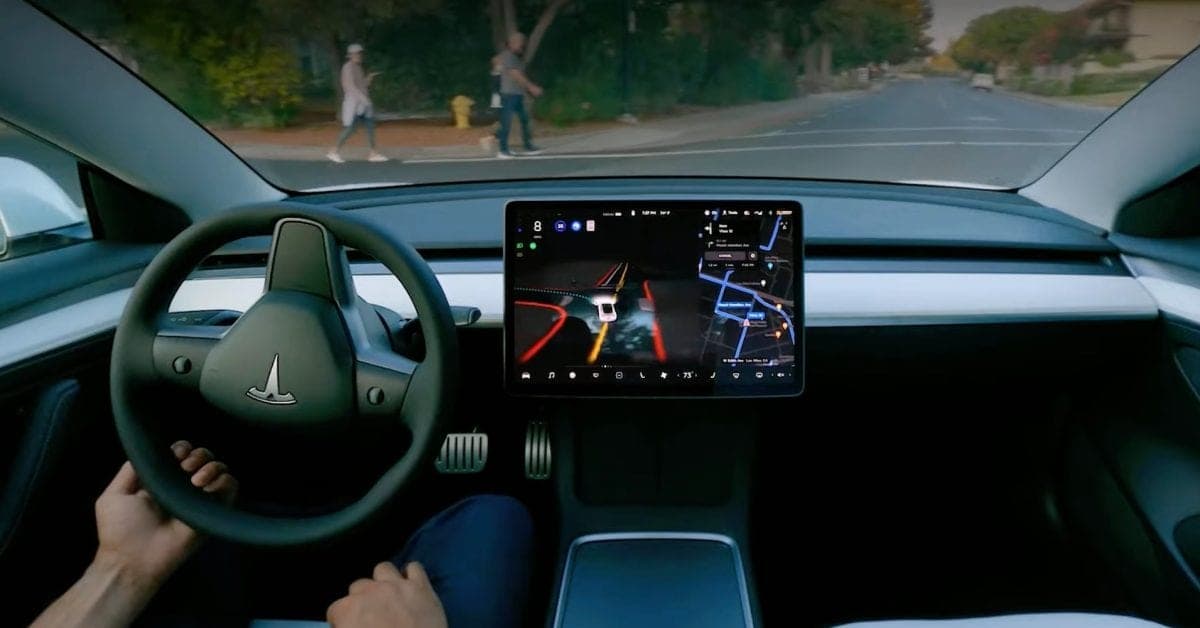
Tide
Ripple
Sci-fi
7/10
Reality
Shipping
A weekend rental where the car does most of the steering.How we rate
Turo will start showing which Teslas on its marketplace have Full Self-Driving (Supervised), and US renters will be able to search for them from October 28.
Turo checks each car through Tesla's own systems, and eligible hosts get a free one-month trial. Tesla says about 1.7 million customers have paid for the software. After the trial, the subscription costs hosts $99 a month, and Turo has not said whether FSD listings will cost more.
What to know
- Turo will let US renters search for Teslas that have Full Self-Driving (Supervised) switched on, starting October 28, Electrek reports.
- Turo checks each car's software status through a direct link to Tesla's systems, and eligible hosts get a free one-month trial.
- Tesla said last week that about 1.7 million customers have paid for FSD, and Electrek puts active subscriptions at 1.74 million.
- The software still needs a human driver who watches the road and can take over at any moment.
Electrek reports that Turo, the car rental marketplace, will let US renters search for Teslas with Full Self-Driving (Supervised) turned on, starting October 28. TechCrunch reports the same partnership.
That's the news. Now the fun part: Tesla has a new way to get its driving software in front of people who don't own a Tesla, and the test drive is a whole weekend.
What is Turo?
Turo is an online marketplace where car owners rent out their cars to travelers. The owners are called hosts. Think of it as a spare-room site, but for the car in your driveway.
Tesla's Model 3 and Model Y are already the third and fourth most popular cars on Turo this year, according to the company. So the hosts who have them are in a good position to add one more selling point.
What exactly is changing?
Turo will show which Teslas on the platform have Full Self-Driving (Supervised), often shortened to FSD. Renters will be able to filter for those cars. Hosts can also advertise their cars as "Self-Driving" in their listings, TechCrunch reports.
Here is what the two outlets say about the rollout:
- Start date: October 28, for US renters, according to Electrek.
- Host trial: Eligible hosts get a free one-month trial of the software.
- Listings: Turo says "thousands" of FSD-enabled Teslas are already listed, Electrek reports.
- Warnings: Renters will see cautionary language that tells them to watch the software and be ready to take over.
- Tutorial: Renters can also view a tutorial made by Tesla.
In real life Say you land in Phoenix for a long weekend. Instead of a plain rental sedan, you filter for a Tesla with FSD, pick one up, and see how the car handles a highway drive. You still hold the wheel the whole time.
How does Turo know a car really has FSD?
Hosts link their Tesla account to Turo. Turo then checks each car's software status through Tesla's API. An API is a doorway that lets one company's system ask another company's system a question and get an answer.
TechCrunch says Turo is working with Tesla to reach that API directly. That matters because a host can't simply type "yes, it has FSD" into a listing. The check comes from Tesla's side.
What does it cost?
For renters, Turo has not said. For hosts, the first month is free. After that, it's Tesla's regular subscription, which Electrek says is $99 a month.
Electrek notes that hosts will probably want to earn that money back through their daily rates. Turo didn't say whether FSD listings will cost more. So for now, watch the listing price before you book.
Why does Tesla want this?
Tesla has been pushing hard to get more people to use FSD. Electrek says the company went subscription-only with the software in February. It has also offered a free one-year subscription on new Model 3 and Model Y orders.
By the numbers: Tesla said last week that around 1.7 million customers have paid for FSD, out of more than 10 million cars built and sold so far, TechCrunch reports. Electrek puts Tesla's active FSD subscriptions in the third quarter at 1.74 million.
Tesla also said that more than 75% of customers who took delivery of a car in North America during the third quarter paid for FSD, TechCrunch reports. That was roughly a 20% increase from the second quarter. For the wider earnings picture, see our story on Tesla's third-quarter profit.
Tesla's finance chief Vaibhav Taneja said on the earnings call that customers are walking in and asking for an FSD drive. They are not asking for a Model 3, a Model Y or a Cybertruck.
Why do the subscription numbers matter so much?
Electrek explains that Tesla started sharing the active-subscription number because Elon Musk's 2025 CEO Performance Award uses it. One of the award's milestones is 10 million subscriptions.
At last quarter's pace, Electrek calculates, Tesla would need about eight more years to get there. Free trials don't count toward the number, but paid subscriptions do. So a Turo host who keeps paying after the free month adds to the count.
Why it matters: A renter who enjoys the weekend could turn into a subscriber later. That is a much longer test drive than 15 minutes with a salesperson, as Electrek puts it.
Is it really driverless?
No, and the companies say so themselves. FSD (Supervised) is a "level 2" driver assistance system. That means the car can steer, brake and speed up, but the person in the driver's seat is responsible at all times.
Turo's own press materials lean on words like "self-driving" and "driverless." Turo cites research that 55% of Americans are interested in driverless technology for travel, rising to 71% among Gen Z. Yet its CEO, Andre Haddad, also calls FSD "driver's assistance technology" in the same release, Electrek notes.
The catch: Electrek points out that Turo didn't say who pays if a guest crashes with FSD engaged. It could be the renter, the host or Turo's protection plans. Electrek also says Turo's main safeguard is to encourage guests to read Tesla's documentation before pickup.
Electrek adds that Tesla dropped the "Full Self-Driving" name in Europe after pressure from German regulators, while the US name stays. Its editor worries that a first-time user might treat the car like a chauffeur.
Is Turo really the first to do this?
Turo's chief executive called it an "industry-first integration with Tesla." Electrek says that is a generous claim, because Tesla has rented out its own cars with FSD included in Southern California since last year.
The new part is the verification. Turo is a third-party marketplace with far more cars in far more cities, and every listing gets its FSD status checked at the source.
How does this fit Musk's old promise?
Electrek calls the Turo deal basically a "Tesla Network" that is still supervised. Since 2016, Elon Musk has said Tesla owners would one day add their cars to a Tesla Network, giving rides to others and earning income.
Electrek says that vision has been delayed for years. The best Tesla can do right now is combine Turo and FSD. In this version, the renter drives and the owner earns the rental fee.
What's next?
The feature starts on October 28, so the first real data will be how many renters actually search for it. Turo hasn't said how it will handle pricing, liability or extra training. Those are the answers to watch.
What it means for you
- If you rent cars: From October 28 you can look for a Tesla with FSD and try it for a weekend. Read Tesla's safety guidelines before you drive off.
- If you own a Tesla: You can list your car as self-driving and get a free month of FSD. Plan for the $99 a month after that.
- If you're curious about FSD: Check the listing price and the damage rules first. Turo hasn't said how crashes with FSD on are handled.
- Always: Keep your hands ready and your eyes on the road. The software is supervised, and you are the supervisor.
The bottom line
Turo and Tesla are turning a rental weekend into a long test drive of Full Self-Driving. It could help Tesla grow its subscriber count and give hosts a new way to stand out.
The software still needs a human in charge, and the open questions about price and crash responsibility are worth watching before you book.
Key facts
- Goes live
- October 28, for US renters
- Host perk
- Free one-month FSD (Supervised) trial for eligible hosts
- Regular price after trial
- $99 a month, according to Electrek
- Tesla's paid FSD customers
- About 1.7 million worldwide, according to TechCrunch
- Model 3 and Model Y on Turo
- Third and fourth most popular cars on the platform this year
Got questions?
Quick answers, plain wordsWhat is Turo?
Turo is an online marketplace where car owners, called hosts, rent out their own cars to travelers. It works a bit like Airbnb, but for cars.
What is Full Self-Driving (Supervised)?
It is Tesla's driver assistance software. It can handle most driving tasks, but the person behind the wheel must watch the road and be ready to take over at any moment.
When can I search for Teslas with FSD on Turo?
Electrek reports that the feature goes live on October 28 for US renters.
How does Turo know which Teslas have FSD?
Hosts link their Tesla account to Turo. Turo then asks Tesla's systems, through a direct connection called an API, whether FSD is active on that car.
Is it free for hosts?
Eligible hosts get a free one-month trial of FSD (Supervised). After that, Electrek says it is Tesla's regular $99 a month subscription.
Will FSD rentals cost more?
Turo has not said. Electrek notes that hosts may try to cover the subscription cost through their daily rates.
Is a Tesla with FSD driverless?
No. FSD (Supervised) is a driver assistance system, so the renter is responsible for driving at all times. Even Turo's chief executive calls it driver's assistance technology.
Will renters get any warnings or training?
TechCrunch reports that renters will see cautionary language telling them to monitor the software and be ready to take over, and they can view a Tesla-made tutorial. Electrek says Turo also encourages guests to read Tesla's safety guidelines before pickup.
Who pays if a renter crashes with FSD on?
Electrek says Turo did not say whether the renter, the host or Turo's protection plans would be responsible in that case.
Is this really an industry first?
Turo calls it one. Electrek points out that Tesla has rented its own cars with FSD included in Southern California since last year, so the new part is verified FSD on a third-party marketplace.
SourcesElectrek
Topics and tagsTesla, Self-driving, tesla, turo
Related stories
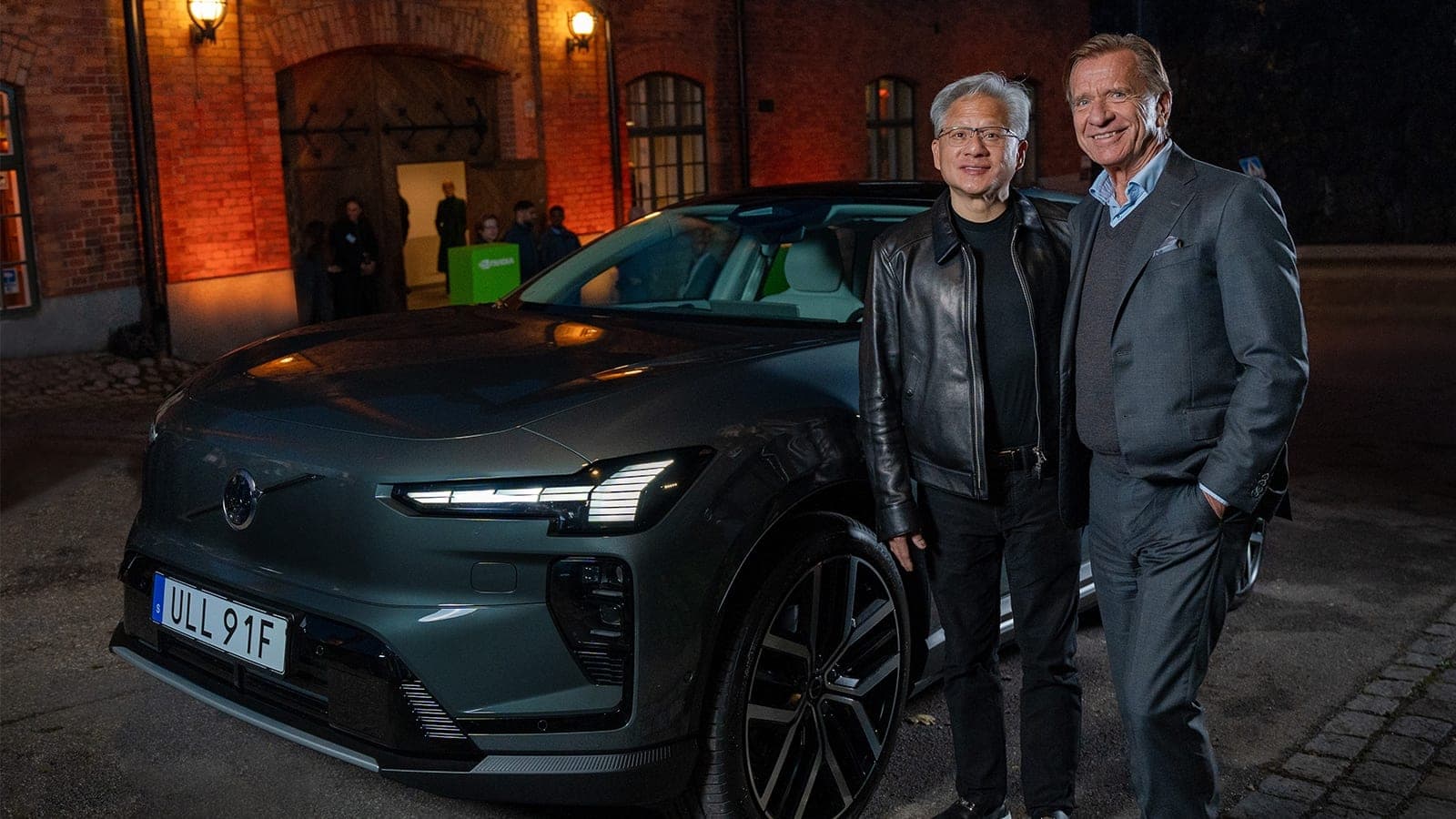
Volvo picks Nvidia to bring hands-free, door-to-door driving by 2030
Volvo Cars is expanding its partnership with Nvidia to build a supervised system that can drive from your door to your destination, city streets included, before the end of the decade.
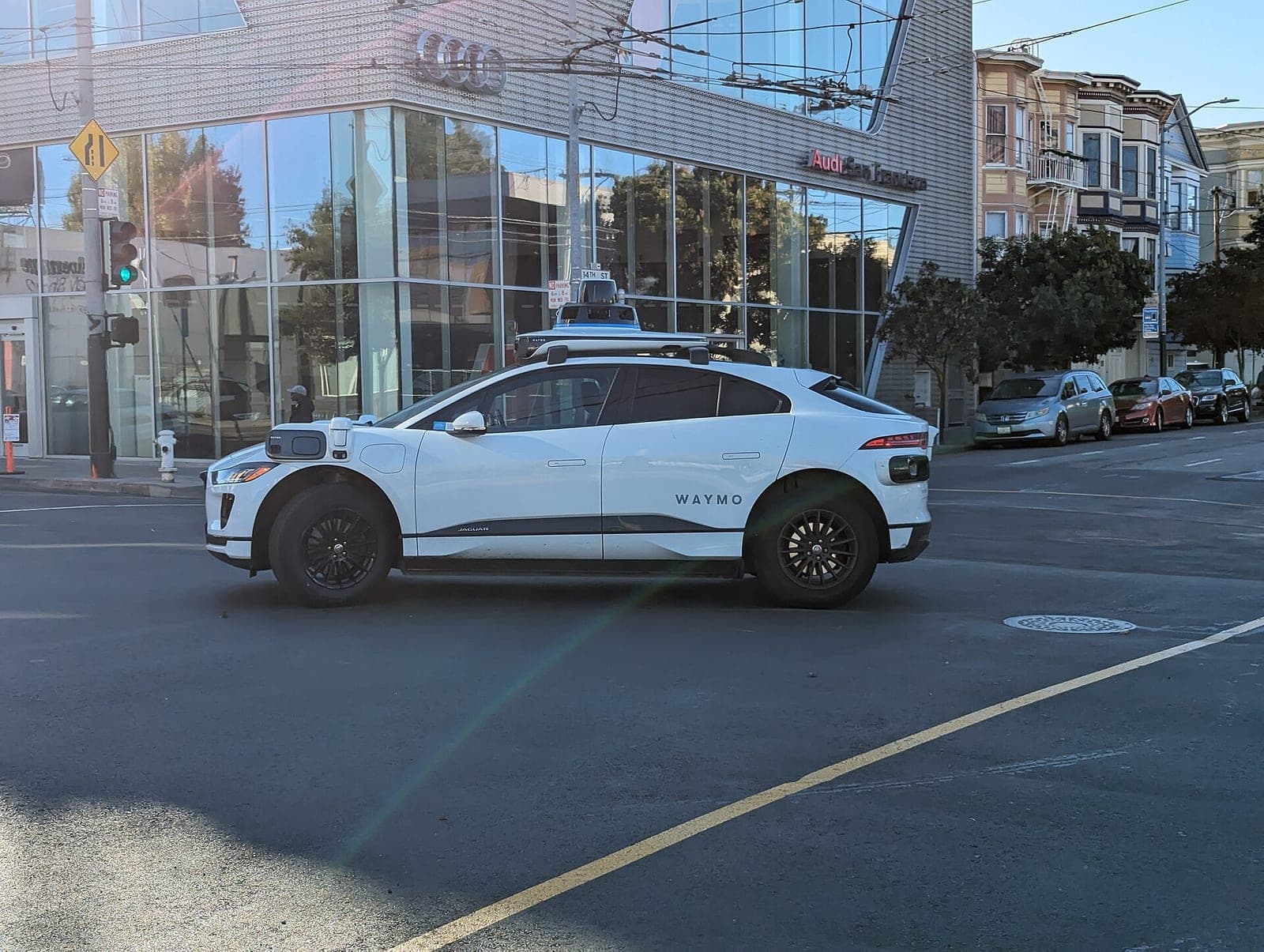
California will fine robotaxi companies that block first responders for over 30 minutes
Governor Gavin Newsom signed SB 1246, which requires robotaxi operators like Waymo, Tesla and Zoox to send on-site help when their cars cause problems, and to keep remote drivers in the US.
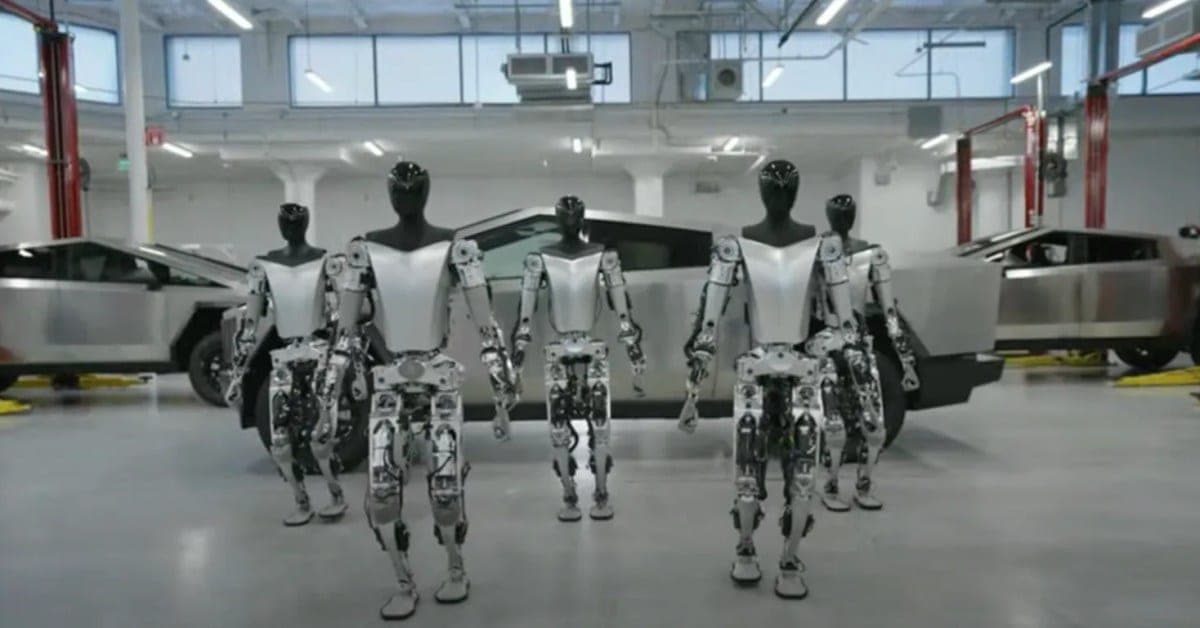
Tesla ramps Optimus to hundreds a week, but its hands are the bottleneck
Tesla has scaled Optimus production roughly tenfold since Q2, but the robot's hands still need hand assembly and its touch sensors aren't holding up, The Information reports.
More in brief
- Meta launches a $35 billion stock sale and plans $60 billion more for AIOct 26
- iFixit tears down the iPhone Duo: best foldable repair score, but a screen problemOct 26
- Teradyne Robotics and Sereact team up to put AI-driven robot arms in warehousesOct 25
- Eka Robotics raises $150M for robot hands that feel what they gripOct 24
- Spotify's Family plan now asks some members to scan a QR codeOct 22
- Dream Labs raises $90M and opens a public API for one robot brainOct 22