
Technology·News & analysis
Google will buy 50 MW of superhot geothermal power from Quaise in Oregon
Quaise Energy says Google agreed to buy 50 megawatts from Project Obsidian at Newberry Volcano from as early as 2030, the first commercial deal for superhot rock power.

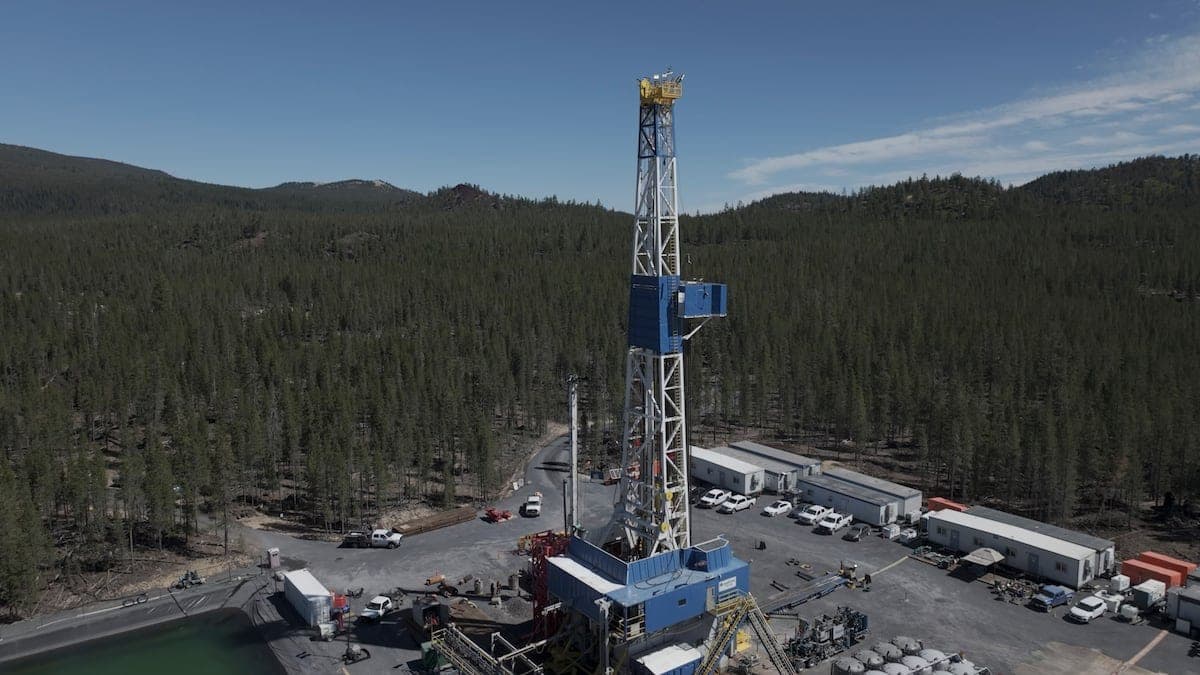
Tide
Wave
Sci-fi
8/10
Reality
Demo
Melting rock with millimeter waves to make steam.How we rate
Google agreed to buy 50 megawatts of superhot geothermal power from Quaise Energy's Project Obsidian in central Oregon, with deliveries from as early as 2030, in a deal reported at more than $500 million.
Quaise will use a gyrotron to drill into rock hotter than 300°C. The power will feed Google's Oregon data centers. The plant still has to prove the drilling works at commercial scale.
What to know
- Google agreed to buy 50 megawatts from Quaise Energy's Project Obsidian at Newberry Volcano in Oregon, with deliveries starting as early as 2030.
- The Wall Street Journal values the deal at more than $500 million for a plant that Quaise says will cost about $350 million.
- Quaise will drill with conventional tools to about 4 km, then switch to a gyrotron that vaporizes rock with millimeter waves.
- The technology has not been proven at commercial scale yet, and rival Mazama Energy is taking a different route to the same hot rock.
Quaise Energy announced on Tuesday that Google will buy 50 megawatts of power from its Project Obsidian in central Oregon, starting as early as 2030. It is billed as the first commercial deal for superhot rock geothermal. The plant does not exist yet, so the story is as much about a drilling bet as a power contract.
What exactly did Google sign?
Google agreed to buy 50 MW of electricity from Quaise's Project Obsidian, on the southern flank of Newberry Volcano near Bend. The power is meant for Google's existing data centers in The Dalles, Oregon.
OPB reports the energy would cover three of those data centers, and that 50 MW is enough for about 50,000 average households.
The two companies did not disclose a price to OPB. The Wall Street Journal values the deal at more than $500 million, for a plant Quaise says will cost about $350 million.
- Buyer: Google
- Seller: Quaise Energy, a Texas-based geothermal developer
- Size: 50 MW
- Timing: deliveries as early as 2030
Quaise CEO Carlos Araque told OPB: "This is the beginning of humanity tapping into the largest source of energy. It happens to be clean energy on Earth, and it's happening in Oregon."
What is superhot rock geothermal?
Regular geothermal uses natural reservoirs of hot water or steam near the surface. Quaise says those rarely pass 200°C (400°F), and they only exist in some places.
Superhot rock is a type of enhanced geothermal system. You drill miles down to reach temperatures near 800°F. Then you pump cold water in, it comes back as steam, and the steam spins a turbine.
Why it matters: hotter rock means more power per well. Quaise says its rock can produce up to 10 times more power per well than conventional geothermal.
Fewer wells matter because drilling is a big share of the bill. Reporting on the sector puts drilling at roughly a quarter to a third of a geothermal plant's total cost.
In real life Think of a kettle. A kettle at 100°C boils water. A far hotter element boils it much faster. Superhot rock is the hotter element, only it sits several kilometers underground.
How does Quaise plan to drill that deep?
Here is the part that sounds like science fiction. Quaise will first drill to about 4 km with conventional tools. Then it will switch to a gyrotron, a device that fires millimeter waves at the rock and vaporizes it.
That takes the well to about 4.8 km, roughly three miles. Water pumped into the wells heats up, and the steam drives the turbines.
The reason for the switch is wear. Metal drill bits wear out fast in extreme heat, so a beam that needs no bit is attractive if it works at scale.
Quaise says Obsidian will be the first plant to make electricity from rock hotter than 300°C. The technology has not yet been proven at commercial scale.
What is Google's reason for paying a premium?
Google needs a lot of electricity for new data centers and AI. Lucia Tian, who leads its advanced energy work, said the scale of power Google needs requires it to "foster that ecosystem."
She called geothermal a "clean, firm" resource that is "incredibly valuable to the grid." Firm means it runs all the time. Unlike wind or solar, which depend on the weather, geothermal gives continuous power.
Google is paying more than the going rate for early access. It has done this before: it was an investor in and early customer of Fervo Energy, and in September it signed a 396 MW geothermal deal with Fervo.
Araque put the deal in plain terms: "It is Google basically putting their thumb on the scale and saying, 'Okay, we like this. We like what this looks like.'"
Google also works with companies building nuclear power and long-duration storage.
What does the money and timeline look like?
Quaise has been raising cash at a fast pace this year.
| Date | Event |
|---|---|
| July | Raised $134 million |
| August | Closed a $180 million Series B, including $35 million from Nabors Industries |
| September | US Department of Energy picked Obsidian for up to $25 million in support |
| November 17 | Google deal announced |
| 2030 | Earliest deliveries |
Quaise has raised more than $270 million in total from investors including Prelude Ventures, Collaborative Fund and Engine Ventures, with Vinod Khosla as an angel investor, according to PitchBook.
The company expects 200 to 400 construction jobs and more than 50 permanent jobs at the site.
Who else is racing for superhot rock?
OPB counts at least 20 companies worldwide working on new ways to reach heat underground. Newberry Volcano is popular because magma flows close to the surface there, which makes high temperatures easier to reach.
Mazama Energy, backed by Khosla Ventures, drills near Bend too. This week it announced a way to keep its drill heads cool. It is called Carbon Chill, and it uses carbon dioxide instead of water-based drilling mud.
At those depths the CO2 turns supercritical. It flows through a valve that looks like a rocket nozzle, expands, cools and carries heat and rock cuttings up. The CO2 is then filtered and reused.
Mazama's CEO Sriram Vasantharajan told TechCrunch the company drilled its second well 80% faster than its first, and that the cooling technology cut drilling time by another 20%. Those are company figures, not independently checked. Mazama has raised $171 million.
So the two approaches differ. Quaise replaces the drill bit. Mazama keeps the bit and keeps it cool.
Last week the Department of Energy also gave XGS Energy a grant to refine materials, well designs and models for depths where superhot rock sits.
What could go wrong?
A lot is unproven. The gyrotron approach has to work in a real well, at real depth, at a cost that makes sense. Quaise's plant is still a plan, and the 2030 date is a target, not a guarantee.
Geothermal is also small today. It made up just 0.1% of the energy used in Oregon in 2024, according to the Oregon Department of Energy, though the US Energy Information Administration says there is room to grow.
Then there is the politics of data centers. Earlier this month, US voters rejected data centers in 40 of 41 local ballot measures. Google's first Wyoming data center, announced this month, will run on gas with carbon capture.
Google says it pays for all the power its data centers use and covers the grid upgrades its growth requires. Its three Oregon campuses run on 83% carbon-free energy.
Oregon requires tech companies to acquire renewable energy to comply with state environmental rules. That adds urgency to the hunt for new sources.
The big picture: the US has up to 57 terawatts of geothermal generating potential, far more than the next wave of AI data centers needs. A single superhot well could make 15 MW or more. Getting there depends on drilling that works.
What it means for you
- No change on your bill soon: the first power is years away, and 50 MW is small beside a big grid.
- Cleaner power for AI tools: some of the electricity behind Google services in Oregon could come from volcanic heat by 2030.
- A technology to watch: if Obsidian works, superhot rock could be a model for other places with hot rock close to the surface.
The bottom line
Google has put a big contract behind a technology that has not yet produced power at commercial scale. If Quaise's gyrotron and Mazama's cooling both pan out, superhot rock could give data centers steady power from almost anywhere. If not, 2030 will slip.
Key facts
- Buyer
- Seller
- Quaise Energy, Project Obsidian (Newberry Volcano, Oregon)
- Power
- 50 MW, enough for about 50,000 homes (OPB)
- Deal value
- More than $500 million (Wall Street Journal)
- First deliveries
- As early as 2030
Got questions?
Quick answers, plain wordsWhat did Google agree to buy?
Google agreed to buy 50 megawatts of electricity from Quaise Energy's Project Obsidian in central Oregon. Deliveries could start as early as 2030.
What is superhot rock geothermal?
It is a type of enhanced geothermal system that drills miles down to rock near 800°F. Cold water is pumped in, comes back as steam and spins a turbine.
How much is the deal worth?
The two companies did not disclose a price to OPB. The Wall Street Journal values the deal at more than $500 million, and Quaise says the plant will cost about $350 million.
Where will the power go?
To Google's existing data centers in The Dalles, Oregon. OPB reports the power would cover three of them.
How does Quaise drill so deep?
It drills to about 4 km with conventional tools, then switches to a gyrotron that fires millimeter waves to vaporize rock, reaching about 4.8 km.
Is the technology proven?
Not at commercial scale. Quaise says Obsidian will be the first plant to make electricity from rock above 300°C, so the drilling still has to be shown in the field.
Why does Google want geothermal?
Geothermal runs around the clock, unlike wind or solar. Google's head of advanced energy, Lucia Tian, called it a clean, firm resource that is valuable to the grid.
Is this Google's first geothermal deal?
No. In September Google signed a 396 MW geothermal deal with Fervo Energy. It also works with nuclear and long-duration storage companies.
Who else is working on superhot rock?
Mazama Energy is also drilling near Bend, Oregon, and XGS Energy received a Department of Energy grant last week to refine designs for those depths.
SourcesOPB, thenextweb.com
Topics and tagsGoogle, Data centers, google, quaise energy
Go deeper
Related stories
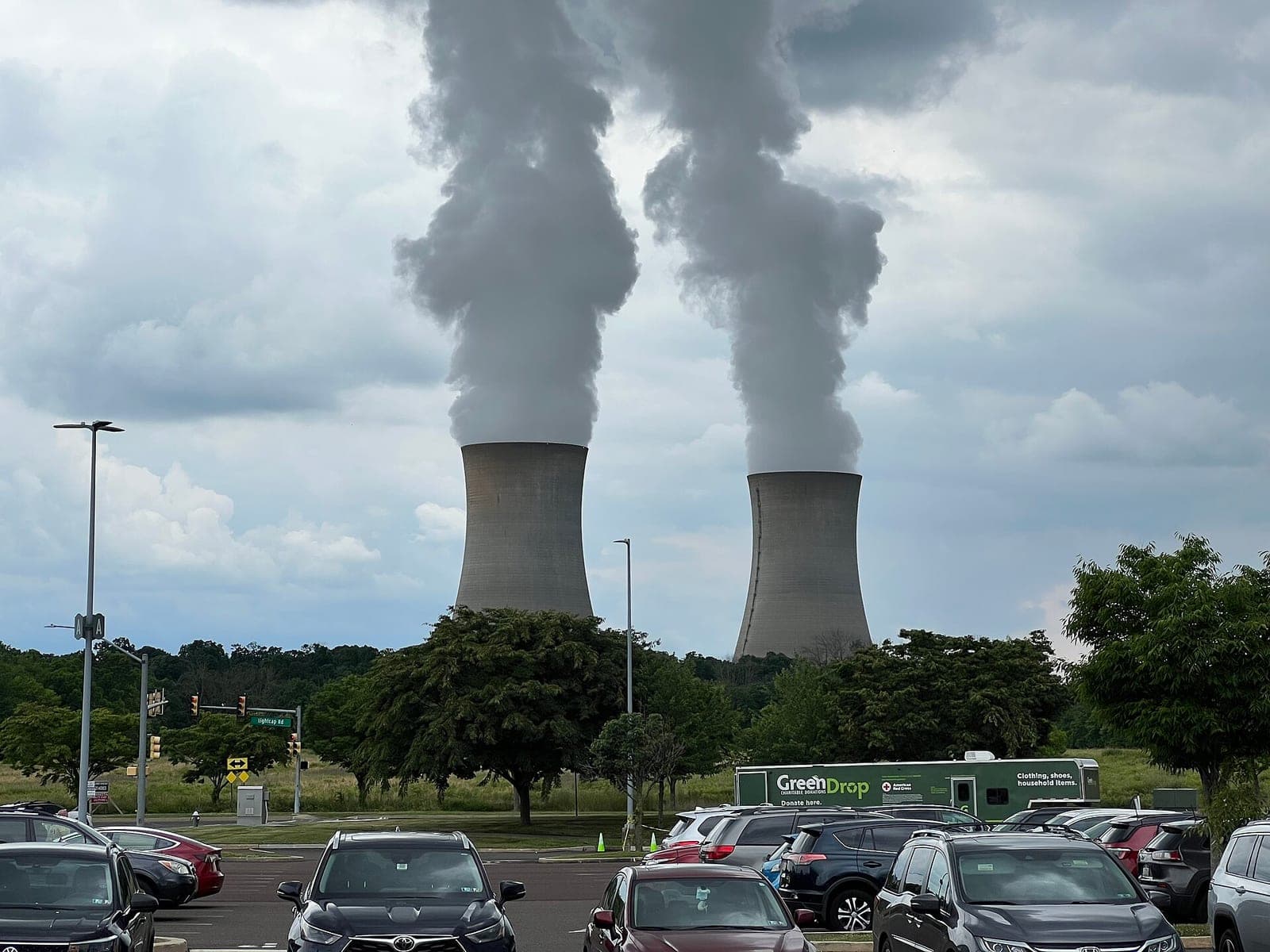
Google signs a deal to squeeze 890 MW more out of Constellation's nuclear plants
Google will be the anchor customer for upgrades at six existing nuclear plants in Illinois, Pennsylvania and New Jersey, adding power to the grid by 2032. Constellation will also use Google's Gemini Enterprise to run the work.
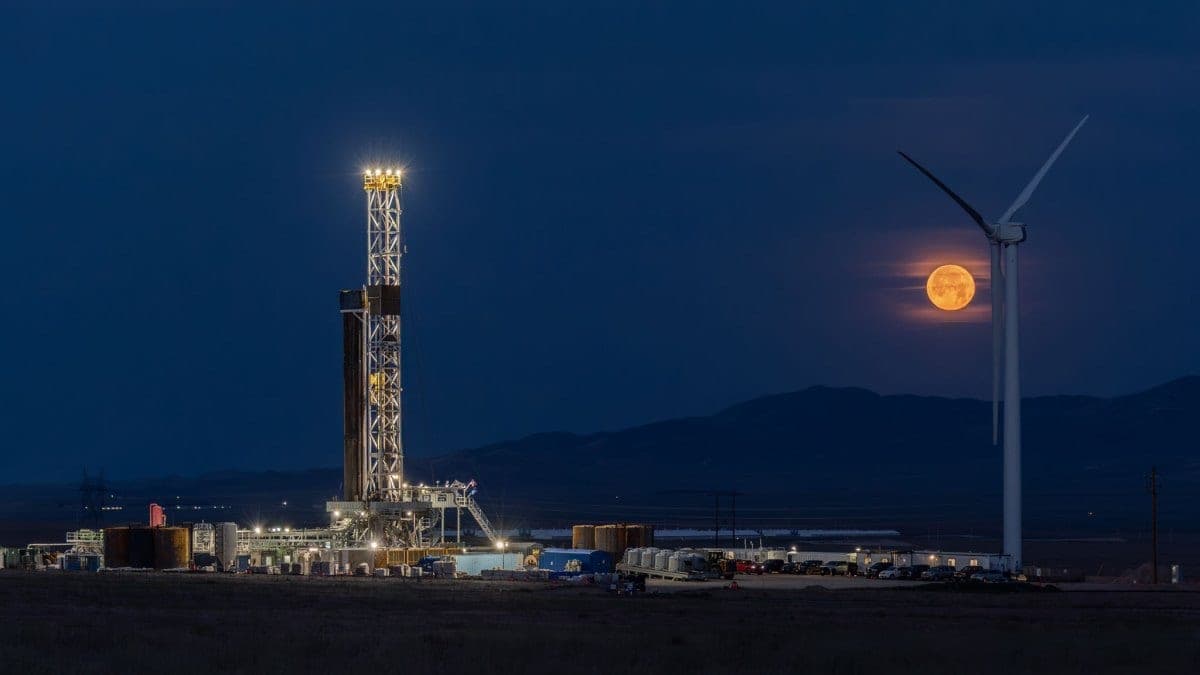
Fervo's Cape Station becomes the first enhanced geothermal plant to sell power commercially
Fervo Energy's first 33-megawatt block at Cape Station in Utah reached commercial operation a day ahead of schedule, after 23 months of construction. Two more blocks follow by January 2027.
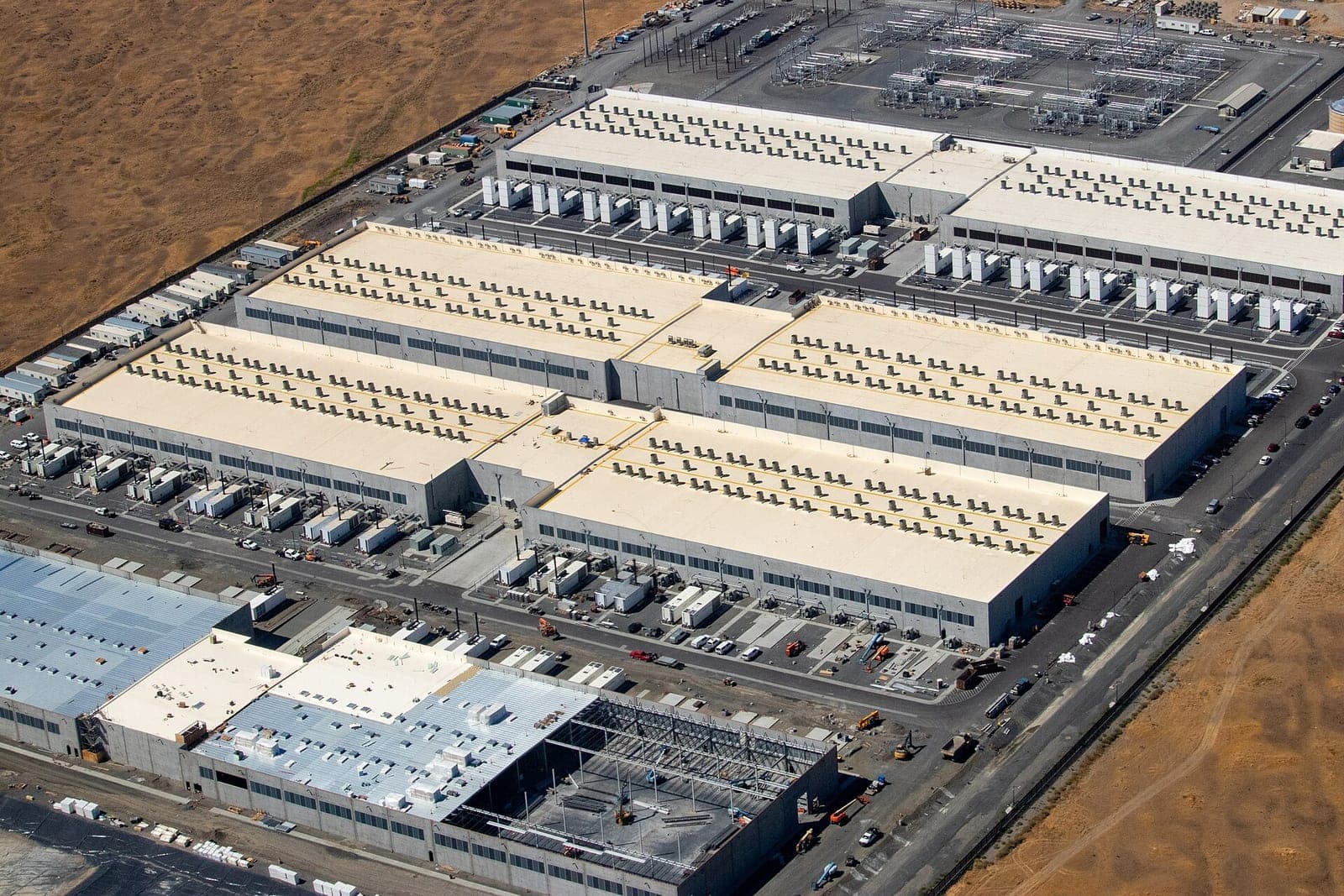
Amazon pledges $1B+ to the towns that host its data centers
AWS's new Built Together program promises free community college, home energy upgrades and local grants over five years, as more than 100 data center moratoriums are being weighed across the US.
More in brief
- ASELSAN's EJDERHA electromagnetic weapon disables 51 drones with one commandNov 21
- Microsoft To Do will shut down on June 30, 2027Nov 21
- Medtronic's Hugo surgical robot cleared for general surgery in the USNov 21
- Google's Gemini now turns noisy fire radio into text for Watch DutyNov 21
- Internet Archive staff move to unionize with CWANov 20
- Etsy sellers are leaving over new terms that allow AI trainingNov 20