
Technology·News & analysis
Fervo's Cape Station becomes the first enhanced geothermal plant to sell power commercially
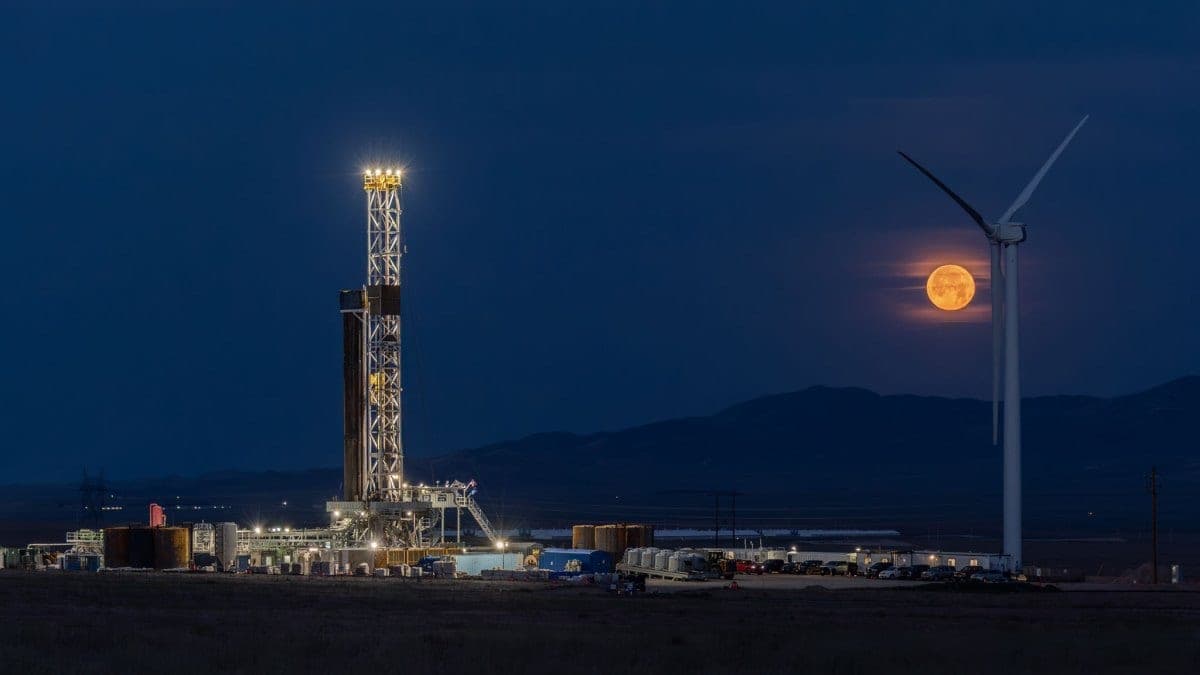
Fervo Energy's first 33-megawatt block at Cape Station in Utah reached commercial operation a day ahead of schedule, after 23 months of construction. Two more blocks follow by January 2027.
Tide
Ripple
Sci-fi
3/10
Reality
Shipping
Drilling deep enough to borrow heat from the planet itself.How we rate
Fervo Energy's first enhanced geothermal power plant at Cape Station in Utah reached commercial operation on September 30, a day ahead of its deadline, producing 33 megawatts.
Fervo says it is the first project of its kind in the world to reach that milestone, after 23 months of construction. Two more blocks are due by January 2027, and a 400-megawatt second phase is planned for 2028.
What to know
- Fervo Energy's first power plant at Cape Station in Beaver County, Utah, reached commercial operation on September 30, one day before its contractual deadline.
- Fervo says it is the first greenfield enhanced geothermal project in the world to reach contractual commercial operation, producing 33 MW of net power.
- The first block took 23 months to build and commission; Fervo aims for 18 months on future blocks.
- Two more 33 MW blocks are due by January 1, 2027, and a further 400 MW phase is under construction for 2028.
Fervo Energy announced that its first power plant at Cape Station has reached commercial operation, a day ahead of schedule. Now the interesting part: why is a geothermal plant in rural Utah suddenly tech news?
First, what's enhanced geothermal?
Geothermal power uses heat from inside the Earth to make electricity. Hot rock heats water, the water makes steam, and the steam spins a turbine.
Traditional geothermal plants tap heat that sits close to the surface. That only works in a few lucky places. Enhanced geothermal goes deeper.
TechCrunch explains the idea: Fervo and its peers drill deeper because deeper rock is hotter, which opens up many more places where plants can be built. Fervo, founded in 2017, brings drilling techniques and technology from the oil and gas industry to the job.
Think of it like the difference between collecting rainwater and digging a well. One works only where the weather cooperates. The other works almost anywhere, if you're willing to dig.
What did Fervo actually achieve?
Here's the timeline Fervo gave in its announcement:
- September 24: Cape Station synchronized to the grid, meaning it began feeding power into it.
- September 30: Fervo declared commercial operation, one day before its contractual deadline.
- Now: the plant is earning revenue under Fervo's power purchase agreement, a long-term contract to sell its electricity.
Fervo says this makes Cape Station the first greenfield enhanced geothermal development in the world to reach contractual commercial operation. Greenfield means built from scratch on new land, not added to an existing plant.
What does "commercial operation" mean here? It's the date a plant officially starts regular, contract-defined service: testing is done, the sales contract kicks in, and the plant can start counting revenue. For Cape Station, that came just six days after the plant first connected to the grid. Hitting it before the contract deadline is exactly the kind of detail investors and power buyers watch.
The first block hit 33 MW of net power. Fervo says that meets the production level expected under its contract, and shows the block is performing to expectations even this early.
TechCrunch frames it in plain terms: this first block brings online the first third of what will soon be a 100-megawatt power plant.
Fervo's own view is bigger. It says the milestone shows enhanced geothermal can deliver reliable, around-the-clock, carbon-free electricity at commercial scale. Latimer called it "both a huge milestone for Fervo, and a turning point for the entire energy industry."
How big will Cape Station get?
Fervo builds in units it calls GeoBlocks, each about 33 megawatts. The plan, according to Fervo:
| Phase | Size | Expected commercial operation |
|---|---|---|
| Phase I, block 1 | 33 MW | September 30, 2026 (done) |
| Phase I, blocks 2 and 3 | about 66 MW | By January 1, 2027 |
| Phase II | 400 MW | 2028 |
Commissioning is still underway on the other two Phase I blocks. Phase II is already under construction.
And that may not be the ceiling. Fervo previously told TechCrunch the whole site could produce as much as 4 gigawatts of electricity.
Across its whole portfolio, Fervo's CFO David Ulrey says the company has signed more than 1 gigawatt of binding power purchase agreements.
Ulrey called this first block "the beginning of our build into a durable base of predictable, long-term revenue generation." In other words, every block that switches on starts earning money under contracts that run for years.
Fervo says it expects Cape Station's contracted capacity to become a growing, long-term revenue stream, backed by multi-year agreements with buyers.
Why does speed matter so much?
Big power projects are famous for running late. Fervo's CEO Tim Latimer leaned on that point:
"No team has ever built a project like this anywhere in the world, and we did it ahead of schedule. We are excited to prove that Fervo Energy can bring a new track record of execution to the power sector, an industry where project delays are often the norm."
The first block took 23 months from groundbreaking to commercial operation. Fervo says it can cut that to 18 months for future blocks as it applies what it learned.
Dawn Owens, who leads development and commercial markets at Fervo, put the goal simply: "Every GeoBlock we bring online makes the next one faster and more predictable." She added that this repeatability "is the foundation of how we scale and bring down costs."
That's the core bet. Build the same block again and again, get quicker each time, and the price of the power comes down. It's the factory approach, applied to a power plant.
So why do tech companies care?
The big picture: AI is hungry for electricity. TechCrunch notes that power-starved data center operators have been searching every corner of the energy sector for capacity.
Geothermal has two traits that fit that need:
- It runs all the time: Fervo describes enhanced geothermal as reliable, 24/7, carbon-free power. Unlike solar or wind, it doesn't depend on the weather.
- It grows in steps: TechCrunch points out that geothermal can be built in phases, much like data centers, so big tech companies can add server racks as demand grows.
That's why the buyer list matters. TechCrunch reports that Google, Southern California Edison and others have committed to buying power from Cape Station. Fervo itself says it's built to meet rising demand from "AI hyperscalers, utilities, and a more electricity-intensive economy."
If you follow the AI power crunch, this connects to the wider scramble for energy behind new AI data centers.
In real life When you ask an AI chatbot a question, a data center somewhere draws power to answer it. Projects like Cape Station are one of the ways companies hope to supply that power around the clock without burning more fossil fuel.
Who is Fervo Energy?
Fervo is based in Houston and trades on Nasdaq as FRVO. Some background from TechCrunch:
- Founded: 2017
- Private funding: more than $1.3 billion as a startup, from investors including Breakthrough Energy Ventures, Congruent Ventures and Capricorn Investment Group
- IPO: went public in May in an upsized offering that raised $1.9 billion
Fervo isn't alone. TechCrunch notes it is one of several companies developing enhanced geothermal plants. Being first to commercial operation gives it a head start, and a working plant to point to.
What's next: Fervo says it is focused on bringing the remaining Phase I blocks online and moving Phase II toward its 2028 start. Like any company outlook, those dates are plans, not guarantees.
What it means for you
- Your power bill won't change tomorrow: 33 megawatts is small next to a big grid, but it proves the technology works commercially.
- Cleaner power for AI: some of the electricity behind the AI tools you use could come from plants like this, with Google already signed up as a buyer.
- Watch the timelines: if Fervo hits January 2027 and 2028 on schedule, enhanced geothermal moves from experiment to a real option.
The bottom line
Fervo's Cape Station is the first enhanced geothermal plant in the world to sell power under a commercial contract, and it got there a day early. It's small for now, but it's built to grow in blocks, and AI-hungry buyers like Google are already lined up.
Key facts
- Location
- Cape Station, Beaver County, Utah
- First block output
- 33 MW net (Fervo)
- Commercial operation
- September 30, 2026, one day early
- Build time
- 23 months; 18-month target for future blocks
- Next phases
- About 100 MW Phase I by Jan 1, 2027; 400 MW Phase II in 2028
Got questions?
Quick answers, plain wordsWhat is enhanced geothermal energy?
It's geothermal power from drilling deeper than traditional plants, where the rock is hotter. TechCrunch notes that Fervo uses drilling techniques and technology from the oil and gas industry.
What is Cape Station?
Cape Station is Fervo Energy's geothermal power project in Beaver County, Utah. Its first 33-megawatt block reached commercial operation on September 30, 2026.
How much power does Cape Station produce?
The first block produces 33 MW of net power. Phase I will total about 100 MW across three blocks, and Phase II adds another 400 MW.
When will the rest of Cape Station come online?
Fervo expects the two remaining Phase I blocks to reach commercial operation by January 1, 2027. Phase II is under construction, with operation expected in 2028.
How long did it take to build?
Fervo built and commissioned the first block in 23 months, from groundbreaking to commercial operation. It aims to build future blocks in as little as 18 months.
Who buys power from Cape Station?
TechCrunch reports that Google, Southern California Edison and others have committed to buying power from Cape Station.
Why do AI data centers care about geothermal?
Data centers need a lot of steady power fast. TechCrunch notes geothermal can be built in phases, like data centers, and Fervo describes its power as 24/7 and carbon-free.
Is Fervo Energy a public company?
Yes. Fervo trades on Nasdaq as FRVO. TechCrunch reports it went public in May in an IPO that raised $1.9 billion.
How big could Cape Station get?
Fervo previously told TechCrunch the whole site could generate as much as 4 gigawatts of electricity.
SourcesFervo Energy
Topics and tagsData centers, fervo energy, geothermal, energy
Related stories
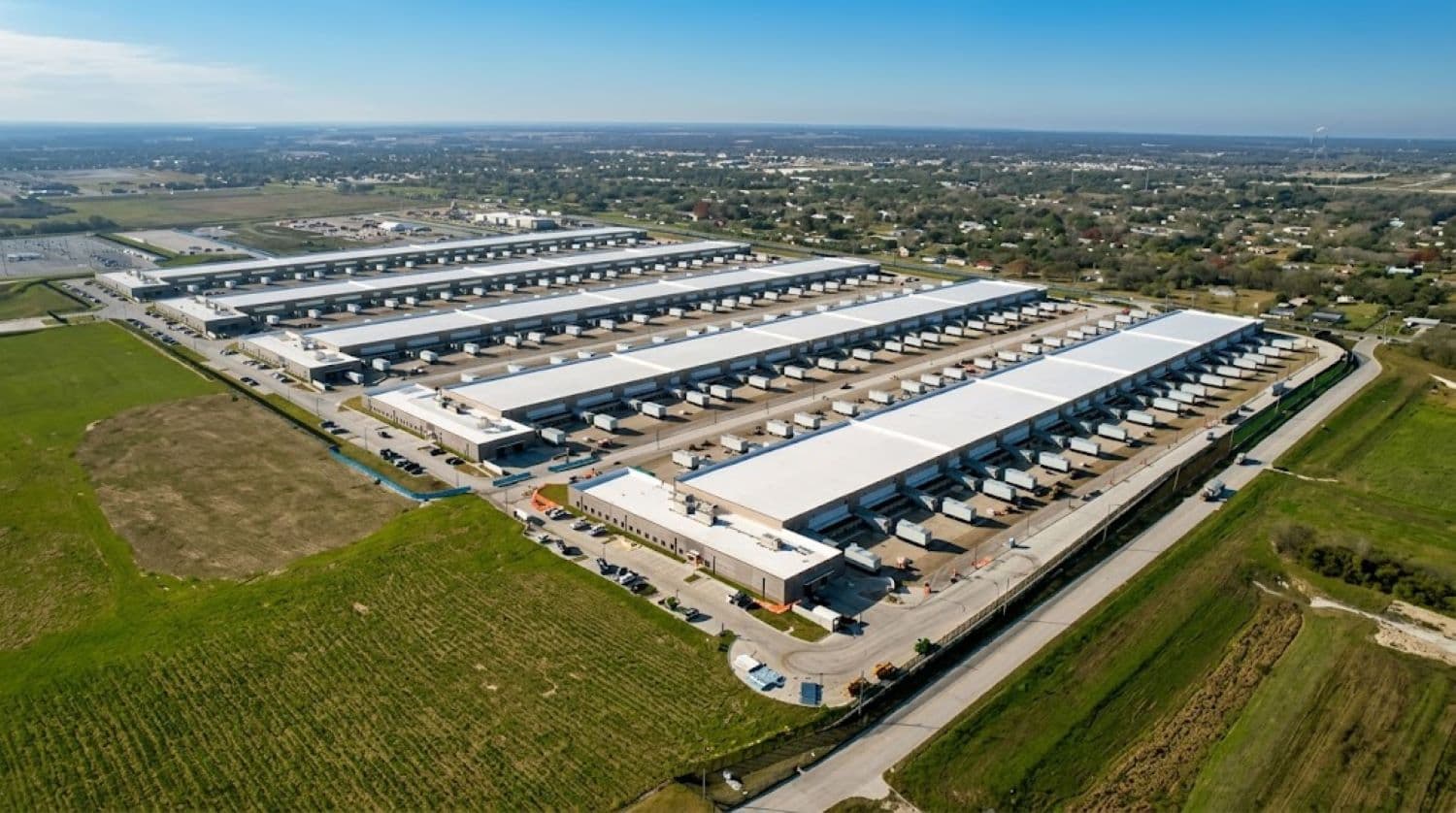
Developer offers $10,000 checks to 4,500 households for a data center, gets rejected anyway
NorthPoint Development offered $10,000 checks to roughly 4,500 households near Hazle Township, Pennsylvania, if residents support its 1,300-acre data center, but locals are pushing back over noise, property values, and trust.

Apple's smart home hub reportedly launches October 13, with a camera that never records video
Bloomberg's Mark Gurman says Apple will announce its long-rumored smart home display on October 13. He also describes a companion home camera that sends text descriptions instead of video.

GrayKey maker reportedly found a way around the iPhone's Inactivity Reboot
A leaked training video seen by 404 Media says Magnet Forensics' new tools keep a seized iPhone in an easier-to-search state, even after the reboot Apple added in iOS 18.1.
More in brief
- California will fine robotaxi companies that block first responders for over 30 minutesOct 2
- Microsoft launches real-time transcription and new voice models for AI voice agentsOct 1
- Cloudflare releases Clef, open-weight AI models that make yes-or-no decisions fastOct 1
- Cloudflare renames its data platform Basin and makes it generally availableOct 1
- ChatGPT can now show you wearing clothes before you buy themOct 1
- Judge dismisses Chegg and Penske antitrust suits over Google's AI OverviewsOct 1