
Technology·News & analysis
Google signs a deal to squeeze 890 MW more out of Constellation's nuclear plants
Google will be the anchor customer for upgrades at six existing nuclear plants in Illinois, Pennsylvania and New Jersey, adding power to the grid by 2032. Constellation will also use Google's Gemini Enterprise to run the work.
Tide
Wave
Sci-fi
1/10
Reality
Shipping
The fastest new reactor is the one you already own.How we rate
Google signed a deal with Constellation Energy to pay for upgrades that add 890 MW of power from existing nuclear reactors, roughly one new large reactor's worth, by 2032.
Building a new plant can take a decade or more, so tech companies hungry for data center power are turning to the fleet that already exists. Google says other electricity customers won't pay for it, which matters as AI's power demand pushes up worries about bills.
What to know
- Google signed a power purchase agreement with Constellation Energy to fund upgrades that add 890 MW of nuclear capacity to the PJM grid before the end of 2032.
- The work covers 11 reactors at six operating plants in Illinois, Pennsylvania and New Jersey. Google says other grid customers won't bear the costs.
- Constellation will also use Google Cloud's Gemini Enterprise agentic workflows to plan the upgrades, manage construction and optimize plant output.
- Google says it has now enabled more than 1.5 GW of new US nuclear capacity through uprates and restarts. Bloomberg had reported the deal could be worth $1 billion or more.
Google has found another way to get more electricity for its data centers without waiting for new power plants: pay to upgrade the ones that already exist.
The company announced a power purchase agreement with Constellation Energy on Tuesday that will add 890 megawatts of nuclear capacity to the PJM grid by upgrading reactors at six operating plants.
What's in the deal?
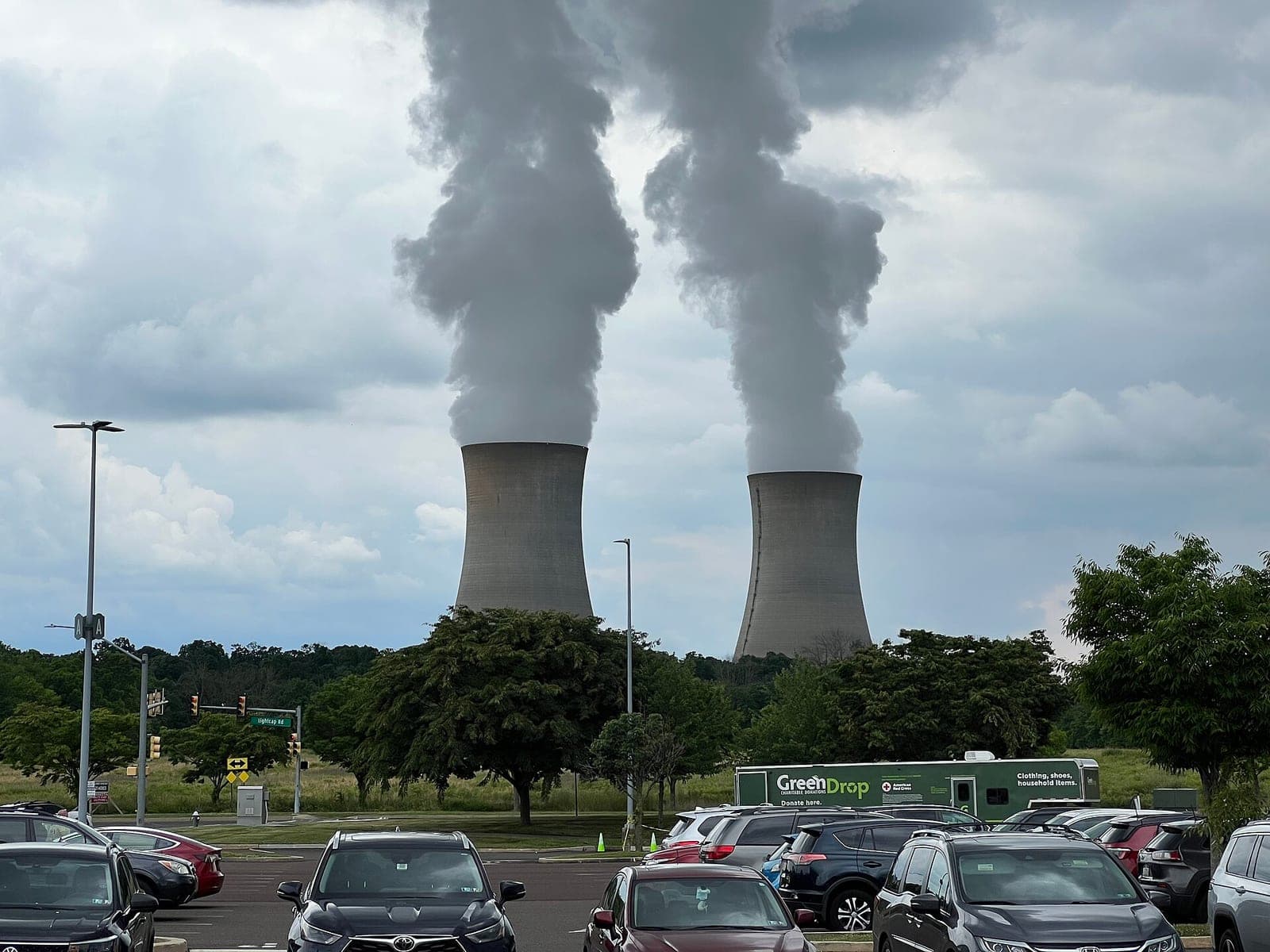
The upgrades: Google is financing physical and digital upgrades at six operating nuclear plants across Illinois, Pennsylvania and New Jersey. The money will let Constellation upgrade 11 of its nuclear reactors, Google says.
The power: before the end of 2032, the projects will add 890 MW of firm, 24/7 clean power to the PJM grid. That's roughly the equivalent of adding an entirely new large reactor, according to Google.
The grid: PJM spans 13 states across the industrial Mid-Atlantic and Midwestern US and serves 67 million Americans.
The jobs: Google says the work will sustain roughly 4,400 existing jobs and support about 7,200 new construction jobs.
The AI part: Constellation will deploy Google Cloud's Gemini Enterprise agentic workflows across its core operations. The goal is to speed up uprate planning, streamline construction and optimize plant output.
What is an uprate?
It's a way to get more power out of a reactor that's already running.
A nuclear uprate modernizes turbines, steam generators and digital control systems to boost the power output of an existing reactor, Google explains.
Why it's faster: Google says the 890 MW will arrive "years quicker" than building a new reactor from the ground up, with significant cost savings for the system. Brand-new reactors can take a decade or longer to get permitted and built, Bloomberg reported, citing a source.
"As electricity demand grows in the U.S., the fastest new megawatt is often the one that can be provided by existing infrastructure," Google wrote.
There's room to grow. Nuclear power generates nearly 20% of US electricity, and the country has 94 operating reactors, according to Google.
Why long contracts matter: Google says its long-term commitment gives the projects the certainty they need to stand up supply chains, invest in a skilled workforce and secure the most efficient sources of capital.
Who pays?
Google says it does.
By serving as the anchor customer for the uprate projects, Google says it provides the long-term revenue certainty Constellation needs to invest in the upgrades, "while ensuring other grid customers bear none of the associated costs."
Google didn't disclose financial terms. Before the announcement, Bloomberg reported that Google was close to a nuclear power deal with Constellation valued at $1 billion or more.
How big is Google's nuclear push?
With this deal, Google says it has now enabled more than 1.5 gigawatts of new nuclear capacity for the US energy system, by increasing the output of existing reactors and bringing dormant plants back online.
The national goal: the US Department of Energy has set a target of enabling 5 GW of domestic nuclear expansion by 2030 through uprates and restarts of the existing fleet. Google says its agreements are expected to enable nearly 25% of that goal by the end of the decade.
Google listed its other nuclear projects:
- Georgia: an agreement with Georgia Power to support uprates across four reactor units, which Google expects to enable about $900 million in ratepayer benefits. Benzinga reported the deal covers the Vogtle and Hatch plants.
- Iowa: a collaboration with NextEra Energy to restart the Duane Arnold Energy Center, bringing more than 600 MW of carbon-free power online.
- Tennessee: a partnership with Kairos Power and the Tennessee Valley Authority to deploy advanced nuclear reactors and reinvest in Oak Ridge.
Constellation's busy month
Google isn't Constellation's only big tech customer.
Amazon: on September 30, Amazon signed a 20-year power purchase agreement for 690 MW from Constellation's Calvert Cliffs plant in Maryland, Benzinga reported. The deal is expected to support more than $3 billion in investment, including about 190 MW of new capacity coming online between 2030 and 2032.
"This agreement demonstrates how private investment can strengthen critical energy infrastructure," Constellation CEO Joe Dominguez said of the Amazon deal.
Calvert Cliffs is a 1,790 MW plant and Maryland's only nuclear power plant, supplying about 80% of the state's clean electricity, according to the companies. Amazon's long-term commitment is also expected to support Constellation's effort to renew the plant's operating license for another 20 years. The two companies also signed a separate retail electricity supply agreement covering Amazon's operations across PJM, Benzinga reported.
Earlier this year: Constellation signed long-term power purchase agreements in the second quarter for roughly 920 MW of nuclear power, the American Nuclear Society reported. One customer was Walmart, which agreed to buy 176 MW from Constellation's Dresden plant in Illinois.
Those contracts run 15 to 20 years and start between 2029 and 2032. About 890 MW of that 920 MW comes from existing generation, with the rest from a planned 30 MW uprate at Dresden.
The stock: Constellation shares rose about 3% in premarket trading Tuesday on the Amazon deal and reports of the Google talks, Investing.com reported. The day before, shares had come under pressure after the Federal Energy Regulatory Commission put a hold on a PJM capacity procurement submission over cost-allocation concerns.
Other buyers: Meta and Microsoft have also signed nuclear power agreements for their data centers, Benzinga noted.
Why existing plants are hot property
Tech companies need constant power for data centers, and wind and solar output depends on weather and time of day, Finimize noted in its summary of Bloomberg's report.
Dominguez has argued existing generation is the answer for now. On Constellation's second-quarter earnings call, he called existing power plants the "bedrock" of "this early phase of the data economy," according to the American Nuclear Society.
"Otherwise, we'd be waiting for every data center, for every megawatt to be interconnected and built," he said. "If that's the case, we might as well hand over the keys to China."
"We're never going to build this economy if the outcome is going to be we've got to wait for new power plants to be built before we can connect any data center," Dominguez added.
Constellation's nuclear fleet produced 44,160 gigawatt-hours in the second quarter and ran at a 93% capacity factor, excluding its shares of two jointly owned plants, the American Nuclear Society reported.
Constellation is also working to restart the reactor formerly known as Three Mile Island-1, now called the Crane Clean Energy Center, in the second half of 2027, according to the American Nuclear Society.
What it means for you
- If you live in the PJM region: more power is coming to your grid by 2032, and Google says you won't pay for these upgrades.
- If you follow AI: the race for data center power is shifting toward squeezing more out of existing plants, because new ones take too long.
- If you care about clean energy: uprates add carbon-free power without new sites, but they're a bridge, not a replacement for building new capacity.
The bottom line
Google will fund upgrades to 11 reactors at six Constellation nuclear plants, adding 890 MW to the PJM grid before the end of 2032 and pushing its total of new US nuclear capacity past 1.5 GW. It's a faster, cheaper path than new reactors, and Google says other customers won't foot the bill.
Key facts
- New capacity
- 890 MW, before the end of 2032
- Plants
- 6 operating plants, 11 reactors, in Illinois, Pennsylvania and New Jersey
- Grid
- PJM, 13 states, 67 million people
- Jobs
- About 4,400 sustained, about 7,200 construction jobs
- Google's nuclear total
- More than 1.5 GW from uprates and restarts
Got questions?
Quick answers, plain wordsWhat did Google and Constellation announce?
A power purchase agreement under which Google finances physical and digital upgrades at six operating Constellation nuclear plants. The upgrades will add 890 MW of capacity to the PJM grid before the end of 2032, Google says.
What is a nuclear uprate?
An upgrade that boosts the power output of an existing reactor by modernizing equipment such as turbines, steam generators and digital control systems, according to Google. It adds capacity without building a new plant.
Why not just build new reactors?
Brand-new reactors can take a decade or longer to get permitted and built, Bloomberg reported, citing a source. Google says these uprates will add roughly the equivalent of a new large reactor years faster.
Which plants are involved?
Google says six operating plants across Illinois, Pennsylvania and New Jersey, covering 11 reactors. Its announcement doesn't name the individual plants.
How much is the deal worth?
Google didn't disclose financial terms. Before the announcement, Bloomberg reported that Google was close to a deal with Constellation valued at $1 billion or more.
Will this raise electricity bills for other customers?
Google says that as the anchor customer it provides the long-term revenue Constellation needs to invest in the upgrades, while ensuring other grid customers bear none of the associated costs.
What does Gemini Enterprise have to do with it?
Constellation is deploying Google Cloud's Gemini Enterprise agentic workflows across its core operations to speed up uprate planning, streamline construction and optimize plant output, according to Google.
What other nuclear deals does Google have?
Google says it is supporting uprates at four Georgia Power reactor units, restarting the Duane Arnold Energy Center in Iowa with NextEra Energy, and working with Kairos Power and the Tennessee Valley Authority on advanced reactors in Tennessee.
Is Google the only tech company buying nuclear power from Constellation?
No. Amazon signed a 20-year deal on September 30 for 690 MW from Constellation's Calvert Cliffs plant in Maryland, and Constellation has also signed nuclear agreements with Walmart and other customers this year.
SourcesGoogle
Topics and tagsGoogle, Data centers, google, nuclear
Related stories
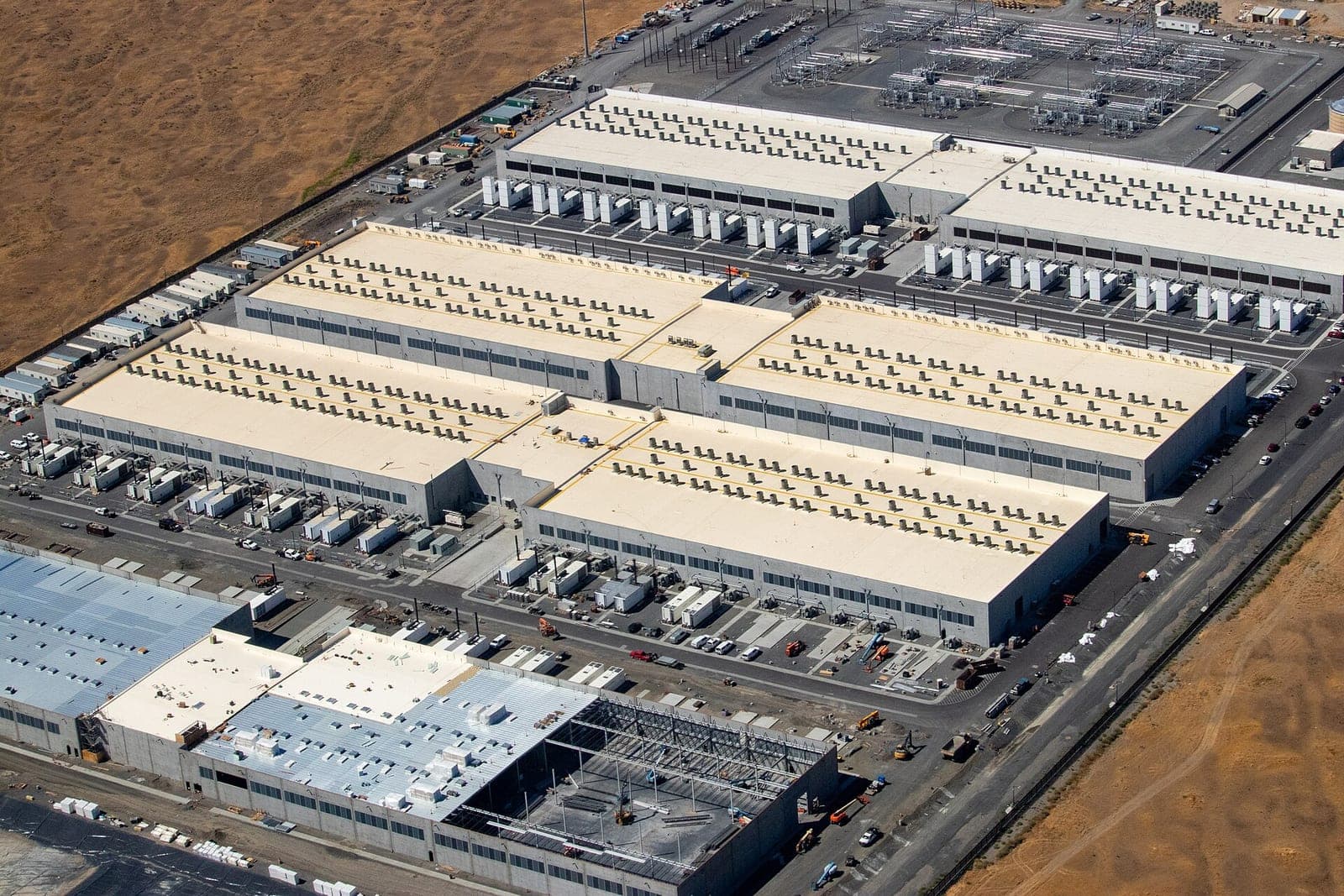
Amazon pledges $1B+ to the towns that host its data centers
AWS's new Built Together program promises free community college, home energy upgrades and local grants over five years, as more than 100 data center moratoriums are being weighed across the US.
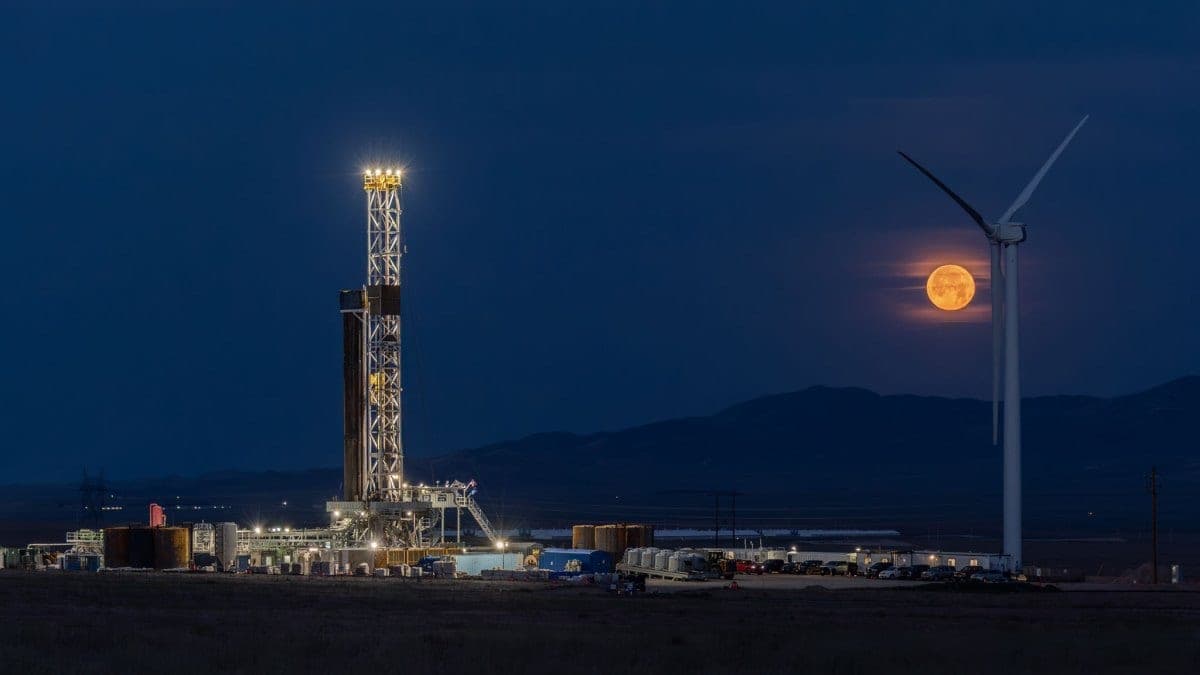
Fervo's Cape Station becomes the first enhanced geothermal plant to sell power commercially
Fervo Energy's first 33-megawatt block at Cape Station in Utah reached commercial operation a day ahead of schedule, after 23 months of construction. Two more blocks follow by January 2027.

Google says some Android apps need extra work to run well on Intel Googlebooks
Days after Googlebooks went on sale, Google admitted a small number of complex apps and games need developer tuning on the three Intel models. The Arm-based Dell and HP run Android natively.
More in brief
- Qualcomm will license Huawei's patents, a reversal 25 years in the makingOct 6
- FBI drops an Accenture contractor after a missed patch exposed staff dataOct 6
- OpenAI apologizes to Australian lawmakers for its AI agent's Medicare website hackOct 6
- UK regulator Ofcom investigates Meta over Instagram's disappearing-photo feature InstantsOct 6
- South Korea's president says AI was likely used in a wave of bank hacksOct 6
- Atlassian warns of a critical file access flaw in Jira, Confluence and six more Data Center productsOct 6