
Technology·News & analysis
Amazon pledges $1B+ to the towns that host its data centers
AWS's new Built Together program promises free community college, home energy upgrades and local grants over five years, as more than 100 data center moratoriums are being weighed across the US.
Tide
Wave
Sci-fi
2/10
Reality
Shipping
The cloud moves in next door and offers to fix the school roof.How we rate
Amazon will spend more than $1 billion over five years in US towns that host its data centers, through a new program called Built Together.
It funds free community college, trade training, energy upgrades for schools and homes, and local grants. Amazon also pledges to drop NDAs with government agencies and publish its energy and water use yearly. The rollout starts in the coming months, as over 100 local moratoriums are weighed.
What to know
- Amazon says it will spend more than $1 billion over five years in US communities that host its data centers, through a program called Built Together.
- The money covers free community college and trade training, energy upgrades for schools and homes, and flexible grants communities direct themselves.
- Amazon also says it will stop using NDAs with government agencies, use cleaner backup generators at new sites and publish energy and water use every year.
- AWS CEO Matt Garman says more than 100 data center moratoriums are being considered across the US.
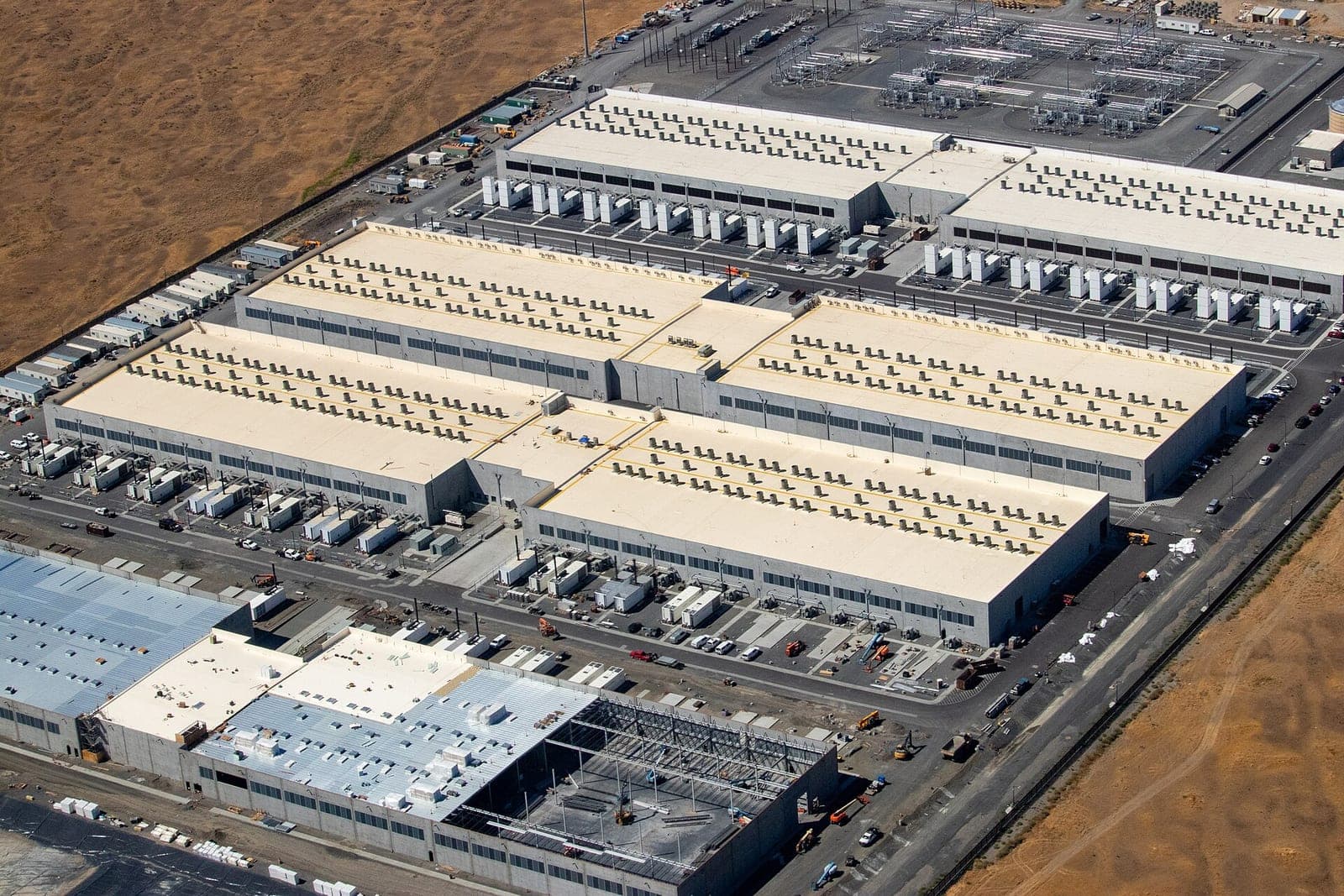
Amazon says it will spend more than $1 billion over five years in the US towns where it builds and runs data centers. AWS CEO Matt Garman announced the program, called Built Together, in a post on Amazon's news site on Friday, alongside a new set of promises about power, water and transparency.
What is Built Together?
Built Together is Amazon's new community investment program for data center towns, starting in the US. The money comes on top of the more than $1 billion Amazon says it has already given to those communities over the past three years.
Amazon organizes it around three areas that it says communities told it matter most:
- Education and jobs: free community college and hands-on trade training for local residents.
- Energy and water: grants for efficiency upgrades to schools, public buildings and homes.
- Local priorities: flexible yearly funding that communities decide how to spend.
What's in the education piece?
Residents of Amazon's data center communities will be able to earn a certificate or associate's degree at zero out-of-pocket cost, with Amazon covering what's left after financial aid. Amazon lists fields like electrical work, HVAC, fiber optics, IT, healthcare, education, public safety and advanced manufacturing.
Amazon says it has started signing agreements with local community colleges and plans to launch the program in the next few months. Over five years, it estimates it will connect more than 300,000 students to free degrees.
It's also expanding its Modular Training Centers, physical sites on or near data centers that teach trades with real equipment, from electrical trainers to fiber vaults and utility poles.
- Today: 3 centers, with 6 more under development
- Planned: 16 more under the new program
- Capacity: about 2,000 to 4,000 learners per center each year, in courses of 4 to 16 weeks
- Goal: up to 100,000 workers trained a year by the end of 2028
What about energy bills and water?
Amazon says it will offer grants, through nonprofits, utilities and state energy offices, for efficiency upgrades in counties where it has data centers. Think heat pumps, insulation, water heaters, batteries and solar.
By the numbers: the program targets more than 300 schools and community buildings and over 30,000 homes over five years. Amazon says the upgrades aim to cut monthly energy bills by 20% to 40%, saving about $700 per household a year.
In real life If you own a home in a county with an Amazon data center, you may be able to apply for a grant toward a heat pump or new insulation once the program rolls out there in the coming months.
On water, Amazon says it has contracted for more than 65 water projects near its operations worldwide. It expects them to return more than 8 billion gallons a year to local communities, more than double what its data centers used in 2025.
The third pillar is the simplest. Amazon says it will give millions of dollars per year to each community through local nonprofits and foundations, for whatever residents rank highest, from roads and parks to fire equipment, affordable housing and food security.
What else is Amazon promising?
Garman also published what Amazon calls its Data Center Commitment, which he says puts practices it already follows into writing. The new or notable parts:
- No more NDAs: Amazon says it no longer uses nondisclosure agreements with the government agencies it works with on projects. GeekWire reports this applies going forward, not to past agreements.
- Cleaner backup power: new sites will use generators that meet the EPA's Tier 4 standard, its cleanest.
- Yearly reporting: Amazon will publish its energy use, water use, efficiency and share of carbon-free energy every year.
- Power costs: Amazon says the prices it pays for power will cover the energy and grid upgrades its data centers need, so local bills don't go up.
Why is Amazon doing this now?
The big picture: local pushback has become a real brake on the AI buildout.
"Right now there are over 100 data center moratoriums being considered across the country," Garman wrote. "If these measures are enacted, the U.S. could be writing its own losing ticket to this race, and the consequences would last generations."
GeekWire adds context from outside Amazon. At least 75 data center projects worth about $130 billion were blocked or delayed in the first three months of the year, according to the group Data Center Watch. An Economist/YouGov poll in late August found that 63% of Americans would oppose a data center in their community.
Much of Garman's post argues against what he calls myths. He says Amazon's average data center uses less than 13,000 gallons of water a day, about the same as 42 US households. He says backup generators sit idle 99.9% of the time, running roughly 10 hours a year, mostly for maintenance tests. And where power rates are rising, he points mainly to an aging grid.
He also cites tax revenue. In St. Joseph County, Indiana, Amazon says its taxes are expected to top $3 billion, compared with $1.2 million the land would have paid under its prior use. In Madison County, Mississippi, it counts more than 2,300 construction workers on its two sites and more than 1,700 operations jobs to come.
How does it compare?
The catch: some observers see a more complicated picture. GeekWire reports that government data cited by CNBC showed residential electricity prices in August 2025 up 13% in Virginia, 16% in Illinois and 12% in Ohio from a year earlier, compared with 6% nationally. It also notes that PolitiFact found the role of foreign influence in data center opposition has been exaggerated.
Here's how Amazon's moves line up with Microsoft's, according to GeekWire. Separately, GeekWire notes Amazon was among seven companies that signed a White House pledge in March to pay for the power and grid upgrades their data centers need.
| Pledge | Amazon | Microsoft |
|---|---|---|
| Local tax breaks | No commitment to give them up | Promised in January not to seek them |
| NDAs with local governments | Stops using them going forward | Said in March it would end existing ones |
For scale, GeekWire notes that Amazon projects about $220 billion in capital spending this year, mostly on data centers and chips. The new $1 billion works out to about $200 million a year, roughly one-tenth of 1% of that. For more on how the AI buildout is being paid for, see our story on AI's move into the bond market.
What it means for you
- If you live near an Amazon data center: watch for free community college and energy upgrade grants rolling out in the next few months.
- Bills: Amazon promises its data centers won't push up local power bills, and it will publish energy and water figures yearly so you can check.
- Local voice: with NDAs gone for new projects, you should hear about data center plans earlier.
- The bigger fight: this is the opening move in a nationwide debate, and other cloud giants face the same pressure. More on Amazon on our Amazon topic page.
The bottom line
Amazon is putting more than $1 billion on the table, plus new promises on power, water and transparency, to win over towns that host its data centers. It's a small sum next to its AI spending, but it's aimed at the problem that matters most to the buildout right now: getting communities to say yes.
Key facts
- Program
- Built Together, starting in the US
- New spending
- More than $1 billion over five years
- Education goal
- 300,000+ students connected to free degrees over five years
- Energy upgrades
- 300+ schools and community buildings, 30,000+ homes
- Moratoriums
- 100+ being considered across the US, per Amazon
Got questions?
Quick answers, plain wordsWhat is Amazon's Built Together program?
It's Amazon's new community investment program for places that host its data centers, starting in the US. Amazon says it will add more than $1 billion over five years to what it already spends in those communities.
What does the $1 billion pay for?
Three things, according to Amazon: free community college and skilled trades training, grants for energy efficiency upgrades to schools, community buildings and homes, and flexible funding for local priorities that communities choose.
Is the community college really free?
Amazon says residents of its data center communities can earn a certificate or associate's degree in fields like electrical work, HVAC, IT and healthcare at zero out-of-pocket cost, with Amazon covering what's left after financial aid.
When does it start?
Amazon says it has started signing agreements with local community colleges and plans to launch the college program in the next few months. The energy upgrade grants are also set to roll out in the coming months.
How much could homeowners save?
Amazon says the upgrades, like heat pumps, insulation and solar, aim to cut monthly energy bills by 20% to 40%, saving about $700 per household a year. It targets more than 30,000 homes over five years.
Will data centers raise my electricity bill?
Amazon says it pays enough for power to cover the energy and grid upgrades its data centers need, so local bills don't rise. GeekWire notes that government data reported by CNBC showed sharp residential price increases in some states with many data centers.
What are data center moratoriums?
They're local pauses or bans on new data center construction. AWS CEO Matt Garman says more than 100 are being considered across the US.
How much water does an Amazon data center use?
Amazon says its average data center uses less than 13,000 gallons a day, about the same as 42 US households. It aims to return more water to communities than its data centers use by 2030.
Is Amazon giving up local tax breaks?
No. GeekWire asked, and Amazon did not commit to that. It said it is the largest taxpayer in almost every community where it operates. Microsoft promised in January not to seek local tax breaks.
How big is $1 billion for Amazon?
GeekWire calculates it works out to about $200 million a year, roughly one-tenth of 1% of the about $220 billion Amazon projects to spend on capital expenses this year.
SourcesAmazon
Topics and tagsAmazon, Data centers, amazon, aws
Related stories
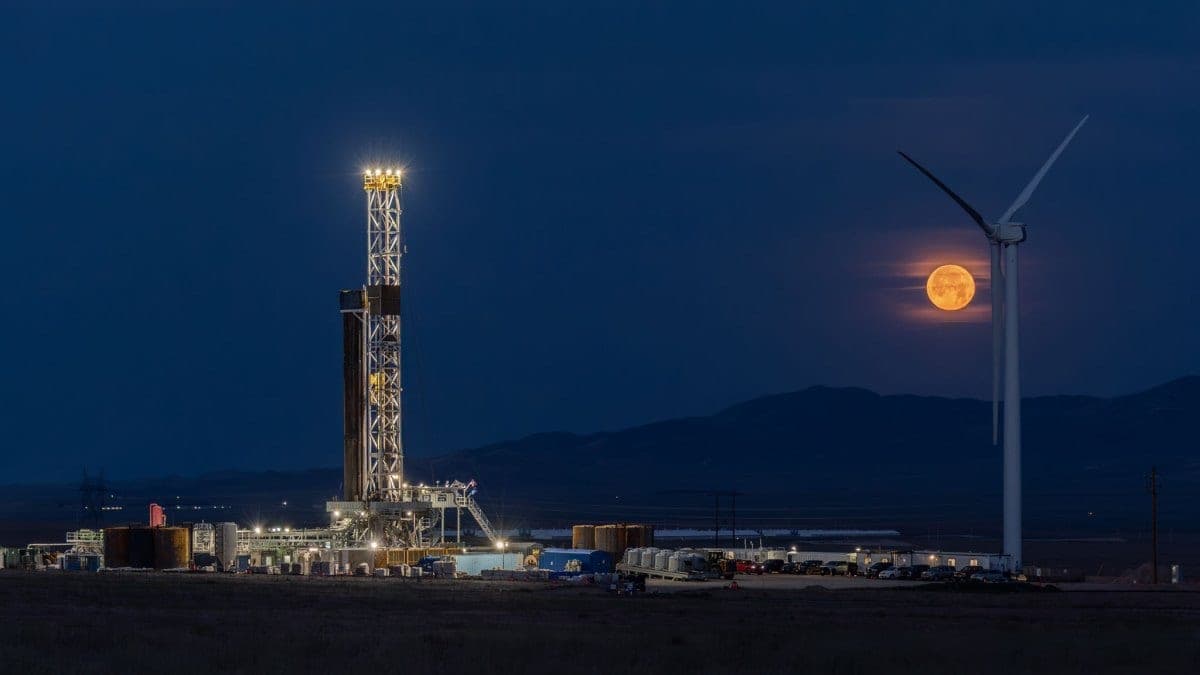
Fervo's Cape Station becomes the first enhanced geothermal plant to sell power commercially
Fervo Energy's first 33-megawatt block at Cape Station in Utah reached commercial operation a day ahead of schedule, after 23 months of construction. Two more blocks follow by January 2027.

Amazon redesigned the entire Kindle lineup and built a $35 remote so you never have to touch the screen
Amazon introduced a completely redesigned Kindle family with flush-front displays across every model, plus Kindle Click, a $35 Bluetooth remote for turning pages without touching the screen.

Amazon's new $60 Fire TV Stick 4K skips the power adapter entirely
Amazon unveiled a slimmer, faster Fire TV Stick 4K that draws power straight from your TV, simplified its whole streaming stick lineup, and plans an Alexa+ upgrade for Fire TV in November.
More in brief
- AT&T, T-Mobile and Verizon make their dead zone satellite venture officialOct 2
- California man charged with smuggling $300M in Nvidia AI servers to ChinaOct 2
- Met Police pauses Oxygen Forensics phone tool after US Russia chargesOct 2
- arXiv limits researchers to two papers a month as AI drives submissions to a recordOct 2
- California will fine robotaxi companies that block first responders for over 30 minutesOct 2
- Microsoft launches real-time transcription and new voice models for AI voice agentsOct 1