
Technology·News & analysis
UK must confirm its secret Apple encryption order, tribunal rules
The Investigatory Powers Tribunal rejected the Home Office's claim that confirming the order would harm national security. A final hearing on what can be released is expected next year.

Tide
Wave
Sci-fi
2/10
Reality
Shipping
A very old question, who holds the keys?How we rate
The UK's Investigatory Powers Tribunal ruled on November 19, 2026 that the government must confirm it issued Apple a secret order demanding access to encrypted customer data.
The tribunal said the Home Office had not shown that confirming it would damage national security. Liberty says it is the first time the government has been forced to confirm such an order. A final hearing on which details can be released is expected next year.
What to know
- On November 19, 2026, the UK's Investigatory Powers Tribunal ordered the government to confirm it issued a secret order demanding Apple provide encrypted customer data.
- The tribunal rejected the Home Office's claim that confirming the order would damage national security.
- Liberty says this is the first known time the government has been forced to confirm the existence of a secret technical order.
- The order itself is not cancelled, and a final hearing on which details can be released is expected next year.
A UK court has told the government to say out loud what everyone already knew: it sent Apple a secret order about encrypted data. So what did the ruling actually decide, and what does it change for people who use an iPhone?
What did the tribunal rule?
On Thursday, November 19, 2026, the UK's Investigatory Powers Tribunal ordered the government to confirm that it issued a secret order to Apple. The order demands that Apple give authorities access to encrypted customer information.
The tribunal is an independent court. It lets people challenge government surveillance, and it handles cases the public rarely gets to see. Here, it rejected the Home Office's argument that confirming the order would harm national security.
Liberty, the rights group that helped bring the challenge, says this is the first known time the government has been forced to confirm the existence of a secret technical order.
Why it matters: the order is still in place. What changed is that the government can no longer pretend it does not exist.
What is the order?
The order is called a technical capability notice. It is issued under the Investigatory Powers Act 2016, sometimes nicknamed the Snooper's Charter. It can require a company to keep or build the ability to give authorities access to data.
These notices come with a gag. The company that receives one is barred from telling the public about it. The government, for its part, has refused to confirm that this notice exists.
That left a strange situation. The notice was widely reported and discussed by politicians and security experts around the world. Yet neither side could officially say it was real.
What is Advanced Data Protection?
The order is about one Apple feature, Advanced Data Protection, or ADP. Apple launched it in 2022 as an opt-in setting for iCloud, Apple's online storage.
ADP uses end-to-end encryption on almost all iCloud data. That means the data is scrambled so only the user's own trusted devices can unscramble it. Apple holds no key, so it cannot read the data and cannot hand it over, even to a court.
The setting is off by default. There is a trade-off: if you forget your password and lose your recovery options, Apple cannot help you get your data back.
In real life Think of a safe in your home where you hold the only key. If police knock, the building manager cannot open it for them. ADP works like that for your iCloud photos and backups.
How did we get here?
The story has been running for almost two years. These are the main steps:
- January 2025: the UK government issued the first notice, reportedly demanding access to encrypted iCloud data for users anywhere in the world.
- February 2025: details leaked to the press. US officials and lawmakers criticized the plan, arguing it would put Americans' privacy at risk.
- February 21, 2025: Apple stopped offering ADP to new users in the UK. Existing UK users would eventually need to turn it off.
- March 2025: a secret hearing was scheduled at the tribunal. Privacy International, Liberty and two individual claimants filed their own complaints, asking for the hearing to be public and challenging the legal rules behind these notices.
- April 7, 2025: the tribunal released a public judgment. It rejected the Home Office's attempt to keep every detail of the case secret.
- October 2025: the UK was reported to have withdrawn the first notice and issued a second one aimed at British users. Apple's own legal challenge was then dismissed because of a change in circumstances.
The campaign groups' challenge kept going, and that is the case that led to this week's ruling.
What did Apple say at the time?
When Apple pulled ADP from the UK, it did not mention any order. It could not. It said it was "gravely disappointed" that the protections would not be available to UK customers.
The same statement said: "We have never built a backdoor or master key to any of our products or services and we never will." Apple has not commented on the ruling itself.
Some people called the move a clever way to signal the order without breaking the law. Apple did not frame it that way. It said only that it could no longer offer the feature in the UK.
Why did the order get narrower?
The first notice was reported to cover data from users everywhere. That caused a strong reaction in the United States, where White House officials and lawmakers criticized the effort.
The later notice was narrowed. It is said to cover the data of British nationals stored in Apple's encrypted cloud. Apple challenged that second order as well.
The detail of who exactly is covered matters. A rule that reaches only UK users still affects millions of people. A rule that reaches the whole world would affect every Apple customer.
What does the tribunal's ruling not do?
It is easy to read too much into this. The ruling does not cancel the order. It does not bring ADP back to the UK. It does not say the government's demand is lawful or unlawful.
What it does is decide how the case can be heard. The Home Office had argued that even confirming the order would be damaging to national security. The tribunal said the Home Office had not established that.
In earlier rulings the tribunal made a similar point about open justice. It said that holding a hearing entirely in secret would be "the most fundamental interference with the principle of open justice."
What's next: a final hearing on what specific details of the order can be released is expected next year. Much of the legal challenge can now be argued in open court.
Who else is watching?
Many companies and campaigners are. A technical capability notice can in theory be sent to any company that runs a communications service. That is why privacy groups say the case reaches beyond Apple.
The core worry is simple. A way into encrypted data that is built for the authorities can be found and used by criminals too. Security experts have said this for years, and it is the reason Apple says it will not build one.
Governments make the other argument. They say encryption can shield serious crime, and that police need lawful ways to see evidence. Both sides agree on one thing: this is a hard problem.
What it means for you
- If you live in the UK: nothing changes on your phone today. ADP is still unavailable for new users, and the ruling does not bring it back.
- If you use iCloud anywhere: standard iCloud encryption still lets Apple hold keys for many data types. ADP is the setting that removes Apple's access, where it is offered.
- If you care about privacy: the case will now be argued more in the open, so you will likely learn more over the coming year.
- If you work with sensitive information: keep an eye on the final hearing next year, because it will decide how much detail becomes public.
The bottom line
A court has said the UK government cannot keep the existence of its Apple order secret on national security grounds. The order itself stays, and the fight over whether it is lawful goes on.
The bigger change is how it will be fought. With the secret now acknowledged, the argument over who holds the keys to your data can finally be heard in public.
Key facts
- Ruling date
- November 19, 2026
- Court
- Investigatory Powers Tribunal
- Order type
- Technical capability notice, Investigatory Powers Act 2016
- Apple feature affected
- Advanced Data Protection for iCloud
- Next step
- Final hearing on releasable details, expected next year
Got questions?
Quick answers, plain wordsWhat did the tribunal decide?
The Investigatory Powers Tribunal ruled that the UK government must confirm it issued a secret order to Apple demanding access to encrypted customer data. It said the Home Office had not shown that confirming it would damage national security.
What is the Investigatory Powers Tribunal?
It is an independent UK court that lets people challenge government surveillance. It hears complaints about spying powers, including orders that the public is not supposed to see.
What is a technical capability notice?
It is a legal demand issued under the Investigatory Powers Act 2016. It can require a company to keep or build the ability to give authorities access to data. Companies that receive one are barred from talking about it.
What is Apple's Advanced Data Protection?
It is an opt-in iCloud setting that uses end-to-end encryption for most iCloud data. That means only the user's trusted devices hold the keys, so Apple cannot read the data or hand it over.
Can UK users turn on Advanced Data Protection today?
Apple stopped offering it to new UK users in February 2025. Apple said it was withdrawing the feature from the UK and that existing UK users would eventually need to turn it off.
Is the order cancelled?
No. The ruling is about whether the government must confirm the order exists. The order's requirements stay in place, but they can now be challenged more openly in court.
Who brought the challenge?
Liberty and Privacy International brought a legal challenge together with individual claimants. Liberty says the case is the first time the government has been made to confirm a secret technical order.
Has Apple commented on the ruling?
Apple did not respond to a request for comment on the ruling. It has said before that it has never built a backdoor or master key into any of its products or services and never will.
Has the Home Office confirmed the notice?
Not yet. The Home Office had not confirmed that a notice exists and did not respond to a request for comment. The tribunal's ruling now requires it to confirm.
What happens next?
A final hearing on which specific details of the order can be released is expected next year.
SourcesPrivacy International
Topics and tagsApple, AI policy, apple, encryption
Related stories
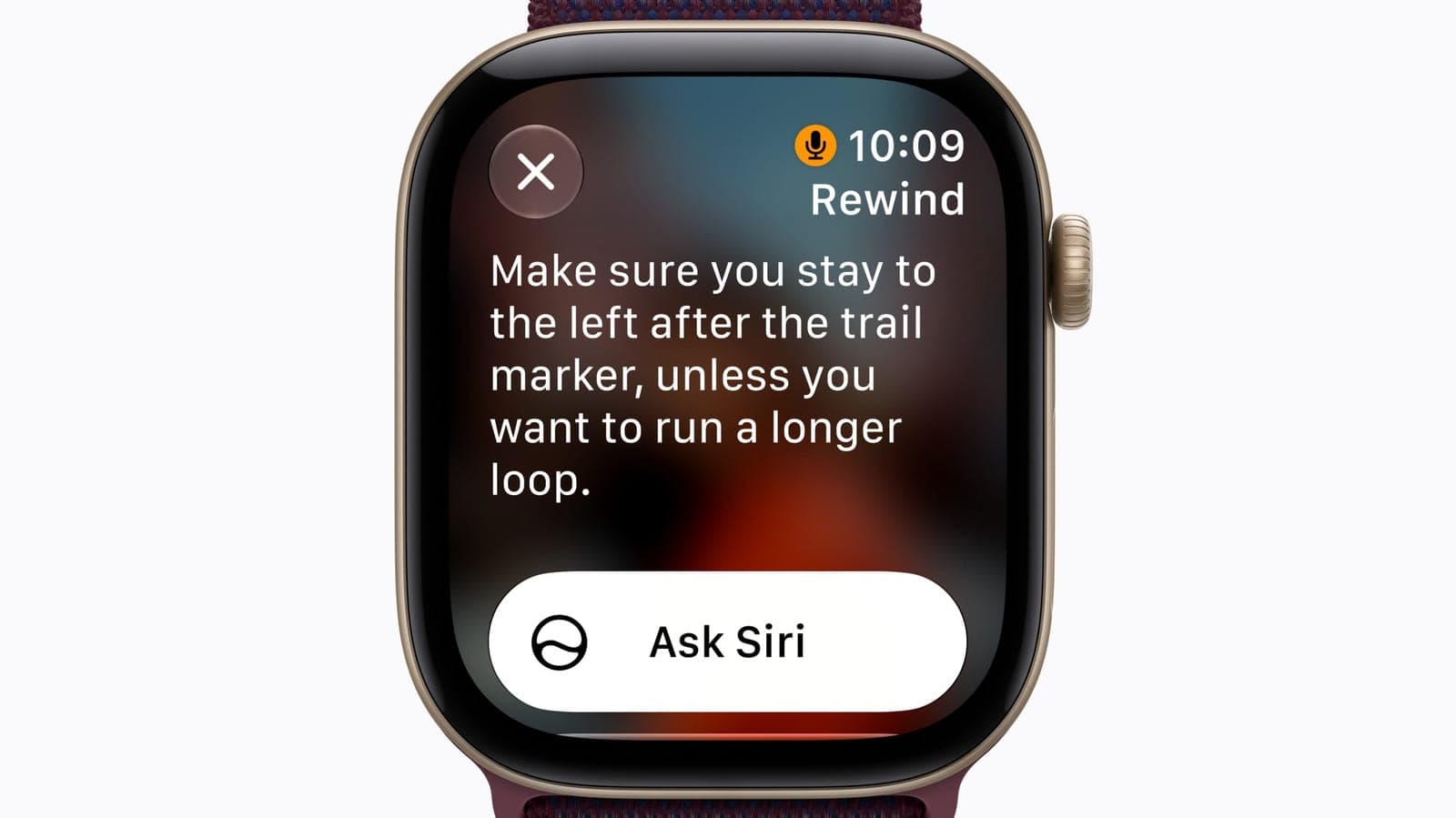
Apple Watch can now replay what someone just said, in beta
Apple's Live Rewind and Siri Recap are now in beta on the Apple Watch Series 12 and Ultra 4. One shows the last 15 seconds of speech as text, the other sums up whole conversations.
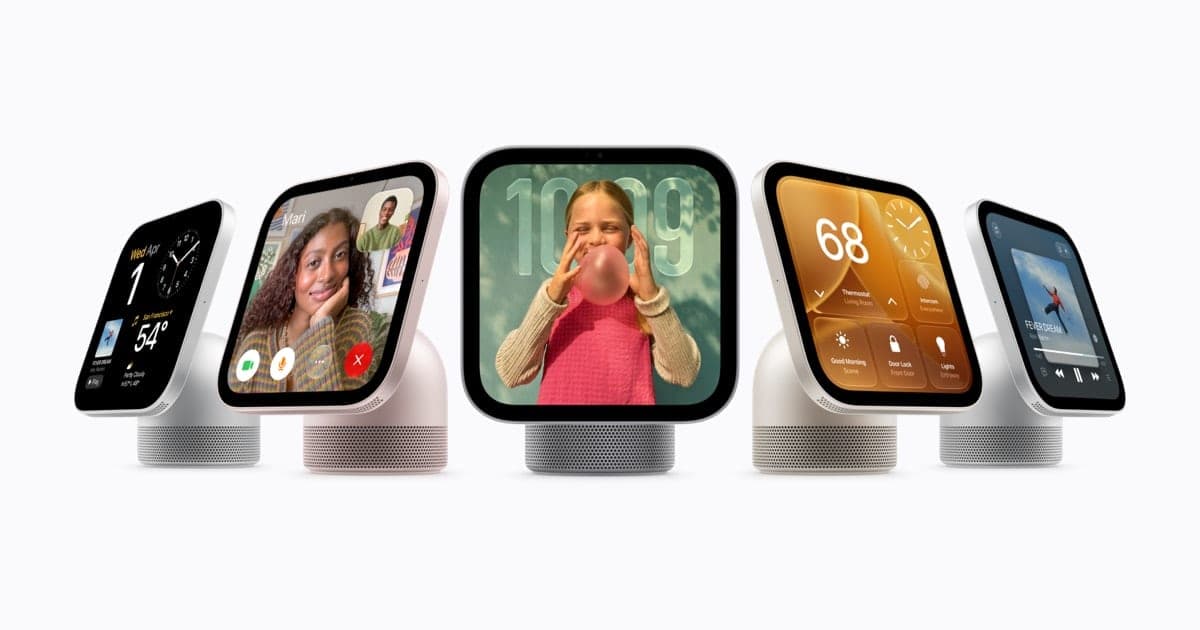
Apple's $299 HomeView knows your face, but only when your iPhone is home
Apple's first smart display recognizes up to six people by face and gives each one a private Home Screen. The catch: your own iPhone or iPad has to be nearby and recently unlocked.
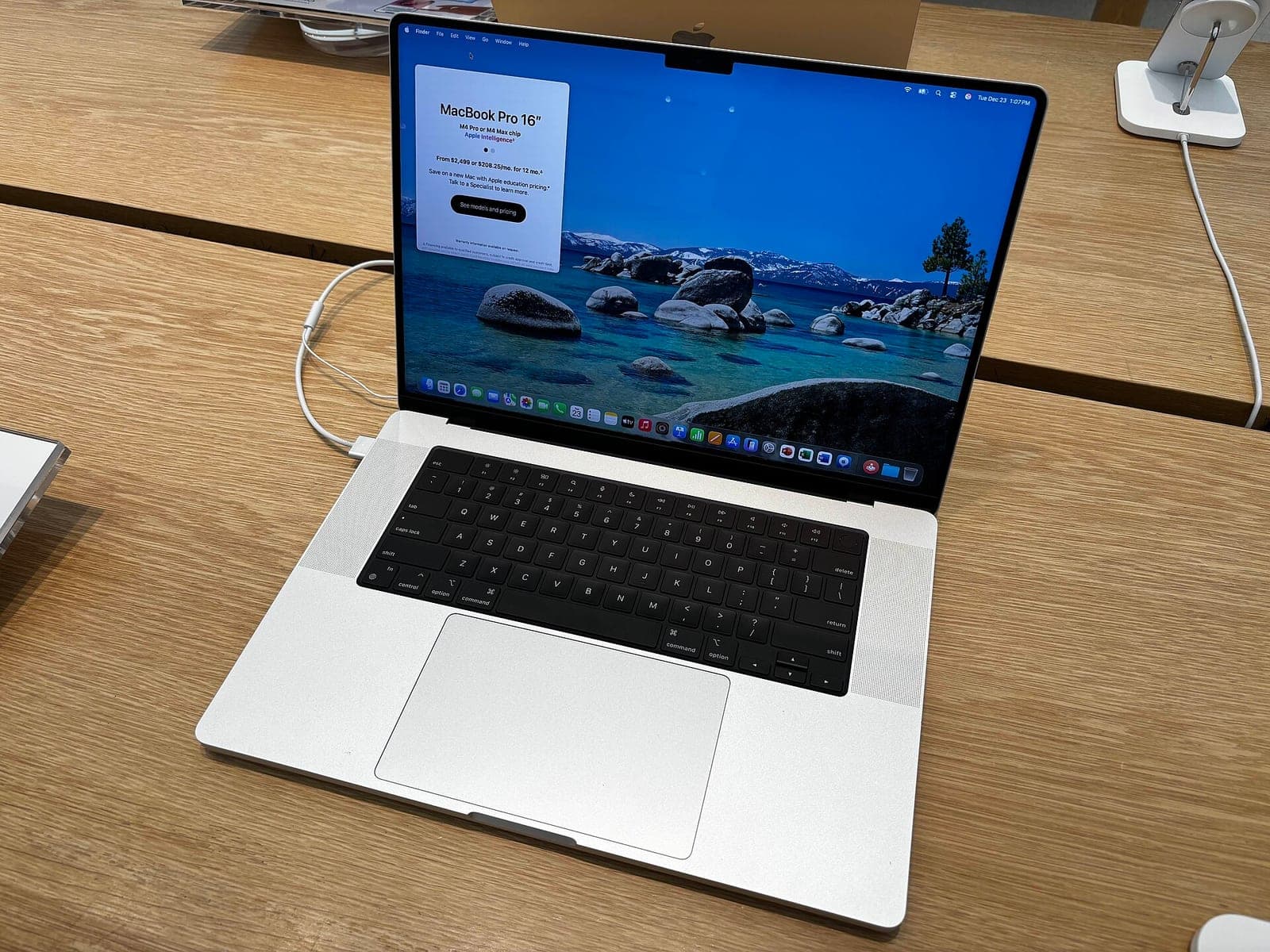
Apple is tightening Mac 'Full Disk Access' because of AI agents
Apple says some apps use the powerful macOS permission in risky ways, and that AI agents make the danger bigger, so granting it will soon take very explicit user action.
More in brief
- ASELSAN's EJDERHA electromagnetic weapon disables 51 drones with one commandNov 21
- Microsoft To Do will shut down on June 30, 2027Nov 21
- Medtronic's Hugo surgical robot cleared for general surgery in the USNov 21
- Google's Gemini now turns noisy fire radio into text for Watch DutyNov 21
- Internet Archive staff move to unionize with CWANov 20
- Etsy sellers are leaving over new terms that allow AI trainingNov 20