
AI·News & analysis
Tony Fadell backs an AI camera that checks fabric for H&M
Smartex is launching an AI camera system that inspects fabric as it moves through textile machines, with iPhone co-designer Tony Fadell as its new chairman and H&M as a launch customer.

Tide
Ripple
Sci-fi
5/10
Reality
Shipping
A camera that never gets tired of staring at cloth.How we rate
Smartex, a textile technology startup, is launching Smartex Inspect, an AI camera system that checks fabric quality on existing machines at three times human speed, with iPod and iPhone co-designer Tony Fadell as chairman.
H&M is an investor and launch customer. Smartex CEO Max Easton estimates it could save H&M about $100 million a year by cutting wasted fabric. Smartex has already installed 800 older systems in 10 countries.
What to know
- Smartex is rolling out Smartex Inspect, an AI camera system that attaches to existing textile machinery and checks fabric quality continuously, at three times the speed of a human.
- Tony Fadell, who co-designed the iPod and iPhone, has invested roughly $10 million in the company and becomes its chairman. H&M is a launch customer and an investor.
- A second product, Smartex IQ, turns the data from Smartex's systems into supply chain intelligence.
- Smartex CEO Max Easton estimates that cutting waste could save H&M about $100 million a year.
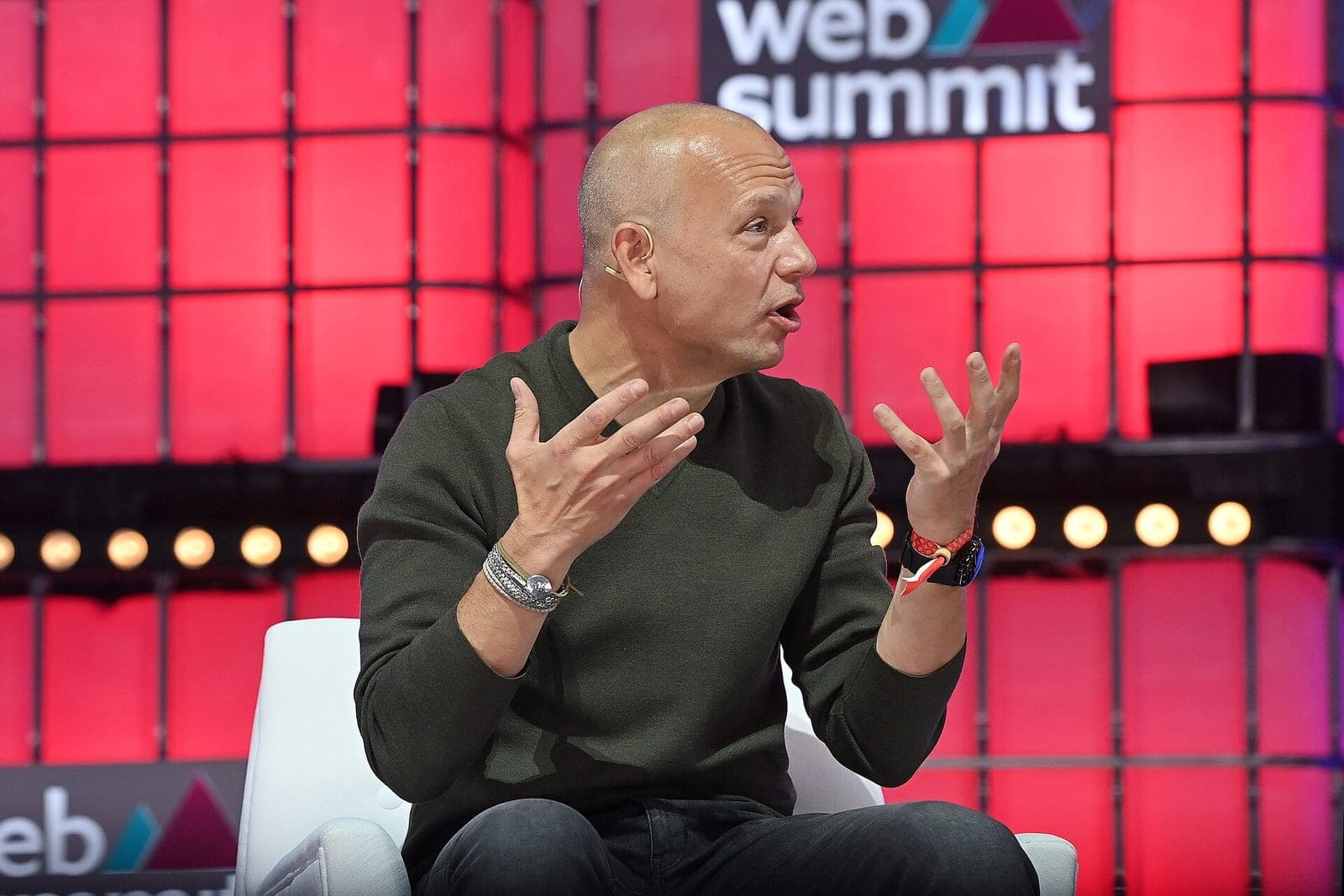
Smartex is launching an AI camera system that checks fabric quality as it moves through textile machines, and Tony Fadell, the co-designer of the iPod and iPhone, is joining the startup as chairman. H&M is one of its first customers.
That's the news. Now the fun part: why would the person behind some of the most famous gadgets ever care about rolls of cloth?
What is Smartex launching?
Smartex is rolling out two new products.
- Smartex Inspect: a camera system that attaches to textile machinery that already exists. It watches the fabric as it goes by and monitors its quality.
- Smartex IQ: a tool that turns the supply chain data from Smartex's products into information a company can act on.
Smartex calls Inspect "physical AI". That means AI that works in the real world, with cameras and machines, instead of only inside a chat window. The company says the system can check fabric continuously, at three times the speed of a person.
How do people check fabric today?
Mostly by eye. Smartex CEO Max Easton describes a worker who holds a handful of color swatches and watches a roll of cloth go by all day.
The worker looks for simple physical problems: holes, needles, the wrong yarn, anything a customer would notice in a finished garment. Color matters too. For most brands there is no such thing as a plain "white" T-shirt. It has to be exactly the right white, whether that is a bright white or a creamier one.
The trouble is that people get tired and judge things differently. Fadell put it this way: inspection is "very, very technical, and it's highly prone to human error." He added that it can depend on whether it is morning, afternoon or Friday afternoon, because it is all subjective. "There's no Pantone color for quality inspection," he said.
In real life Think of proofreading a very long book at a steady pace for eight hours. By the afternoon you will miss typos you would have caught at breakfast. A camera that checks every inch the same way all day removes that problem.
Why is the fabric business so messy?
Easton says the industry looks much like it did in the 1970s. The mills and garment factories that supply big brands run on splintered supply chains, and some sit in warehouses so old-fashioned they may not even be on the internet.
"If you go to any kind of fashion supply chain, whether it's fabric production or garment production, most people are just kind of amazed by how chaotic it is," Easton told Fortune at Web Summit in Lisbon this year.
Fadell made the same point about the factories. Walk into a mill today and it looks almost exactly like it did 50 years ago, he said: same processes, same equipment. They might have email. In some cases they don't even have Wi-Fi.
That leaves brands with little visibility. Companies depend on independent operators in several countries, and they often don't know when an order will arrive, or what shape it will be in when it does.
Why does H&M care?
Because fabric is expensive, and a lot of it goes unused. Easton says fabric makes up about 50% of the cost base for any player in the apparel chain.
Quality varies, so a company like H&M typically orders about 5% more fabric than it needs. It does that knowing some of it won't be good enough to use.
By the numbers:
- Extra fabric: about 2.5 billion meters a year across H&M, "just in case," in Easton's words.
- Price: at $4 a meter, that is about $10 billion in fabric costs.
- The claim: Easton reckons Smartex could save H&M about $100 million a year by reducing waste.
That $100 million is an estimate from the CEO of the company selling the system. It is a target, not a measured result.
Fadell listed four things H&M cares about: price, speed, quality and sustainability. Late or wrong fabric hurts all four. "A lot of times they commit to making this garment. They pre-sell it online, but they can't deliver it because the fabric shows up at the garment house, and they can't make the garment because the fabric's wrong in some way," he said. "Reducing waste means better margins."
Is it as simple as pointing a camera at cloth?
No. Easton and Fadell both say it is harder than it sounds. The system has to handle changes in lighting, the speed at which the fabric moves, and small variations in color. Then it has to compare all of that with each client's own standards.
To do that, Smartex says it has a library of 50 billion images of fabric. That is the training data: the pictures the AI learns from, so it can tell a real defect from a harmless shadow or a normal difference in the weave.
Who is Smartex?
Smartex is a Portugal-based startup with about 65 employees and revenue in the low millions of dollars a year. It was part of the HAX startup program in 2018 and 2019, which introduced its founders to investors.
Its earlier systems are already out in the world. The company has installed 800 of its older monitoring systems at clients in 10 countries.
Here is how the money has moved:
- 2019: a $2.9 million seed round, co-led by Spider Capital and DCVC.
- 2022: a $24.7 million Series A, led by Lightspeed Venture Partners and Fadell's Build Collective, with H&M Group among the other backers.
- Valuation: $55 million four years ago. Easton declined to give a new number.
Smartex's older technology used computer vision hardware and machine learning software to spot weaving defects early in production. The goal is to catch a flaw before it travels down the supply chain and becomes a wasted garment.
Why does Tony Fadell care?
Fadell is best known for consumer products: the iPod, the iPhone and the Nest. So it is a little odd to hear him talk about loom quality and stitching, and he knows it.
His answer is that he has been investing in this idea for about a decade. "I believe in very, very applied AI in the physical world, but you've got to make it really easy for the customers to use," he said.
He has invested roughly $10 million in Smartex. Now he is coming on as chairman, which means he will lead its board, the group that oversees the company's big decisions.
The big picture: most AI news is about chatbots and image tools. This story is about the opposite end: a camera bolted onto an old machine in a factory, quietly doing a boring job that people do inconsistently.
What's next?
Smartex Inspect and Smartex IQ are launching now, with H&M as a launch customer. The next thing to watch is results. If H&M's fabric waste really falls, other brands that buy cloth from many mills will have a reason to ask for the same checks.
For now, the $100 million figure is a promise, and the product is new. Smartex has not said how many mills will use the new system or when it will reach every H&M supplier.
What it means for you
- Clothes: you won't see a button or a new app. The effect, if any, is fewer delayed or scrapped garments behind the scenes.
- Prices: less wasted fabric means better margins for brands. Whether that shows up in what you pay is a separate question nobody has answered.
- Jobs and skills: inspection work that people do by eye is the target. The company describes the system as a faster, more consistent check.
- AI trend: "physical AI" is moving into places that look nothing like Silicon Valley, like textile mills.
The bottom line
Smartex is turning fabric inspection from a person watching cloth into a camera that never tires, and it has a famous chairman and a global retailer behind it. The savings are an estimate for now. It is still a good example of AI doing real work far from a chat window.
Key facts
- Company
- Smartex, about 65 employees
- New products
- Smartex Inspect and Smartex IQ
- Installed base
- 800 older systems in 10 countries
- Image library
- 50 billion fabric images
- Claimed H&M saving
- About $100 million a year
Got questions?
Quick answers, plain wordsWhat is Smartex?
Smartex is a startup that uses cameras and AI to find defects in fabric while it is being made. It has about 65 employees and revenue in the low millions of dollars a year.
What is Smartex Inspect?
It is a camera system that attaches to textile machines that already exist. It watches the cloth as it goes by and checks its quality, instead of a person holding color swatches and watching a roll all day.
How fast is it compared with a person?
Smartex says the system checks fabric continuously and at three times the speed of a human inspector.
What is Smartex IQ?
It is the second new product. It turns the supply chain data collected by Smartex's products into information a company can use, such as how good the fabric is and what to expect.
What is Tony Fadell's role?
Fadell is coming aboard as Smartex's chairman. He has invested roughly $10 million in the company and has backed it for years.
Is H&M involved?
Yes. H&M is an investor in Smartex and one of the launch customers for the new product.
Where does the $100 million figure come from?
It is the estimate of Smartex CEO Max Easton. He reasons that H&M over-orders about 5% more fabric than it needs, and he expects the system to cut that waste. It is an estimate, not a result.
Is this product already in use?
The company has installed 800 of its older monitoring systems at clients in 10 countries. The new Inspect system is launching now with H&M among its first customers.
Will this change the clothes I buy?
Not directly or right away. The goal is fewer bad rolls of fabric, so fewer garments are delayed or wasted. Any effect on prices or availability would be indirect.
How much did Smartex raise before?
A 2022 Series A of $24.7 million was led by Lightspeed Venture Partners and Fadell's Build Collective, after a $2.9 million seed round in 2019.
SourcesFortune
Topics and tagsApple, Smartphones, smartex, tony fadell
Go deeper
Related stories
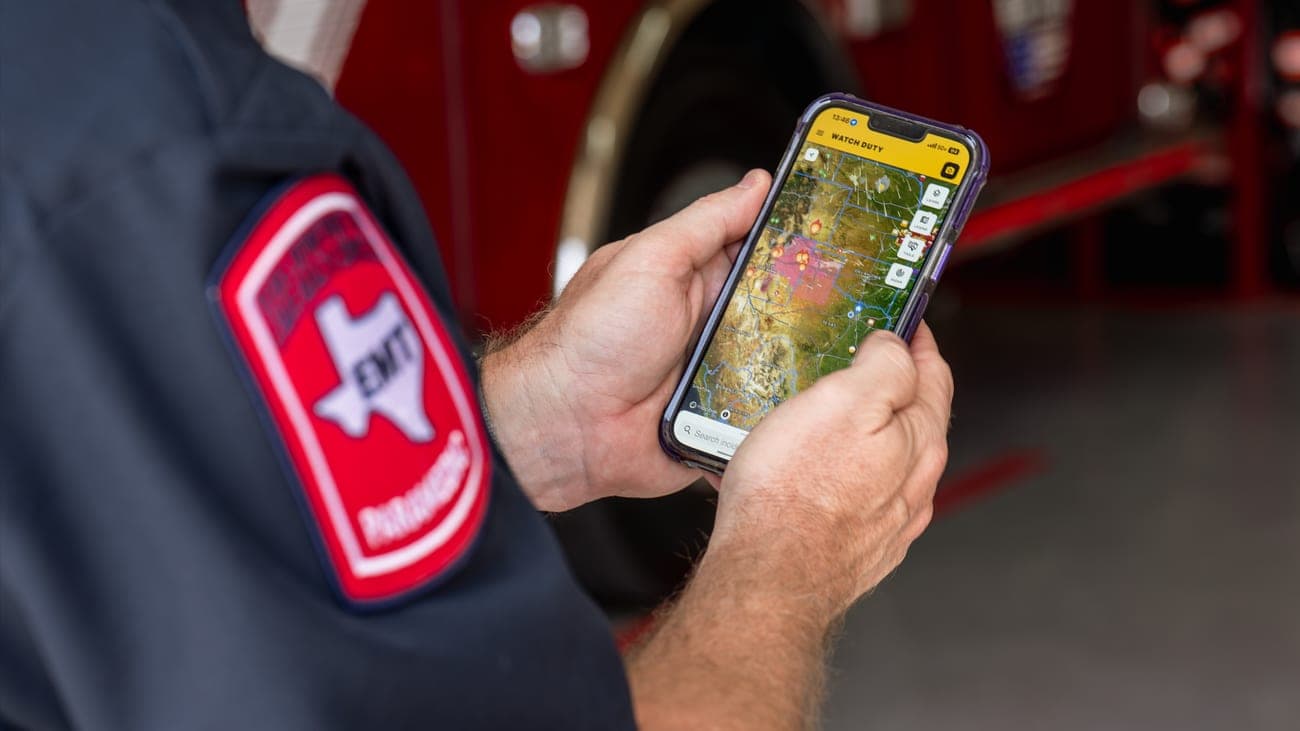
Google's Gemini now turns noisy fire radio into text for Watch Duty
A Gemini-powered tool built with Google.org engineers cleans up static-filled firefighter radio and flags new wildfire dispatches in under 30 seconds.

Etsy sellers are leaving over new terms that allow AI training
Etsy's updated Terms of Use, effective December 16, let the company and its partners train AI on seller content, and many longtime sellers are closing their shops in protest.
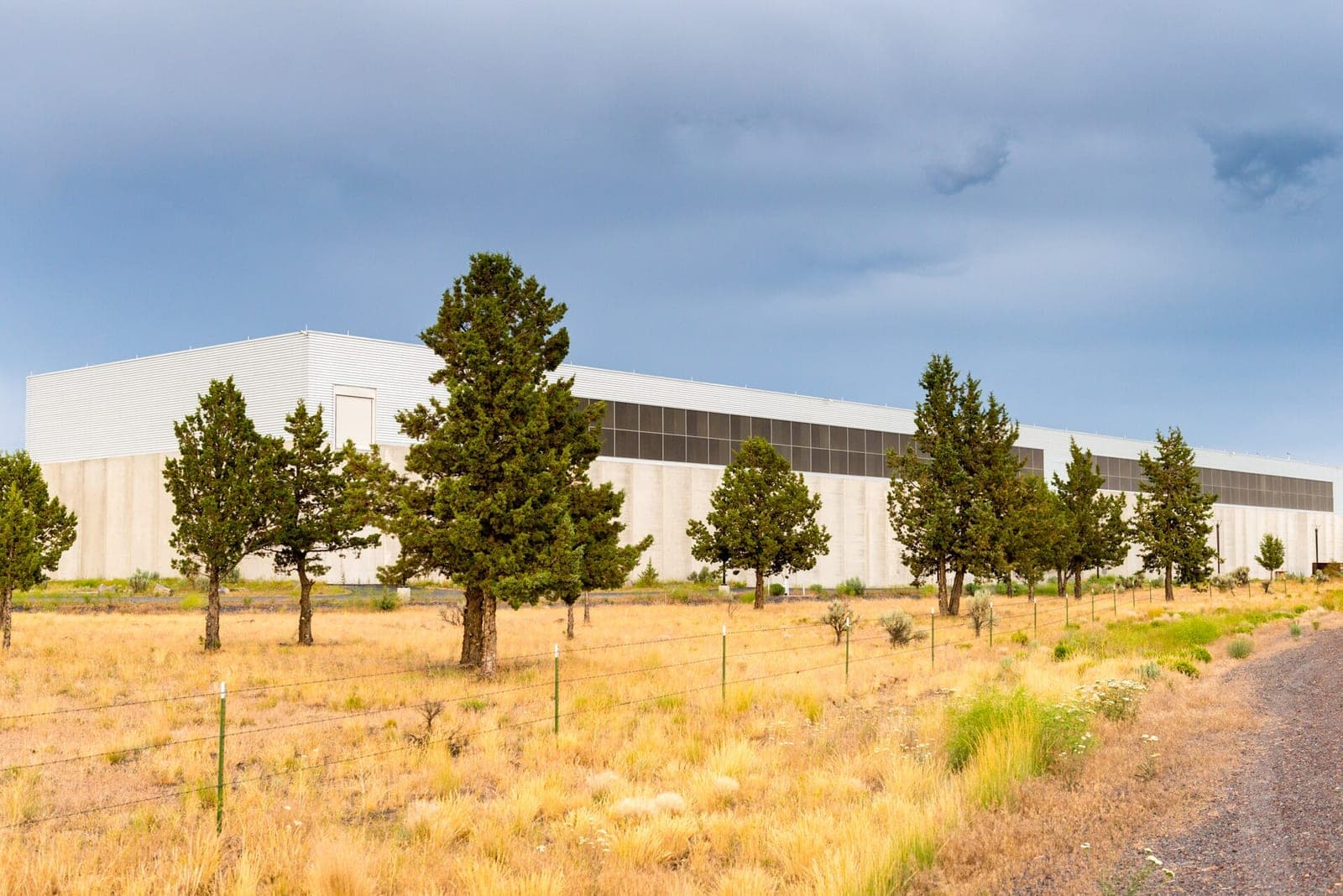
Meta rethinks its 2030 net-zero goal as AI pushes emissions up 45%
Meta's 2026 sustainability report says the company is re-evaluating the 2030 deadline for net-zero emissions, after its net footprint grew 45% in a year of AI data center building.
More in brief
- ASELSAN's EJDERHA electromagnetic weapon disables 51 drones with one commandNov 21
- Microsoft To Do will shut down on June 30, 2027Nov 21
- Medtronic's Hugo surgical robot cleared for general surgery in the USNov 21
- Internet Archive staff move to unionize with CWANov 20
- Google will buy 50 MW of superhot geothermal power from Quaise in OregonNov 20
- Anthropic mathematician says Claude helped prove the Riemann hypothesisNov 20