
Robots·News & analysis
California will fine robotaxi companies that block first responders for over 30 minutes
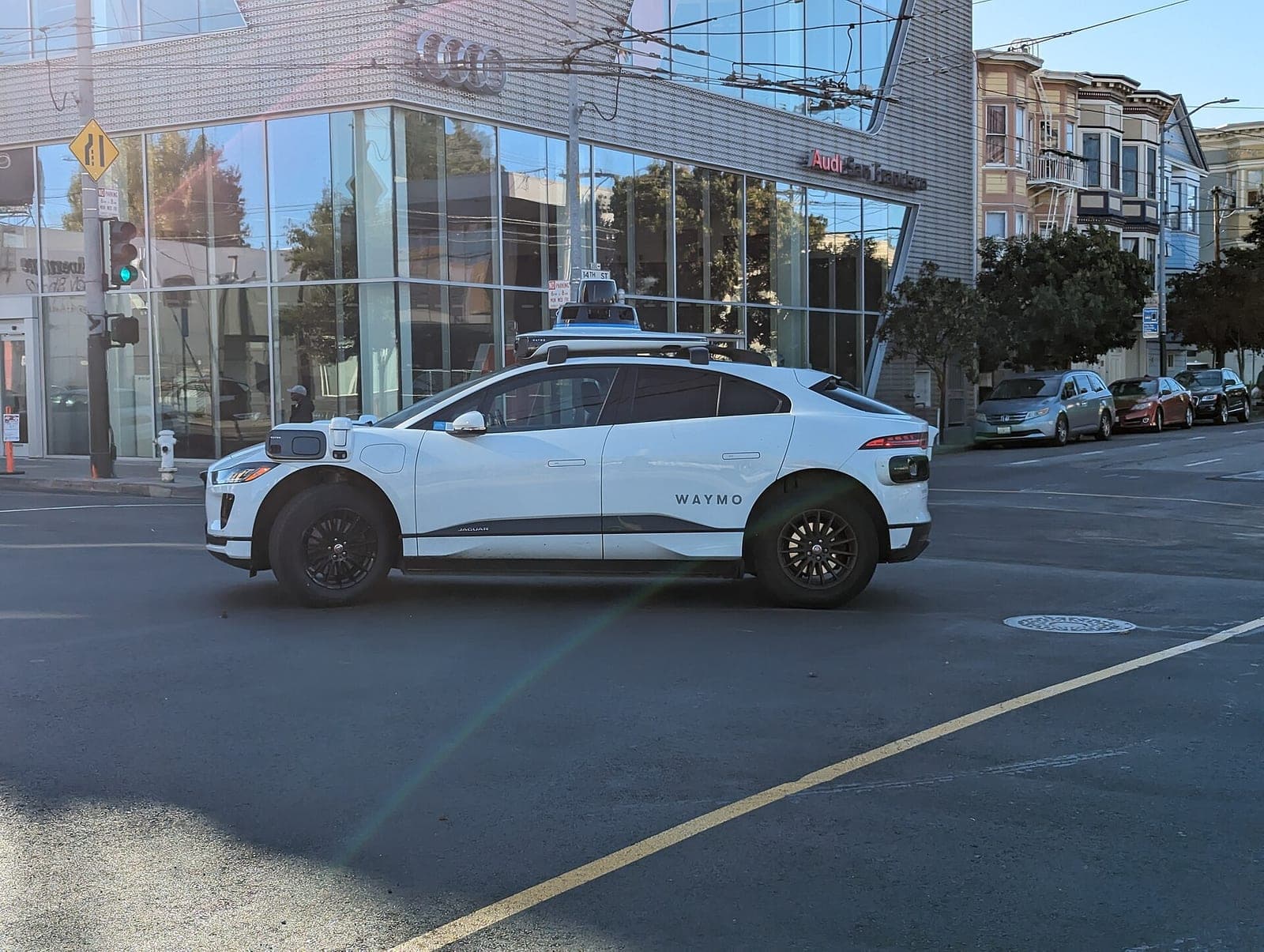
Governor Gavin Newsom signed SB 1246, which requires robotaxi operators like Waymo, Tesla and Zoox to send on-site help when their cars cause problems, and to keep remote drivers in the US.
Tide
Ripple
Sci-fi
7/10
Reality
Shipping
Rules for cars that have no driver to hand a ticket to.How we rate
Governor Gavin Newsom signed California's SB 1246, which lets local authorities fine robotaxi companies when a car blocks first responders for more than 30 minutes.
Operators like Waymo, Tesla and Zoox must provide on-site technicians and keep remote drivers in the US. The law takes effect in July 2028, and California's DMV will set the required response times.
What to know
- Governor Gavin Newsom signed Senate Bill 1246, setting new rules for robotaxis that break down or get in the way of police and firefighters in California.
- Robotaxi companies can be fined when a vehicle blocks first responders during an emergency for more than 30 minutes.
- Companies must provide on-site 'local incident technicians' and tell local governments where their cars are during system-wide failures.
- Remote drivers must be based in the US and hold a US driver's license; the law takes effect in July 2028.
California has a new law for robotaxis that stall in the wrong place at the wrong time, TechCrunch reports. Governor Gavin Newsom signed Senate Bill 1246. So what happens when a car with no driver blocks a fire truck?
What does the new law do?
SB 1246 sets new rules for autonomous vehicles that break down or get in the way of emergency responders. TechCrunch says it's designed to improve safety and response times, and to hold companies accountable when things go wrong.
It applies to companies running robotaxis in California. TechCrunch names Tesla, Waymo and Zoox.
The main rules, based on TechCrunch and the office of state Senator Dave Cortese, who wrote the bill:
- Fines for blocking responders: companies can be penalized when a robotaxi blocks first responders during an emergency for more than 30 minutes.
- Help on the ground: companies must provide "local incident technicians," on-site contacts who can assist with crashes and blocked roads.
- Outage alerts: during system-wide failures, companies must tell cities, towns and other local governments where their vehicles are and what state they're in.
- US-based remote drivers: anyone who drives a robotaxi from afar must be based in the United States and hold a US driver's license.
- Shut-off on request: robotaxis must be able to be disabled manually or remotely when a first responder asks, according to Cortese's office.
- More reporting: companies must report more about how quickly they respond to incidents.
Cortese's office says the penalties go back to the local jurisdictions.
When does it start?
==The law takes effect in July 2028, TechCrunch reports.== That gives companies time to prepare.
Some details aren't set yet, and the long runway matters: rules on paper only help once the DMV turns them into specific requirements companies can be measured against. California's Department of Motor Vehicles, which regulates autonomous vehicles in the state, will write guidelines for parts of the law, including how quickly technicians must respond.
Why did California do this?
The law follows a series of incidents in which robotaxis broke down and blocked traffic, drove into crime scenes or got in the way of first responders, TechCrunch says.
Most of those incidents involved Waymo, the largest robotaxi operator in the US. TechCrunch reports Waymo has about 4,000 autonomous vehicles in its commercial fleet nationwide, with about 1,200 in the San Francisco Bay Area.
Cortese's office pointed to two examples:
- August 2025: a robotaxi near Redwood City got stranded near an active grass fire and couldn't be redirected. It took a California Highway Patrol officer about 30 minutes to get in and move it.
- December 2025: a power outage in San Francisco reportedly stalled about 1,500 Waymo vehicles, disrupting traffic and transit. Responders trying to reach companies for help reportedly waited up to 53 minutes.
The San Francisco Standard reported earlier this year that Waymo told state regulators its cars stopped 1,593 times for two minutes or more during that outage. It also reported that Waymos had blocked first responders in the city 31 times since April 2025.
Pressure also came from city hall. The San Francisco Standard reported that after a fogged-in Fourth of July fireworks show was snarled by stalled Waymos and hours of gridlock, Mayor Daniel Lurie wrote to state officials urging stricter robotaxi rules.
A TechCrunch investigation earlier this year also found cases where Waymo relied on first responders to manually drive its vehicles when they ran into trouble. The National Highway Traffic Safety Administration sent a letter to robotaxi developers asking them to come up with "solutions."
In real life Picture a fire truck racing to a call, and a robotaxi frozen in the middle of the street. Under this law, the company has to send someone who can move the car, and if the block lasts more than 30 minutes during an emergency, it can be fined.
What's the difference between remote drivers and remote assistance?
This part of the law is narrower than it sounds. TechCrunch explains that "remote operations" has been used loosely, and little is known about exactly how companies use it.
The law focuses on remote drivers: humans who directly operate a vehicle from far away.
- Tesla is the only company that has publicly said it has remote operators who can take direct control of its robotaxis, according to TechCrunch.
- Waymo says it uses remote assistance instead. The self-driving system stays in control, and staff can give guidance or send commands. TechCrunch reports Waymo's remote assistance network includes staff in the Philippines, plus command centers in Arizona and Michigan.
- Zoox says its remote operations teams are based in the US.
Think of it like the difference between a driving instructor grabbing the wheel and one giving directions from the passenger seat. The new US-only rule covers the first kind.
What do the companies say?
TechCrunch reports that Waymo and Zoox have said they will comply.
"We are grateful for the amendments made to the bill, which ensure autonomous vehicle operators can still feasibly serve Californians," a Waymo spokesperson told TechCrunch. "Waymo is committed to making roads safer in California and continually improving our service."
The industry didn't support every version of the bill. The San Francisco Standard reported in July that the Autonomous Vehicle Industry Association, Waymo and about 30 other groups opposed an earlier draft, arguing its notification rules would force companies to send technicians even for minor incidents. The final law was amended before it passed.
That earlier draft, as the Standard described it, set fines of $5,000 for each failure to move a car and $10,000 when a roadblock of more than 30 minutes held up first responders.
The amounts in the signed law weren't detailed in the reports we read.
This isn't Cortese's first try. The Standard notes an earlier, broader bill of his, SB 915, would have let cities write their own robotaxi rules, but it died in committee in 2024. SB 1246 is narrower.
Cortese summed up his view to TechCrunch: "California has embraced autonomous vehicles, but we cannot embrace innovation at the expense of public safety."
In a statement when the bill passed the Legislature, he went further: first responders "need a direct line to someone who can act, not a corporate voicemail."
David Green, president of SEIU 721, said in the same release that the law "gives first responders the authority they need when every second matters."
The bill was sponsored by SEIU California and supported by groups including the California Police Chiefs Association and California Professional Firefighters, according to Cortese's office. For more on the company most affected, see our Waymo coverage.
What it means for you
- If you ride robotaxis in California: service should keep running, and Waymo and Zoox say they'll comply.
- If you live in a robotaxi city: stalled cars blocking emergencies should get faster on-site help once the law starts in July 2028.
- If you follow self-driving tech: watch the DMV's rules on response times, which will decide how strict the law really is.
The bottom line
California now requires robotaxi companies to send real people when their cars cause trouble, keep remote drivers in the US, and pay fines if they block first responders for over 30 minutes. The rules start in July 2028, and the DMV will fill in key details like response times.
Key facts
- Law
- California Senate Bill 1246
- Author
- State Senator Dave Cortese
- Penalty trigger
- Blocking first responders for more than 30 minutes
- Remote drivers
- Must be US-based with a US license
- Takes effect
- July 2028
Got questions?
Quick answers, plain wordsWhat is California SB 1246?
It's a new California law, written by state Senator Dave Cortese and signed by Governor Gavin Newsom, that sets rules for robotaxis that break down, block roads or interfere with first responders.
Will robotaxi companies be fined?
Yes. Companies can be fined when a robotaxi blocks first responders during an emergency for more than 30 minutes. Cortese's office says the penalties go to local jurisdictions.
Which companies does it affect?
Companies running autonomous vehicles in California. TechCrunch names Tesla, Waymo and Zoox.
When does SB 1246 take effect?
In July 2028, according to TechCrunch. California's DMV will set guidelines for parts of the law, including required response times.
What are local incident technicians?
They're on-site contacts that robotaxi companies must provide to help first responders with accidents and blocked roads involving their vehicles.
Can remote drivers be overseas?
No. Under the law, remote drivers must be based in the US and hold a US driver's license. TechCrunch notes this applies to people who directly drive a car from afar.
Does Waymo use remote drivers?
Waymo says it uses remote assistance, where the self-driving system stays in control and staff give guidance. TechCrunch reports Tesla is the only company that has publicly said it has remote operators who can take direct control.
What does Waymo say about the law?
Waymo told TechCrunch it is grateful for amendments that ensure operators can still feasibly serve Californians, and said it will comply.
Why did California pass this law?
After incidents where robotaxis stalled, blocked traffic or got in the way of first responders, including a December 2025 power outage in San Francisco that reportedly stalled about 1,500 Waymo vehicles.
SourcesTechCrunch, ca.gov
Topics and tagsTesla, Waymo, Self-driving, robotaxis
Related stories
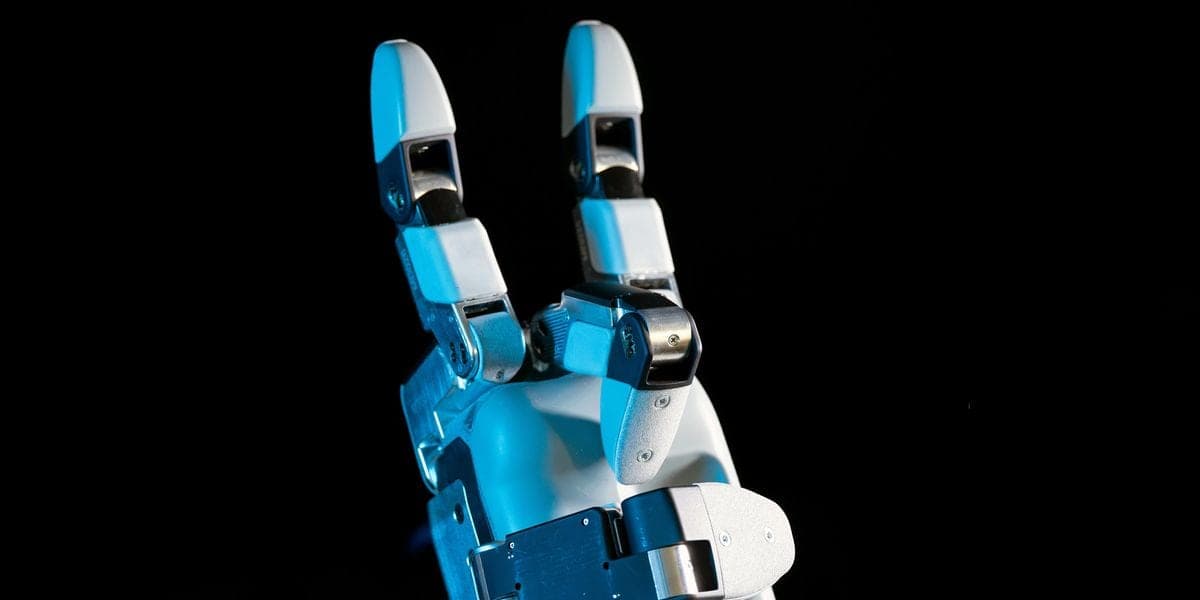
Boston Dynamics gave its Atlas robot a four-fingered hand on purpose, and it works better than five
Boston Dynamics redesigned Atlas's hand with 13 degrees of freedom and only four digits, dropping the pinky entirely because the team found reliability and manufacturability mattered more than looking human.
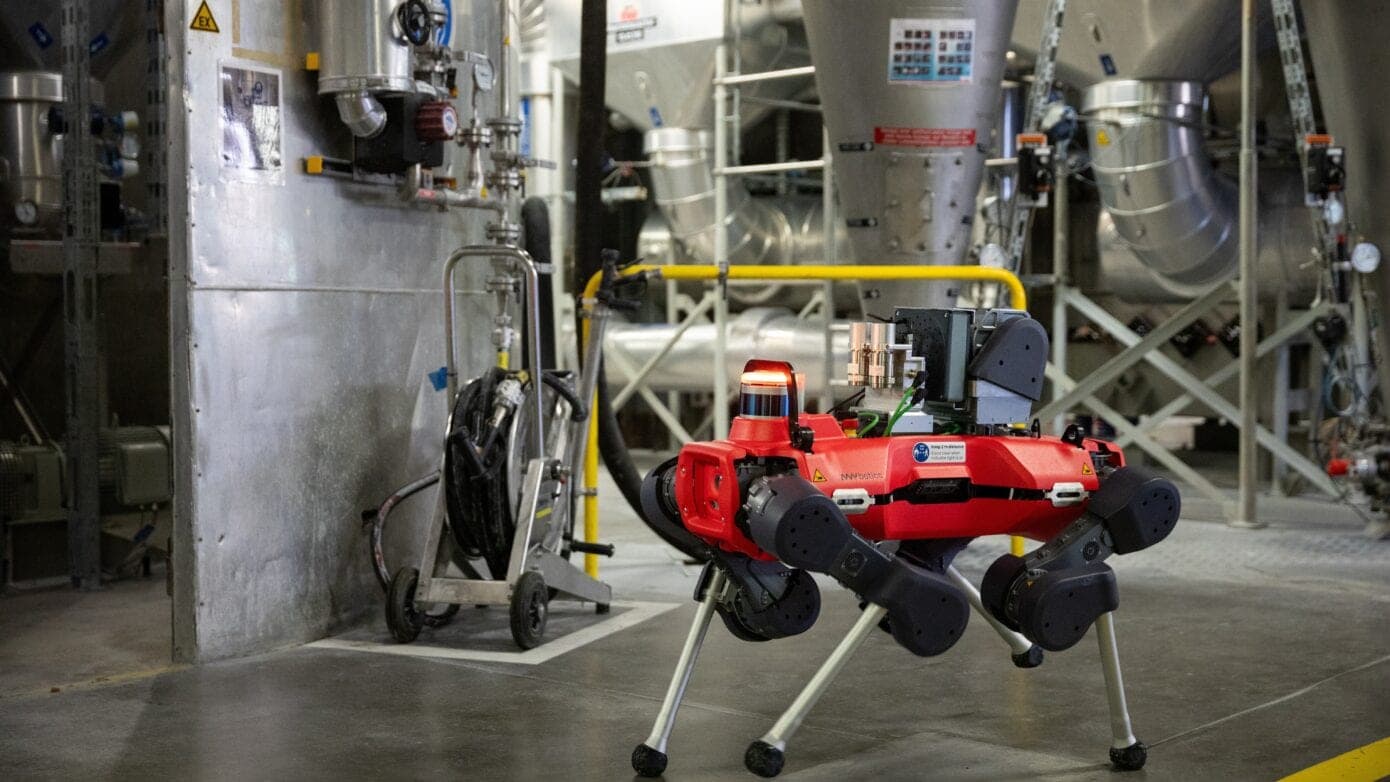
Robot dogs are now doing the night shift at factories, and software just started supervising them
ANYbotics rebranded its Data Navigator software into Shift, a platform that schedules and supervises fleets of its four-legged ANYmal robots as they inspect industrial plants around the clock.
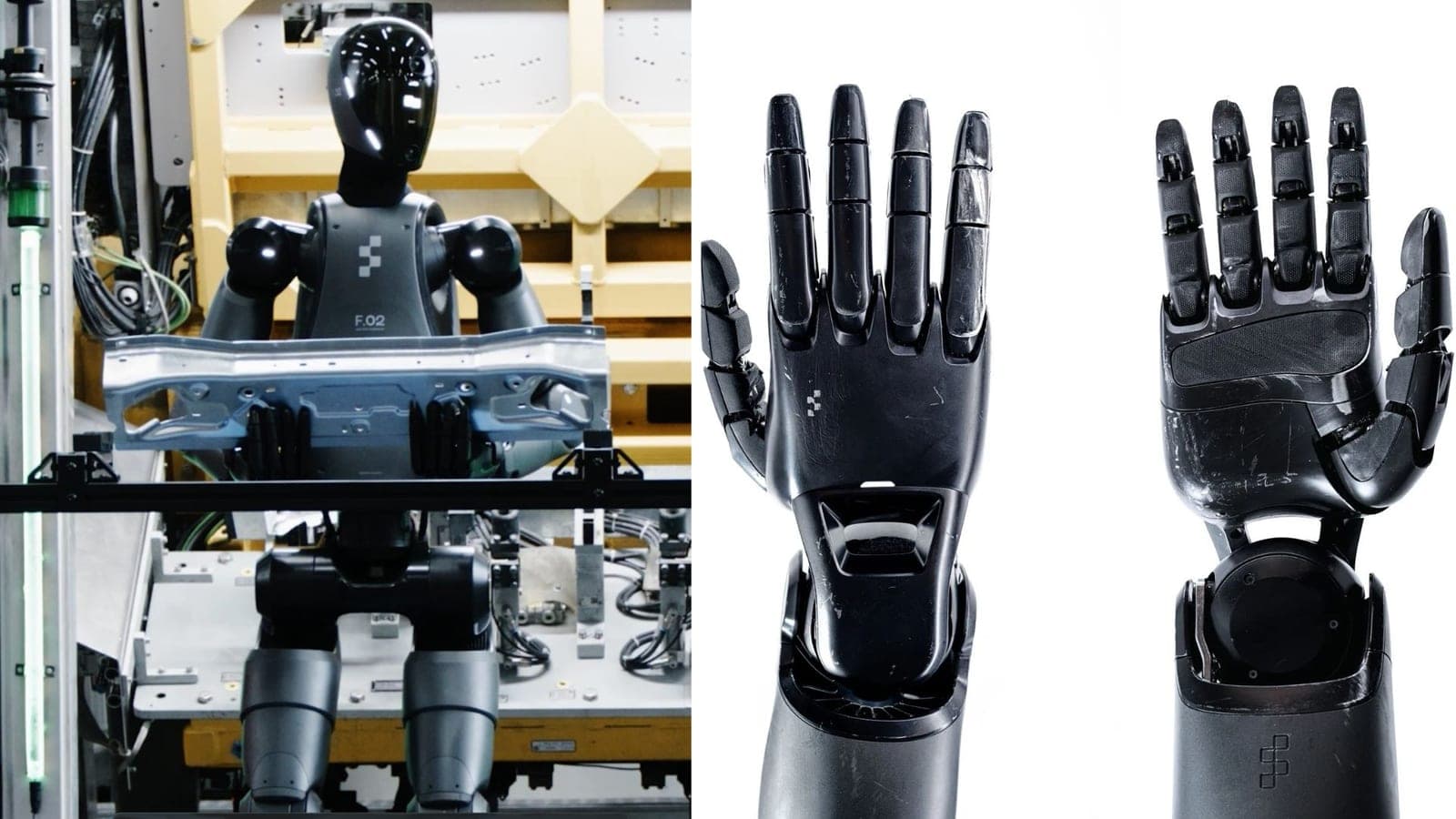
Figure retired its BMW factory robots by having them jump into molten steel
Figure decommissioned its F.02 humanoid robots after 11 months building BMW X3s, sending them off with a Terminator 2-style melt into a foundry furnace, an idea Arnold Schwarzenegger suggested.
More in brief
- Microsoft launches real-time transcription and new voice models for AI voice agentsOct 1
- Apple's smart home hub reportedly launches October 13, with a camera that never records videoOct 1
- Cloudflare releases Clef, open-weight AI models that make yes-or-no decisions fastOct 1
- GrayKey maker reportedly found a way around the iPhone's Inactivity RebootOct 1
- Fervo's Cape Station becomes the first enhanced geothermal plant to sell power commerciallyOct 1
- Cloudflare renames its data platform Basin and makes it generally availableOct 1