
Robots·News & analysis
Dream Labs raises $90M and opens a public API for one robot brain
Dream Labs, founded by former NVIDIA robotics researchers, raised a $90 million seed round and launched Dream API, a way to run one AI model on robots from many makers.
Tide
Ripple
Sci-fi
7/10
Reality
In your hands
One brain, many bodies, and a rental car for an analogy.How we rate
Dream Labs raised a $90 million seed round led by B Capital and Kindred Ventures, and launched Dream API, which turns a robot's camera feed and a plain-English instruction into motor commands.
Its Dream-1 model was trained on video of people and can control any robot with grippers without extra data. The company works with more than 20 hardware partners. It plans to spend most of the money on computing power to support more robots and tasks.
What to know
- Dream Labs announced a $90 million seed round led by B Capital and Kindred Ventures on October 19, 2026.
- Its Dream API turns a robot's camera feed and a plain-English instruction into motor commands, even for robots it has never seen.
- The company works with more than 20 hardware partners, and supported robots cost about $2,000 to $10,000.
- Dream-1 handles tabletop tasks such as picking, placing and folding laundry; wheeled robots and dexterous hands come next.
Dream Labs announced a $90 million seed round on October 19, along with a public API for its robot AI model. The pitch is simple: one brain that can drive many different robots. So what does that actually mean for a robot sitting on a desk?
What did Dream Labs actually announce?
Two things at once. First, the money: $90 million in seed funding, led by B Capital and Kindred Ventures. A.Capital, Unusual Ventures, SV Angel, Wing VC, Scribble VC and Adrian Aoun joined, among others.
Second, a product: Dream API. Dream Labs calls it the first publicly available API for a robot foundation model. An API is a doorway that lets developers plug a service into their own software.
Here, the doorway takes a robot's camera feed and a plain-English instruction and hands back motor commands. That works even for robots the model has never seen before, the company says.
By the numbers: $90 million raised, more than 20 hardware partners, and supported robots that cost about $2,000 to $10,000 each.
Who is behind it?
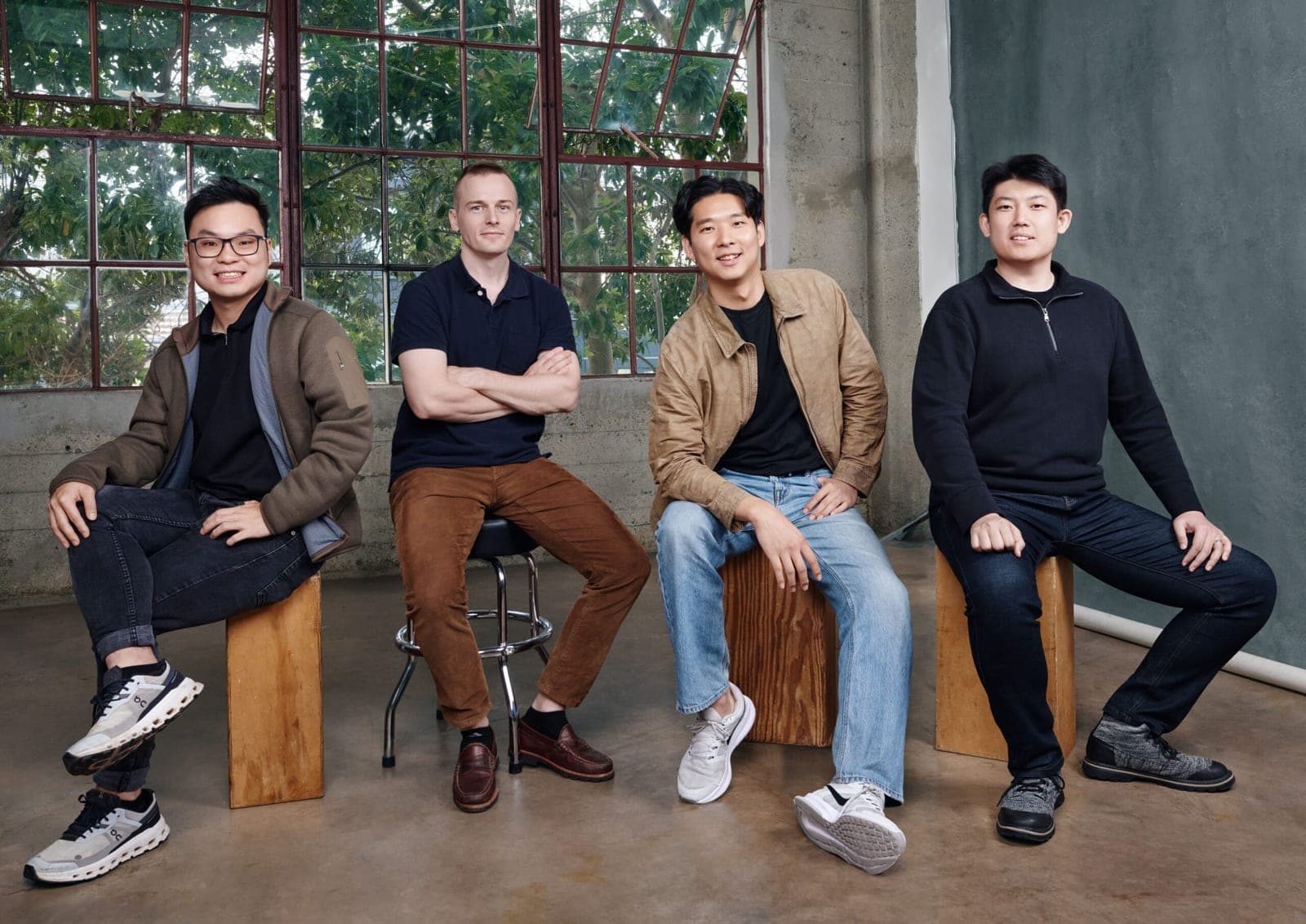
Dream Labs was founded in 2026 by former leads of NVIDIA's GR00T robotics research. Its press release says the founders created DreamZero and World Action Models while at NVIDIA. The company is based in San Francisco.
Joel Jang is co-founder and CEO. The Robot Report notes that B Capital general partner Daisy Cai said the team "did some of the defining work in robot learning at NVIDIA." She added: "Now anyone with an API key can build on it."
What is Dream-1, and how does it learn?
Dream-1 is the company's flagship model. Most robots are taught with data from the robot itself, often through a person guiding it. Dream-1 takes a different road.
It is trained on video of people doing everyday tasks. From that, it predicts what will happen next and works out what action the robot should take. Because it learns from video and not from one machine, Dream Labs says its skills carry over to other hardware.
Out of the box, the company says Dream-1 can control any robot with grippers, "zero-shot." That means it tries the job without extra examples first. For a two-armed robot with parallel grippers, it needs no additional data.
In real life Picture a $2,000 robot arm that arrives with no skills. You connect it, type "fold the towel," and the arm tries. No months of programming first.
Jang used a car comparison. "When you get into a rental car, you don't relearn how to drive," he said. "You find the controls, and your past driving experience does the rest." In his words, a new robot can do useful work "in minutes, not months."
Why do robots need a shared brain?
Dream Labs starts from a plain observation. Factories run a record 5 million industrial robots, and nearly every one is set up for a single task. What one learns usually cannot move to another machine.
Meanwhile, low-cost robots now sell for a few thousand dollars but ship with no built-in intelligence. The company says teaching one robot one task can take specialists months, and a new task or new hardware often means starting from zero.
That is the gap Dream Labs wants to fill. The Robot Report describes the idea as a model that lets robots transfer what they learn to one another.
The big picture: hardware has become cheap faster than software has become smart. Dream Labs is betting that the missing piece is a general brain, sold as a service.
What is in the toolbox?
Three products launched together, according to the company:
- Dream API: developers sign up, connect a robot with grippers and the robot carries out the task. The models run in data centers around the world, so robots respond quickly wherever they are.
- Fine-tuning as a service: for unsupported hardware or new skills, developers submit a small batch of demonstration data and get a tailored model within hours.
- Robot Playground: anyone with a browser can type commands to a robot in Dream Labs' San Francisco office and watch it respond live and unedited.
Jang pointed to that last one as a matter of honesty. "Instead of edited demos, we're giving people a working model they can test themselves, mistakes included," he said.
What can it do right now?
The honest answer is tabletop work. Dream-1 currently handles picking and placing objects and folding laundry. Support for wheeled mobile robots and dexterous hands is planned, which would open the door to bigger jobs.
The range of robots is also narrow on purpose. Dream Labs supports machines that cost between about $2,000 and $10,000. For its more than 20 hardware partners, it goes beyond the baseline and refines the model for each robot so it performs at its best.
Ryan Chan, co-founder and CEO of MakerMods, is one of those voices. His company sells $2,000 bimanual robot arms. He said his team's robot "was up and running in a few minutes and attempting tasks we never programmed."
That is one customer's view, shared in the announcement, so treat it as a first impression and not a benchmark.
Where will the money go?
Mostly into computing power. Dream Labs says it will use the funding primarily for compute as it expands the tasks and robots Dream-1 can handle and scales to support more users.
That fits the product. A model that runs in data centers and answers a robot's camera in real time needs a lot of chips running all the time.
The Robot Report adds one more detail about timing. The story ran on October 22, a few days after the announcement, as part of a week full of robotics news, including NVIDIA's Isaac updates and a new research humanoid from Agile Robots. We covered that one in our Agile ONE SN story.
How does it fit with the bigger robot race?
Plenty of companies are building brains for robots, and most tie them to their own bodies. A humanoid maker trains its model on its own robot, and the skills stay home.
Dream Labs takes the opposite side. It wants to be the shared layer that many makers can use, in the way a phone maker uses someone else's operating system.
We have looked at a similar idea from another angle, with Runway's world model for robots. Both bets rest on the same belief: video of the real world can teach machines how to act.
Whether one model can really serve many bodies is still the open question. The company's own list of tasks today is short, and independent testing will matter more than any launch announcement.
What it means for you
- Developers: you can try robot control through an API today, with a browser playground to test it before you buy hardware.
- Hobbyists and makers: low-cost arms in the $2,000 range may soon come with a ready-made brain, so the hard part shifts from code to ideas.
- Everyone else: nothing changes at home tomorrow. This is early tabletop work, and the company says wheeled robots and dexterous hands are still to come.
- Watchers of the robot race: a shared brain is a different bet from one robot, one model. It is worth following who signs on.
The bottom line
Dream Labs has $90 million, a model trained on video of people and a public door for anyone to try it. The promise is a robot that does useful work minutes after you plug it in. The test is whether Dream-1 keeps up as the tasks grow past folding laundry on a table.
Key facts
- Funding
- $90 million seed round
- Lead investors
- B Capital and Kindred Ventures
- Model
- Dream-1, trained on video of people doing everyday tasks
- Hardware partners
- More than 20
- Supported robots
- About $2,000 to $10,000 each
Got questions?
Quick answers, plain wordsWhat is Dream Labs?
Dream Labs is a San Francisco AI company founded in 2026 by former leads of NVIDIA's GR00T robotics research. It builds a general robot brain that can run on hardware from many makers.
How much did Dream Labs raise?
It raised $90 million in seed funding, announced on October 19, 2026. B Capital and Kindred Ventures led the round.
What is Dream-1?
Dream-1 is the company's flagship robot foundation model. It learns from video of people doing everyday tasks, predicts what should happen next and works out the robot's action.
What is Dream API?
It is what the company calls the first publicly available API for a robot foundation model. It takes a robot's camera feed and a plain-English instruction and returns motor commands.
Which robots does it work with?
Dream-1 can control a robot with grippers out of the box, and it needs no extra data for a two-armed robot with parallel grippers. Supported robots today cost about $2,000 to $10,000.
What can Dream-1 do today?
It currently handles tabletop tasks such as picking and placing objects and folding laundry. Support for wheeled mobile robots and more dexterous hands is planned.
Can I try it without owning a robot?
Yes. The Robot Playground lets anyone with a browser type commands to a robot in Dream Labs' San Francisco office and watch it respond live and unedited.
What is the fine-tuning service?
Developers and robot makers with unsupported hardware or new needs can submit a small batch of demonstration data. Dream Labs says they receive a tailored model within hours.
What will Dream Labs do with the money?
The company says it will use the funding mainly for compute, so it can expand the tasks and robots Dream-1 handles and support more users.
Is it ready for factories?
Not yet by the company's own description. It is aimed at low-cost robots and tabletop tasks first, with mobile robots and dexterous hands to follow.
SourcesDream Labs
Topics and tagsNVIDIA, Funding & deals, dream labs, robot foundation model
Go deeper
- ExplainerWhat is a humanoid robot?A humanoid robot is a machine built in the shape of a person, with a torso, head, arms and usually legs, so it can...
- ExplainerWhat is fine-tuning an AI model?Fine-tuning takes an AI model that has already learned from huge amounts of general data and trains it a bit more on...
Related stories
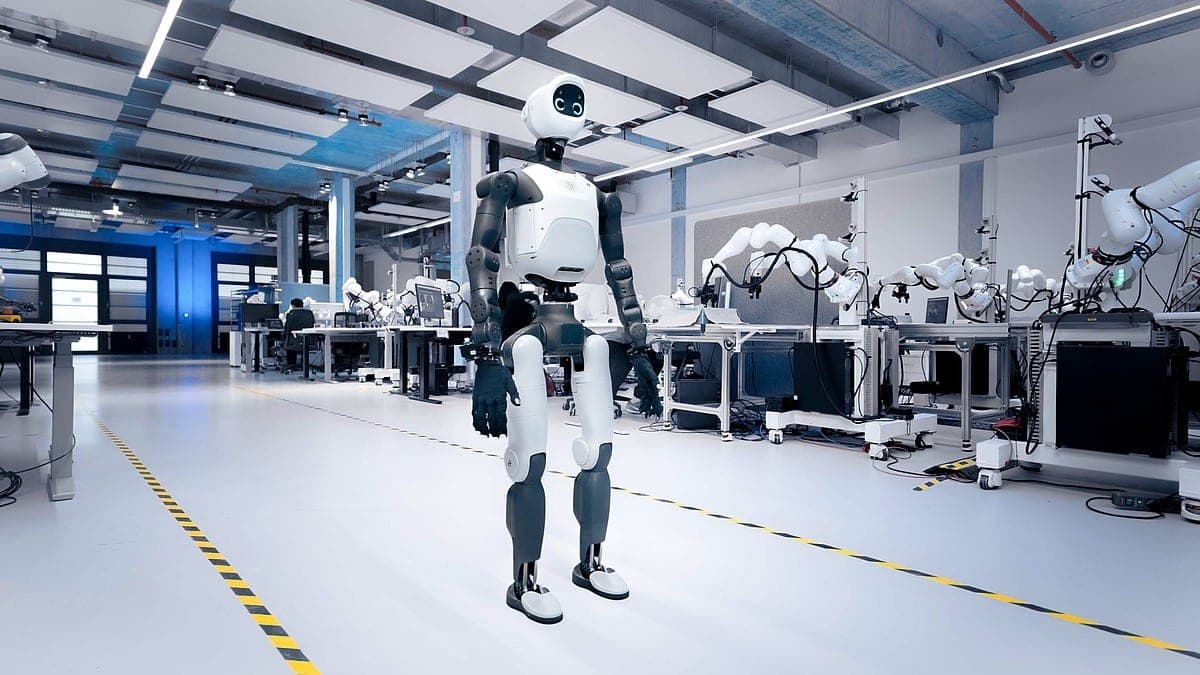
Agile Robots launches Agile ONE SN, a small humanoid for research labs
Agile Robots and NVIDIA unveiled Agile ONE SN at GTC Berlin, a 1.4 meter humanoid with 71 degrees of freedom, due in early 2027 for researchers.
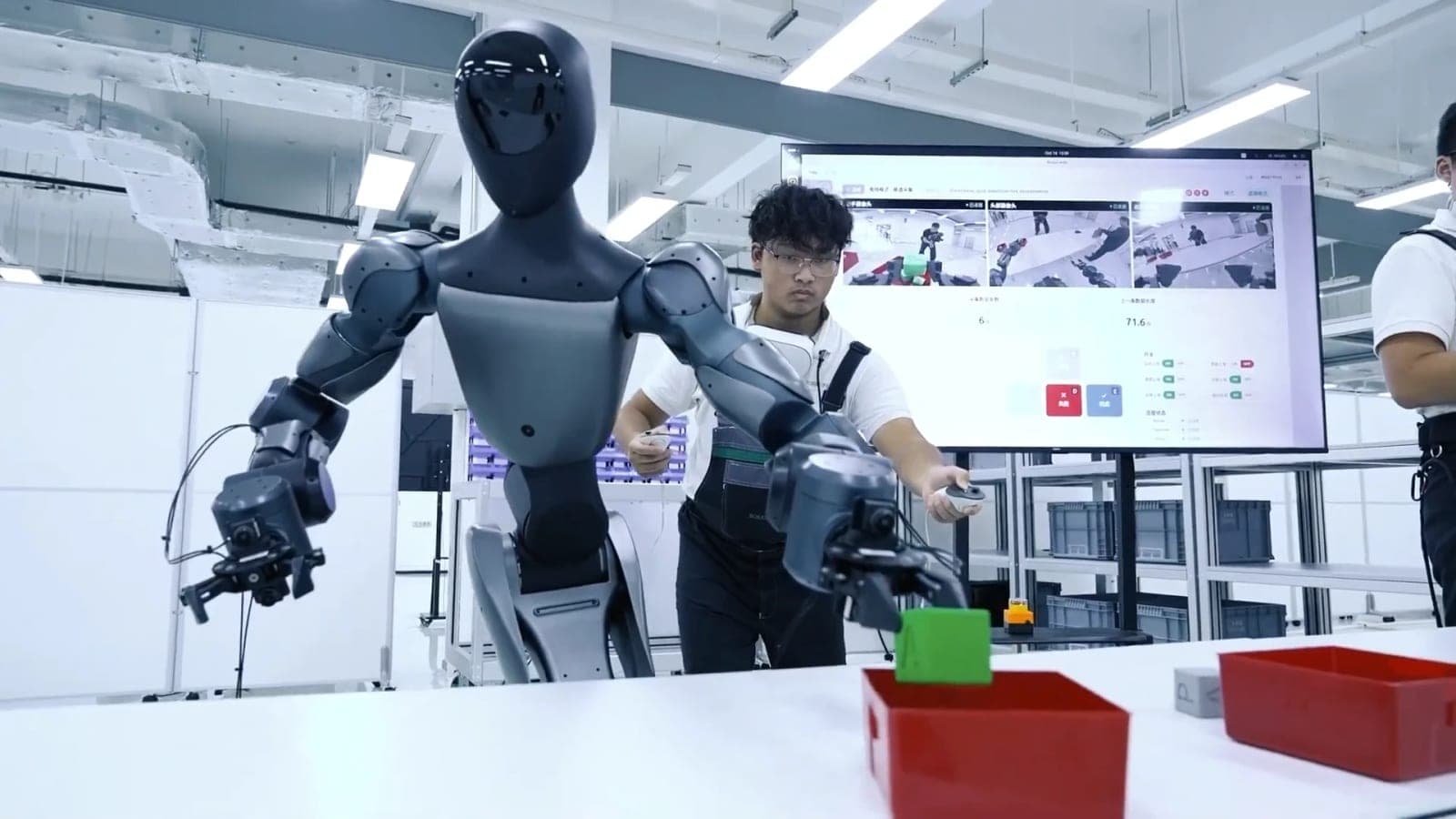
Schaeffler opens a factory where humanoid robots build parts for humanoids
Six humanoid robots work five stations on a joint-module line in Taicang, China, and the same site trains robots for other companies.
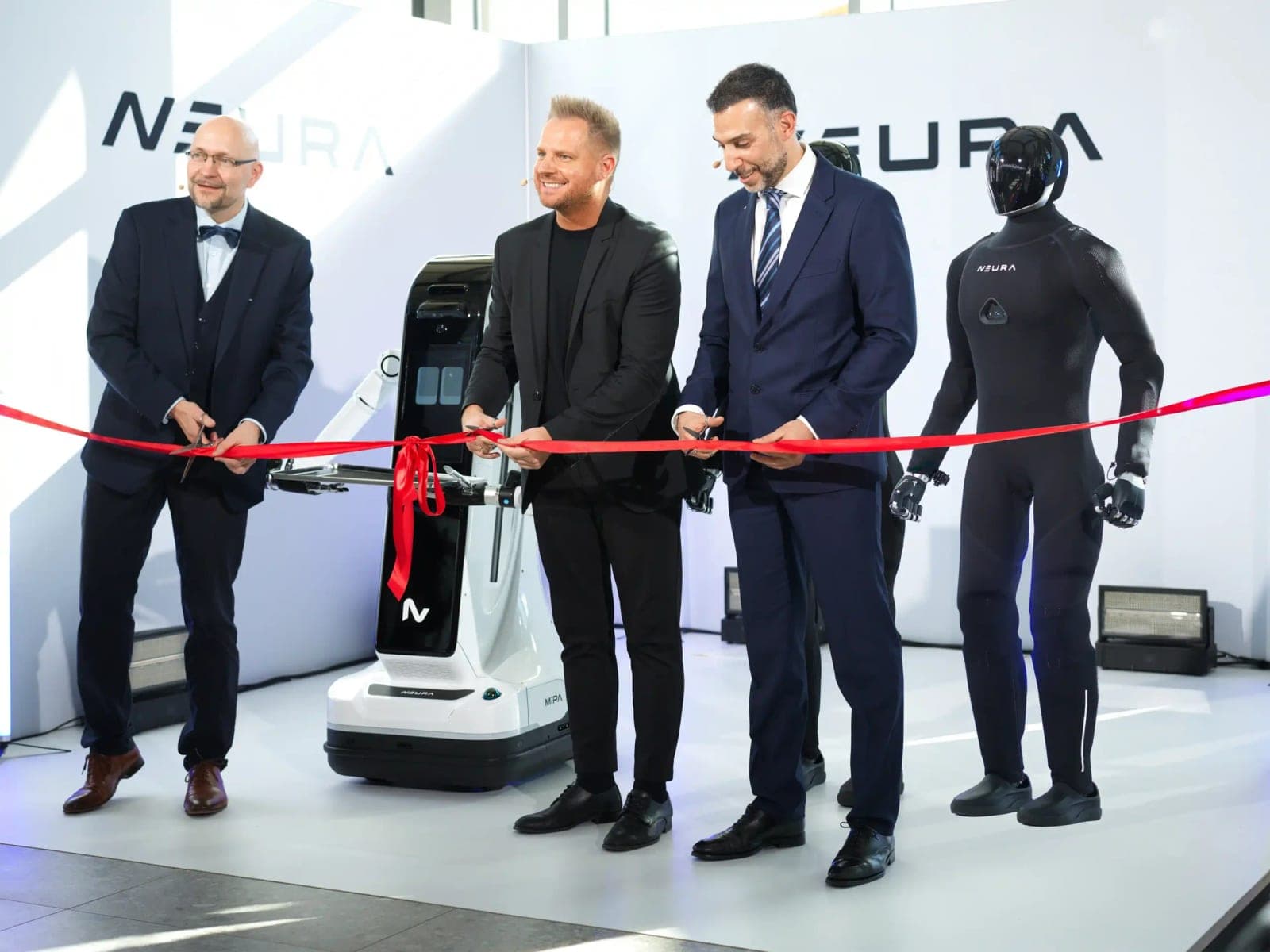
NEURA and TUM open RoboGym in Munich and show the 4NE1 Gen 4 humanoid
NEURA Robotics and the Technical University of Munich opened a 2,300 square meter robot training center near Munich Airport. NEURA also unveiled 4NE1 Gen 4, a humanoid that is 20 percent lighter than the last one.
More in brief
- Spotify's Family plan now asks some members to scan a QR codeOct 22
- Tesla's Q3 profit fell 43% as AI and Optimus spending climbedOct 22
- Meta creates a new class of non-voting shares to fund its AI pushOct 21
- PHP patches two critical flaws that could let attackers take over serversOct 21
- Meta pauses Muse chat sharing after 6,800 links surface in DNSOct 21
- ChatGPT now lets you lock sensitive chats behind a PINOct 20