
Technology·News & analysis
Protesters break into Microsoft's Amsterdam data center site
About 100 people got onto the construction site of a new Microsoft data center on Friday. It was the first of many planned protests across Europe.

Tide
Ripple
Sci-fi
3/10
Reality
Shipping
Giant computer buildings meet very real neighbors.How we rate
About 100 protesters got into the construction site of a new Microsoft data center in Amsterdam on November 6, 2026, and some climbed a crane to hang banners.
The site has three 85-meter towers and 78 megawatts of capacity, and was planned before the city's ban. It is the first of 85 actions planned in 16 countries on November 6 and 7. Microsoft says it respects peaceful protest but does not condone unlawful action.
What to know
- About 100 protesters entered the construction site of a new Microsoft data center in Amsterdam on the morning of November 6, 2026.
- The site has three towers, each 85 meters tall, with 78 megawatts of power capacity, and Microsoft will be the only tenant.
- The "Stop Dirty Data Centres" coalition plans actions at 85 places in 16 countries on November 6 and 7 and wants a pause on large data centers in Europe.
- Amsterdam banned new data centers, but this project was planned in 2016 and kept its permits, so it can still be built.
About 100 people climbed into the construction site of a new Microsoft data center in Amsterdam on Friday morning. The protest was one of many planned across Europe this week.
So why is a building full of computers causing this much trouble? To answer that, start with what happened on site.
What happened on Friday morning?
Members of the action group Geef Tegengas helped organize the protest. Around 100 people made it onto the construction site on the western edge of Amsterdam. Some climbed a crane to hang a banner. Others unfurled more banners and chanted slogans against Microsoft.
Some carried placards that said "Screw your data center." Several banners dealt with the war in Gaza, because some protesters object to Microsoft's contracts in Israel. Others were aimed at AI itself.
Pure Data Centres, the company building the site, answered quickly. "We respectfully ask those on site to leave safely and engage with us in dialogue about the development and any concerns they may have," it said.
Microsoft said it understands that people feel strongly. It said it respects the right to peaceful expression but does not condone unlawful action.
What is being built there?
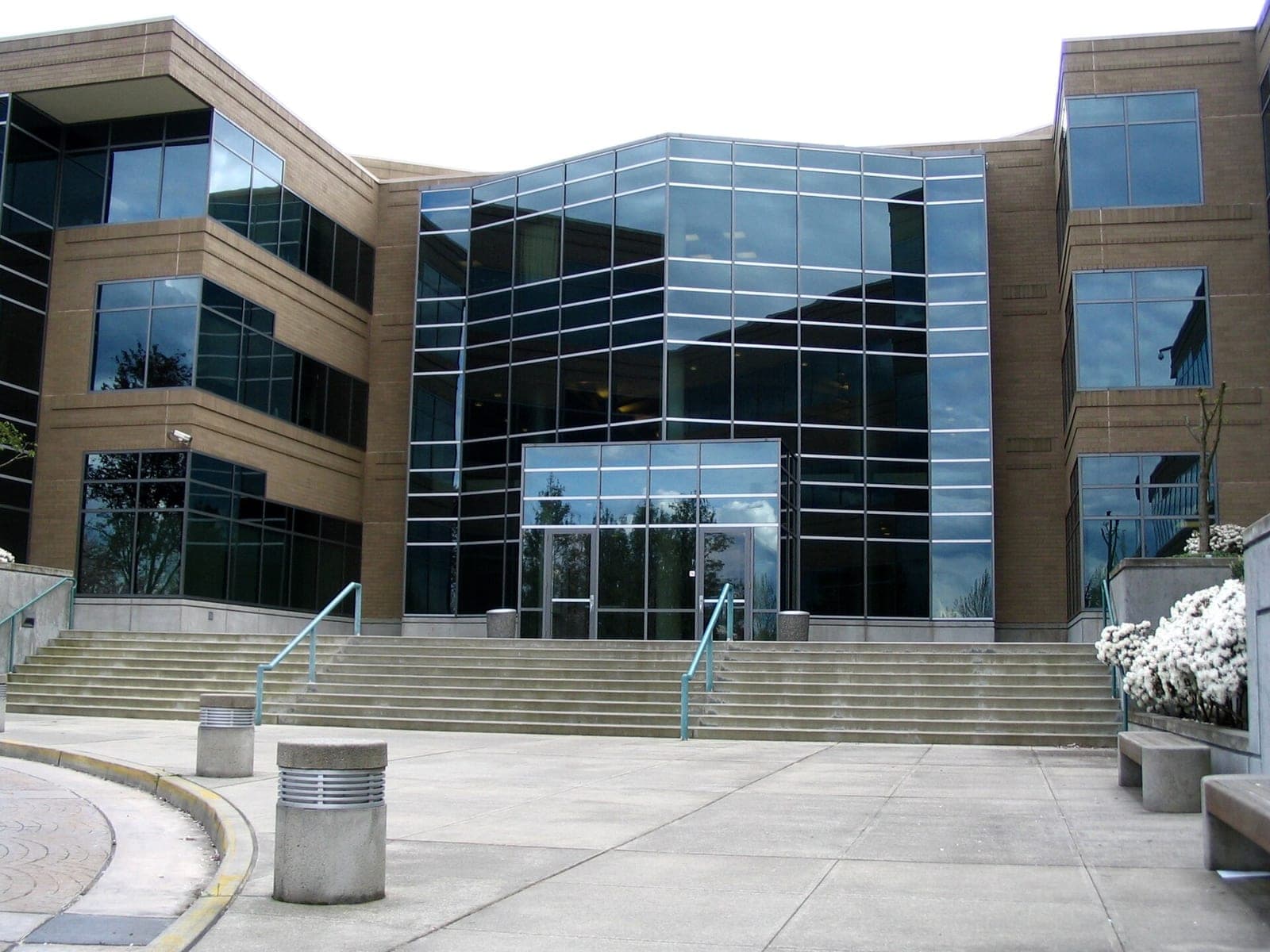
The site is a data center, a large building packed with computers that store data and run apps and AI tools. This one is for Microsoft alone. Microsoft is the only tenant, which means it rents the whole thing.
The project has three towers, each 85 meters tall. That is about the height of a 25-story building. Together they can draw 78 megawatts of power. Local reports say the three buildings will use about as much electricity as all the homes in the city of Haarlem put together.
The British developer Pure Data Centres is building it. Reports put the construction cost at about 1 billion euros. The first piles went into the ground in January 2026.
In real life Think of a data center as a giant, very busy library of computers. Every time you stream a show, back up photos or ask an AI a question, a machine in a building like this does the work.
Didn't Amsterdam ban these?
Yes, and that is the heart of the anger. In late 2023 the city announced a pause on new data centers. It later said it would stop new ones until 2030. In 2022 the Dutch national government also decided that very large data centers belong only in two northern regions, Eemshaven and the Wieringermeer polder.
This project slipped through. The plans began as far back as 2016, before the bans. The city's pause did not cover six projects that were already far along, and this was one of them.
The developer also applied for three separate towers instead of one big center. The province of Noord-Holland judged each tower on its own. Tall towers use less land, which the province counted in the project's favor.
Some local lawmakers were furious that the permit came three years after the national rule on very large centers. Critics say the design found a loophole in the law. The developer and the authorities say the permits were granted properly.
Why do people object?
The reasons come from two sources: what the protest group says, and what Dutch reports describe about the power grid.
The Stop Dirty Data Centres coalition lists many worries. They include rising energy bills, a shortage of housing, heat waves, water use and the effect of big tech on democracy. Some also point to privacy and surveillance. The group says it wants to "hold elected officials to account."
The power grid is a very practical worry. Amsterdam has had grid congestion since 2021, which means the electricity network is close to full. Local reports say the shortage could delay the building of up to 30,000 homes.
The Dutch government has limited the size of data centers in recent years, after provinces and cities complained about the strain on the electricity network. Data centers used 4.6% of all the electricity in the Netherlands in 2024. That is a big share for buildings that employ few people once they are running.
Another Amsterdam project shows the same tension. Residents of Zuidoost, a district in the southeast, started a campaign this summer against a different data center. More than 500 people have joined it, and they say it brings "zero benefits to the area."
The catch: A new data center takes a big slice of a grid that homes also need. That is the trade-off many Dutch officials now argue about.
Is this the first protest here?
No. This site has been a target all summer. On June 12, 2026, Geef Tegengas members occupied the site and chained themselves to structures. Dozens climbed cranes and construction halted for a time.
In mid-July, Extinction Rebellion threw water balloons over the fence. The group said they held hydrogen peroxide, acetic acid, salt and paint, a mix meant to eat at concrete and rust steel.
Pure Data Centres said it had not tested the liquid. It said that if the claims were true, the action was dangerous and could have hurt protesters or workers. It also said there was no damage and no delay, and that police were informed.
Extinction Rebellion said it planned similar actions at other data centers. Its spokesperson linked the fight against data centers to wider concerns about corporate power.
What is the Europe-wide campaign?
Friday's break-in was the first of a planned wave. The Stop Dirty Data Centres coalition says it is holding actions on November 6 and 7, 2026. A map on its site shows 85 locations in 16 countries.
Amsterdam, Dublin, Warsaw and another Microsoft site in Denmark are on the list. This week activists also staged a mock military checkpoint outside a Microsoft data center in Dublin.
The coalition's main demand is an immediate moratorium on large data centers in Europe. A moratorium is an official pause, with no new permits until rules are reviewed.
Europe is not alone. Data center opposition was a big theme in the US midterm elections this week, and voters backed limits on unchecked growth in many places. Microsoft also dropped the UK's largest data center project last month, after grid officials said the site would not get power until the 2030s.
Why does this matter beyond Amsterdam?
AI needs a lot of computing, and computing needs buildings and power. Tech companies are building data centers at a record pace. Communities are now asking who pays for the electricity, the water and the land.
Other European governments are already acting. Denmark has paused new grid connection requests, which have passed 60 gigawatts in total. Google is facing a criminal probe over the clearing of 816 acres of forest in Finland, which the company's local arm allegedly cleared without a permit.
What's next: More protests are expected over the weekend, and the Amsterdam developer says it wants talks. Nothing reported so far says construction has stopped.
What it means for you
- Your AI tools run somewhere real. Chatbots and cloud apps depend on buildings that use large amounts of power and water.
- Local power matters. If you live near a planned data center, grid limits and permits can affect housing and your electricity prices.
- Expect more debate. Europe's pause calls and US voter pressure may slow some new projects.
- Rules are still shifting. Permits granted years ago, like this one, may not survive growing public pressure.
The bottom line
A protest at one Amsterdam construction site shows how the AI boom has run into real neighborhoods. The towers can go up under old permits, but public opinion is now moving faster than the paperwork. The next few months will show whether Europe pauses new data centers or keeps building.
Key facts
- Where
- Construction site in western Amsterdam, near Sloterdijk
- When
- Morning of November 6, 2026
- People
- About 100 protesters
- The site
- Three towers, 85 meters tall, 78 megawatts
- Wider campaign
- 85 actions in 16 countries, November 6 and 7
Got questions?
Quick answers, plain wordsWhat happened at the Microsoft data center in Amsterdam?
About 100 protesters entered the construction site of a new Microsoft data center on the morning of November 6, 2026. Some climbed a crane and hung banners, and others chanted slogans.
Who organized the protest?
Members of the action group Geef Tegengas helped organize it. It was part of a wider campaign by a coalition called Stop Dirty Data Centres, which planned actions across Europe.
Who is building the data center?
The British developer Pure Data Centres is building it. Microsoft will be the only tenant, meaning the only company renting the space.
How big is the project?
It has three towers, each 85 meters tall, and a total power connection of 78 megawatts. News reports put the cost of the construction at about 1 billion euros.
Did Amsterdam not ban new data centers?
The city announced a stop on new data centers, but projects already far along were exempt. This one was planned as far back as 2016, so it was allowed to continue.
How did Microsoft and the developer respond?
Pure Data Centres asked the people on site to leave safely and offered to talk about their concerns. Microsoft said it understands the strong feelings, respects peaceful expression and does not condone unlawful action.
Is this the first protest at this site?
No. Geef Tegengas occupied the site in June 2026, and Extinction Rebellion threw balloons filled with a corrosive mix onto the foundation in July. The developer said that attack caused no damage and no delay.
What are the protesters asking for?
The Stop Dirty Data Centres coalition calls for an immediate moratorium, which means a pause, on large data centers in Europe. Some protesters at the Amsterdam site also raised Microsoft's contracts in Israel.
Are data centers also a political issue in the US?
Yes. Data center opposition was a major theme in the US midterm elections, and voters overwhelmingly backed limits on unrestrained development, according to coverage of the vote.
Will the data center still be built?
As of November 6, 2026, nothing in the reports says construction has been stopped. The permits are in place, and the developer has said it wants a dialogue with the protesters.
SourcesThe Verge
Topics and tagsMicrosoft, Data centers, microsoft, data centers
Related stories

Windows 11 tests a way to switch off the Sticky Keys popup for good
Microsoft is adding a checkbox to the Sticky Keys and Filter Keys popups so you can stop them from coming back. It is in test builds now, about 31 years after the dialog first appeared.
Xbox's new PC app launches up to 60% faster, and Insiders can try it today
Microsoft is giving Xbox Insiders a redesigned PC app with faster loading, a simpler library and friends built into the main menu. A matching cloud gaming refresh is coming to more players.
Microsoft says Windows 11 now runs up to 40% faster on 8 GB PCs
Microsoft tuned how Windows 11 handles memory on low-RAM PCs. It claims up to 20% better responsiveness and up to 40% faster multitasking, and says a full Task Manager is fine.
More in brief
- YouTube is going back on the Billboard charts in 2027Nov 9
- Apple starts selling $50 packs for extra Apple Intelligence useNov 9
- US regulators question whether Waymo's school bus fix workedNov 9
- NVIDIA unveils GR00T 2 and Isaac Lab 3.0 to teach robots delicate workNov 9
- Tesla launches its robotaxi service in San Antonio, its eighth cityNov 9
- Coinbase gets its federal trust bank charter, but no savings accountsNov 9