
Robots·News & analysis
US regulators question whether Waymo's school bus fix worked
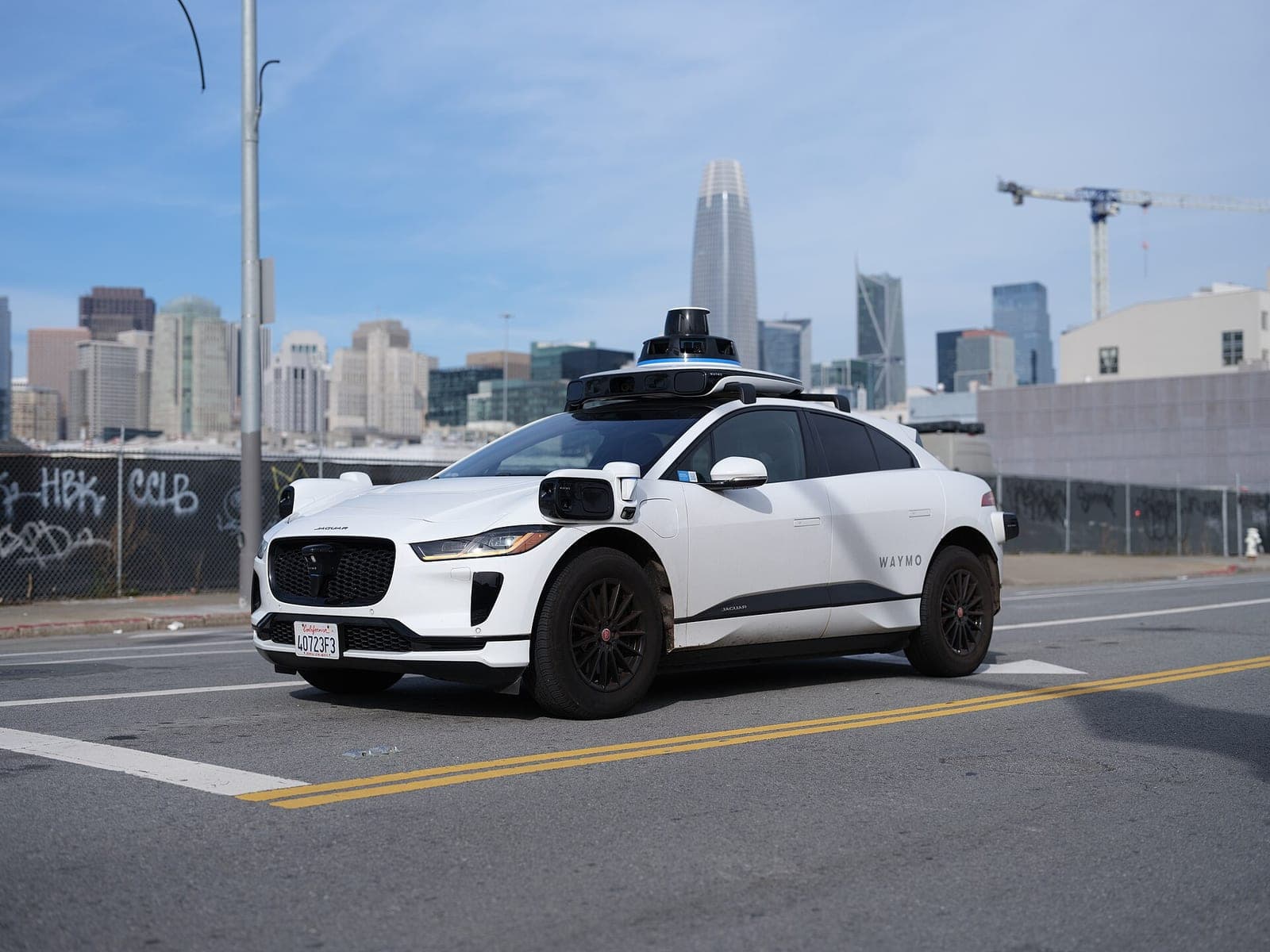
The US traffic safety agency opened a new review after most reported school bus violations happened after Waymo's November 2025 software fix.

Tide
Wave
Sci-fi
7/10
Reality
Shipping
A car with no driver, learning one traffic rule at a time.How we rate
NHTSA opened a recall query into Waymo on November 6 to check whether its software fix for passing stopped school buses worked.
The agency says a majority of reported incidents happened after the fix, which Waymo completed on November 17, 2025. Waymo says it has had no citations since March 2026. The query will decide whether the recall remedy was adequate, and Waymo still has to respond.
What to know
- The National Highway Traffic Safety Administration (NHTSA) opened a recall query on Friday, November 6, to check whether Waymo's school bus software fix actually worked.
- NHTSA says a majority of the reported incidents happened after the fix, which Waymo finished rolling out on November 17, 2025.
- Waymo says it has received no citations since March 2026 and that it will respond to the query once it arrives.
- The separate National Transportation Safety Board (NTSB) is also investigating Waymo's behavior around school buses in Austin, Texas.
Nearly a year after Waymo rolled out a software fix for passing stopped school buses, US safety regulators say the problem may not be solved. The question now is simple: if the fix worked, why did the reports keep coming?
What did the regulator announce?
The National Highway Traffic Safety Administration (NHTSA), the federal agency that polices vehicle safety, opened a recall query in a filing dated November 6. A recall query is a formal check of whether a company's recall fix was good enough.
NHTSA says a majority of the reported incidents happened after the date Waymo said its fix was in place. The agency wants to assess whether the remedy was adequate and to identify the causes behind the reports that came after it.
Waymo finished the software update on all affected vehicles on November 17, 2025. That is the line NHTSA is now measuring against.
How did we get here?
The story started in the fall of 2025. A local news video in Atlanta showed a Waymo robotaxi going around a school bus that had its stop sign out and its red lights flashing while children got off.
NHTSA's Office of Defects Investigation opened its first probe in October 2025 after seeing that kind of footage. In the Atlanta case, the car crossed in front of the bus from its right side, then turned left around the front and drove on.
Austin, Texas, reported more. Austin's school district sent NHTSA a letter listing 19 cases of Waymo cars illegally passing its buses since the start of the 2025-26 school year. It said at least five of them came after Waymo said it had updated its software.
- October 2025: NHTSA opens its first investigation after the Atlanta footage.
- November 17, 2025: Waymo completes a software update on all affected cars.
- December 3, 2025: NHTSA sends Waymo a letter with detailed questions about its self-driving system.
- December 2025: Waymo files a voluntary software recall, which covered more than 3,000 vehicles.
- November 6, 2026: NHTSA opens the recall query.
What is a software recall?
Most people think of a recall as a car going back to the dealer for a new part. For a robotaxi, the "part" is often code. The company sends an update over the internet, and the cars fix themselves overnight.
A voluntary recall still counts. It is filed with NHTSA and carries legal weight. That is why the agency can come back later and ask whether the update did what it promised.
In real life Think of a teacher who says the homework problem is fixed, and then checks the next class's results. The recall query is that second check.
What does Waymo say?
A Waymo spokesperson said the company has made significant improvements to how its cars behave around school buses and has received no citations since March 2026. The spokesperson said Waymo will work to respond to the query once it is received.
The company also described the system as one that "continues to learn and improve." It says it looks forward to continuing its work with regulators on recall processes for self-driving software.
When Waymo filed the recall in December 2025, its Chief Safety Officer, Mauricio Pena, said holding the highest safety standards means "recognizing when our behavior should be better." Waymo also said no injuries were related to the behavior covered by that recall.
What is the NTSB looking at?
Separate from NHTSA, the National Transportation Safety Board (NTSB) is also investigating. The NTSB is an independent federal agency that studies crashes and issues safety recommendations. It cannot force a recall, but its reports carry weight.
The NTSB said it is looking into a January 12 incident in Austin, where a Waymo passed a school bus that was loading students, in violation of Texas law. It also knows of a January 14 case involving a bus on a special-needs route.
That second case has a detail worth explaining. The Waymo stopped for the bus at first. Then other cars passed the bus, which prompted the Waymo to ask a human remote assistance operator whether it was "a school bus with active signals." The operator said no, and the Waymo then passed the bus.
The NTSB said it plans to issue safety recommendations to help prevent similar incidents.
Did Austin ask Waymo to stop?
Yes. Austin's school district asked Waymo to pause operations around schools during pick-up and drop-off times until it could be sure its cars would follow the law. Waymo declined.
That request is the clearest sign of how local officials feel. School districts see these buses every day, so a pattern of near-misses gets noticed fast.
Is there a link to the Santa Monica case?
Not directly, but both involve children and Waymo. NHTSA also opened a separate investigation into a January 23 collision in Santa Monica, California, where a Waymo struck a nine-year-old girl near an elementary school.
Waymo said the girl ran out from behind a double-parked SUV, and that its car braked hard, slowing from about 17 mph to under 6 mph before contact. The company said the child stood up and walked to the sidewalk and had minor injuries. NHTSA is checking whether the car used enough caution near a school during drop-off.
Those are different events with different causes. They share one thing: regulators are paying close attention to how robotaxis behave where children are.
How big is Waymo now?
The scale matters for how regulators think. NHTSA noted that Waymo's cars passed 100 million miles of driving in July 2025 and were adding about 2 million miles a week. A rare mistake can still show up many times at that volume.
Waymo says its own data shows its cars have twelve times fewer injury crashes involving pedestrians than human drivers. Regulators do not dispute that here. They are asking a narrower question about one specific traffic rule.
Waymo has issued voluntary software recalls before: one earlier in 2025 and two in 2024. Software fixes are now a normal part of running a fleet of self-driving cars.
What happens next?
Waymo has to answer NHTSA's questions. The agency will compare incident dates against the fix date and look for causes. It can then close the query, ask for changes or push for a new recall.
The NTSB's recommendations are still to come. Nothing in the query takes Waymo's cars off the road, and the company continues to operate in its cities.
What it means for you
- If you ride Waymo: nothing changes today. The cars keep running, and the query is a review, not a ban.
- If you drive near school buses: the law is the same for you. Stop when the red lights flash and the stop sign is out.
- If you live in a Waymo city: expect more attention to how cars behave around schools, from regulators and local officials.
- If you follow self-driving cars: the real test is whether a software fix holds up in daily traffic, not just in a company's own checks.
The bottom line
Waymo said it fixed the school bus problem in November 2025. NHTSA now says most reported incidents came after that date, and it wants to know why. Waymo says it has had no citations since March, and the agency's answer will show whether the fix was enough.
Key facts
- What opened
- A NHTSA recall query, filed November 6, 2026
- Fix completed
- November 17, 2025, on every affected vehicle
- Austin school district count
- 19 illegal passes reported by early December 2025
- Waymo's latest claim
- No citations since March 2026
- Other probes
- NTSB (Austin buses) and NHTSA (Santa Monica child)
Got questions?
Quick answers, plain wordsWhat is a recall query?
It is a NHTSA review of whether a company's recall fix was good enough. The agency checks if the remedy solved the problem. It can lead to a new recall if it did not.
Why is NHTSA investigating Waymo again?
NHTSA says a majority of the reported school bus incidents happened after Waymo's software fix was in place. It wants to know why, and whether the fix was adequate.
What did Waymo's 2025 recall change?
Waymo filed a voluntary software recall in December 2025 for how its cars slow down and stop around school buses. The company says the fix was rolled out to all affected vehicles by November 17, 2025.
Did anyone get hurt in the school bus incidents?
Waymo said no injuries were related to the vehicle behavior addressed by the recall. The Santa Monica case, where a car struck a child, is a separate investigation.
What does Waymo say about the new probe?
A Waymo spokesperson says the company has made significant improvements around school buses and has received no citations since March 2026. Waymo says it will respond to NHTSA once it receives the query.
What did the NTSB find in Austin?
The NTSB said it is investigating a January 12 Austin incident. In a second case on January 14, the Waymo asked a human remote assistance operator whether the bus had active signals, the operator said no, and the car passed it.
Is it illegal to pass a stopped school bus?
Yes. In Texas and in many other states, drivers must stop when a school bus has its red lights flashing and its stop sign out. The NTSB described the Austin incidents as violations of Texas state law.
Is Waymo still operating around schools?
Yes. Austin's school district asked Waymo to pause operations around school pick-up and drop-off times, and Waymo declined. Nothing in the new probe orders the cars off the road.
Could this lead to another recall?
It could. A recall query exists to judge whether the first remedy was adequate. If NHTSA decides it was not, it can push for a new or expanded fix.
SourcesTechCrunch
Topics and tagsWaymo, AI safety, AI policy, Self-driving
Go deeper
Related stories
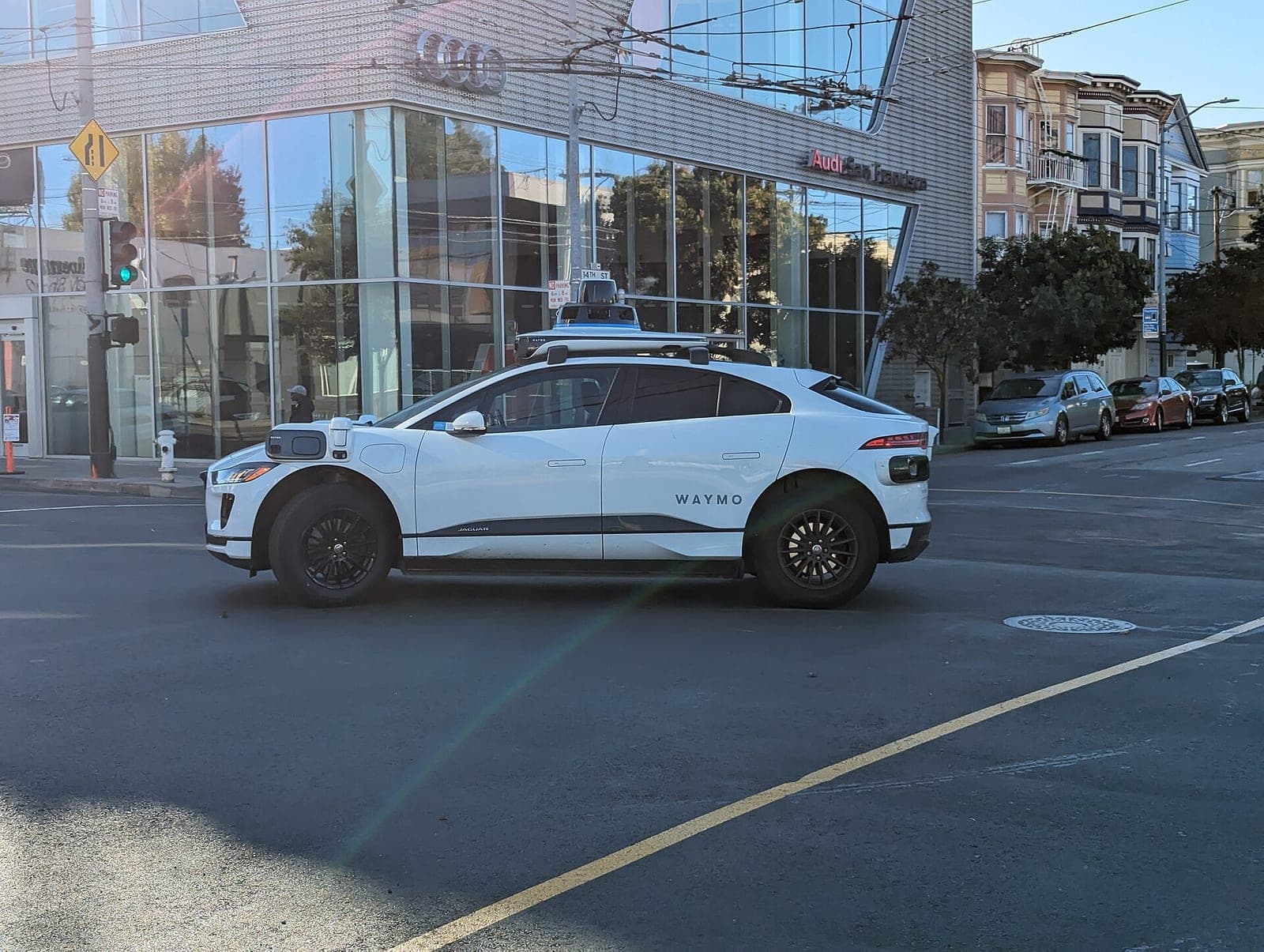
California will fine robotaxi companies that block first responders for over 30 minutes
Governor Gavin Newsom signed SB 1246, which requires robotaxi operators like Waymo, Tesla and Zoox to send on-site help when their cars cause problems, and to keep remote drivers in the US.
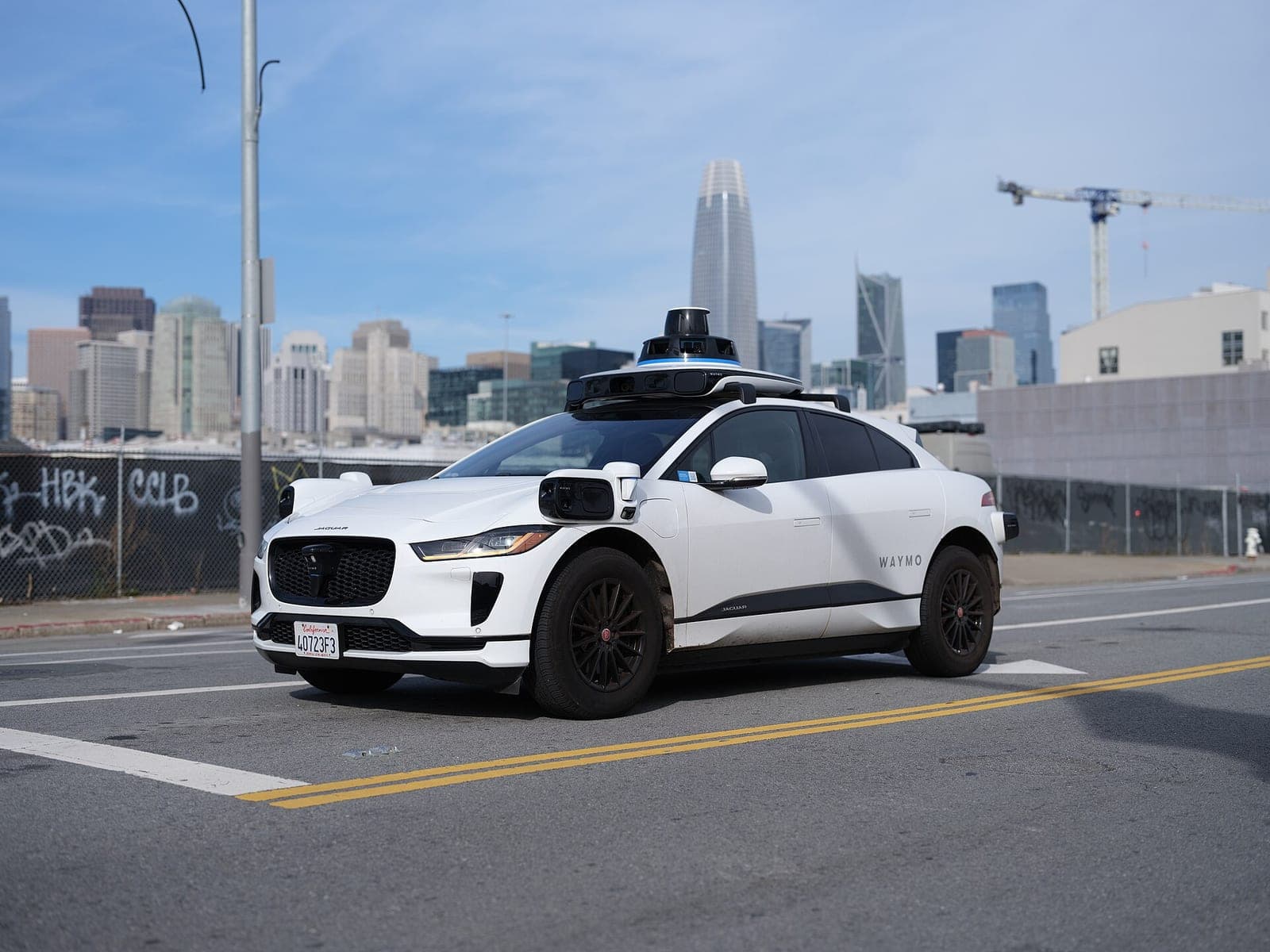
Waymo is bringing its robotaxis to Toronto, with first rides planned for 2028
Waymo is expanding to Canada for the first time. Its cars start mapping Toronto in the coming days, with human drivers, and the company wants its first riders there in 2028.
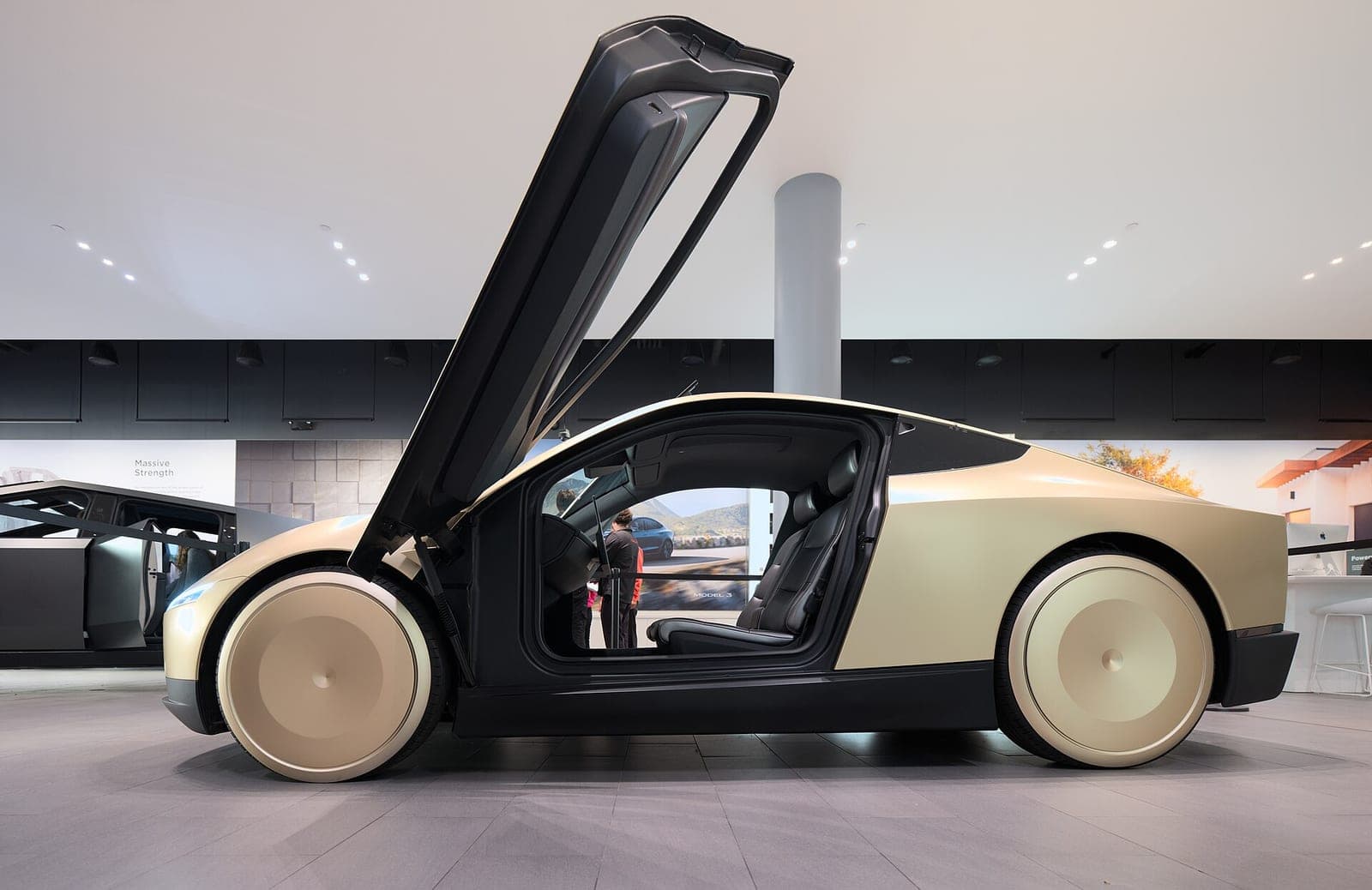
Tesla launches its robotaxi service in San Antonio, its eighth city
Tesla's Robotaxi is live in San Antonio with a 274 square mile launch map. The big question is how much of that map riders can actually book.
More in brief
- Apple starts selling $50 packs for extra Apple Intelligence useNov 9
- Windows 11 tests a way to switch off the Sticky Keys popup for goodNov 9
- NVIDIA unveils GR00T 2 and Isaac Lab 3.0 to teach robots delicate workNov 9
- Coinbase gets its federal trust bank charter, but no savings accountsNov 9
- Google's new AI chips keep your data locked, even while they work on itNov 9
- Instagram's AI age detection goes global, putting millions more teens in Teen AccountsNov 9