
Technology·News & analysis
Coinbase gets its federal trust bank charter, but no savings accounts
Coinbase now has full approval from the US Office of the Comptroller of the Currency to run as a national trust bank. It can hold and move assets, but it cannot take deposits or make loans.


Tide
Ripple
Sci-fi
3/10
Reality
Shipping
A crypto exchange gets a federal badge and a rulebook.How we rate
Coinbase received full federal approval to run as a national trust bank, which lets it hold and move assets under one regulator but not take deposits or make loans.
It matters because it shows crypto companies moving into the regulated financial system, while small banks fight the idea in court. Next, watch the bankers lawsuit and how Coinbase moves its custody business over the next three years.
What to know
- Coinbase now has full approval from the US Office of the Comptroller of the Currency (OCC) to operate as a national trust bank, after conditional approval on April 2, 2026.
- The charter lets Coinbase handle custody, payments and related services under one federal regulator, but it cannot take ordinary deposits or make loans.
- Coinbase says it is the world's largest crypto custodian, and the approval is expected to help its stablecoin business grow.
- Small banks are pushing back, and the Independent Community Bankers of America has filed a lawsuit over the OCC's power to grant such charters to crypto firms.
Coinbase just got a federal banking badge. It is not the whole bank, though, so what does the badge actually let it do?
What did Coinbase get?
The crypto company received full approval from the US Office of the Comptroller of the Currency, or OCC, to operate as a national trust bank. The OCC is the federal agency that charters and supervises national banks. Coinbase's charter became effective on November 6, 2026, and the company announced it on November 9.
The new entity is called Coinbase National Trust Company. It follows conditional approval that Coinbase announced on April 2, 2026, and an application filed in October 2025. "Conditional" means the regulator said yes, but Coinbase still had to build systems and pass checks before the charter went live.
Coinbase called the approval "an important step forward for Coinbase and the broader crypto industry." Vice Chairman Ryan VanGrack said the company has been working for years to find clear rules and rigorous oversight.
What is a trust bank?
A trust bank is a narrower kind of bank. It looks after assets for other people and companies instead of lending out their money. A custodian is a company that holds assets safely on someone else's behalf. Think of a vault with a federal inspector who visits.
Under the charter, Coinbase can:
- Safeguard digital assets for customers, in a fiduciary role. Fiduciary means the company must act in the client's interest.
- Handle payments, transactions and settlement on behalf of clients.
- Act as custodian for institutions and for digital asset funds.
- Give access to staking and trading through its affiliates. Staking means locking up coins to help run a blockchain network, usually in return for rewards.
What can it not do?
The limits matter as much as the permissions. Coinbase cannot accept ordinary customer deposits and cannot make traditional loans. The charter also does not give customers FDIC insurance. FDIC insurance is the federal protection that covers regular bank deposits up to a limit.
In real life a regular bank is a shop where you can park cash and borrow money. A trust bank is closer to a safe deposit box room. It guards what you bring, but it does not lend it out.
Coinbase also has rules to follow. Over its first three years, reports say it must keep at least $60 million in Tier 1 capital. Tier 1 capital is the money a bank holds in reserve to absorb losses. It must also keep enough liquid assets to cover 180 days of operating costs.
Why does Coinbase want this?
Coinbase says it is the world's largest crypto custodian. Its institutional business, Coinbase Prime, managed about $245.7 billion in assets as of June 2025. Coinbase's Greg Tusar has said the company is custodian to over 80 percent of the world's digital asset exchange-traded funds, or ETFs. An ETF is a fund that trades on a stock exchange like a share.
Until now, Coinbase held a limited-purpose trust charter from the New York Department of Financial Services plus a patchwork of state money transmitter licenses. A federal charter puts the custody and payments work under one national regulator.
Coinbase also recently partnered with Citigroup to convert between stablecoins and regular currency. A stablecoin is a digital token meant to stay worth one US dollar. Coinbase says the new status will let it expand its stablecoin business.
Be careful with that part. Coverage differs on whether the charter allows Coinbase to issue stablecoins itself. Some reports say the approved business plan excludes direct issuance. Others say it could support token management services for other crypto companies. The safe reading is that Coinbase plans to do more around stablecoins, and the exact limits are not fully clear.
How did it get here?
The road from application to charter took about thirteen months. Here is the timeline:
- October 3, 2025: Coinbase files its national trust charter application with the OCC.
- April 2, 2026: the OCC gives conditional approval, after about six months of review.
- Spring to autumn 2026: Coinbase works through its to-do list. Before a final charter, a new trust company has to hold its first board meeting, adopt bylaws, set up payment rails and pass a pre-opening exam by the OCC. Payment rails are the connections that let money move between banks and systems.
- October 2026: Ripple receives its own national trust bank approval, and the small bank group files its lawsuit.
- November 6, 2026: Coinbase's charter becomes effective.
- November 9, 2026: Coinbase announces the full approval.
Notice what the list shows. The regulator did not just wave the company through. Coinbase had to build compliance systems, hire key staff and show strong risk management and anti-money-laundering controls first. Anti-money-laundering controls are the checks a financial firm uses to spot and stop dirty money.
What happens to existing customers?
For most people, nothing changes today. Reports say Coinbase will gradually move its existing New York regulated custody business into the new federal entity over about three years. That is a slow handover, not a switch flipped overnight.
The charter is aimed at institutions, such as funds and large companies, more than everyday app users. If you buy a little Bitcoin on your phone, your account works the same as it did last week.
Who else has a charter?
Coinbase is not alone. Ripple received national trust bank approval in October 2026 for an institution that supports its RLUSD stablecoin reserves and custody operations. Circle, BitGo, Fidelity Digital Assets, Paxos and others have also gone through the OCC process, with some conditionally approved and others still waiting. Galaxy Digital and World Liberty Financial have applied too.
The trend is clear. Crypto firms used to work around the banking system. Now many of them are applying to join it, on narrower terms.
Why are small banks upset?
Not everyone likes this. The Independent Community Bankers of America, which speaks for small US banks, filed a lawsuit in October 2026. It challenges the OCC's authority to grant trust charters to crypto firms. The group argues those firms do not face the same safeguards that traditional banks do.
The case is a reminder that approval is not the end of the story. If a court sided with the bankers, the rules for crypto charters could change.
Is Coinbase's past a problem?
It is part of the picture. In 2022 and 2023, the SEC sued Coinbase over the sale of unregistered securities and alleged violations of securities laws. In 2023, Coinbase settled with the state of New York for $100 million over issues tied to money transmitting. Last year, the company was hacked, and the attackers demanded $20 million to keep the information private.
Supporters say regular federal oversight is exactly how a company moves past that history. Critics say a charter is a lot of trust to hand a company with that record. Both points can be true.
What it means for you
- Your account does not change today. The charter is built for institutions, and the custody move will take about three years.
- Crypto is getting more rules. One federal regulator and capital requirements mean clearer standards for how assets are held.
- No deposits, no FDIC cover. Do not treat Coinbase as a bank for your savings.
- Watch the lawsuit. The bankers' case could shape which crypto firms get charters next.
The bottom line
Coinbase now has full federal approval to run as a national trust bank. It can hold assets and move payments under one regulator, but it cannot take deposits or lend.
For most readers this is a quiet change. For crypto, it is one more sign that the industry wants to play inside the financial system, and small banks are not ready to let it in without a fight.
Key facts
- Approval
- Full OCC national trust charter
- Conditional approval
- April 2, 2026
- Deposits and loans
- Not allowed
- Custody move
- About 3 years
- Minimum capital
- $60 million Tier 1
Got questions?
Quick answers, plain wordsWhat did Coinbase just get?
Full approval from the US Office of the Comptroller of the Currency to operate as a national trust bank, called Coinbase National Trust Company. It follows conditional approval from April 2, 2026.
Is Coinbase now a regular bank?
No. A trust bank is a narrower kind of bank. Coinbase cannot take ordinary deposits or make loans, and the charter does not make customer accounts FDIC insured.
What can a national trust bank do?
It can safeguard assets for clients, act for them in payments and settlements, and serve as a custodian. For Coinbase that means holding digital assets for institutions and for products such as crypto funds.
What is a custodian?
A custodian is a company that holds assets safely on behalf of someone else. A trust bank can hold and protect those assets under federal rules, much like a vault with auditors.
Does this mean Coinbase can issue its own stablecoin?
Reports differ on the details. Coinbase says the approval could help it expand its stablecoin business, but some coverage says the approved business plan does not include issuing a stablecoin itself.
What is a stablecoin?
A stablecoin is a digital token meant to hold a steady value, usually one US dollar. People use them to move money quickly on the internet without the price swings of coins like Bitcoin.
Why does a federal charter matter?
A federal charter gives Coinbase one national regulator, the OCC, instead of a patchwork of state licenses. That can make rules clearer for the company and for the institutions it serves.
Do I need to do anything as a Coinbase customer?
No. The approval does not change your account today. Coinbase plans to move its existing New York regulated custody business to the new federal entity over about three years.
Who is against the charters?
The Independent Community Bankers of America, a group for small banks. It filed a lawsuit in October 2026 challenging the OCC's authority to grant trust charters to crypto firms.
Which other crypto firms have trust charters?
Ripple received national trust bank approval in October 2026. Other crypto and finance firms, including Circle, BitGo, Fidelity Digital Assets and Paxos, have applied or received conditional approval.
SourcesEngadget
Topics and tagscoinbase, crypto, stablecoins, banking
Related stories

Binance loses about $6.3 billion in the biggest crypto theft on record
The world's largest crypto exchange says an engineer's compromised laptop let attackers submit unauthorized withdrawals. Researchers blame North Korea's TraderTraitor group.
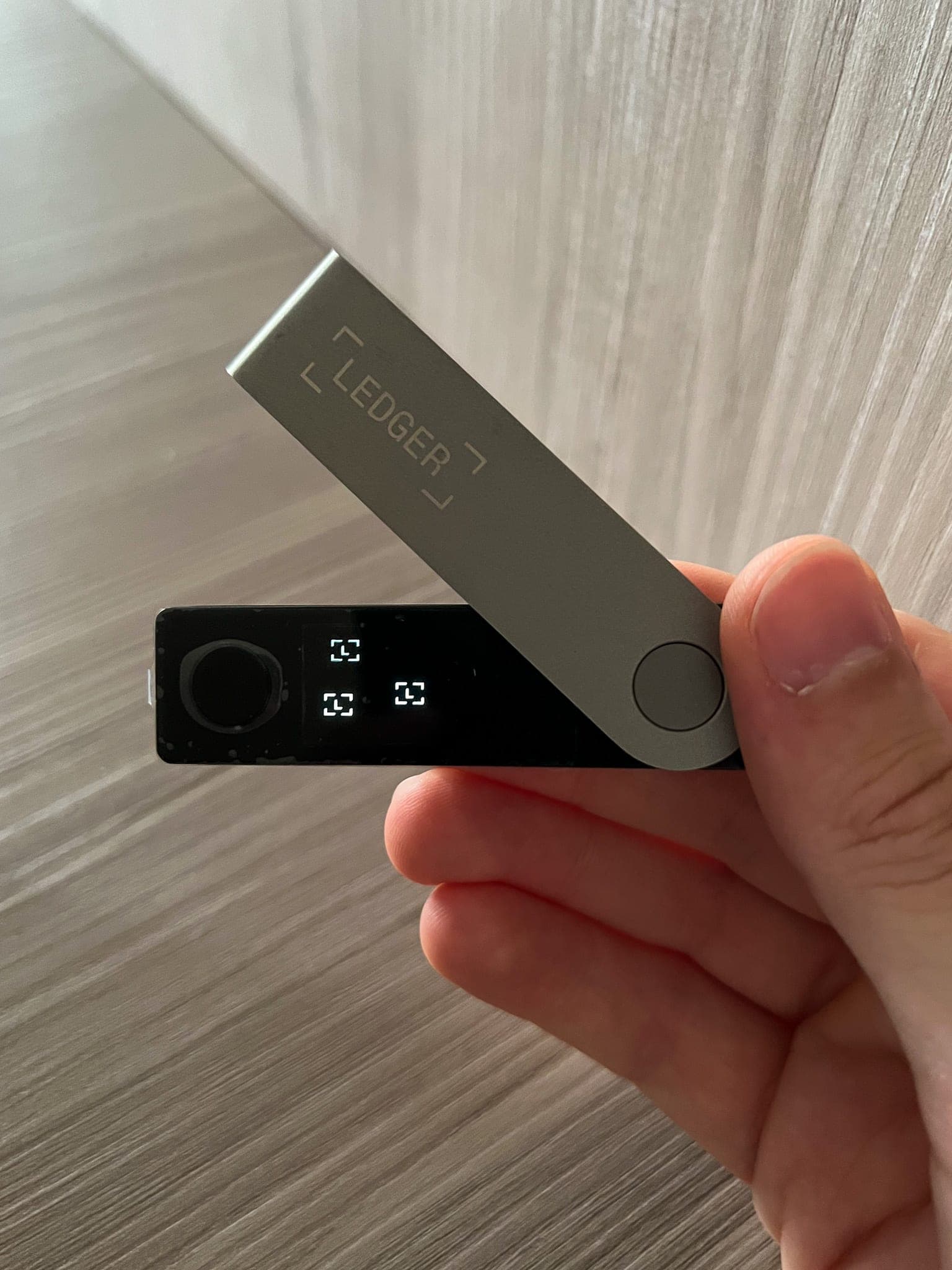
Ledger confirms a hidden spy chip behind crypto thefts from resold wallets
Ledger found an unauthorized hardware implant in a wallet sold by CryptoBilis, a reseller in Southeast Asia, after buyers lost tens of millions of dollars in crypto.

Robinhood will let you trade stocks on weekends and bet on earnings reports
Robinhood announced weekend stock trading, crypto perpetual futures with up to 10x leverage, and contracts that let users wager on corporate earnings metrics through a partnership with Cboe.
More in brief
- YouTube is going back on the Billboard charts in 2027Nov 9
- Apple starts selling $50 packs for extra Apple Intelligence useNov 9
- Windows 11 tests a way to switch off the Sticky Keys popup for goodNov 9
- US regulators question whether Waymo's school bus fix workedNov 9
- NVIDIA unveils GR00T 2 and Isaac Lab 3.0 to teach robots delicate workNov 9
- Tesla launches its robotaxi service in San Antonio, its eighth cityNov 9