
Technology·News & analysis
Neuralink gets FDA approval for its first pivotal brain implant trial
The FDA has cleared Neuralink to run LINK, a pivotal study of its brain implant in people with ALS. It is a late-stage test, not a market approval.

Tide
Wave
Sci-fi
9/10
Reality
Demo
Moving a cursor with nothing but a thought.How we rate
Neuralink says the FDA approved its LINK Pivotal Study, the first pivotal trial of an implantable brain-computer interface in the US.
The study will test safety and effectiveness in people with severe paralysis from ALS. It builds on early studies with more than 30 implanted participants. Enrollment is open, but the implant stays experimental until the trial ends and a separate FDA review is complete.
What to know
- Neuralink says the FDA approved the LINK Pivotal Study, which it calls the first pivotal trial of an implantable brain-computer interface in the US.
- The study will test safety and effectiveness in people with severe paralysis caused by ALS, with a focus on controlling digital devices by thought.
- It builds on early studies in the US, Canada and the UK with more than 30 implanted participants.
- The approval covers a trial, not a product: the implant is still experimental and cannot be sold.
Neuralink announced on Wednesday that the US Food and Drug Administration (FDA) has approved its LINK Pivotal Study. The company calls it the first pivotal trial of an implantable brain-computer interface in the United States.
That's the news. Now the fun part: what does "pivotal" actually mean, and how close is a chip in your head to being a normal medical device?
What is a pivotal trial?
Medical devices get tested in stages. Early studies ask a small question: is this safe enough to try in a few people, and does it do anything at all?
A pivotal trial is the big one near the end. It is usually the final large round of research a company needs before it can ask regulators to approve a high-risk device for sale.
Why it matters: Neuralink's earlier studies were feasibility studies, the small first steps. LINK moves the implant into the stage where results can count toward a market application.
What will LINK test?
The goal, in Neuralink's words, is to evaluate the safety and effectiveness of its brain-computer interface in people with severe paralysis due to ALS. ALS, short for amyotrophic lateral sclerosis, is a progressive disease that damages the nerve cells that control voluntary muscles.
A brain-computer interface (BCI) is a system that reads signals from the brain and turns them into commands for a computer. Think of a translator sitting between your brain and your screen.
The study will measure how well participants can control digital devices by thought. Neuralink says it will focus on "functional outcomes that improve independence in daily life." It will also keep tracking the long-term safety and reliability of the system across several clinical sites.
How does the implant work?
Neuralink's system has two main parts. The N1 implant sits in the skull. A surgical robot called R1 then places very thin, flexible electrodes, tiny metal contacts that pick up electrical activity, into the brain.
The electrodes listen to brain activity linked to movement. Software interprets those signals and turns them into commands, such as moving a cursor or clicking.
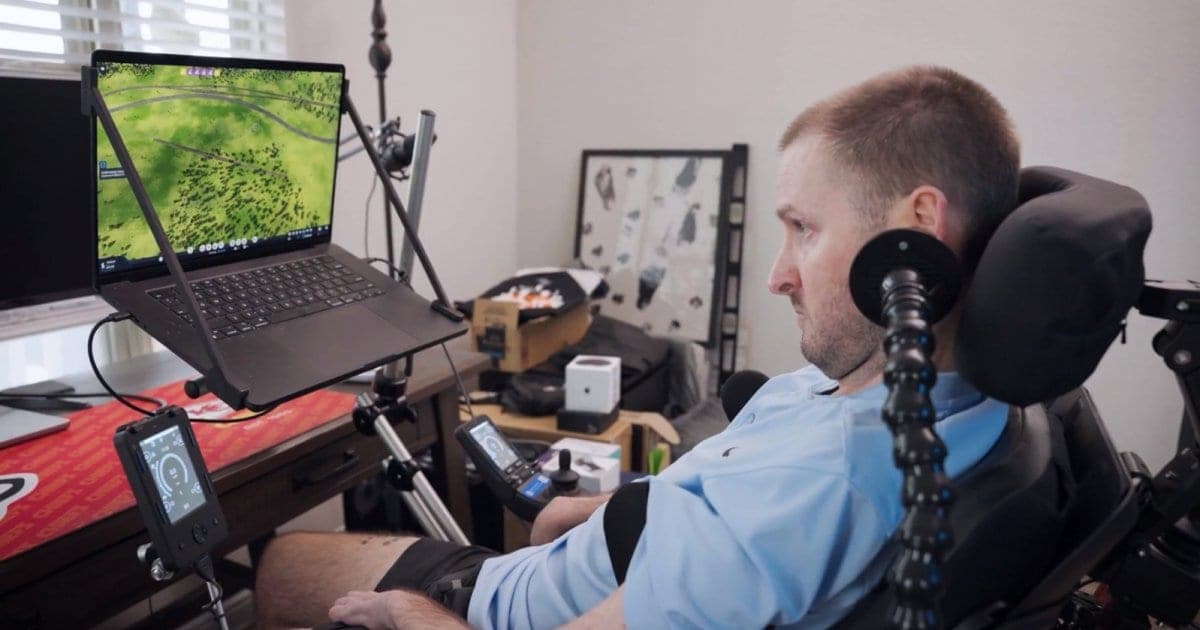
In real life Picture someone who can no longer use a mouse. They think about moving their hand, the cursor glides across the screen, and they open a game or an email without anyone touching a thing.
The N1 carries 1,024 electrodes. The eventual goal is to let people operate devices without keyboards or other physical controls.
What does being in the study involve?
Neuralink's trial page lays out the path for a participant. The commitment is long, so it helps to see the steps.
- Screening: health checks and brain imaging with an MRI scan.
- Surgery: the N1 implant is placed, and the page says patients are typically discharged the same day or the next day.
- Training: participants learn to steer a cursor and click with their mind. Learning time ranges from the first day to a few weeks.
- Follow-ups: visits at about 10 days, 45 days, 90 days, 6 months, 1 year and 2 years after surgery. Some check-ins happen at home.
The whole participation lasts 24 months. Neuralink also lists roughly four hours of battery life per charge and up to a few hours of calibration a week to keep cursor control sharp.
Who can join?
Neuralink says adults with ALS may be eligible, and that enrollment for the pivotal study is now open. The pivotal trial is US only.
Its trial page lists a few requirements across its studies: little or no use of both hands and arms, an age of 18 or older, a consistent and reliable caregiver, and certain ventilator requirements where they apply. People who want to learn more can join the company's Patient Registry.
The catch: Neuralink has not said how many people it will enroll or which hospitals will run the study. As of Wednesday evening, no record of it had appeared in the ClinicalTrials.gov registry.
How did Neuralink get here?
The road was not short. In 2022, the FDA rejected Neuralink's first application to test its implant in people over safety concerns. In May 2023, the agency authorized the company to start a feasibility study called PRIME.
The first person to receive the implant was Noland Arbaugh, who is paralyzed from the shoulders down. The surgery took place in January 2024 at the Barrow Neurological Institute in Phoenix.
Since then the program has grown:
- More countries: feasibility studies opened in Canada, the United Kingdom and the United Arab Emirates.
- More people: the company reported 21 participants in January, and now says more than 30 have been implanted.
- A new US study: this month Neuralink registered PRIME2, which plans to enroll up to 10 people at five centers.
Neuralink says those participants have collectively logged thousands of hours of real-world use. They have used the implant to pursue higher education, make art, play video games and talk with loved ones.
One of them, Bradford Smith, was the company's first participant with ALS. Neuralink said he was able to communicate using brain signals alone.
What does this not mean?
This is where a careful reader should slow down. The FDA authorization covers running a clinical trial, not selling the device. Neuralink's implants remain experimental.
Any market launch would depend on the trial results and a separate FDA review. Passing a pivotal study is a requirement, not a guarantee.
The announcement is also narrow in scope. LINK is about controlling digital devices, which Neuralink calls Telepathy. It does not cover the experimental Blindsight vision implant or the speech-restoration study.
Those two programs have already earned the FDA's breakthrough device designation: September 2024 for Blindsight and May 2025 for speech. That label can speed up regulatory review, but it does not approve a device.
Who else is in the race?
Neuralink is not alone. Synchron builds a device called the Stentrode, which takes a different route. It is guided through a blood vessel and rests in a vein next to the part of the brain that controls movement, so no part of the skull is removed.
The first-generation Stentrode carries 16 electrodes, against 1,024 on Neuralink's N1. Synchron's 12-month COMMAND study reported no serious adverse events, and the company has said it is preparing a pivotal trial. It also voluntarily paused trials of its second-generation device after finding a performance issue with the device's lead, which it described as its own decision rather than an FDA order.
A report last year said Neuralink had internally targeted around 2029 for FDA authorization of Telepathy. The company has not confirmed that date.
For readers who like their brain gadgets outside the skull, there is also a headset that reads brain signals from the outside.
What it means for you
- If you or a family member has ALS: the study is open. Check the eligibility list on Neuralink's trial page and talk to a doctor before anything else.
- If you are curious about the tech: nothing you can buy changes today. This is a research milestone, and the result of the trial is what decides what comes next.
- If you follow health tech: watch for the enrollment size, the list of sites and the first results. Those will say more than the headline does.
The bottom line
The FDA has cleared Neuralink to run its first pivotal study, and that is a real step from experiment toward medical product. It is still a trial, with an experimental implant and an unfinished review ahead of it.
For people living with ALS, the point is simple: a way to use a computer by thought is now being tested at a larger scale.
Key facts
- Study name
- LINK Pivotal Study
- Who it is for
- Adults with severe paralysis from ALS
- Earlier participants
- More than 30 across all studies
- Time in the study
- 24 months per participant
- Status
- Enrollment open, implant still experimental
Got questions?
Quick answers, plain wordsWhat did the FDA approve?
The FDA approved Neuralink's LINK Pivotal Study, a clinical trial of its implant in people with severe paralysis caused by ALS. It is permission to run a study, not permission to sell the device.
What is a pivotal trial?
A pivotal trial is usually the large, final stage of testing before a company can ask regulators to approve a high-risk medical device for sale. Its results carry the most weight.
What is ALS?
ALS, or amyotrophic lateral sclerosis, is a progressive disease that damages the nerve cells controlling voluntary muscles. Over time people lose the ability to move, and many lose the ability to speak.
What is a brain-computer interface?
It is a system that reads signals from the brain and turns them into commands for a computer or other device. A person can then move a cursor or type without touching anything.
Who can join the LINK study?
Neuralink says adults with ALS may be eligible, and the US-only pivotal trial is open for enrollment. Its trial page asks for little or no use of both hands and arms, an age of 18 or older and a consistent, reliable caregiver.
How long does a participant stay in the study?
Neuralink's trial page describes 24 months of participation. Check-ins happen about 10 days, 45 days, 90 days, 6 months, 1 year and 2 years after surgery, and some can be done from home.
How many people will be in the trial?
Neuralink has not said. It also has not named the hospitals that will host the study, and as of Wednesday evening no record of it had appeared in the ClinicalTrials.gov registry.
Is the Neuralink implant approved for sale?
No. The implant remains experimental. Any market launch would depend on the trial results and a separate FDA review.
Does this cover Blindsight or the speech study?
No. LINK is about controlling digital devices, which Neuralink calls Telepathy. The experimental Blindsight vision implant and the speech-restoration study are separate programs.
Who else is building brain implants?
Synchron is one rival. Its Stentrode reaches the brain through a blood vessel rather than through the skull, and it carries 16 electrodes against 1,024 on Neuralink's N1.
SourcesNeuralink
Topics and tagsneuralink, brain computer interface, fda, als
Related guide
Guide, 15 minHow to ask an AI agent about your Webflow site trafficConnect Webflow's MCP server to Claude or ChatGPT, then ask plain questions about visits, A/B tests and AI visibility, with read-only...Related stories
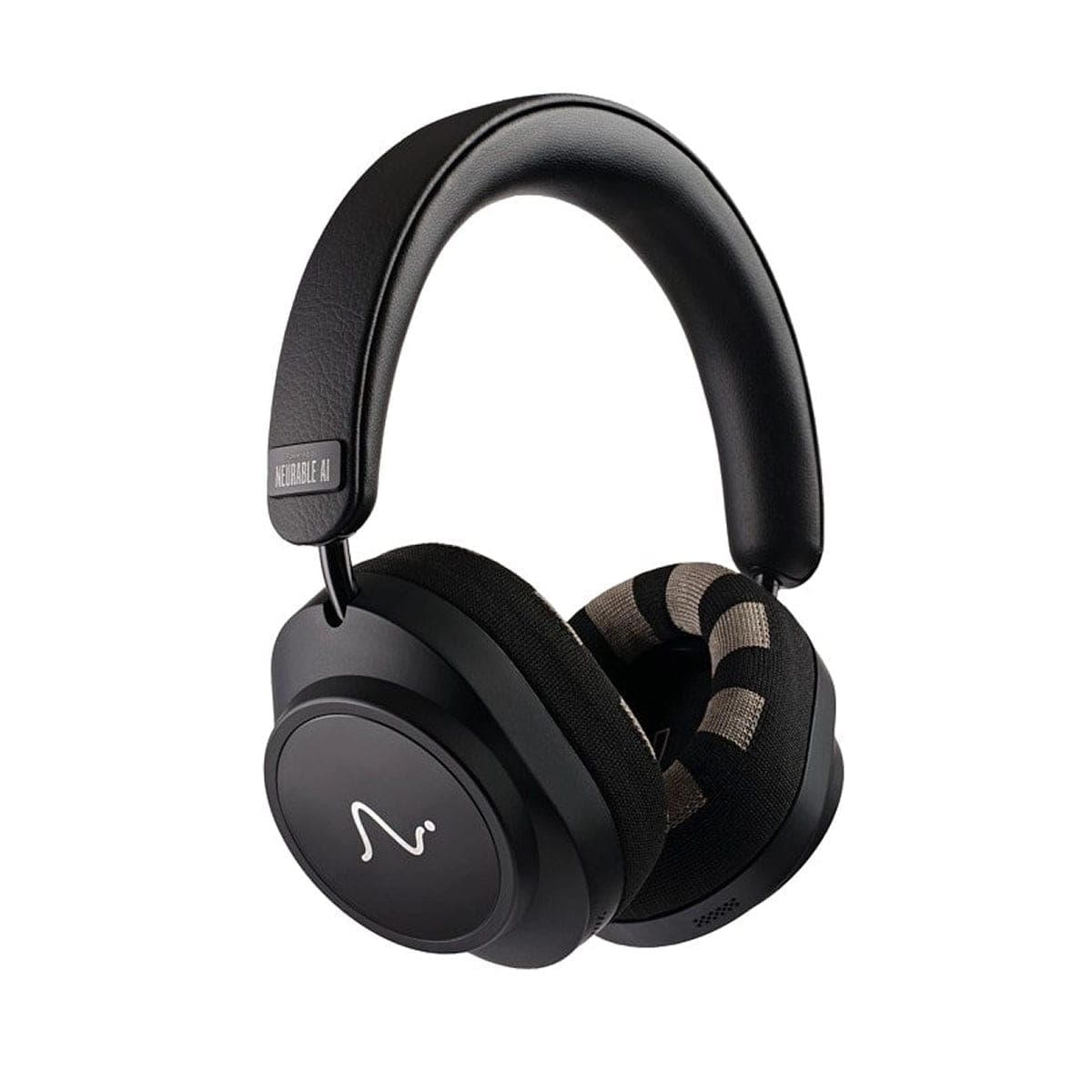
These $499 headphones read your brainwaves and tell you when you've stopped paying attention
Neurable started shipping its first standalone headphones, Neurable One, which use 12 EEG sensors woven into the ear pads to track your focus in real time and nudge you to take a break before you burn out.

Rockstar workers vote against a formal union deal as GTA VI launches
About three in four voting Rockstar Games staff in the UK turned down a recognition deal with the IWGB union. The union says it will keep organizing.

Nvidia reportedly pauses AI server shipments to four Southeast Asian countries
Nvidia has reportedly told Dell and Supermicro to hold server orders for Malaysia, Singapore, Thailand and Indonesia while the new US licensing rule sinks in.
More in brief
- China Post is testing 45 Robotera humanoid robots at a Hangzhou parcel hubNov 27
- Volvo starts training AEON humanoid robots at its Ghent car plantNov 27
- OpenAI fixed a billing bug, so GPT-6.2 Astra limits arrive 40% fasterNov 27
- Nadella says AI-native firms add the next human when the first runs out of tokensNov 27
- Microsoft says state-backed hackers run ARTEX AI agents at machine speedNov 26
- S&P puts NVIDIA's AA credit rating on watch for a downgradeNov 26