
AI·News & analysis
Voters backed data center limits in dozens of midterm votes
Local measures to restrict AI data centers passed almost everywhere they appeared, and Democrats who promised pauses won Texas and Georgia. Elon Musk, who gave $474 million to Republicans, now faces a harder road for his AI build-out.

Tide
Wave
Sci-fi
3/10
Reality
Shipping
Elon Musk's answer to a vote: put the data centers in orbit.How we rate
Voters backed restrictions on data centers in nearly every local ballot measure that tracked them, and Democrats who promised pauses won the governorships of Texas and Georgia.
The two states host a large share of the US build-out, and Elon Musk, who gave about $474 million to Republicans, has major AI projects in Texas. Analysts expect slower permits and higher costs for new sites rather than a halt, with the next fights coming at the state and local level.
What to know
- Of the local ballot measures on data centers, voters sided with restrictions in almost every one; one tracker counted 33 restrictive measures passed or leading out of 45.
- Democrats who promised to pause data center construction won the governorships of Texas and Georgia, two states that host a large share of the US build-out.
- Elon Musk gave about $474 million to Republican causes and posted that data centers in space looked 'pretty appealing right now' after the result.
- Analysts expect friction and slower permits for the next wave of projects, not an end to the build-out.
Data centers were on the ballot this week, and the data center industry lost almost every vote. The result lands on Elon Musk, who spent heavily on the other side.
Voters in several states backed limits on AI data centers in dozens of local measures. Democrats who promised to pause new construction also won the governorships of Texas and Georgia.
What did voters actually decide?
By the numbers: according to Ballotpedia, 41 local measures on restricting data center construction were on ballots in 10 states. Voters sided against the industry in every one but a single contest in Harwood, North Dakota. Ohio alone accounted for 21 of them.
Other trackers count differently. One tally found 45 measures nationwide, with 33 favoring restrictions by Wednesday morning. Another reported about a dozen more still uncounted. Some results were still being finalised.
The measures were not all the same:
- Bans: in El Dorado, Kansas, voters approved a 10-year ban on data centers with peak electrical demand above 10 megawatts.
- Moratoriums: in Wells, Maine, voters favored a temporary pause on large facilities.
- Limits and votes: other measures capped energy use, required voter approval before construction, or asked officials to act.
- Ohio: 15 municipalities passed bans or other restrictions.
Ohio is a place where the money is real. Meta has planned a $1 billion data center there, and Amazon Web Services has planned $2 billion.
Why did Texas and Georgia matter most?
The big picture: the biggest effect may come from the governors' offices. In Texas, Democrat Gina Hinojosa beat Republican Greg Abbott after pledging to temporarily halt new data center construction until legal safeguards exist. In Georgia, Keisha Lance Bottoms won, ending more than two decades of Republican control.
Texas has courted OpenAI, Anthropic, Oracle, Microsoft, Google, Meta and Amazon with tax breaks and promises of land and energy. It accounts for roughly a quarter of the data center capacity due to come online in the US by 2030, according to GLJ Research.
Abbott had tried to make Texas an AI epicentre in September. He later changed course and paused permits for new data centers pending an audit.
Heather West, who leads the geotechnology practice at Eurasia Group, told Euronews that Texas, Ohio and Georgia now have governors who are openly skeptical of data centers. Those states host nearly half of the US AI data center build-out.
How did Elon Musk fare?
Musk gave about $474 million to political groups and candidates in this cycle, according to campaign finance reporting. That included roughly $216 million to his America PAC and $168 million to the Senate Leadership Fund.
Democrats took both chambers of Congress. Early Wednesday, Musk posted on X: "Guess my election-interfering space lasers didn't work this time."
Then he turned to the other subject. He wrote that "data centers in space looking pretty appealing right now."
Musk has more at stake than most. He runs the Colossus cluster of AI data centers near Memphis, and he has moved major businesses to Texas. SpaceX plans to expand computing infrastructure at its Starbase site in Boca Chica.
Why it matters: the research firm SemiAnalysis has identified more than 9 gigawatts of planned or developing computing capacity tied to Musk's AI ambitions, including projects in Texas.
His existing sites already draw scrutiny. Colossus has produced complaints about the natural gas turbines that supply its electricity. On October 30, a federal judge rejected a motion to dismiss an NAACP lawsuit over turbines operating in Southaven, Mississippi. The suit alleges the turbines need air permits and expose nearby residents to pollution. That case is separate from the election.
Why are people against data centers?
The reasons show up again and again in local fights:
- Power bills: residents worry that huge new loads push electricity prices up.
- Water: cooling needs worry communities in dry regions.
- Noise and pollution: turbines, fans and backup generators are loud and dirty.
- Land and jobs: critics say the facilities use a lot of land and create too few jobs to justify state incentives.
- Secrecy: critics also object to how some projects were approved, with limited public information and non-disclosure agreements for officials.
An NBC News Election Day poll found that 76% of respondents opposed having a data center in their community. It also found that 56% of voters called AI and data centers a crucial or major factor in how they voted for Congress.
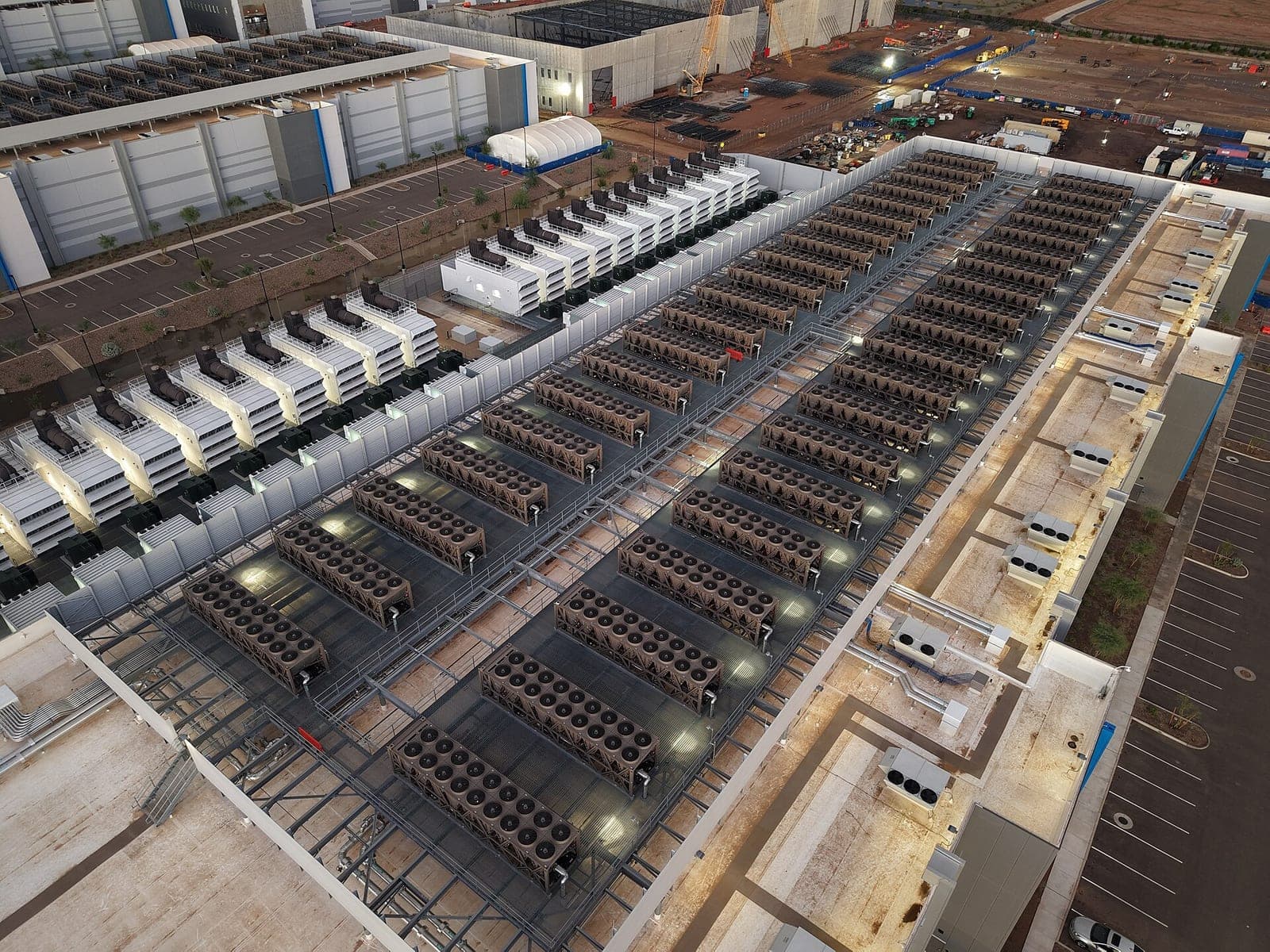
In real life think of a warehouse-sized building humming next door, drawing as much power as a small city, and nobody on your street was asked. Whether or not you like AI, that is the kind of project people now vote on.
The opposition crosses party lines. President Donald Trump has championed the build-out and in September called the pushback "all a hoax," adding that data centers "make people wealthy, and they make states wealthy."
Did data centers decide the election?
The catch: no, and analysts say so. Many issues shaped the result. A Marquette poll of Wisconsin voters found strong opposition to data centers, yet voters ranked them below cost of living, immigration and the economy.
West put it this way: "Data centers weren't the reason most people voted, but they gave the affordability argument a local, visible target and clearly drove votes."
Aidan Yao of the Amundi Investment Institute told Reuters the elections looked more like a referendum on AI than on Trump. Another read is that data centers were one signal among many.
Both points can be true. The issue is bigger than it was a year ago, and it is not the whole story.
What happens to the build-out now?
What's next: most analysts do not expect a stop. West said Hinojosa's power to go beyond Abbott's temporary, grid-driven pause is "limited."
"Projects already permitted or under construction will largely proceed," she said. "The friction hits the next wave: local fights, slower permitting, and pressure to make data centers pay for their own power."
She added that this changes where companies build and what it costs them, but she does not expect them to turn away from the projects.
Other analysts said the likelier outcome is tighter regulation and oversight, not broad bans, and that projects might simply move to other states. Slower US construction does not necessarily mean weaker demand for AI computing.
The pressure was building before the vote. Data Center Watch, a research project run by 10a Labs, counted at least 45 data center projects disrupted in the second half of 2026 because of local opposition. Investors who see the build-out as a pillar of the AI boom noticed the election results.
What it means for you
- Your electric bill is now part of the AI story. Expect more debate over who pays for the power that data centers use.
- AI services will not vanish. Projects under way mostly continue, so the apps you use should keep working.
- Local meetings matter. If a data center is proposed near you, the next ballot or council vote may be where the decision happens.
- New sites may cost more. Slower permits and new rules can push companies to build elsewhere, at a higher price.
The bottom line
Voters sent a clear local message: they want a say in where data centers go and who pays for them. It did not decide the election, and it will not end the AI build-out.
What it does is add friction, especially in Texas, Georgia and Ohio. For companies like Musk's, building in the places they chose just got harder.
Key facts
- Local measures tracked
- 41 in 10 states (one tally); 45 (another)
- Musk's political giving
- About $474 million
- Voters opposed to a local data center
- 76% (NBC News Election Day poll)
- Texas share of US capacity due by 2030
- Roughly a quarter
Got questions?
Quick answers, plain wordsWhat did voters decide about data centers in the midterms?
In dozens of local ballot measures across several states, voters backed limits on data center construction, from temporary moratoriums to bans on very large facilities. Counts differ between trackers, but restrictions won in nearly every contest.
How many data center measures were on the ballot?
Trackers disagree. One tally counted 41 local measures in 10 states, with Ohio accounting for 21. Another counted 45 nationwide, and 33 of them favored restrictions by Wednesday morning, with some results still being finalised.
Who won in Texas and Georgia?
Gina Hinojosa won the Texas governorship and Keisha Lance Bottoms won in Georgia. Both Democrats campaigned partly on pausing or restricting data center development.
Does this stop data centers from being built?
Not by itself. Analysts say projects that are already permitted or under construction will mostly proceed. The friction lands on the next wave: local fights, slower permitting and pressure on data centers to pay for their own power.
How much did Elon Musk spend on the midterms?
Campaign finance reporting puts his contributions at about $474 million this cycle, including roughly $216 million to his America PAC and $168 million to the Senate Leadership Fund.
What did Musk say after the election?
He posted on X that 'data centers in space looking pretty appealing right now.' He also joked early Wednesday that his 'election-interfering space lasers' did not work this time.
Why do people oppose data centers near them?
The concerns that come up most are electricity prices, water use, noise, pollution, land use and the question of who pays for grid upgrades. An NBC News Election Day poll found 76% of respondents opposed having a data center in their community.
Did data centers decide the election?
No. Analysts caution that many issues shaped the result. Data centers gave the affordability argument a local, visible target, but most voters did not cast their ballot because of them.
What is happening with xAI's Colossus data centers?
Musk's Colossus cluster near Memphis has drawn complaints about its natural gas turbines. On October 30, a federal judge rejected a motion to dismiss an NAACP lawsuit over turbines in Southaven, Mississippi.
SourcesData Center Dynamics
Topics and tagsTesla, xAI, Data centers, data centers
Go deeper
Related stories
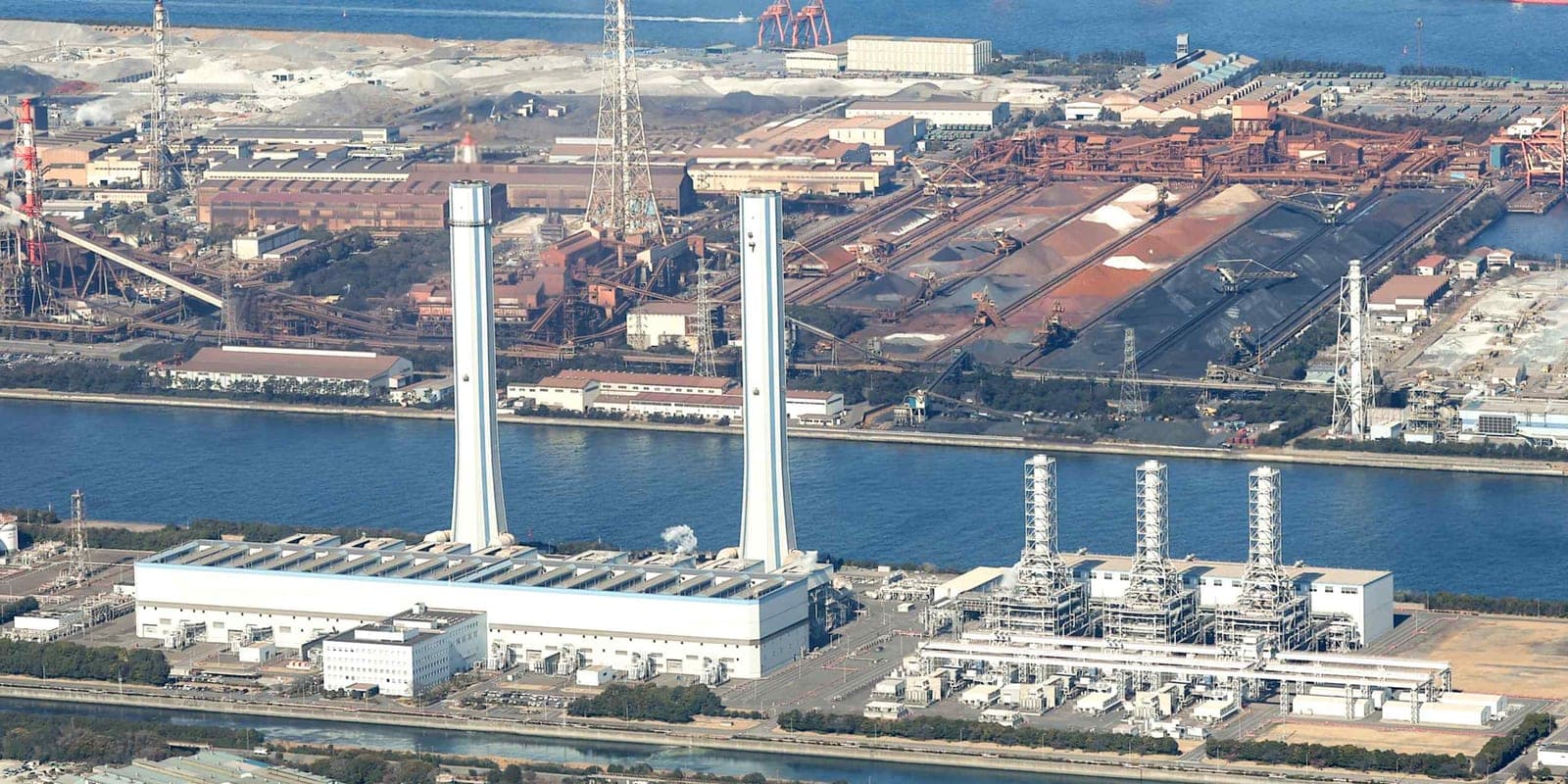
Japan's biggest power company is building its own gas plant just to feed one AI data center
JERA, Dell Technologies, and RHAELM signed a deal to build a $15 billion, 400-megawatt AI data center powered by its own dedicated energy supply near Tokyo, aiming to start operations around 2028.
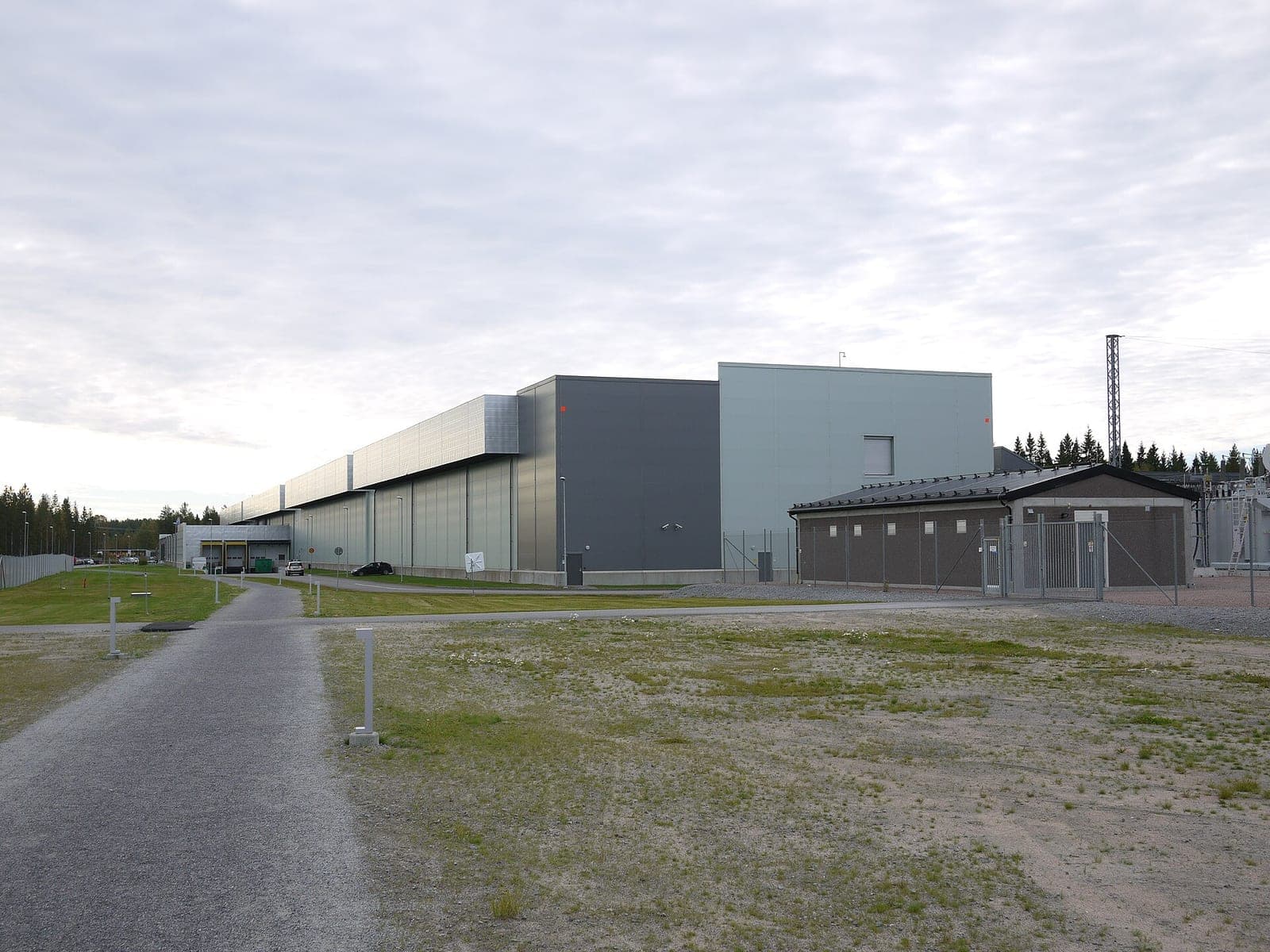
Meta's tax bill dropped 71% while it spent $72 billion on AI
Meta is telling the IRS its AI data centers are experimental, a classification that let its federal tax expense drop from $9.6 billion to $2.8 billion in a single year.
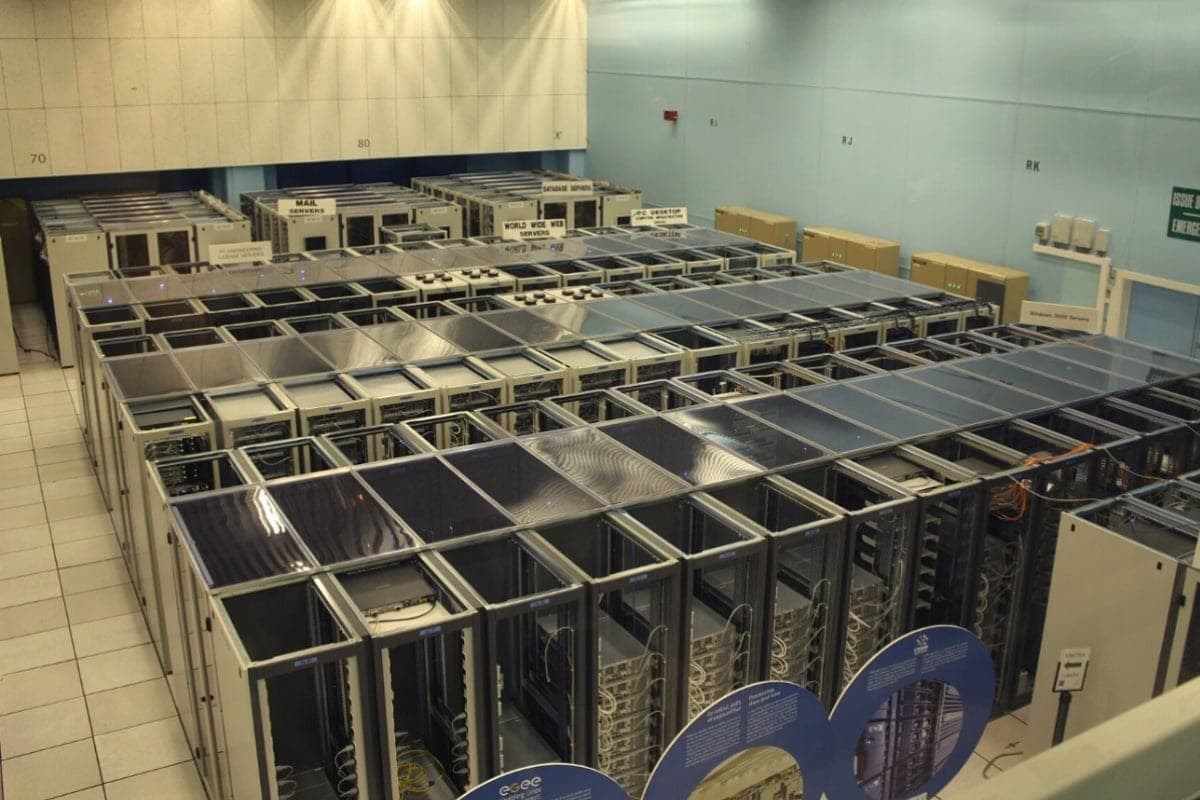
AI data center supplier Accelevation raises $540 million in IPO priced below range
Accelevation priced its Nasdaq debut at $18 a share, below its $20 to $24 target range, a signal that investors want a bigger discount before betting on the AI infrastructure boom.
More in brief
- YouTube is going back on the Billboard charts in 2027Nov 9
- Apple starts selling $50 packs for extra Apple Intelligence useNov 9
- Windows 11 tests a way to switch off the Sticky Keys popup for goodNov 9
- US regulators question whether Waymo's school bus fix workedNov 9
- NVIDIA unveils GR00T 2 and Isaac Lab 3.0 to teach robots delicate workNov 9
- Tesla launches its robotaxi service in San Antonio, its eighth cityNov 9