
AI·News & analysis
Japan's biggest power company is building its own gas plant just to feed one AI data center
JERA, Dell Technologies, and RHAELM signed a deal to build a $15 billion, 400-megawatt AI data center powered by its own dedicated energy supply near Tokyo, aiming to start operations around 2028.
Tide
Ripple
Sci-fi
5/10
Reality
Demo
A data center that comes with its own power plant attached.How we rate
JERA, Dell, and RHAELM are building a $15 billion AI data center in Japan that comes with its own dedicated 400-megawatt power supply, rather than relying on the shared electrical grid.
It matters because it shows how AI's enormous appetite for electricity is reshaping who builds data centers and how, with a power company now building the computing facility itself instead of just supplying electricity to someone else's. The project is targeted to be Japan's largest single-site AI infrastructure deployment.
What to know
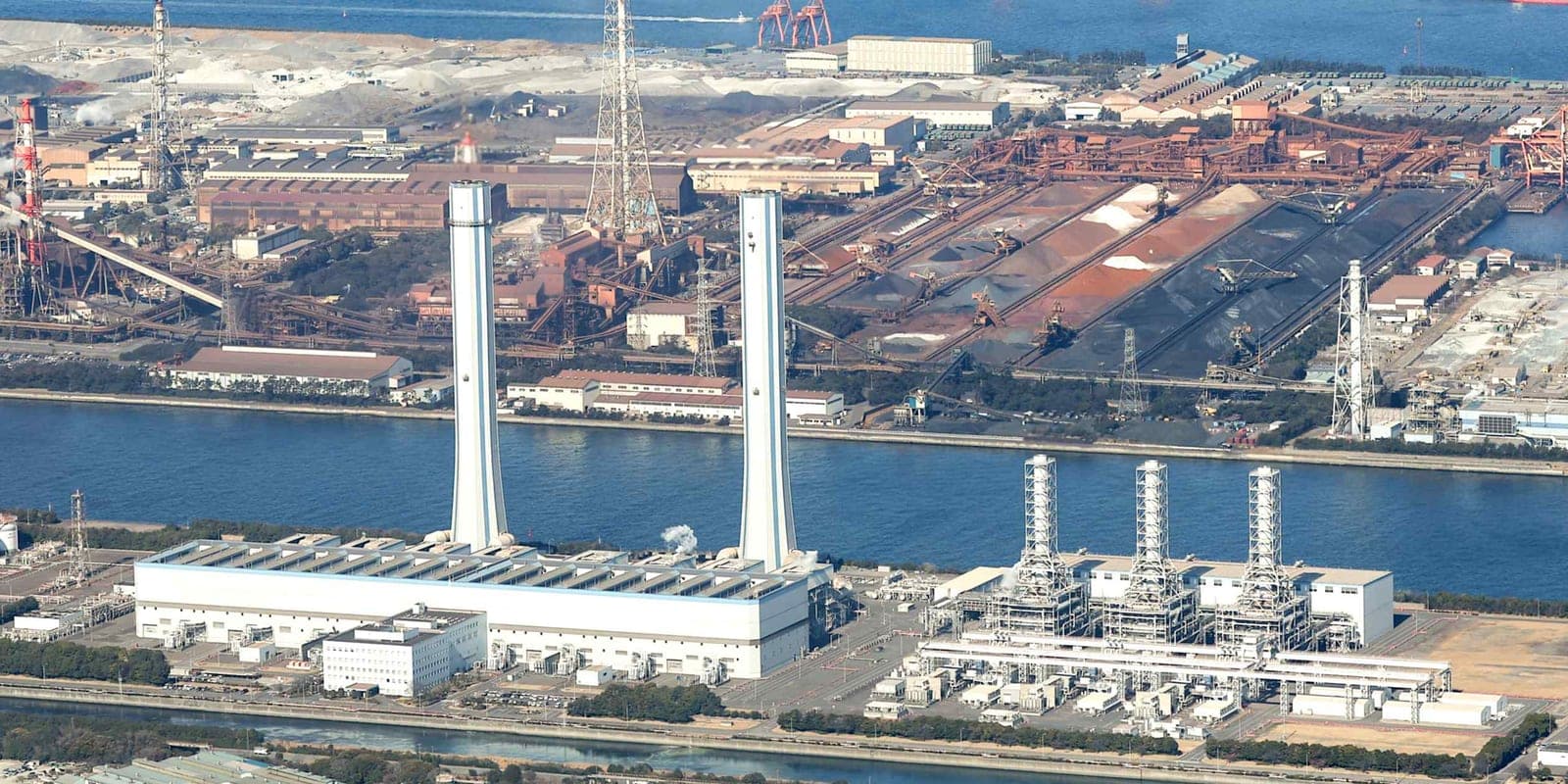
- JERA, Dell Technologies, and RHAELM signed a memorandum of understanding to build a $15 billion AI data center at JERA's Chiba Thermal Power Station near Tokyo.
- The project will draw up to 400 megawatts of dedicated power capacity under a 15- to 25-year agreement, operating behind the meter rather than pulling from Japan's shared power grid.
- Operations are targeted to begin in phases around 2028, with full 400MW capacity reached by 2029.
- JERA supplies power generation and LNG infrastructure, Dell provides standardized rack-scale AI computing hardware, and RHAELM leads project execution and site integration.
- Apollo Global Management is serving as the strategic investment and financing partner, and the project is expected to be Japan's largest single-site AI infrastructure deployment.
Japan's largest power producer just decided the fastest way to meet AI's hunger for electricity is to stop waiting for someone to ask for it and build the data center itself.
What exactly did these three companies agree to?
JERA, Dell Technologies, and UK-based RHAELM signed a memorandum of understanding to build a $15 billion AI data center at JERA's Chiba Thermal Power Station near Tokyo. The project will draw up to 400 megawatts of dedicated power capacity, with operations targeted to begin in phases around 2028 and reach full capacity by 2029.
Why it matters: at $15 billion and 400 megawatts, this would be Japan's largest single-site AI infrastructure deployment, and among the largest anywhere in Asia. A deal this size signals serious confidence that AI computing demand in the region will keep growing for years.
Why build a dedicated power plant instead of just connecting to the grid?
Background: the project is structured as "behind-the-meter," meaning the data center draws power directly from JERA's own generation capacity rather than pulling from Japan's shared electrical grid.
In real life it's like building your own well instead of waiting in line at the municipal water department, you get water (or in this case, electricity) exactly when you need it, without depending on anyone else's queue.
Why it matters: getting a new facility connected to a national power grid can take years of approvals and infrastructure upgrades. RHAELM CEO Bradd Lewis said the behind-the-meter approach can "deliver a 400MW facility years ahead of a conventional grid-connected timeline," which is likely the entire point of designing it this way.
What does each company actually bring to this deal?
JERA supplies large-scale, round-the-clock power generation along with its existing LNG supply chain, covering procurement, shipping, and regasification. Dell Technologies provides standardized, rack-scale AI computing hardware through its Dell AI Factory platform. RHAELM leads overall project execution, tying the power and computing pieces together into a single deployment.
Why it matters: none of these three companies could easily pull this off alone. JERA knows power, Dell knows AI hardware, and RHAELM specializes in stitching large infrastructure projects together, a division of labor that mirrors how complicated building serious AI infrastructure has become.
Who's actually paying for this?
Apollo Global Management is serving as the strategic investment and financing partner for the project.
Why it matters: a private equity giant backing the financing signals this isn't being treated as a speculative bet so much as a structured, long-term infrastructure investment, the kind of financing usually reserved for projects investors expect to generate predictable returns for decades.
Why would a power company want to build data centers itself?
JERA CEO Yukio Kani framed the move directly: "We can help AI infrastructure come online faster with access to the large-scale, reliable energy it needs."
Why it matters: AI data centers have become some of the largest new sources of electricity demand anywhere in the world. Rather than simply selling power to whoever builds a data center nearby, a utility like JERA capturing that demand by building the facility itself is a meaningful shift in how the AI boom's infrastructure is getting financed and built.
Is this part of a bigger global pattern?
Background: this deal follows a wave of massive AI infrastructure investments worldwide, where energy companies and tech firms are increasingly pairing up to solve computing capacity and power supply together, rather than treating them as two separate problems handled by two separate industries.
Why it matters: that pairing reflects a hard lesson the AI industry has learned over the past couple of years: having enough chips means little if there isn't enough electricity to run them. Deals like this one are as much about solving an energy problem as a computing one.
Who is JERA, exactly?
Background: JERA was formed in 2015 as a 50-50 joint venture between Tokyo Electric Power Company (TEPCO) and Chubu Electric Power, two of Japan's biggest utilities. Over the following years, it gradually absorbed its parent companies' thermal power stations, fuel trading, and overseas power businesses, eventually taking over roughly 67 gigawatts of generation capacity.
Why it matters: that history matters because JERA isn't a startup experimenting with data centers as a side project. It's the product of a deliberate consolidation of Japan's thermal power industry, built specifically to operate at national scale, which is exactly the kind of infrastructure backbone a $15 billion, multi-decade AI project needs behind it.
How does this fit into the global AI infrastructure buildout?
By the numbers: data center investment tied to AI has been accelerating sharply worldwide, with hyperscalers and energy companies alike committing tens of billions of dollars to new computing capacity over the past two years. Power availability, not chip supply, has increasingly become the limiting factor on how fast that capacity can come online.
Why it matters: that shift in bottleneck explains why a utility is now a lead partner on a flagship AI infrastructure project rather than simply a vendor supplying electricity after the fact. When power becomes the scarce resource, the companies that control power generation gain real leverage in deciding what gets built and how fast.
What exactly is Dell's "AI Factory" platform supplying here?
Background: Dell AI Factory bundles standardized computing hardware, which is PowerEdge servers equipped with AI accelerator chips from Nvidia and AMD, along with high-performance storage and networking, into a single, repeatable package. Dell says more than 5,000 customers are already deploying it.
Why it matters: "standardized" is the key word. Rather than custom-engineering computing infrastructure for each new site, Dell is betting that a repeatable, pre-packaged setup lets a project like this one get built faster, since the computing side doesn't need to be reinvented for every new facility JERA and RHAELM develop together.
What it means for you
- If you use AI tools, infrastructure deals like this are part of what keeps up with growing demand, even though you'll never interact with the Chiba facility directly.
- Watch for more "behind-the-meter" data center deals globally, as developers increasingly bypass slow grid connection processes by building dedicated power supply alongside the computing facility itself.
- Power companies entering the data center business directly is a trend worth tracking, since it changes who controls AI infrastructure, not just who sells electricity to it.
- This signals continued, serious long-term investment in AI computing capacity in Asia, not a short-term bet, given the scale of financing and the multi-decade power agreement involved.
The bottom line
JERA, Dell, and RHAELM aren't just building a single data center, they're building the dedicated power plant to feed it at the very same time, a clear sign of how seriously the industry now treats electricity supply as inseparable from AI computing capacity.
At $15 billion and a multi-decade power agreement, this is a long bet that AI demand in Japan and across Asia keeps climbing well past 2028, not a short-term reaction to today's headlines about chip shortages and compute scarcity.
RHAELM's own pitch, delivering a facility years ahead of a conventional grid-connected timeline, is a reminder of just how much of the global AI race right now genuinely comes down to logistics, permitting, and power contracts, not only chips and code.
Key facts
- Investment
- $15B+ (2.3 trillion yen)
- Power capacity
- Up to 400 MW
- Power agreement length
- 15-25 years
- Target operations
- Begins ~2028, full by 2029
- Location
- Chiba, near Tokyo
Got questions?
Quick answers, plain wordsWhat exactly are JERA, Dell, and RHAELM building?
A $15 billion AI data center at JERA's Chiba Thermal Power Station near Tokyo, with up to 400 megawatts of dedicated power capacity. It's designed to be Japan's largest single-site AI infrastructure deployment and among the largest in Asia.
Why does the data center need its own power plant?
The project is designed as a 'behind-the-meter' deployment, meaning it draws power directly from JERA's own generation capacity rather than Japan's shared electrical grid. This lets the data center get built and powered much faster than waiting for new grid connections and approvals.
What does each company actually contribute to the project?
JERA provides large-scale, reliable power generation and its existing LNG supply chain, including procurement, shipping, and regasification. Dell Technologies supplies standardized, rack-scale AI computing infrastructure through its Dell AI Factory platform. RHAELM leads overall project execution, integrating the power and computing pieces into one deployment.
When will this data center actually start operating?
Operations are targeted to begin in phases around 2028, with the facility reaching its full 400 megawatt capacity by 2029.
Who is financing this $15 billion project?
Apollo Global Management is serving as the strategic investment and financing partner for the project, alongside the operational roles played by JERA, Dell, and RHAELM.
Is this project connected to Japan's broader power grid at all?
The deployment is structured as 'behind-the-meter,' meaning it operates on dedicated power supply from JERA's own generation rather than drawing from Japan's shared grid, which is part of what allows it to move faster than a conventional grid-connected project.
Why is a power company building AI data centers instead of just selling electricity?
JERA CEO Yukio Kani framed it as helping AI infrastructure come online faster by pairing it directly with large-scale, reliable energy. As AI data centers become some of the biggest new sources of electricity demand globally, power companies increasingly see building the facilities themselves as a way to capture that demand directly.
How does this compare to other AI data center announcements happening globally?
This follows a broader pattern of massive AI infrastructure investments worldwide, where tech companies and energy providers are pairing up to solve the twin challenges of computing capacity and power supply together, rather than treating them as separate problems to solve later.
SourcesJERA
Topics and tagsData centers, ai, data centers, dell
Related stories
Meta's tax bill dropped 71% while it spent $72 billion on AI
Meta is telling the IRS its AI data centers are experimental, a classification that let its federal tax expense drop from $9.6 billion to $2.8 billion in a single year.
AI data center supplier Accelevation raises $540 million in IPO priced below range
Accelevation priced its Nasdaq debut at $18 a share, below its $20 to $24 target range, a signal that investors want a bigger discount before betting on the AI infrastructure boom.
A startup wants satellites to think for themselves instead of waiting for instructions from Earth
Satlyt, founded by a former Google and SpaceX product manager, raised $8 million to build software that lets AI models run directly on satellites, cutting the need to send every decision back down to ground control.
More in brief
- California will fine robotaxi companies that block first responders for over 30 minutesOct 2
- Microsoft launches real-time transcription and new voice models for AI voice agentsOct 1
- Apple's smart home hub reportedly launches October 13, with a camera that never records videoOct 1
- Cloudflare releases Clef, open-weight AI models that make yes-or-no decisions fastOct 1
- GrayKey maker reportedly found a way around the iPhone's Inactivity RebootOct 1
- Fervo's Cape Station becomes the first enhanced geothermal plant to sell power commerciallyOct 1