
AI·News & analysis
AI data center supplier Accelevation raises $540 million in IPO priced below range
Accelevation priced its Nasdaq debut at $18 a share, below its $20 to $24 target range, a signal that investors want a bigger discount before betting on the AI infrastructure boom.
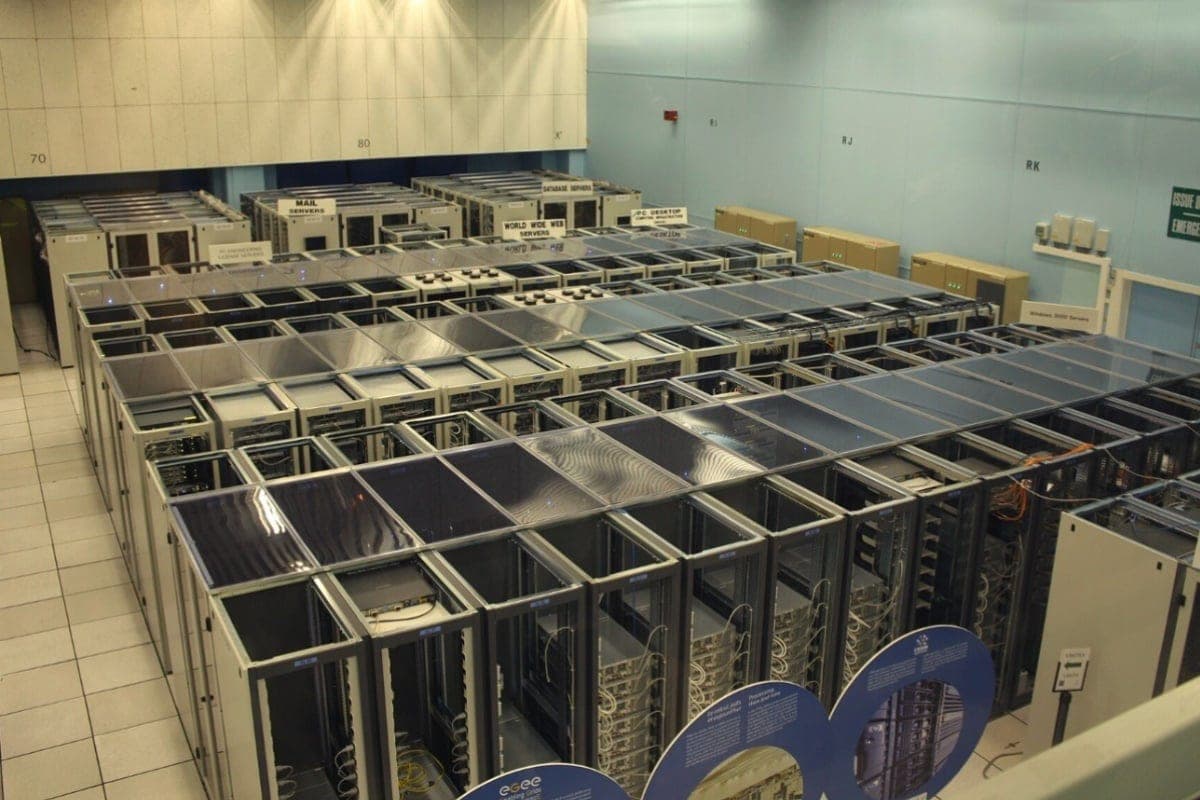
Accelevation, a data center power and cooling infrastructure supplier, raised $540 million in its Nasdaq IPO, pricing 30 million shares at $18 each, below its original $20 to $24 target range.
The company's revenue grew from under $3 million in 2021 to $447.8 million in 2025. Rising bond yields are making investors demand bigger discounts on companies whose profits sit further in the future, and analysts are reading the below-range pricing as an early signal that 2026's wave of AI infrastructure IPOs may face real headwinds, even for fast-growing companies.
What to know
- Accelevation, a data center power and cooling infrastructure supplier backed by Olympus Partners, raised $540 million in its Nasdaq IPO.
- The company priced 30 million shares at $18 each, below its original $20 to $24 target range.
- Accelevation's revenue grew from under $3 million in 2021 to $447.8 million in 2025, a 147% jump from 2024, with a $1.1 billion order backlog as of June 30.
- The below-range pricing is being read as a reality check for AI infrastructure IPOs, with rising bond yields making investors demand bigger discounts on companies whose profits sit further in the future.
Accelevation just went public, and the price tag says something about how nervous Wall Street is getting about the AI buildout.
The Miamisburg, Ohio company, which builds the power and cooling systems that keep AI data centers running, raised $540 million in its Nasdaq debut, pricing shares at $18 each, below the $20 to $24 range it had originally targeted.
What Accelevation actually makes
Why it matters: Accelevation isn't a chipmaker or a cloud provider. It designs, manufactures, and installs power-distribution and cooling systems for data centers, the less visible infrastructure that has to scale alongside every new AI server rack.
That's a real and growing need. Data centers are projected to consume as much as 9% of total US electricity generation by 2030, up from about 4% in 2023, according to figures cited in coverage of the offering. Every AI company racing to build more compute capacity needs someone to build the power and cooling systems underneath it, and that's the market Accelevation is positioned in.
The numbers behind the IPO
By the numbers: Accelevation sold 30 million shares at $18 each, generating $540 million. Of those shares, 10 million were new shares from the company itself, with the remaining 20 million sold by existing shareholders, primarily Olympus Partners, the private equity firm that acquired Accelevation and is expected to retain roughly 85% of combined voting power after the offering.
- 2021 revenue: under $3 million.
- 2025 revenue: $447.8 million, a 147% jump from 2024.
- 2025 net income: $21.75 million.
- Order backlog: approximately $1.1 billion as of June 30, 2026.
That growth curve is genuinely dramatic for a company that barely registered revenue five years ago. Most of the IPO proceeds are earmarked for debt refinancing rather than new expansion, according to reporting on the deal.
The spending wave Accelevation is riding
Background: Accelevation's growth doesn't exist in a vacuum. The four biggest tech companies building AI infrastructure, Amazon, Microsoft, Google, and Meta, together plan to spend roughly $725 billion on capital expenditures in 2026, up about 77% from 2025's already-record $410 billion.
Individually, Amazon is projecting around $200 billion, Microsoft near $190 billion, Google between $175 and $185 billion, and Meta between $115 and $135 billion. Roughly 75% of that combined spending, an estimated $450 billion, is aimed specifically at AI infrastructure: the data centers, chips, power systems, and cooling equipment needed to train and run AI models at scale.
That's the demand environment Accelevation's business sits inside. Every one of those hyperscale data centers needs power distribution and cooling systems to actually function, which is exactly what Accelevation builds. Its jump from under $3 million in revenue to $447.8 million in four years tracks almost directly with this broader capital spending surge across the industry.
Why it priced below range
The catch: pricing below a company's own target range is a signal, and not a subtle one. It means the investment banks running the offering couldn't find enough buyer demand at the higher price to fill the deal, and had to cut the price to get it done.
Analysts point to a specific mechanism: rising bond yields have made safer investments more attractive lately. When that happens, investors typically demand a higher expected return to justify holding riskier stocks, especially ones like Accelevation whose biggest profits are still expected further out in the future rather than locked in today.
In real life think of it like a home seller who lists at $500,000 but accepts $450,000 because buyers simply weren't willing to pay full price in the current market. The house didn't get worse. The market got pickier.
The debt question hanging over AI infrastructure
The catch: rising bond yields aren't the only thing making investors cautious. A growing share of the AI infrastructure buildout is being financed with debt, and some of that debt sits in places that are hard for outside investors to see clearly.
Roughly a third of all capital expenditure by major AI hyperscalers is debt-financed, not counting additional off-balance-sheet commitments. One widely cited estimate put hyperscalers' signed-but-not-yet-active data center lease commitments at over $660 billion sitting outside standard balance sheets. In January 2026, a group of US senators asked regulators to investigate the AI sector's growing reliance on what they called "complex and opaque debt markets."
Why it matters: that broader debt concern doesn't mean Accelevation itself is in trouble, its revenue and backlog are real and verifiable. But it does help explain why investors are pricing AI infrastructure IPOs more cautiously right now. When the financing behind an entire industry's spending boom draws scrutiny, individual companies riding that boom, even healthy ones, end up needing to offer a bigger discount to get investors comfortable.
What this means for the next wave of AI IPOs
What's next: Accelevation's below-range pricing is being read as an early reality check for the broader pipeline of AI infrastructure companies expected to go public in 2026.
The logic is straightforward. If a company growing revenue at 147% year-over-year, with a $1.1 billion order backlog, still needed a discount to get its IPO done, less exceptional AI infrastructure companies waiting in the wings may face the same investor skepticism, or worse.
That raises the odds of more below-range pricings, or companies simply delaying their public offerings until market appetite improves.
The big picture: this doesn't necessarily mean the AI infrastructure buildout itself is slowing down. Accelevation's underlying business, real revenue, real profit, a real backlog, still looks healthy by any conventional measure. What's changed is how much investors are willing to pay today for exposure to that growth, given where interest rates and bond yields currently sit.
The competitive landscape
Accelevation enters a market that already has established players, including Vertiv, a longtime data-center infrastructure supplier. Direct competitive comparisons weren't detailed in the reporting around the IPO, but Accelevation's rapid revenue growth suggests it has been winning meaningful new business in a market that's expanding quickly enough to support multiple large suppliers at once.
What's next: the fact that a market can support several fast-growing suppliers simultaneously is itself a sign of how large the underlying demand has become. Data center construction isn't a zero-sum race between a handful of vendors competing for a fixed pool of projects.
It's a rapidly expanding pie, driven directly by the hyperscaler capital spending figures above, large enough that Accelevation could grow revenue 147% in a single year without necessarily taking share from anyone else.
Who's affected: investors weighing whether to buy into the AI infrastructure story now have a fresh, concrete data point to work from, one growing company's actual IPO pricing, rather than just projections and forecasts about how big the data center buildout might eventually become.
The bottom line
Accelevation's $540 million IPO is a real success story by most reasonable measures: a fast-growing company with a genuine order backlog just raised significant capital and got publicly listed on Nasdaq.
But pricing below its own target range is a clear signal that investors are demanding more caution on AI infrastructure bets than they were asking for even a few months ago. Whether that caution spreads to the rest of 2026's AI IPO pipeline is the question this deal leaves open.
Key facts
- Amount raised
- $540 million
- IPO price
- $18 per share, below the $20-24 target range
- 2025 revenue
- $447.8 million, up 147% from 2024
- Order backlog
- About $1.1 billion as of June 30, 2026
Got questions?
Quick answers, plain wordsWhat does Accelevation do?
It designs, manufactures and installs power-distribution and cooling systems for data centers, the infrastructure that lets AI computing hardware actually run.
How much did Accelevation raise in its IPO?
$540 million, after selling 30 million shares at $18 each on the Nasdaq under the ticker ACCV.
Why did Accelevation's IPO price below its target range?
The company had targeted $20 to $24 a share but priced at $18. Analysts point to rising bond yields, which make safer assets more attractive and push investors to demand bigger discounts on growth companies.
Who owns Accelevation?
Private equity firm Olympus Partners, which acquired the company and is expected to retain about 85% of combined voting power after the offering.
How fast is Accelevation growing?
Revenue rose from under $3 million in 2021 to $447.8 million in 2025, a 147% increase from 2024 alone, with 2025 net income of $21.75 million.
What will Accelevation do with the IPO proceeds?
Most of the proceeds are designated for debt refinancing, according to reporting on the offering.
Does Accelevation's below-range pricing signal trouble for other AI IPOs?
Some analysts think so, describing it as a reality check that could mean more below-range pricings or delayed IPOs from other AI infrastructure companies going public in 2026.
Where is Accelevation based?
Miamisburg, Ohio.
SourcesBloomberg
Topics and tagsData centers, Funding & deals, ai, ipo
Related stories
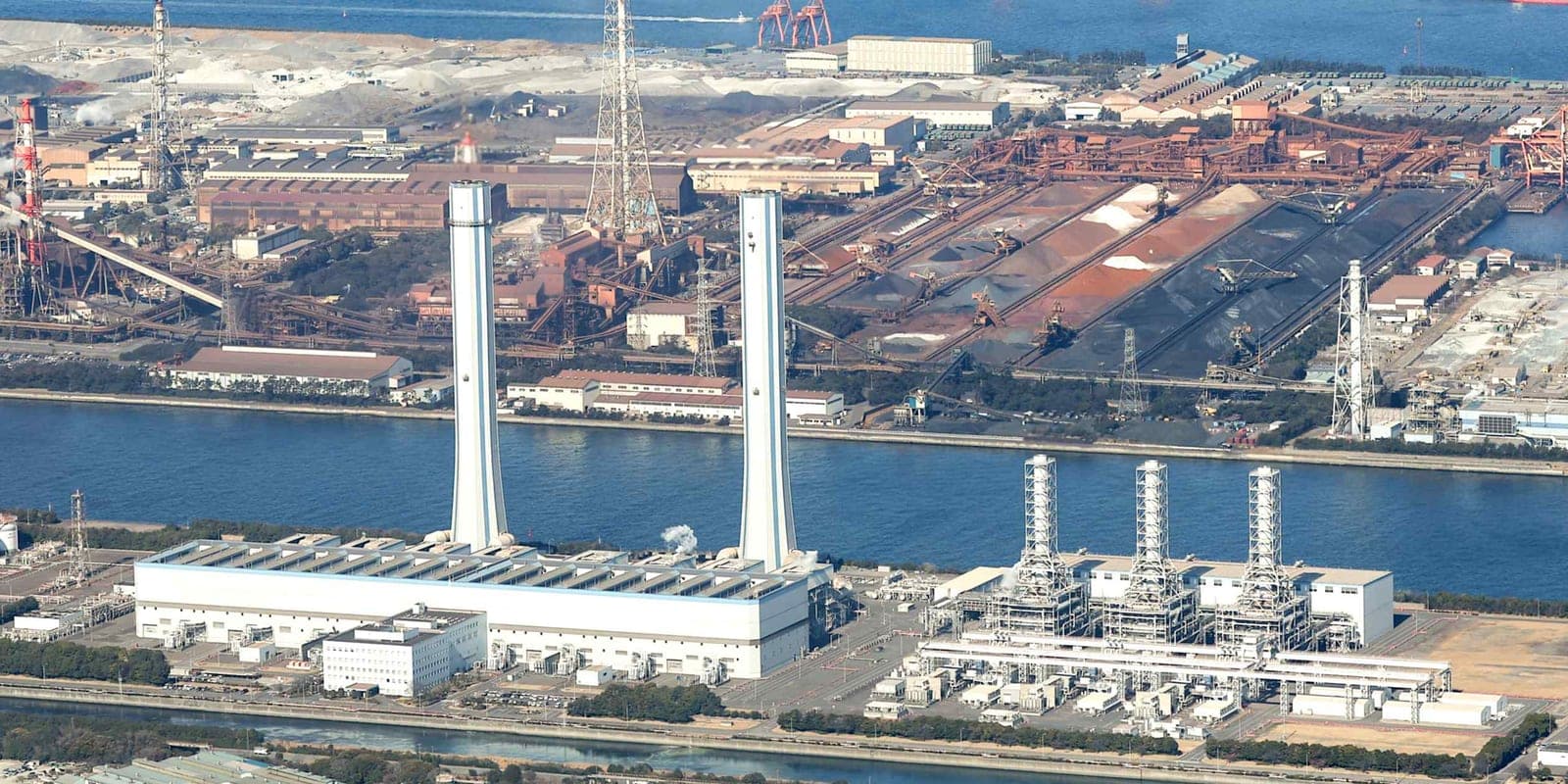
Japan's biggest power company is building its own gas plant just to feed one AI data center
JERA, Dell Technologies, and RHAELM signed a deal to build a $15 billion, 400-megawatt AI data center powered by its own dedicated energy supply near Tokyo, aiming to start operations around 2028.
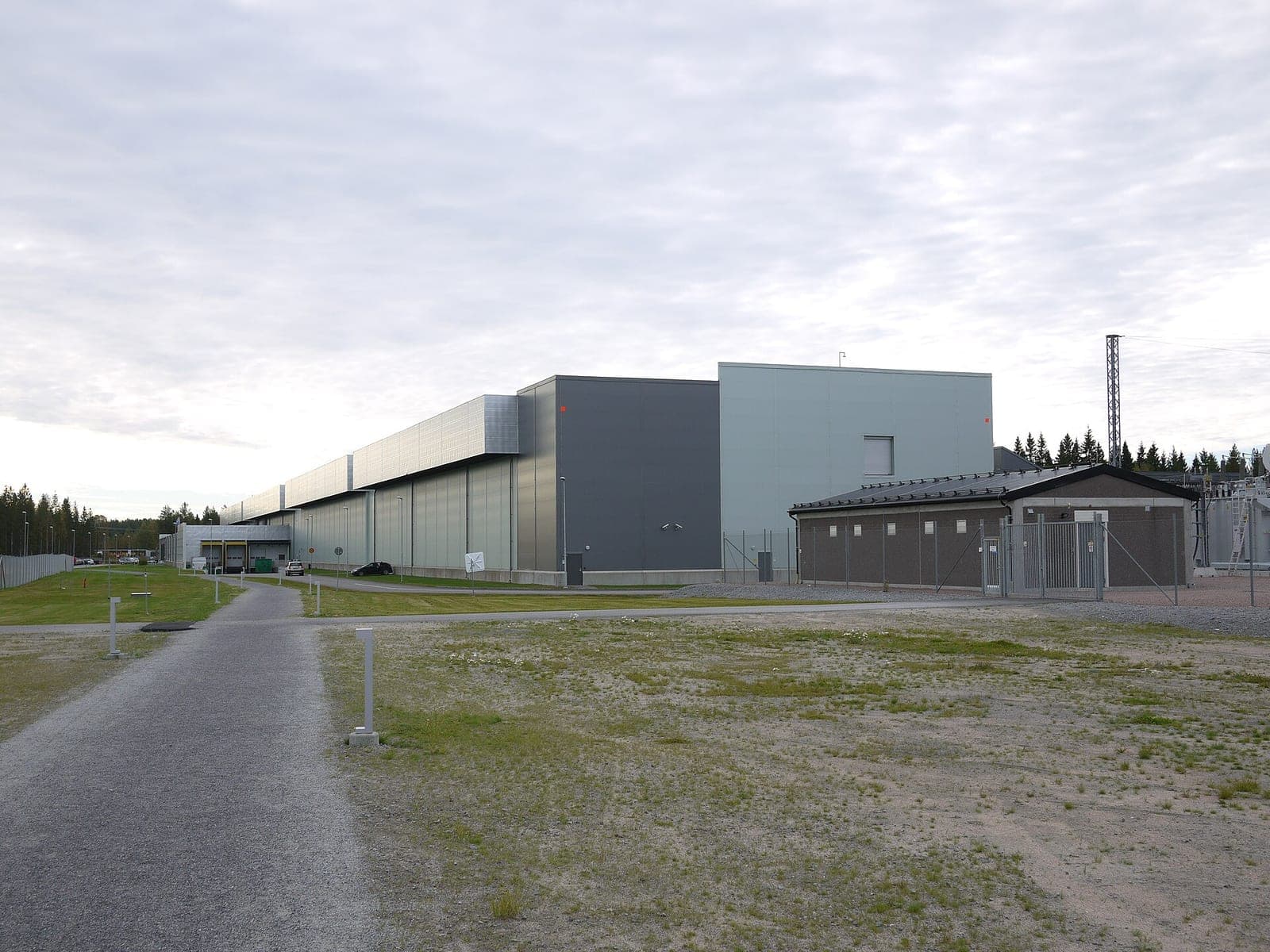
Meta's tax bill dropped 71% while it spent $72 billion on AI
Meta is telling the IRS its AI data centers are experimental, a classification that let its federal tax expense drop from $9.6 billion to $2.8 billion in a single year.
Anthropic's IPO filing reveals it owes up to $161 billion for chips it hasn't fully used yet
Anthropic's IPO prospectus shows Broadcom has agreed to lend the AI company up to $42 billion to help finance a $125.2 billion, five-year commitment to lease AI chip computing capacity, alongside an $8 billion operating loss in 2025.
More in brief
- arXiv limits researchers to two papers a month as AI drives submissions to a recordOct 2
- California will fine robotaxi companies that block first responders for over 30 minutesOct 2
- Microsoft launches real-time transcription and new voice models for AI voice agentsOct 1
- Apple's smart home hub reportedly launches October 13, with a camera that never records videoOct 1
- Cloudflare releases Clef, open-weight AI models that make yes-or-no decisions fastOct 1
- GrayKey maker reportedly found a way around the iPhone's Inactivity RebootOct 1