
Technology·News & analysis
Google opens pre-orders for Gemini glasses from Warby Parker and Gentle Monster
Google's first intelligent eyewear starts at $395 from Warby Parker and $449 from Gentle Monster, and arrives in stores and online on December 10.

Tide
Wave
Sci-fi
6/10
Reality
Shipping
A helpful voice that sees what you see.How we rate
Google opened pre-orders for its first Gemini-powered intelligent eyewear, made with Warby Parker, Gentle Monster and Samsung.
Frames start at $395 from Warby Parker and $449 from Gentle Monster, with a 12-megapixel camera and about nine hours of battery. They work with Android phones and iPhones. Sales in stores and online begin December 10, and Google published a privacy plan covering both wearers and the people around them.
What to know
- Pre-orders opened on November 12 for Google's intelligent eyewear, made with Warby Parker, Gentle Monster and Samsung. Stores and online sales start December 10.
- Warby Parker frames start at $395 and Gentle Monster frames at $449. Both work with Pixel, Samsung and iPhone phones.
- Each pair has a 12-megapixel camera, open-ear speakers, about 9 hours of battery and a case that recharges the frames up to 7 times.
- Google's privacy plan includes an outward light, face blurring for bystanders, no camera images saved in Gemini History and a physical off switch.
Google's first smart glasses are ready to order. On Thursday, Google announced that pre-orders are open for its intelligent eyewear, glasses with Gemini built in, designed with Warby Parker and Gentle Monster and engineered with Samsung. They go on sale on December 10.
The fun question is simple: do you want an AI assistant that can see what you see, sitting on your nose?
What are intelligent eyewear?
Think of them as normal-looking glasses with a tiny helper inside. They have a camera, microphones and speakers. You say "Hey Gemini" or tap the frame, and Gemini, Google's AI assistant, answers in your ear.
There is no display in the lenses. Google said in May that these first glasses run on Android XR, its platform for smart glasses and headsets. Glasses with a small screen are planned for later.
What do they cost, and who sells them?
Two brands, two price ranges. Both are starting prices, so the final cost depends on the frame and lenses you pick.
| Warby Parker | Gentle Monster | |
|---|---|---|
| Starting price | $395 | $449 |
| Styles | 3: Alden, Reid and Wren | 6 designs |
| Look | Classic, optical or sun | Bold, in dark red, pink, gray and yellow |
| Prescription | Wide range of options | Available for most frames |
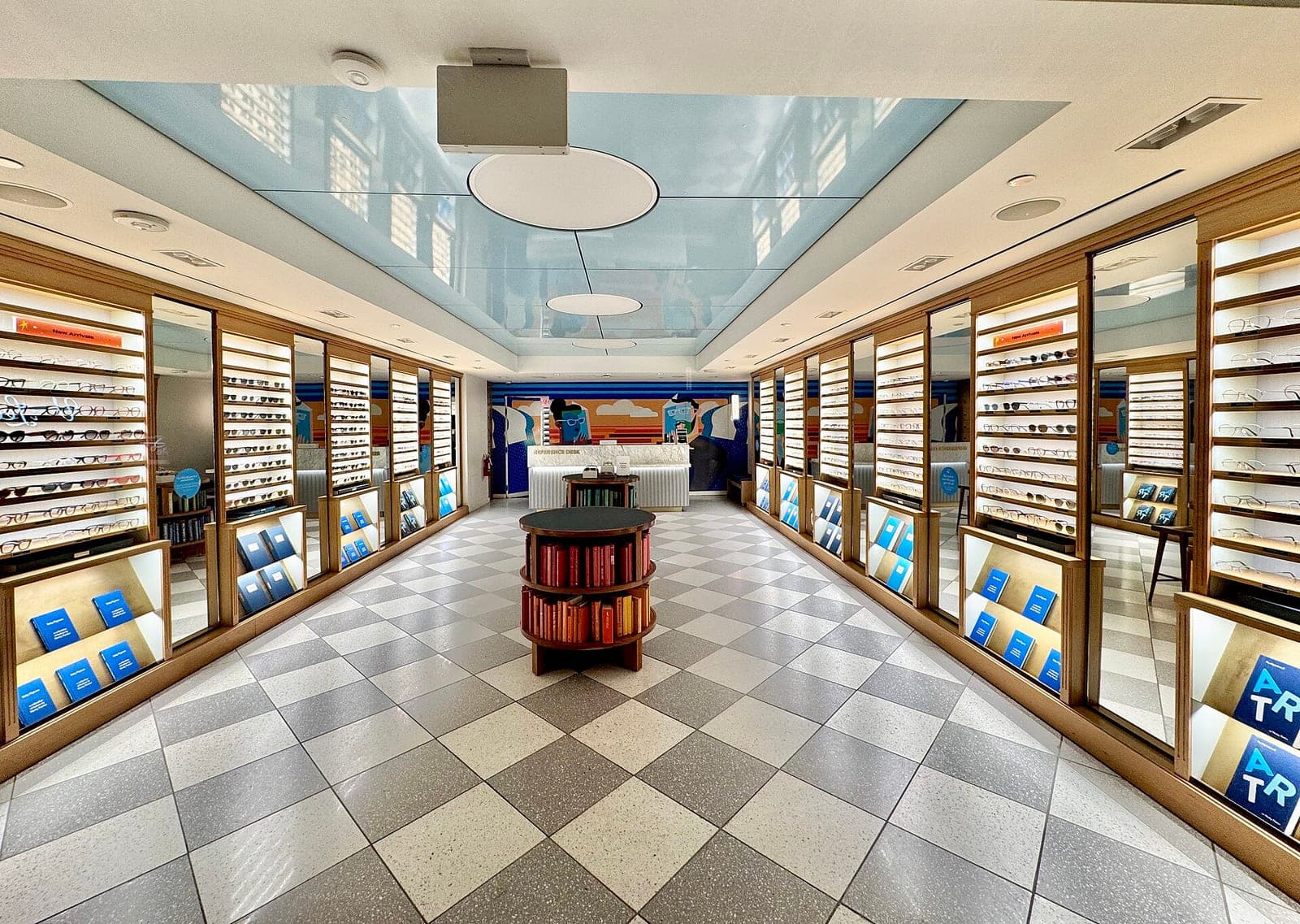
Where to buy: Pre-orders are live online and in stores at both brands. Warby Parker says more than 360 of its stores offer a guided demo, and some Gentle Monster and Google Store locations have demos too.
Gentle Monster's collection is listed for the United States and South Korea.
What can Gemini do on your face?
Google gives a list of everyday jobs. You look at something and ask about it, or you hand off a chore and keep walking.
- Ask about what you see: learn the story behind a street mural, or get a tailored pick from a "New Arrivals" bookshelf.
- Handle small tasks: add what you are looking at to your grocery list, check your calendar by looking at an event poster, or get a reminder of where your next meeting is.
- Get directions: Google Maps gives turn-by-turn directions in your ear.
- Translate speech: Google Translate handles real-time speech translation with automatic language detection across more than 70 languages.
- Stay in touch: catch up on group chats, reply to messages and take calls hands-free.
In real life You are carrying two bags of groceries and a stranger asks you something in Spanish. You say "Hey Gemini," and the translation comes through the speaker by your ear. Your phone stays in your pocket.
What about the camera and the sound?
Each pair has a 12-megapixel ultra-wide camera. You press a button or ask Gemini to take a photo or video. Google says it adds HDR processing (extra detail in bright and dark areas), image stabilization and spatial audio capture, which records sound so it feels like you are standing in the scene.
The speakers sit by your ear and are open, so you can still hear traffic and people. You can play YouTube Music, Spotify or Apple Music, and jump back into an Audible audiobook.
By the numbers: about 41 grams per frame, up to nine hours of battery, and a case that recharges the glasses up to seven times.
Is there help for people with low vision?
Yes, and this part is easy to miss. The glasses include Guided Vision, a Gemini feature that gives conversational audio descriptions. It is meant for people who are blind or have low vision, or anyone who wants help reading small print or finding everyday items.
Google also teamed up with Aira. A user can say "Hey Gemini, open Aira Explorer" and stream the camera feed to a trained human visual interpreter, who helps in real time.
Who made what?
Three companies share the work. Warby Parker and Gentle Monster designed the frames. Samsung engineered the hardware. Google supplies Gemini and the Android XR software, the platform it built for smart glasses and headsets.
That split is why you get two very different looks from one product. Warby Parker says its three styles are inspired by its best-loved shapes, and Gentle Monster calls glasses "a means of self-expression."
What did Google promise in May?
Google first showed the plan on May 19. It said its first intelligent eyewear would launch in the fall, and that Warby Parker and Gentle Monster would each have full collections. It also named a few jobs Gemini would do on the glasses:
- Edit photos: capture photos and videos, then edit them with Google's Nano Banana image editing model.
- Run multi-step tasks: one example was ordering coffee through DoorDash.
- Handle messages: manage calls, send texts and summarize messages.
The November 12 posts add the prices, the date and the privacy details.
How does Google handle privacy?
A camera on your face raises a fair worry: what about the people standing next to you? Google published a separate post on privacy the same day. Its team says it spoke with wearers, bystanders and privacy experts, and that bystanders worried about being filmed without knowing.
Here is what Google says it built in.
For the wearer:
- No saved images: camera visuals are not saved in your Gemini History.
- No training or ads: the visuals are used to give you answers, not to train AI models or target ads.
- Encryption: data on the glasses is encrypted, and so is data sent to your phone or the cloud.
- App permissions: an app must ask before it can use the camera for the first time, and you can take that access back at any time.
- A real off switch: every pair has a physical power switch.
For people nearby:
- An outward light: an LED turns on when you take a photo or video for your gallery.
- Tamper detection: if the light is covered or disabled, sensors are designed to stop recording.
- Face blurring: the glasses are designed to redact bystanders' faces before Gemini processes an image.
- Your voice first: directional microphones help Gemini focus on you and not on other voices around you.
Google also says it is bringing Private AI Compute to the glasses soon. That is a secure, closed-off space in Google's cloud for processing your data.
The catch: Google writes "designed to" about several of these protections, so how well they work in daily life is something people will test after December 10.
What are the rules for wearers?
Google asks wearers to agree to a few rules before they use the glasses: no recording others without permission, no recording in sensitive places and no covering the indicator light. Breaking them breaks the Terms of Service, and Google may disable the glasses.
Other Google products follow the same line. Google Shopping and Ads do not allow promoting products that hide recording lights on smart glasses. Google Play bans apps that use the glasses camera for social live-streaming or real-time facial identification. The glasses are meant to be set up only with a compatible Google Account for people 18 and older.
What's next?
The order of events is clear: pre-orders now, sales on December 10. After that, Google says it plans glasses with a small display in the lens, but it has not given a date. Apple is also reported to be working on AI glasses, with rumors pointing to 2027. Those are rumors, not announcements.
What it means for you
- You have a choice of look: Warby Parker leans classic, Gentle Monster leans bold, and both offer prescription options.
- Your phone type matters less: the glasses work with Pixel, Samsung and iPhones.
- Try before you buy: demos are open at more than 360 Warby Parker stores and select Gentle Monster and Google Store locations.
- Check the settings: review app permissions and Gemini History after setup, since you control both.
The bottom line
Google's first intelligent eyewear are real products with prices and a date: $395 or $449 and up, on sale December 10. The pitch is hands-free help from Gemini, from directions to translation.
The glasses also put a camera in everyday life, so Google put the privacy plan right next to the launch. Time will show how people feel about wearing them, and how people nearby feel about seeing them.
Key facts
- Pre-orders open
- November 12, 2026
- On sale
- December 10, 2026, in stores and online
- Starting price
- $395 Warby Parker, $449 Gentle Monster
- Camera
- 12-megapixel ultra-wide
- Battery
- Up to 9 hours, case recharges 7 times
Got questions?
Quick answers, plain wordsWhat are Google's intelligent eyewear?
They are glasses with a camera, microphones and speakers that let you talk to Gemini, Google's AI assistant, without taking out your phone. There is no screen in the lenses.
How much do they cost?
Warby Parker styles start at $395. Gentle Monster styles start at $449. Google lists those as starting prices.
When can you buy them?
Pre-orders opened on November 12. Google says the glasses go on sale in stores and online on December 10.
Do they work with an iPhone?
Yes. Google says the glasses work with Pixel and Samsung phones and with iPhones.
Can you get prescription lenses?
Yes. Google says Gentle Monster offers prescription options for most frames. Warby Parker lists a wide range of prescription, width and lens options.
How long does the battery last?
Google says up to nine hours. The charging case can refill the frames up to seven times.
Can the glasses record people without them knowing?
Google says an outward light turns on when you take a photo or video. It says sensors are designed to stop recording if the light is covered or disabled.
Does Google use what the camera sees to train AI?
Google says no. It says camera images from Gemini on the glasses are not saved in Gemini History and are not used to train AI models or target ads.
Where are they sold?
Online and in stores at Gentle Monster and Warby Parker, with demos at select Google Store locations. Gentle Monster's collection is listed for the United States and South Korea.
SourcesGoogle, google.com, macrumors.com
Topics and tagsGoogle, google, smart glasses, gemini
Related guide
Guide, 8 minHow to use Gemini: Live camera help, Skills and Android scam protectionUse Gemini Live with your camera, prepare for Gems turning into Skills, and switch on the opt-in scam protection in Google Messages.Related stories
Apple Watch can now replay what someone just said, in beta
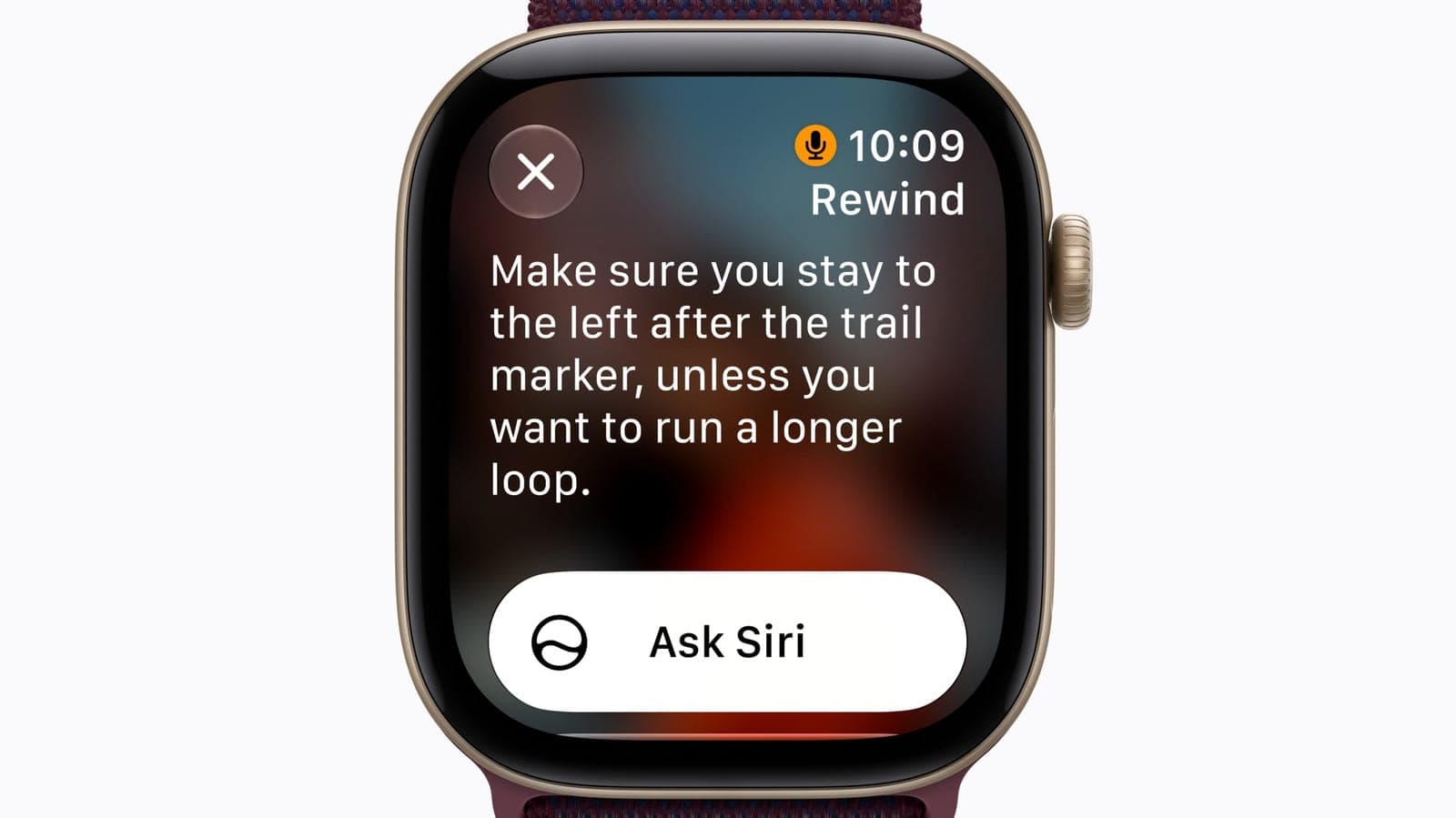
Apple's Live Rewind and Siri Recap are now in beta on the Apple Watch Series 12 and Ultra 4. One shows the last 15 seconds of speech as text, the other sums up whole conversations.
Google's Fitbit Edge brings back the screen and a replaceable battery
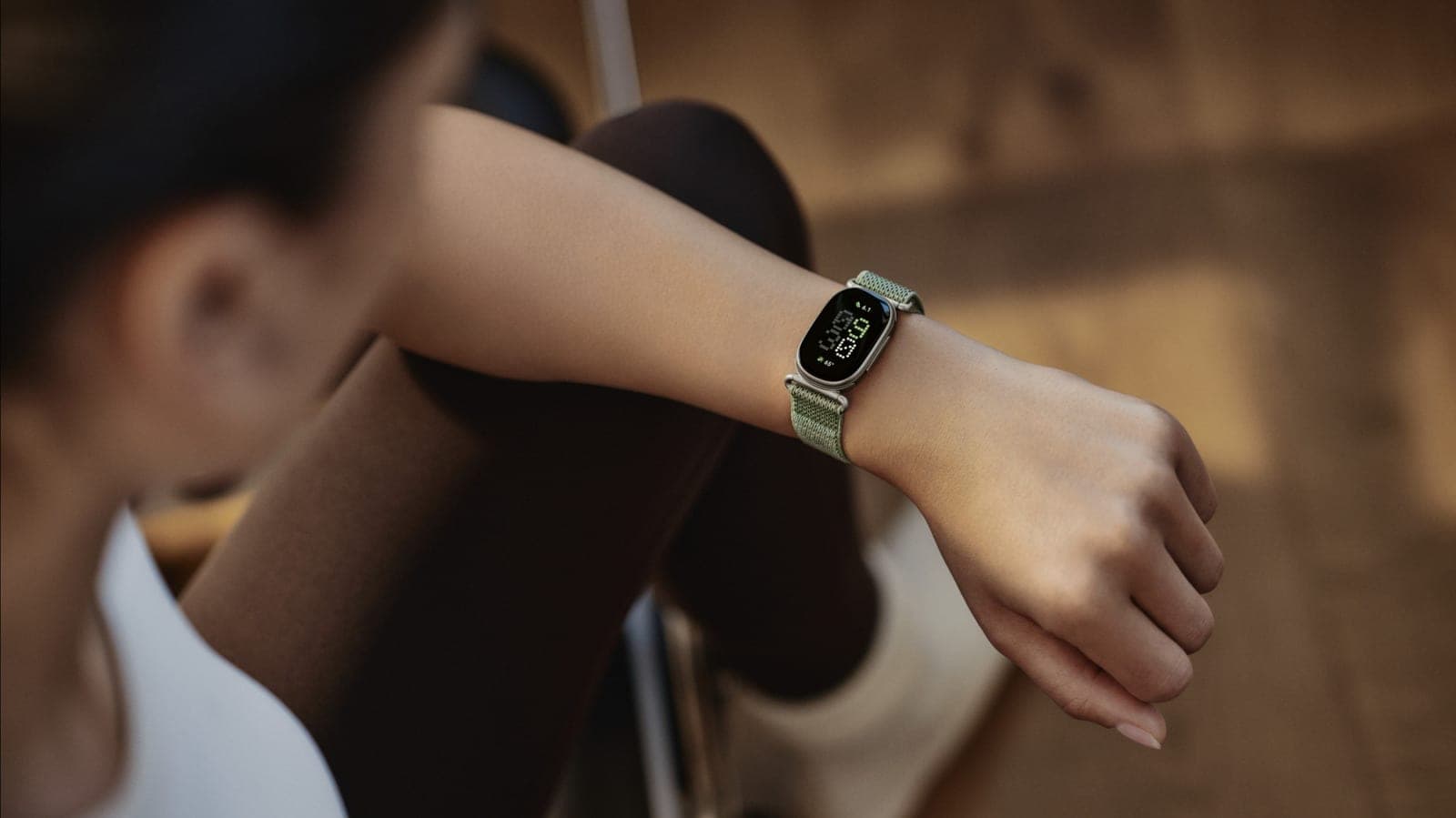
Google announced the Fitbit Edge, a $179.99 tracker with a bright display, GPS and a battery you can swap. It reaches stores on October 27.

Google's screenless Fitbit finally reaches India, at a $47 markup
Google launched the screenless Fitbit Air in India for ₹13,999, about $47 more than its US price, entering a market where cheap local competitors already dominate.
More in brief
- FAA lifts a nationwide ground stop after a communications outageNov 14
- Tesla opens Cybercab orders at $29,990, plus $299 a month to drive itNov 14
- Apple Sports adds UFC with live stats for every fight on the cardNov 13
- LangChain raises $300 million at a $3 billion valuation for AI agentsNov 13
- SignDrop, a new Windows zero-day, gives attackers full System rightsNov 13
- Microsoft's AI Frontiers research group is over, says co-founder John LangfordNov 13