
Technology·News & analysis
FAA lifts a nationwide ground stop after a communications outage
A failure in the network linking air traffic controllers and pilots stopped takeoffs across the US for hours on Friday. Officials blame old equipment and a patch.

Tide
Tsunami
Sci-fi
2/10
Reality
In your hands
Old wires and new patches, the least sci-fi outage there is.How we rate
The FAA halted takeoffs at every US airport on Friday after a failure in the network linking air traffic controllers, radars and pilots, the third nationwide ground stop in its history.
Officials blame old switches and routers and patches added during an upgrade, and see no sign of a cyberattack. More than 5,900 flights were cancelled. Airlines expect days of knock-on delays.
What to know
- The FAA stopped takeoffs at every US airport on Friday, November 13, 2026, after a communications failure hit air traffic control centers.
- It was only the third nationwide ground stop in FAA history, after September 11, 2001 and a 2023 outage.
- Officials blamed old switches and routers and "patches" added while new equipment was being installed. They said there is no sign of a cyberattack.
- More than 5,900 flights were cancelled and about 9,100 delayed by the time the stop was lifted, and recovery will take days.
On Friday afternoon, the Federal Aviation Administration (FAA) told every plane in the US to stay on the ground. So what broke, and why did it take hours to fix?
What happened on Friday?
A communications problem hit the FAA's air traffic control centers. These are the big facilities that guide planes between airports. The FAA responded with a nationwide ground stop, an order that keeps planes from taking off. Planes already flying kept going and landed as normal.
Transportation Secretary Sean Duffy announced the stop on X, citing a "communication issue impacting all Air Route Traffic Control Centers." Departures stayed frozen for more than four hours. The stop was lifted in the evening, after 8 pm Eastern.
The damage was large. At 8:39 pm ET, FlightAware listed 5,901 US flights as cancelled and 9,124 as delayed. A later count passed 6,300 cancelled and 9,500 delayed. Air Canada cancelled all of its flights to and from the US for the evening.
Why is this such a rare event?
The FAA has ordered a nationwide ground stop only three times. The first came after the attacks of September 11, 2001. Commercial flights did not restart until September 13.
The second was on January 11, 2023. A failure of the system that sends safety notices to pilots, called NOTAM (Notice to Air Missions), grounded flights for about 90 minutes. Friday's stop lasted far longer than that one.
- September 11, 2001: all civilian departures stopped for two days.
- January 11, 2023: about 90 minutes, caused by the pilot notice system.
- November 13, 2026: more than four hours, caused by a communications failure.
What do officials say went wrong?
The explanation has two parts, and they fit together. Duffy said the terminal radar approach control facilities, which guide planes near airports, "started to have inconsistency in the data from the radars and the communications from airplanes."
He said the problem sat in analog telecom devices, the older switches and routers that carry the data. They "got overloaded with data" and began to show inconsistent results.
Mullin said the trouble began when "patches" were put into the system while new equipment was being installed. "The new technology was overwhelming the older system," he said. Duffy added that the outage was not something he had expected.
In real life Picture a small town's phone exchange suddenly asked to handle a big city's calls. The calls do not just slow down. Some get garbled, and the operators stop trusting what they hear.
The big picture: Duffy used the moment to argue for a full replacement of the old system.
Which network is at the center?
Several reports tie the failure to the FAA Telecommunications Infrastructure, known as FTI. It is the private communications backbone for air traffic control. It carries voice and data between control centers, radars and pilots.
The contractor L3Harris Technologies manages the older system. It is being replaced as part of a multiyear project that swaps decades-old copper wire for fast fiber-optic cable. L3Harris said in May that it had finished 50 percent of its modernization work. Earlier this month it said 70 percent of FAA sites had been upgraded to fiber.
L3Harris did not respond to requests for comment on Friday. The company's own website says its team can "upgrade systems without disrupting air traffic operations."
How did the outage spread?
One account says the problem began at the Chicago air traffic control center. Boston, Washington, New York and Minneapolis followed, and more facilities reported trouble after the FAA ordered the stop for planes flying east. That sequence has not been confirmed by the FAA.
The problems touched both the radar and the radio frequencies that controllers and pilots use. Without both, a controller cannot see a plane or talk to its crew. Stopping departures is the safe answer.
The catch: a ground stop stops takeoffs, but it does not put planes and crews back where they should be. Many flight crews ran out of legal working hours while waiting.
Was it the new AI airspace system?
Days earlier, on November 10, the FAA switched on a cloud-based system called SMART nationwide. SMART stands for Strategic Management of Airspace, Routes and Trajectories. It uses artificial intelligence to study airline schedules, weather, airport capacity and airspace limits. Its job is to predict traffic jams before they happen.
The software comes from Air Space Intelligence (ASI). In June, the FAA gave the company a 12-year, $875 million contract to deploy it.
Asked about a link, Mullin said officials were looking into it. ASI answered quickly on X: "The current ground stop is not based on or a result of the SMART system, any product of ASI or our integration with FAA and ATC."
No evidence of a link has been shown so far. Officials also said they saw no connection to the Microsoft Outlook outage earlier this week.
Is there any sign of an attack?
Officials say no. Mullin said there was no indication of a security threat or a cyberattack. But he also said that, early on, no cause had been ruled out, and that "there's not complete certainty right now."
The FAA handled incoming international flights case by case. Mullin said flights were accounted for and that the public had no reason to fear.
What does it mean for the upgrade plan?
Friday's outage landed in the middle of a money debate. Earlier that day, Duffy sent congressional leaders a letter asking them to approve $30.1 billion for air traffic control and airport upgrades. After the outage he raised the number: "I want $50 billion."
A September report from the Government Accountability Office (GAO), which audits federal agencies for Congress, raised concerns about the speed of the plan. It said the FAA's push to speed things up "could be prioritizing speed over costs and air traffic disruption." It also found no master schedule, but 11,389 separate schedules that are not joined up.
The government says it wants to overhaul the system by the end of 2028. In August, the FAA picked AT&T to build the replacement network, with a first contract of $73 million that could grow into the billions.
Duffy cautioned that without large system updates there will be "more of these." Last week the FAA also announced it is retiring floppy disks at more than 400 air traffic sites.
What it means for you
- Check your flight: crews and planes are out of place, so delays and cancellations are likely through the weekend. Use your airline's app before heading to the airport.
- Ask for a rebooking early: airlines are dealing with thousands of cancelled trips, and the first people to ask often get the first seats.
- Expect a long tail: it may take days, even weeks, to get schedules fully back to normal, especially for freight and mail.
- Watch the cause: the official explanation is early. Details could change as investigators look at the failed equipment.
The bottom line
A failure in the network that links controllers, radars and pilots froze US air travel for hours. Officials blame old equipment and patches added during an upgrade, and they say it was not an attack.
The outage shows how much depends on a few hidden wires and switches. The fix is the upgrade already under way, and Friday made its price tag a bigger part of the conversation.
Key facts
- What failed
- Communications between air traffic control centers, radars and pilots
- Length
- More than four hours
- Flights cancelled
- More than 5,900 (FlightAware count, 8:39 pm ET)
- Flights delayed
- About 9,100 (same count)
- Earlier nationwide stops
- September 11, 2001 and January 11, 2023
Got questions?
Quick answers, plain wordsWhat is a ground stop?
A ground stop is an order that keeps planes on the ground at one or more airports. Planes already in the air keep flying and land. This one covered departures from every US airport.
How many nationwide ground stops has the FAA ever ordered?
Three. The first came after the attacks of September 11, 2001. The second was on January 11, 2023, when the pilot notice system failed for about 90 minutes. The third was on Friday, November 13, 2026.
What caused the outage?
Officials say it was a failure in the communications system that links air traffic control centers, radars and aircraft. Transportation Secretary Sean Duffy blamed old analog switches and routers that got overloaded with data. Homeland Security Secretary Markwayne Mullin said patches added to the old system while new equipment was installed played a part.
Was it a cyberattack?
Officials say they have no indication of one. Mullin said there was no sign of a security threat, but also that there was "not complete certainty right now."
Did the new AI airspace system cause it?
Not according to the company. Air Space Intelligence, which built the SMART system the FAA switched on nationwide on November 10, said the ground stop "is not based on or a result of" its system. Officials said they were still looking into it.
Who runs the communications network?
The FAA Telecommunications Infrastructure, or FTI, is the private network behind air traffic control. The contractor L3Harris Technologies operates the older system until its replacement is ready.
How many flights were affected?
At 8:39 pm ET, FlightAware listed 9,124 US flights as delayed and 5,901 as cancelled. By a later count, over 6,300 flights had been cancelled and 9,500 delayed. Cargo and mail flights were hit too.
Will my flight still be late this weekend?
Possibly. Planes and crews ended up in the wrong places, and many crews ran out of legal working hours. Airlines expect it to take days to get schedules back to normal, so check your airline's app before you leave.
Are the skies unsafe now?
Officials did not say flying was unsafe. The FAA grounded planes as a precaution, and the stop was lifted once communications were working again.
How much money is the FAA asking for?
Duffy asked Congress for $30.1 billion in a letter on Friday morning. After the outage he said he wants $50 billion to upgrade air traffic control and airports.
SourcesArs Technica
Topics and tagsfaa, air traffic control, outage, l3harris
Related stories
The FAA is finally retiring floppy disks from air traffic control
The Transportation Department says a new digital display system will replace floppy-based tools at more than 400 air traffic facilities by the end of 2028.

Microsoft 365 outage cuts off Outlook, Teams and Copilot for hours
Outlook, Teams, Copilot and SharePoint stopped working for many people on Thursday. Microsoft says servers kept failing health checks, and recovery was still partial late at night.
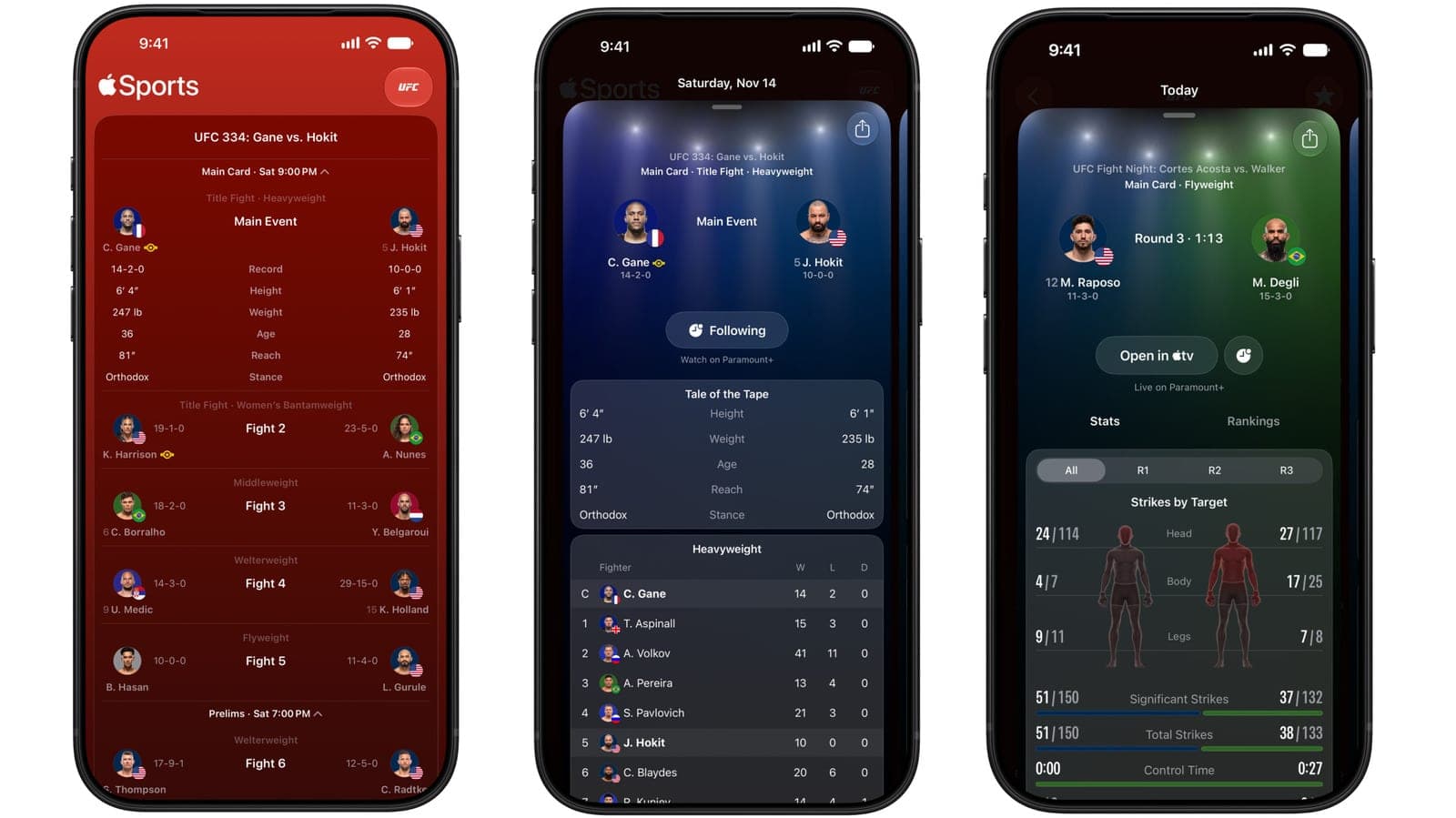
Apple Sports adds UFC with live stats for every fight on the card
Apple's free Sports app now covers UFC, starting with UFC 334 this Saturday. You get fight-by-fight numbers, a strike map and lock screen updates.
More in brief
- Tesla opens Cybercab orders at $29,990, plus $299 a month to drive itNov 14
- LangChain raises $300 million at a $3 billion valuation for AI agentsNov 13
- SignDrop, a new Windows zero-day, gives attackers full System rightsNov 13
- Microsoft's AI Frontiers research group is over, says co-founder John LangfordNov 13
- BYD apologizes after wrong wheels ship on its Great Tang SUVNov 13
- Humble Bundle's new site drops two-factor login for accountsNov 13