
Technology·News & analysis
Google's screenless Fitbit finally reaches India, at a $47 markup
Google launched the screenless Fitbit Air in India for ₹13,999, about $47 more than its US price, entering a market where cheap local competitors already dominate.

Tide
Ripple
Sci-fi
3/10
Reality
In your hands
A band with no screen that still knows your heart better than you do.How we rate
Google launched its screenless Fitbit Air fitness tracker in India on October 2, priced at ₹13,999, about $47 more than the $99 it costs in the US.
India's screenless wearable market is already dominated by much cheaper local brands like Noise and Urban, making Google's premium pricing a real test of whether brand recognition alone can win over a famously price-sensitive market. It's a small but telling case study in how global tech pricing collides with local competition.
What to know
- Google launched the screenless Fitbit Air fitness tracker in India on October 2, 2026, priced at ₹13,999, roughly $146, compared to $99 in the US, a gap of about $47.
- Fitbit Air tracks 24/7 heart rate, heart rhythm with AFib alerts, blood oxygen, resting heart rate, heart rate variability, and sleep stages, all without a screen.
- It's available through the Google Store, Flipkart, Croma, Reliance Digital, and Vijay Sales, and includes a free three-month Google Health premium membership.
- India currently accounts for only about 5% of the global screenless wearable market, and cheaper local brands like Noise and Urban already compete aggressively on price.
- The device launched globally in May 2026 as a Whoop and Oura rival, requiring no subscription for its basic tracking features.
Google's screenless Fitbit finally reached India this week, and the first thing Indian shoppers will notice is that it costs more than it does back in the US, for the exact same silicone band.
What is the Fitbit Air, and what does it actually track?
The Fitbit Air is a screenless fitness and health tracker, first launched globally in May 2026 as Google's answer to devices like Whoop and Oura. Without any display at all, it monitors:
- 24/7 heart rate and resting heart rate.
- Heart rhythm monitoring with AFib (atrial fibrillation) alerts.
- Blood oxygen levels and heart rate variability.
- Sleep stages and duration.
Why it matters: skipping the screen entirely isn't just a design choice, it's a bet that a growing number of people want continuous health tracking without another glowing rectangle demanding attention on their wrist throughout the day.
How much does it actually cost in India, and why does the price gap matter?
Google priced the Fitbit Air in India at ₹13,999, roughly $146. In the US, the same device costs $99. That's a gap of about $47 for identical hardware.
The catch: India currently makes up only about 5% of the global screenless wearable market, and it's a market where local brands like Noise and Urban already sell competing screenless trackers at aggressively lower prices. Entering that market with a premium markup, rather than pricing closer to parity, is a real test of whether Fitbit's brand recognition alone can overcome a meaningful price disadvantage against local competition.
In real life it's like a coffee shop opening next to three cheaper local cafes and charging more than it does back home, betting customers will pay extra just for the familiar name on the cup.
When and where can you actually buy it in India?
The Fitbit Air becomes available in India on October 2, 2026, through the Google Store, Flipkart, Croma, Reliance Digital, and Vijay Sales. Buyers also get a free three-month Google Health premium membership bundled with the purchase.
Why it matters: that bundled subscription is a common tactic when a company expects price resistance. Giving buyers a taste of a premium service for free is meant to build a habit that eventually converts into a paid subscription once the free period ends, softening the sting of the higher upfront price.
What are the actual physical specs?
The device is genuinely tiny: 12 grams with the band, just 5.2 grams without it. Battery life runs up to a week, with fast charging delivering a full day of power in just 5 minutes. It's water-resistant up to 50 meters, and it ships with three band styles: a recycled-material Performance Loop Band, a waterproof Active Band, and a more discreet Elevated Modern Band.
How does it compare to Whoop and Oura?
Background: Whoop and Oura pioneered the modern screenless wearable category, both built around continuous health data rather than a smartwatch-style interface. Whoop in particular requires an ongoing subscription just to access core tracking features, a model that's drawn criticism from users who feel locked into recurring payments for a device they already bought.
Why it matters: Fitbit Air's key differentiator is skipping that subscription requirement for its basic tracking features. In a market as price-sensitive as India, avoiding a mandatory monthly fee on top of an already premium device price is a meaningfully different pitch than Whoop's model, even if the hardware price itself is still a stretch for many buyers.

Is this part of a bigger pattern for Google's hardware pricing globally?
Background: premium markups on hardware sold outside the US aren't unique to Fitbit, import duties, local taxes, and logistics costs routinely push prices higher in markets like India compared to domestic US pricing. But the size of the gap matters relative to the local market's expectations, and a market already served by aggressive, low-cost local alternatives has far less tolerance for premium pricing than a market without strong local competition.
Who's affected: Indian consumers specifically get to decide whether Fitbit's brand and feature set, subscription-free tracking, AFib alerts, a week of battery life, are worth paying a real premium over homegrown alternatives that may offer fewer features but cost meaningfully less.
How did Fitbit end up as a Google product in the first place?
Background: Google announced its acquisition of Fitbit for $2.1 billion in November 2019, and the deal finally closed in January 2021 after more than a year of regulatory scrutiny over privacy and antitrust concerns. Fitbit brought Google something it didn't have on its own: deep expertise in fitness tracking, ECG monitoring, and advanced health metrics, along with a large, established user base already trusting Fitbit with their health data.
That acquisition became the foundation for the Pixel Watch, which launched in October 2022 as the first Google-branded product with native Fitbit integration, combining Google's Wear OS interface with Fitbit's health-tracking software underneath. The Fitbit Air continues that same strategy in a different form factor, taking Fitbit's health-tracking expertise and building it into a screenless device rather than a full smartwatch.
Why it matters: that history explains why Google is comfortable competing directly with Whoop and Oura now. It isn't starting from scratch in health tracking, it's leaning on more than a decade of Fitbit's own sensor and algorithm development, acquired specifically because Google recognized it lacked that expertise internally.
Is India uniquely difficult for premium wearables, or is this a broader trend?
By the numbers: India's wearable market overall has long favored aggressive pricing over premium positioning. Budget-focused domestic brands have consistently outsold premium international competitors by volume, building large customer bases around price rather than brand prestige, a dynamic that extends well beyond just screenless fitness trackers into smartwatches and earbuds broadly.
Why it matters: that context makes Google's pricing decision look less like an isolated misstep and more like a company betting its brand strength and feature set can command a premium in a market that has repeatedly shown it rewards affordability over recognition. Plenty of global brands have made that same bet in India and struggled against homegrown competitors who understand local price sensitivity better.
What it means for you
- If you're in India and considering it, compare the total cost against local alternatives like Noise or Urban, not just against Fitbit Air's US price, since the local competitive landscape is what actually matters for your wallet.
- The free three-month Google Health membership has real value if you'd use it anyway, but factor in what it costs once that trial period ends before deciding the higher price is worth it.
- If you're outside India, this doesn't affect your price or availability directly, since the underlying device and its US pricing remain unchanged.
- Battery life and no-subscription tracking are the device's strongest selling points regardless of region, worth weighing against local competitors' feature sets, not just their sticker price.
The bottom line
Google clearly wants the Fitbit Air to be a serious global player in the growing screenless wearable category, but launching in India at a real premium over cheaper, already-established local competitors is a genuine gamble, not a guaranteed win.
Whether Indian consumers are willing to pay extra for Fitbit's brand and feature set, or whether this becomes a case study in how premium global pricing struggles against homegrown alternatives, will say a lot about how far brand recognition alone can carry a device in a market this price-conscious.
Key facts
- India price
- ₹13,999 (~$146)
- US price
- $99
- Price gap
- ~$47 markup in India
- India launch date
- October 2, 2026
- India screenless market share
- ~5% of global market
Got questions?
Quick answers, plain wordsWhat is the Fitbit Air?
A screenless fitness and health tracker from Google, first launched globally in May 2026, that monitors 24/7 heart rate, heart rhythm with AFib alerts, blood oxygen, resting heart rate, heart rate variability, and sleep stages, all without a display.
How much does the Fitbit Air cost in India versus the US?
In India, it costs ₹13,999, roughly $146. In the US, it costs $99. That's a gap of about $47, even though it's the same device.
When does it become available in India?
October 2, 2026, through the Google Store, Flipkart, Croma, Reliance Digital, and Vijay Sales.
Does buying it come with any extras?
Yes, buyers get a free three-month Google Health premium membership included with the purchase.
Why might the price be a problem in India specifically?
India currently makes up only about 5% of the global screenless wearable market, and local brands like Noise and Urban already sell competing screenless trackers at significantly lower prices, undercutting Western competitors.
Does the Fitbit Air require a subscription to use?
No. It positions itself as a more affordable alternative to subscription-based competitors like Whoop, offering its core tracking features without requiring an ongoing subscription.
What are its physical specs?
It weighs 12 grams with the band and 5.2 grams without it, offers up to a week of battery life with 5-minute fast charging for a full day of power, and is water-resistant up to 50 meters.
What band options are available?
Three types: a Performance Loop Band made from recycled materials with a breathable fit, a waterproof Active Band, and a more discreet Elevated Modern Band.
How does it compare to Whoop and Oura?
Like Whoop and Oura, it's a screenless device focused on continuous health monitoring rather than a smartwatch-style display. Its main differentiator is not requiring a subscription for basic tracking, unlike Whoop's subscription-first model.
When did the Fitbit Air first launch globally?
Google unveiled it on May 7, 2026, with sales beginning May 26, 2026, before this October 2026 expansion into the Indian market specifically.
SourcesTechCrunch
Topics and tagsGoogle, google, fitbit, wearables
Related stories
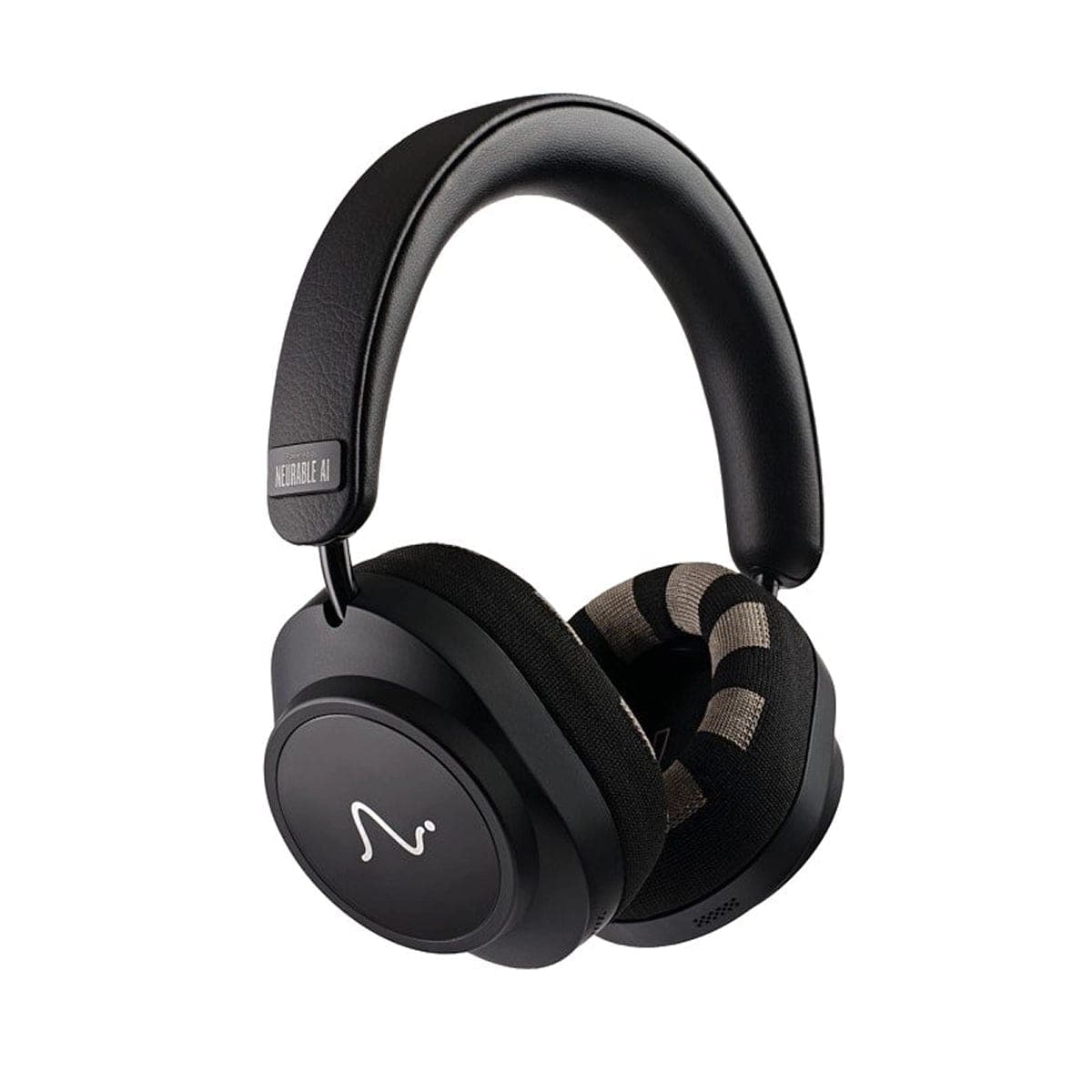
These $499 headphones read your brainwaves and tell you when you've stopped paying attention
Neurable started shipping its first standalone headphones, Neurable One, which use 12 EEG sensors woven into the ear pads to track your focus in real time and nudge you to take a break before you burn out.

Apple Pay finally launches in India, starting with one bank
Apple Pay is rolling out in India for the first time, but only Axis Bank customers can use it at launch, in a country where a free app called UPI already handles most digital payments.

Henry Cavill is building a video game to show off Google's new Googlebook
Google says the actor and self-described PC gamer will develop a game on an HP Googlebook 14, with a reveal planned for November.
More in brief
- arXiv limits researchers to two papers a month as AI drives submissions to a recordOct 2
- California will fine robotaxi companies that block first responders for over 30 minutesOct 2
- Microsoft launches real-time transcription and new voice models for AI voice agentsOct 1
- Apple's smart home hub reportedly launches October 13, with a camera that never records videoOct 1
- Cloudflare releases Clef, open-weight AI models that make yes-or-no decisions fastOct 1
- GrayKey maker reportedly found a way around the iPhone's Inactivity RebootOct 1