
Technology·News & analysis
US cities are dropping Flock's license plate cameras
At least 10 local governments and police departments have moved to end or limit their use of Flock Safety's cameras since this summer.

Tide
Wave
Sci-fi
4/10
Reality
Shipping
A camera on a pole became the face of the AI debate.How we rate
At least 10 local governments and police departments have moved since summer to end or limit their use of Flock Safety's cameras, including Richmond, Virginia, and Lansing, Michigan.
Residents of League City, Texas, voted this week against the cameras, which are now set to be removed. More than 100,000 Flock cameras are in use nationwide. Flock says it respects each community's decision, and two bills in Congress would cut federal money for this kind of surveillance.
What to know
- At least 10 local governments and police departments have moved since summer to end, restrict or curb their use of Flock Safety technology.
- More than 100,000 Flock cameras are in use across the US, and the company works with more than 6,000 law enforcement agencies.
- Critics point to privacy, data sharing with federal agencies, misuse by officers and how towns bought the cameras without a public vote.
- Flock says it does not sell data and has no contract with ICE, and has cut its default storage time for new customers from 30 days to seven.
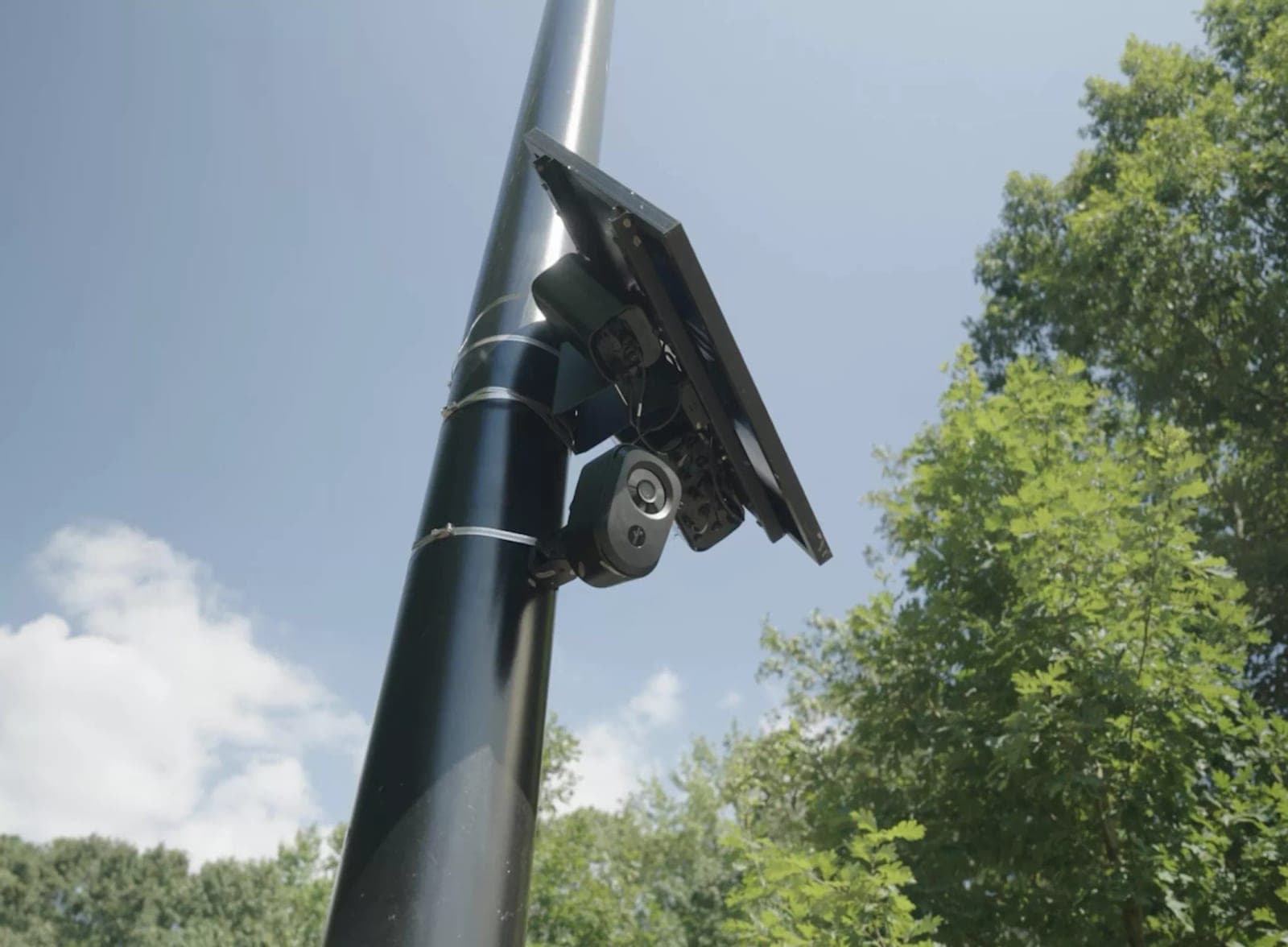
Towns across the US are pulling the plug on Flock Safety, the company behind the black camera poles you see along roads. At least 10 local governments and police departments have moved since this summer to end, restrict or curb their use of its technology.
So what is Flock, why is it the target, and who is keeping it anyway?
What is Flock, exactly?
Flock was founded in 2017 and is based in Atlanta. It sells surveillance tools to police departments and communities.
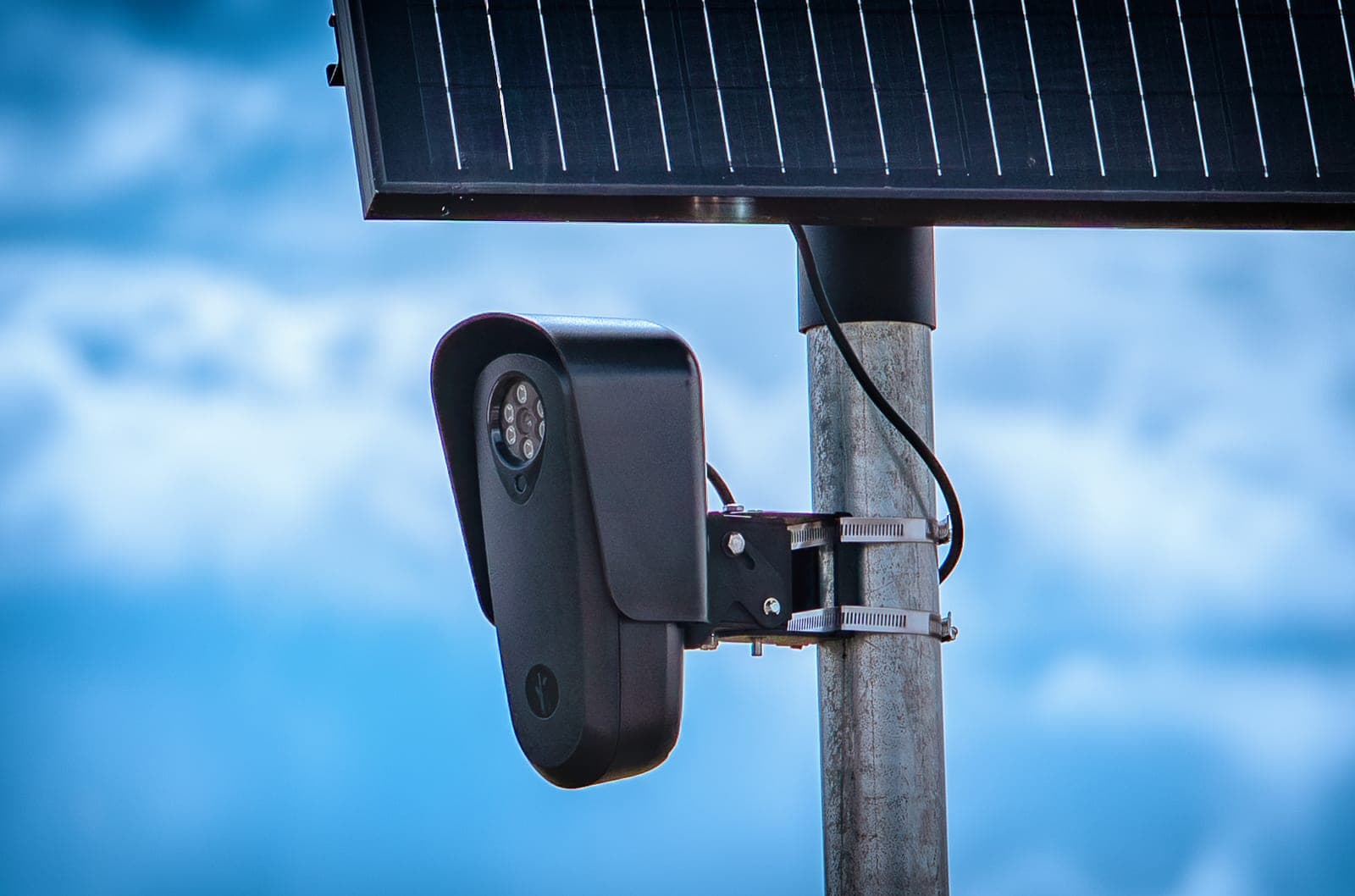
The best known is the license plate reader, a camera that reads the plates of passing cars and logs where and when they went by. The company also sells drones and microphone-based devices that pick up sounds like gunshots.
Police say the tools help find missing people and stolen cars. More than 100,000 Flock cameras are in use across the US, and the company works with more than 6,000 law enforcement agencies.
Which towns are leaving?
In the past three months, six places have moved to end their contracts: Monroe, Ohio; Newburgh, New York; Richmond, Virginia; Hopkinton, Massachusetts; New Bedford, Massachusetts; and Lansing, Michigan.
Police in East Bridgewater and Grafton, Massachusetts, also announced plans to stop using Flock cameras. Asheville, North Carolina, lost its access after the city voted to end its contract in August.
- El Paso County, Colorado: the sheriff's office said in September it would stop using Flock cameras.
- South Windsor, Connecticut: the town voted in October to remove cameras that went live last year without a public warning or vote.
- League City, Texas: residents voted this week against their police department's continued use of the readers. The cameras are now set to be removed.
In real life Picture a camera on the pole at the end of your street. Until recently, you may not have known it was there, who bought it, or who can search what it saw.
Why are people pushing back?
The reasons range from privacy to how the data is shared and with whom. Some towns also raise concerns about how the cameras were bought.
Why it matters: a camera on a roadside is something you can see. Tatiana Rice, a senior director at the Future of Privacy Forum, said that "a camera at the end of your street is tangible in a way that everyday sharing and selling of personal data online is not."
The backlash is part of a wider pushback against fast-moving AI technology. That includes the data center building boom and facial recognition.
What about misuse?
Misuse has been a real problem. In August, an officer in Brentwood, Missouri, was accused of using Flock cameras to stalk his ex-wife during their divorce.
In September, an officer from East Texas was sentenced to prison for using Flock to stalk his ex-girlfriend and her family.
What is the immigration worry?
Another growing concern is how immigration officials have been able to access the technology. In March, Ithaca, New York, passed a resolution to end its contract with Flock.
The resolution said there were "proven instances of Flock Safety infrastructure being used by federal agents for information purposes even without specific authorizations from the contracting locality." It also said Flock had allowed ICE and the ATF, the federal firearms agency, to use query results from its database of state and local license plate data.
Flock says it does not sell data and does not have a contract with ICE. The company also says every customer owns its data and controls who can see it.
What does Flock say?
Flock told TechCrunch that police departments across the country use its technology to solve serious crimes, locate suspects and find missing people. "While we respect every community's decision, removing a tool that is actively helping solve violent crimes and protect communities moves public safety backward," the company said.
In August, Flock shortened the default storage period for new customers from 30 days to seven. It also said agencies now need a case code, a note tying the search to a real case, before they can search the database.
Virginia offers one picture of how the system works. The data is encrypted and stored in a cloud service called Amazon Web Services GovCloud. Police search it during investigations, and by state law the images are deleted after 21 days.
Who is staying, and who is waiting?
Many local governments are not dropping Flock. Some add rules instead, and some look at other vendors.
- Cleveland, Ohio: voted this summer to extend its contract, but began restricting searches related to immigration. It also limited database access to the Cleveland Police, cutting off the Northeast Ohio Regional Fusion Center.
- Cleveland's next step: the city said the cameras are used and needed for investigative purposes, and its Department of Public Safety is reviewing responses to a request for proposals sent to other vendors.
Adam Schwartz of the Electronic Frontier Foundation, a digital privacy nonprofit, said police departments often decide to use Flock with little oversight from city councils. He said activists have asked councils to use their buying power, called procurement, to refuse to pay for license plate readers. In his words, "many city councils are listening."
What are states and Congress doing?
Rules are moving too. This summer, Florida barred license plate readers from state highways, and Texas paused state funding for Flock.
In Virginia, state Sen. Glen Sturtevant said he will introduce a bill in the next General Assembly session to ban Flock cameras. Several Virginia localities, including Lynchburg, have started to end or pause their use of Flock since July.
In Congress, Rep. Thomas Massie, a Republican from Kentucky, introduced the Flock-Off Act to bar federal money from buying Flock-style surveillance. In October, Sens. Bernie Sanders and Jeff Merkley and Rep. Alexandria Ocasio-Cortez introduced the Ban Flock Act.
How big a business is Flock?
An earlier count this year found 53 municipalities in 20 states that had rejected or shut off Flock cameras. Flock was valued at roughly $7.5 billion at that time and is backed by the investment firm Andreessen Horowitz.
It reported more than $300 million in annual recurring revenue, the money it expects to keep earning from subscriptions each year. Its cameras cost an estimated $2,500 a year each, plus installation.
That low price helped it spread quickly. It is also why one town's council can vote to leave without the others noticing.
What it means for you
- Check your town: many councils discuss Flock in public meetings, and the records are usually open to residents.
- Ask who can search: the key questions are who can see the data, for how long, and whether federal agencies can reach it.
- Expect more votes: several towns are still reviewing contracts, and state bills are on the way.
- Expect mixed results: some places leave Flock, others keep it with new limits.
For more on how these cameras show up on maps, see our story on MapQuest's Surveillance Layer.
The bottom line
Flock's cameras were adopted quietly in many towns, and now the same towns are voting in public. Some are leaving, some are adding limits, and some are waiting for new rules.
The argument comes down to one trade-off: faster police work against a bigger record of where everyone drives. Votes in the coming months will show which side wins in more places.
Key facts
- Towns moving away
- At least 10 since summer, including Richmond, VA and Lansing, MI
- Cameras in use
- More than 100,000 across the US
- Flock's customers
- More than 6,000 law enforcement agencies
- Default data storage
- Cut from 30 days to 7 for new customers in August
- Founded
- 2017, based in Atlanta
Got questions?
Quick answers, plain wordsWhat is Flock Safety?
Flock is an Atlanta company, founded in 2017, that sells surveillance technology to police and communities. Its products include license plate readers, drones and microphone devices that pick up sounds such as gunshots.
How many cities have dropped Flock?
At least 10 local governments and police departments have moved to end, restrict or curb their use of Flock since this summer. Richmond, Virginia, Lansing, Michigan, New Bedford, Massachusetts and Newburgh, New York are among them.
Why are towns dropping Flock cameras?
The reasons include privacy, worry about who can see the data, cases of officers misusing the cameras, and anger that some towns bought them without a public vote.
What is a license plate reader?
It's a camera that reads the plates of passing cars. The system records the plate with the time and place, and police can search those records later.
Does Flock sell its data or work with ICE?
Flock says it does not sell data and does not have a contract with ICE, the federal immigration agency. Some towns, such as Ithaca, New York, say they found cases where federal agents used the data anyway.
Did Flock change anything in response?
Yes. In August, Flock said it would shorten the default storage period for new customers from 30 days to seven. It also said agencies now need a case code before they can search the database.
Are all cities dropping Flock?
No. Cleveland, Ohio voted this summer to extend its contract, but added limits on immigration-related searches and cut off access for a regional fusion center. Many towns are adding rules or looking for alternatives instead of leaving.
What are the Flock-Off Act and the Ban Flock Act?
They are two bills in Congress. Rep. Thomas Massie's Flock-Off Act would bar federal money from buying Flock-style surveillance. The Ban Flock Act, from Sen. Bernie Sanders, Rep. Alexandria Ocasio-Cortez and Sen. Jeff Merkley, would end the use of AI-powered surveillance cameras.
What happened in League City, Texas?
Residents voted this week against the police department's continued use of Flock's license plate readers. The cameras are now set to be removed.
Do the cameras help police?
Flock and many police departments say yes: they cite solved crimes, found missing people and recovered stolen cars. The El Paso County Sheriff's Office in Colorado, which stopped using Flock, says it has the tools and training to catch criminals without it.
SourcesTechCrunch
Topics and tagsAI safety, AI policy, flock safety, surveillance
Earlier on this story
Related stories
MapQuest's new Surveillance Layer shows where license plate readers are
A free toggle in the MapQuest app puts known license plate readers and outdoor cameras from Flock Safety and a dozen other brands on the map.
Apple Watch can now replay what someone just said, in beta
Apple's Live Rewind and Siri Recap are now in beta on the Apple Watch Series 12 and Ultra 4. One shows the last 15 seconds of speech as text, the other sums up whole conversations.

GM to pay $220 million over selling drivers' data
General Motors settled with 36 states over claims it sold driving and location data to data brokers. It must now get drivers' consent first.
More in brief
- YouTube is going back on the Billboard charts in 2027Nov 9
- Apple starts selling $50 packs for extra Apple Intelligence useNov 9
- Windows 11 tests a way to switch off the Sticky Keys popup for goodNov 9
- US regulators question whether Waymo's school bus fix workedNov 9
- NVIDIA unveils GR00T 2 and Isaac Lab 3.0 to teach robots delicate workNov 9
- Tesla launches its robotaxi service in San Antonio, its eighth cityNov 9