
Robots·News & analysis
Pentagon tests robot vehicles that hunt targets as a pack, with a human to approve fire
Four DARPA-built robot vehicles searched a Kentucky range for a simulated enemy on their own. Only a person can approve a strike.

Tide
Ripple
Sci-fi
8/10
Reality
Demo
Robot scouts that search as a team and wait for orders.How we rate
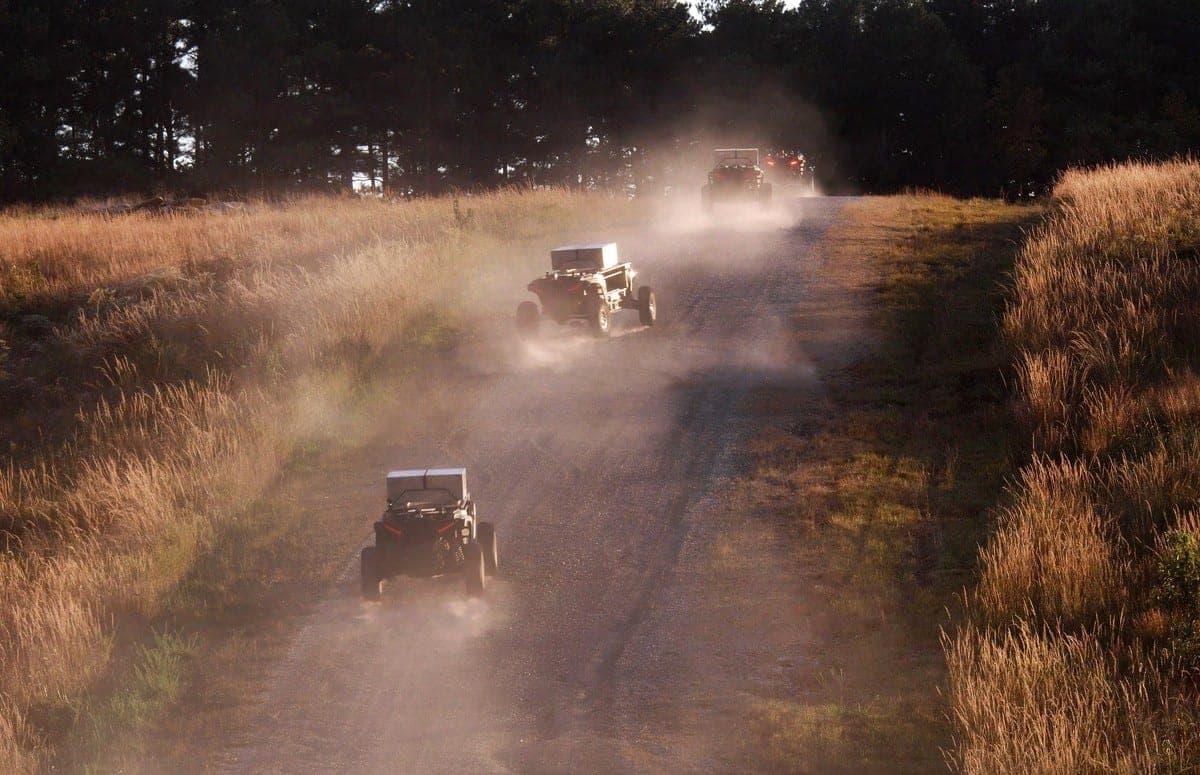
DARPA and the US Army demonstrated four autonomous ground vehicles at Fort Knox that drove, searched and found a simulated target by themselves.
They carried drones that could scout or strike, but a human had to approve any engagement. The test began with satellite imagery and ended with a simulated rocket strike about 300 yards away. DARPA will run another test in December and gather soldier feedback.
What to know
- On October 15, 2026, four experimental unmanned ground vehicles took part in a DARPA demonstration at Fort Knox, Kentucky, built on the RACER off-road autonomy software.
- The vehicles moved, searched and detected a simulated target on their own, then waited. A human had to approve any engagement.
- U.S. European Command asked for the test to explore sending robots ahead of troops on NATO's eastern flank.
- DARPA plans another test in December 2026 and will ask soldiers for feedback on deployment.
The Pentagon has shown that a small pack of robot vehicles can drive across rough ground, find a target and stop, the U.S. Army says. One thing stays human: the decision to act. This story is about a military test, so we keep it plain.
What happened at Fort Knox?
On October 15, 2026, DARPA ran a demonstration at the St. Vith Range, a training area at Fort Knox, Kentucky. DARPA is the Pentagon's research agency, the group that funds ideas that look like science fiction.
About two dozen visitors from military and government groups watched. Four experimental unmanned ground vehicles did the work, with no drivers on board.
The Army calls it the first end-to-end test that runs from satellite imagery down to a tactical ground team.
How did the test run?
The steps went like this:
- The tip: An operator received satellite imagery showing a possible enemy position and sent the robot team to check it.
- The scout: One vehicle drove ahead and searched the terrain with its onboard sensors. The other three waited at the start.
- The find: The scout spotted a possible target about halfway up a hill and stopped.
- The support: Two more vehicles rolled slowly up the road to back it up. The last vehicle followed.
- The strike: A simulated rocket strike hit the target, about 300 yards away.
The vehicles carried sensing, kinetic and non-kinetic payloads. Kinetic means something that causes physical damage. Non-kinetic means things like electronic tools.
How do satellites and robots connect?
Gregory said the team can "drop a ten-digit grid on a traversable mobility corridor that ground vehicles use." A ten-digit grid is a map reference that points to a spot about a yard wide.
In simple terms, a satellite picture becomes a pin on a map. The robots then drive to the pin on their own, picking their own path over hills and dirt roads.
That link is what the Army means by end to end. Nobody has to steer a vehicle by hand at any point between the satellite picture and the target.
It also means the first human in the chain sits far from the field. That person sees what the machines find and decides what happens next.
Who decides when to act?
A person does. This is the part DARPA repeats the most.
Dr. Jason Gregory of DARPA put it this way: "All the mobility, all the movement, all the detections is autonomous. But they don't pull the trigger until a human says pull the trigger."
Autonomous means the machine makes the driving and searching choices itself. The vehicles do not get to choose to attack.
The system is built to follow Defense Department policy, which requires a human operator to review and approve the use of lethal force.
What did the drones do?
Three of the four vehicles carried drone payloads. One drone rode in a closed box on a vehicle.
A drone can be sent ahead for scouting. It can also be armed and used as a one-way attack platform, which means it flies into its target. In the test, either use needs a human commander's approval.
The Army says the platforms are modular. A technician described them as LEGOs that can carry different equipment.
Who built the robots?
The vehicles ran on RACER software. The Army lists Overland AI as the maker of the autonomous ground vehicle platform and Anduril as the maker of the autonomous one-way attack platforms. One more company took part, and the Army does not name it.
RACER means Robotic Autonomy in Complex Environments with Resiliency. It is a five-year software effort. Its goal is for vehicles to travel off-road at speeds comparable to a human driver.
Off-road is much harder than a highway. There are no lane lines, the ground changes, and every turn is a new puzzle.
In real life Think of a dog team sent to scout a field. The dogs run, sniff and find the spot. They still wait for the handler before they do anything else.
Why did U.S. European Command ask for it?
U.S. European Command, known as EUCOM, asked for the test. It wanted to see how robots could be placed beyond the forward lines of troops to spot threats early.
That would let soldiers decide how to respond before they are close to danger. The idea is to use the machines first, where a lost vehicle is better than a lost soldier.
Fort Knox was picked to match the geography of Europe, so the terrain stands in for the real theater.
Gregory said the goal was to look at "how a unit could deploy these types of autonomous capabilities in a theater like EUCOM to discover potential operational value and relevant technical challenges."
What is the Eastern Flank Deterrence Initiative?
The test fits a larger plan called the Eastern Flank Deterrence Initiative. It covers NATO's eastern border with Russia, and U.S. and allied planners picture autonomous vehicles, drones and sensors working together there.
In that picture, machines form a first-response force. They would watch the border and spot trouble early, before human troops have to move in.
Deterrence means stopping a fight before it starts by making an attack look like a bad idea. The Army and DARPA say this test helps judge whether robots could play a part in that.
The scout vehicle in the test did exactly that job on a small scale. It went forward, found the target and told a human what it saw.
What is RACER's bigger track record?
DARPA built RACER as a reusable autonomy stack, a package of driving software, rather than a single vehicle.
DARPA also says the software can steer through hard terrain without GPS or maps made in advance. It is aimed at military use first, but DARPA also sees uses in farming, construction, mining and off-road delivery.
DARPA calls the way the software sees the world, its perception system, the program's most significant technical result. Perception is how a robot turns camera and sensor data into a map of what is safe to drive on. DARPA says the system can adapt to a new vehicle model in roughly a day.
After four years of experiments with Army and Marine Corps units, the program is wrapping up and moving toward Defense Department programs and private companies.
So the same software that finds a hill target in Kentucky could, in theory, move a mining truck. That is DARPA's own view of the technology.
What happens next?
DARPA plans another test in December 2026. Officials will talk with soldiers about what they saw and how the system should be deployed.
DARPA expects other Pentagon programs to build on this demonstration. The test shows what can be done today. It does not mean robots like these are in service.
What it means for you
- No robot fires by itself here. The rule in this test is that a human approves every engagement.
- The tech is not only military. The same off-road driving software has uses in farms, mines and construction sites.
- Expect more tests. The December test will add soldier feedback, which is the step before any real deployment.
- Watch the rules. The debate about how much autonomy weapons should get is a policy question, not just a technical one.
The bottom line
The Pentagon showed that robot vehicles can scout together and find a target without a driver. The decision to act still belongs to a human.
This was a demonstration, not a deployment. The next test, in December, will show how soldiers react.
Key facts
- Date
- October 15, 2026
- Place
- St. Vith Range, Fort Knox, Kentucky
- Vehicles
- Four unmanned ground vehicles
- Program
- DARPA RACER
- Next test
- December 2026
Got questions?
Quick answers, plain wordsWhat did DARPA test at Fort Knox?
Four experimental unmanned ground vehicles that coordinated to find a simulated enemy target. The test started with satellite imagery and ended with a simulated rocket strike.
When did the test happen?
The demonstration took place on October 15, 2026. The Army published its account on October 22, and DARPA posted its own version on October 27.
What is RACER?
RACER stands for Robotic Autonomy in Complex Environments with Resiliency. It is a DARPA program that builds software so ground vehicles can drive off-road at speeds comparable to a human driver.
Can the robots fire on their own?
No. DARPA says the mobility, movement and detections are autonomous, but the vehicles stop and wait until a human approves any engagement.
Who asked for this test?
U.S. European Command, which wanted to see how robotic assets could be deployed beyond forward troop lines to spot threats early.
Why Fort Knox?
The Army chose the terrain to represent the geography of the European theater.
Which companies took part?
The Army names Overland AI for the autonomous ground vehicle platform and Anduril for the autonomous one-way attack platforms, plus one more company it does not name.
What are the drones for?
Three vehicles carried drone payloads. A drone can scout ahead or be armed to attack, and a human commander has to approve any attack.
What happens next?
DARPA plans another test in December 2026 and will consult soldiers for feedback and deployment recommendations.
SourcesU.S. Army
Topics and tagsSelf-driving, darpa, military robots, autonomy
Related stories
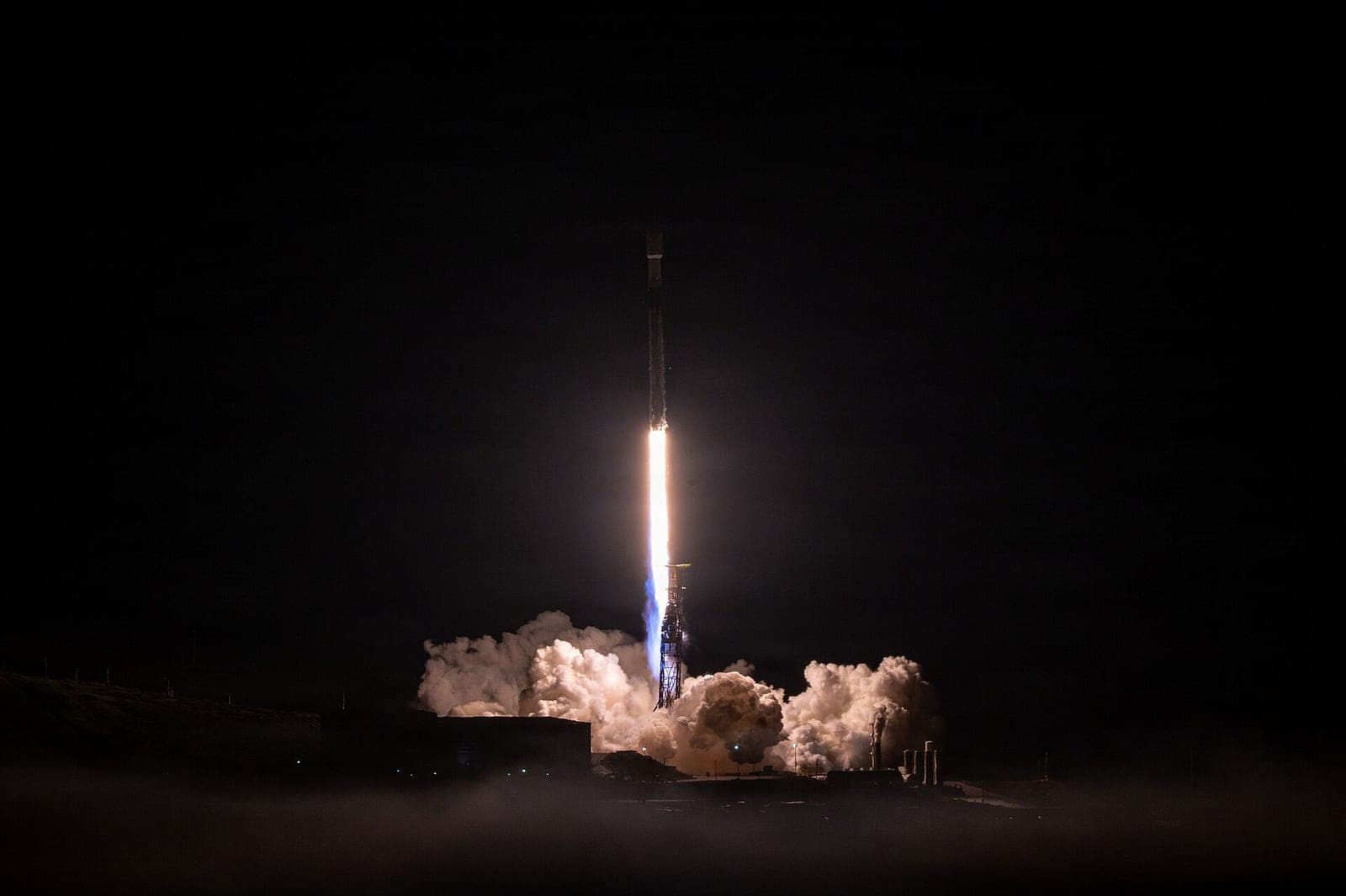
A Caltech robot built part of a structure in orbit, on its own
A small robot named ASTRA has assembled a new section of a truss in orbit with no astronauts. It is the first time a structure was built that way, DARPA says.

NEURA, E.ON and enviaM will train humanoid robots for power grid work
NEURA Robotics, E.ON and enviaM want humanoid robots to inspect substations and take on risky grid jobs. The robots train in Munich first, with real grid trials planned for 2027.
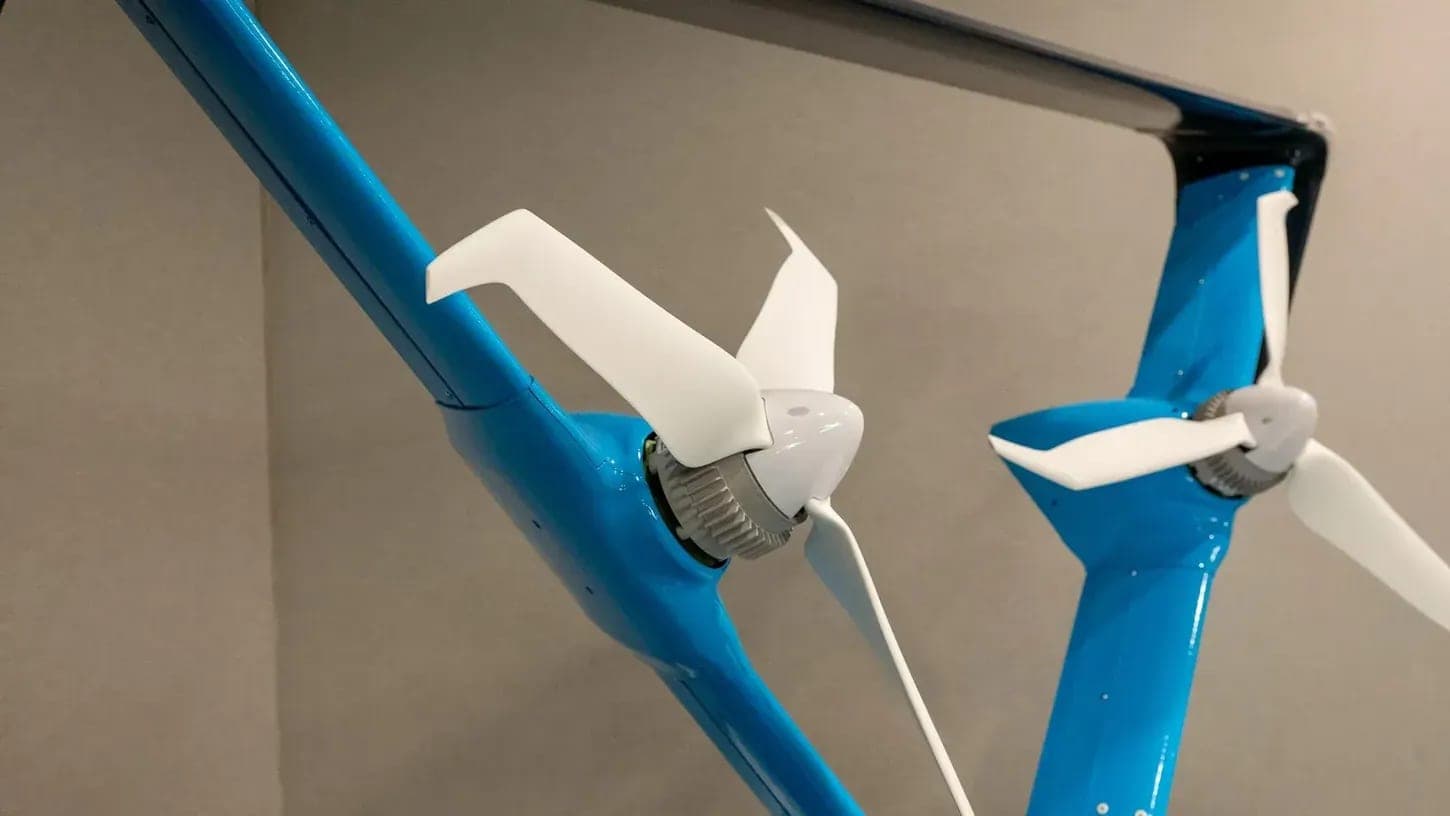
Amazon's delivery drones draw noise complaints in Texas and Idaho as the fleet grows
Neighbors in Houston and Nampa, Idaho, say Amazon's Prime Air drones sound like a swarm of bees. Amazon says the noise is brief, and it is looking at changes to flight paths.
More in brief
- Blue J raises $176 million to put AI agents to work on tax returns and IRS lettersNov 16
- FBI warns hackers are using the ARTEX AI tool to attack organizations worldwideNov 16
- Apple opens a 200,000-person study on how people use AI for healthNov 16
- Anthropic's IPO is reportedly oversubscribed as it aims to raise up to $90.4 billionNov 16
- Judge lets DRAM price-fixing lawsuit against Micron, Samsung and SK hynix go onNov 15
- Why AI chess engines keep the board tense longer than grandmastersNov 15