
Technology·News & analysis
SpaceX wants a 6-gigawatt AI data center in the Arizona desert
SpaceX has confirmed it is behind a 747-acre, nine-building supercomputer campus in Cochise County. It promises dry cooling and no new well, and a vote is set for December 9.

Tide
Wave
Sci-fi
6/10
Reality
Demo
A city-sized brain plugged into the desert.How we rate
SpaceX confirmed it is the owner behind a 747-acre AI data center campus in Cochise County, Arizona, filed through its affiliate Tombstone Resources.
The nine-building site would draw up to 6 gigawatts, with dry cooling and no new well. The plan would be by far the biggest in the state, about 24 times the local power co-op's summer peak. The county holds a public hearing on December 9.
What to know
- SpaceX confirmed at a November 4 community meeting that it owns the proposed Cochise Supercomputer Campus, filed through its affiliate Tombstone Resources LLC.
- The 747-acre site near the Willcox Playa would have nine buildings and need up to 6 gigawatts of power, built in four stages of about 1.5 gigawatts.
- SpaceX says the campus would be dry-cooled, drill no new well in the Willcox groundwater basin and pay $3.6 billion for new power lines.
- The county Planning and Zoning Commission holds a public hearing on December 9, and construction could start in March 2027 if zoning is approved.
SpaceX has confirmed that it is the company behind a huge AI data center proposed in southeastern Arizona. If approved, it would be the biggest data center plan the state has seen.
That is the news. Now the fun part: how do you plug something this big into a desert, and what do the neighbors think?
What is SpaceX proposing?
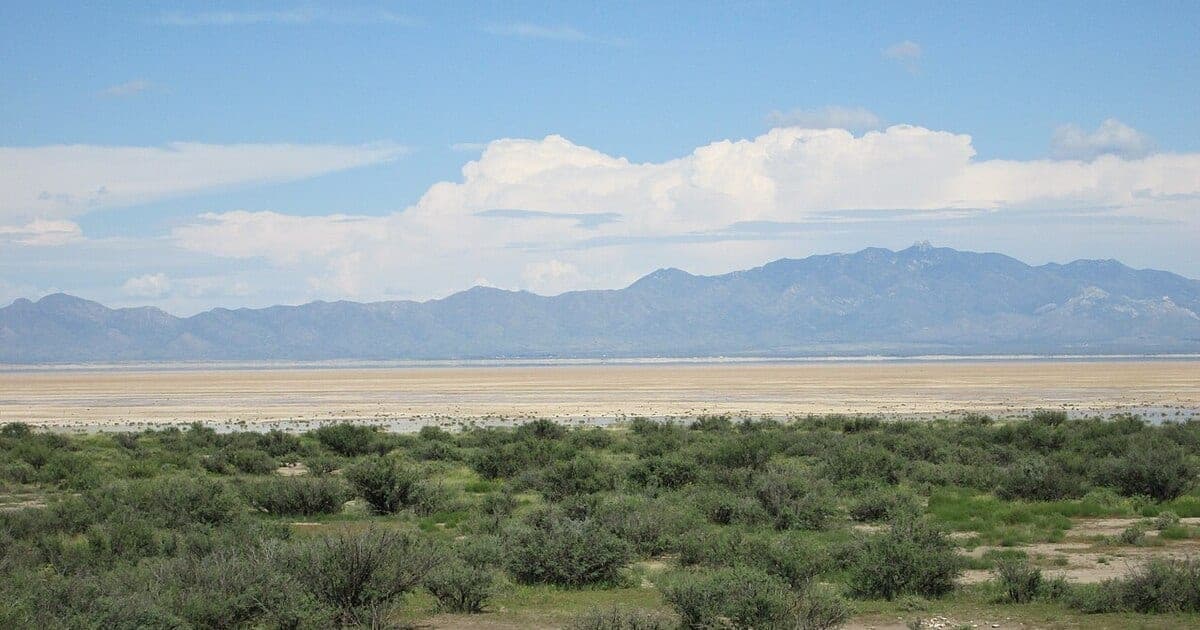
SpaceX wants to build the Cochise Supercomputer Campus on 747 acres along U.S. Highway 191. The land sits near the Willcox Playa, a dry lake bed about 80 miles east of Tucson.
The application was filed with Cochise County by Tombstone Resources LLC, an affiliate of SpaceX's data center arm. It asks for a special use authorization, which is the county's permission to use land in a way the zoning does not normally allow.
At a community meeting on November 4, a SpaceX executive removed any doubt about who is behind it. Riley Trettel, who leads energy and supercomputer development at SpaceX, said the company is the owner and, with approval, will build and own the project long term.
How big is it, really?
The campus would have up to nine data center buildings. Each one measures 493,000 square feet, which is a bit larger than eight football fields side by side.
The plan has four stages of about 1.5 gigawatts each. A gigawatt is a billion watts, roughly what a large power plant makes. At full build-out the campus would need up to 6 gigawatts.
- Site: 747 acres on two plots, bought from power companies.
- Buildings: nine, at 493,000 square feet each.
- Power: up to 6 gigawatts in four stages.
- Investment: Trettel put the total at up to $50 billion.
By the numbers: only two U.S. proposals are bigger, according to local reporting: a 9-gigawatt project in Utah and an 11-gigawatt project near Amarillo, Texas.
Can the local grid handle it?
Not as it stands. The proposed power seller, Sulphur Springs Valley Electric Cooperative, peaks at about 250 megawatts in summer. The first stage alone would need about six times that, and the full campus about 24 times.
That is why the grid is a big part of the plan. SpaceX says it will spend $3.6 billion on new transmission lines, which are the high-voltage wires that carry power over long distances. The lines would later be handed to Arizona Electric Power Cooperative at no cost to the cooperatives.
In real life Think of a small-town water pipe that suddenly has to feed a stadium. Someone has to lay a much bigger pipe first, and here SpaceX says it will pay for it.
Trettel put it plainly: "We are paying for everything, every single cent." The cooperative says the developer must fund every upgrade and is negotiating protections in case the project closes early or draws less power than requested.
Where will the power come from?
The site is next to the Apache Generating Station, a 626-megawatt plant that burns coal and natural gas and also uses solar. It had been marked for retirement by 2028 before it received nearly $21 million in federal upgrade funding this summer.
The plans also include two backup systems:
- Battery storage: a 24-gigawatt-hour system, which stores power so the campus draws steadily even when demand jumps around.
- Gas generators: 90 megawatts of gas-fired backup generators.
When the computing can start depends on the grid upgrades being finished. SpaceX says construction could begin in March 2027 if the county approves zoning.
What about water?
Water is usually the flashpoint in Arizona data center fights, so SpaceX led with it. The company says the campus would be dry-cooled. That means it uses air, not evaporating water, to carry heat away from the computers.
Trettel promised zero industrial water use for cooling, with the servers run hotter to avoid evaporation. No new well would be drilled in the Willcox groundwater basin.
The application estimates a one-time fill of 3 to 5 million gallons and 2 to 3 million gallons a year for sanitation. That is roughly what 20 to 30 Arizona homes use in a year. An existing well would supply drinking water, maintenance and equipment cleaning.
The catch: the numbers come from SpaceX's own application. The company has not yet said how much the whole project will cost in Arizona beyond the $50 billion ceiling Trettel gave.
What do residents say?
Hundreds of people packed the meeting at Cochise Elementary School. Many carried protest signs, and booing interrupted the presentation more than once. An online petition against the project had nearly 2,100 signatures by Thursday.
Residents asked about groundwater, electricity costs, wildlife, noise and what county officials knew before the project became public. Some were in favor. One attendee said, "We need AI centers. It's the future." Another said, "We don't know enough, therefore just say no."
SpaceX points to the upside. Trettel cited about 1,000 permanent jobs, about 3,000 construction jobs, $30 million to $100 million a year in property tax revenue and a one-time sales tax benefit of up to $450 million.
What about the cranes?
The site is a few thousand feet from the Willcox Playa, a wintering ground for sandhill cranes, which are federally protected birds. Arizona Game and Fish and the U.S. Fish and Wildlife Service will review the designs.
SpaceX says it would use low-profile buildings, downward-directed lighting and wildlife-friendly fencing.
Cochise County also adopted a dedicated data center zoning code in April. It sets standards for noise, water, decommissioning (taking a site apart when it closes) and financial guarantees if a project shuts early.
What is SpaceX's data center business?
SpaceX's data center arm, SpaceXAI, came from folding xAI into SpaceX. It runs a cluster around Memphis, with one site in Tennessee and the rest across the border in Mississippi.
That cluster runs Grok, the company's chatbot. It also sells computing capacity to customers that include Anthropic and Google.
Cochise would be the first campus outside Memphis and Texas. SpaceX announced a separate project in Texas on Monday that will cost about $24 billion. In Mississippi, environmental regulators found that SpaceXAI began construction on one data center without the permits it needed.
What's next: the Planning and Zoning Commission hearing is on December 9 at 2 p.m. in Bisbee. The county moved it up two hours to handle the expected crowd.
What it means for you
- If you live nearby: the December 9 hearing is where the zoning question gets decided, and the county takes public comment.
- If you pay an Arizona power bill: the co-op says the developer must fund the upgrades. Watch how the protections are written.
- If you use Grok, Claude or Google's AI: this kind of campus is where the computing behind them comes from, so these fights shape how fast it grows.
- If you follow AI: power, not chips alone, is now the limit. Counties are where gigawatt plans win or lose.
The bottom line
SpaceX wants to put a 6-gigawatt AI campus in the Arizona desert and says it will pay for the grid and skip the groundwater. Residents have real questions about power, wildlife and what comes next.
Nothing is built yet. A county vote on December 9 is the first real gate.
Key facts
- Site
- 747 acres near the Willcox Playa, Cochise County, Arizona
- Power at full build-out
- Up to 6 gigawatts
- Buildings
- Nine, each 493,000 sq ft
- Grid investment
- $3.6 billion in new transmission
- Zoning hearing
- December 9, 2026, 2 p.m.
Got questions?
Quick answers, plain wordsIs SpaceX really behind the Cochise County data center?
Yes. At a community meeting on November 4, Riley Trettel, who leads energy and supercomputer development at SpaceX, said SpaceX is the owner and, with approval, will be the builder and long-term owner.
How big is the proposed campus?
It covers 747 acres on two plots along U.S. Highway 191, near the Willcox Playa, about 80 miles east of Tucson. It would have up to nine data center buildings of 493,000 square feet each.
How much power would it use?
Up to 6 gigawatts, or 6,000 megawatts, at full build-out. It would arrive in four stages of about 1.5 gigawatts each, and the compute depends on grid upgrades being finished.
Will it use a lot of water?
SpaceX says no. The campus would be dry-cooled, with no new well in the Willcox groundwater basin. The application estimates a one-time fill of 3 to 5 million gallons and 2 to 3 million gallons a year for sanitation.
Who pays for the power lines?
SpaceX says it does. It plans to spend $3.6 billion on new transmission, later transferred to Arizona Electric Power Cooperative at no cost to the cooperatives. Trettel said, "We are paying for everything, every single cent."
When could construction start?
In March 2027, if the county approves zoning. The Planning and Zoning Commission holds a public hearing on December 9, 2026, at 2 p.m. in Bisbee.
How many jobs would it create?
Trettel said about 1,000 permanent jobs and about 3,000 construction jobs. He also cited $30 million to $100 million a year in property tax revenue.
Why are some residents worried?
Hundreds attended the meeting, many with protest signs. They asked about groundwater, electricity costs, wildlife and what county officials knew before the project became public.
Is this SpaceX's first data center?
No. Its data center arm, SpaceXAI, runs a cluster around Memphis that powers the Grok chatbot and sells computing capacity to Anthropic and Google. Cochise would be its first facility in Arizona.
SourcesData Center Dynamics
Topics and tagsData centers, Space tech, spacex, data centers
Go deeper
Earlier on this story
Related stories
Developer offers $10,000 checks to 4,500 households for a data center, gets rejected anyway
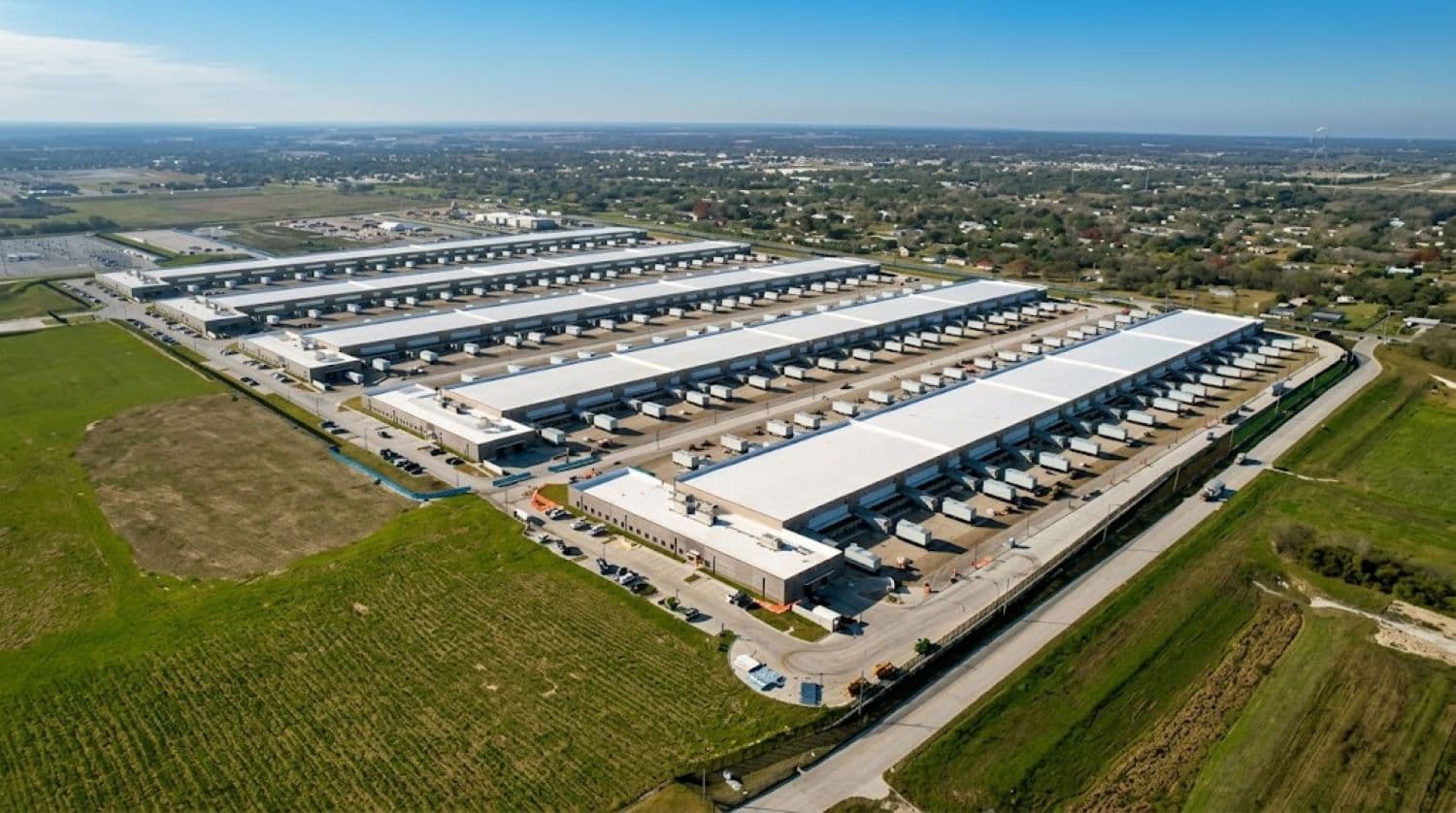
NorthPoint Development offered $10,000 checks to roughly 4,500 households near Hazle Township, Pennsylvania, if residents support its 1,300-acre data center, but locals are pushing back over noise, property values, and trust.

Yandex Cloud says 2.84% of customer data is gone for good after drone strikes
After drone attacks on three of its data centers in October, Yandex says it restored over 97% of customer data. The rest is lost, and backups will now be on by default.
AWS opens its first cloud region in Chile for early customers
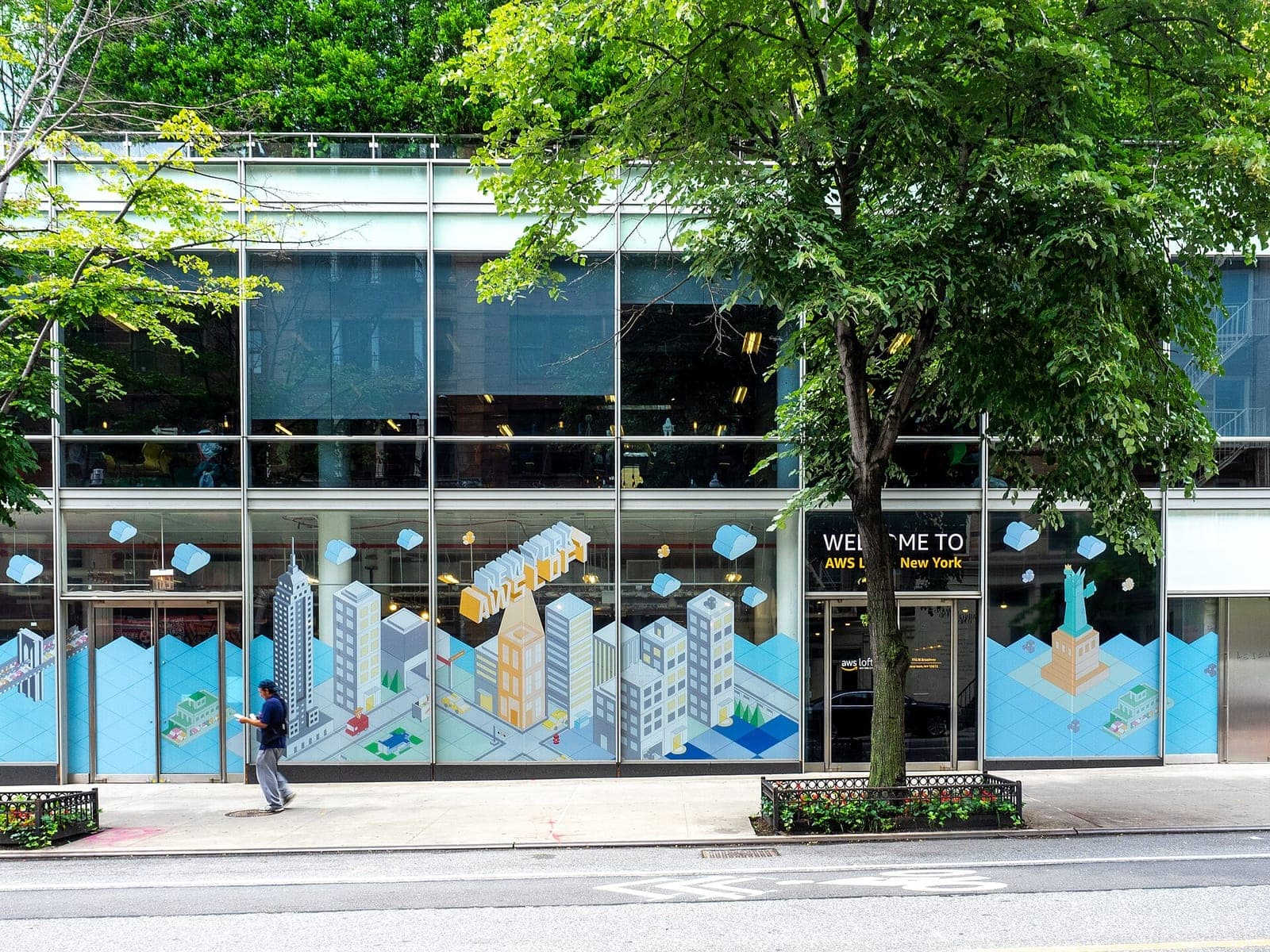
The Santiago region is live for a select group of customers, with general availability due by the end of 2026 and AI services promised within a year.
More in brief
- Tesla opens Cybercab orders at $29,990, plus $299 a month to drive itNov 14
- Apple Sports adds UFC with live stats for every fight on the cardNov 13
- LangChain raises $300 million at a $3 billion valuation for AI agentsNov 13
- SignDrop, a new Windows zero-day, gives attackers full System rightsNov 13
- Microsoft's AI Frontiers research group is over, says co-founder John LangfordNov 13
- BYD apologizes after wrong wheels ship on its Great Tang SUVNov 13