
Technology·News & analysis
Ericsson says ordinary 5G towers can now spot and track drones
Ericsson has introduced a system that uses existing mobile network sites to detect and follow small drones, even ones that never connect to the network.

Tide
Ripple
Sci-fi
6/10
Reality
Demo
Phone towers that quietly watch the sky.How we rate
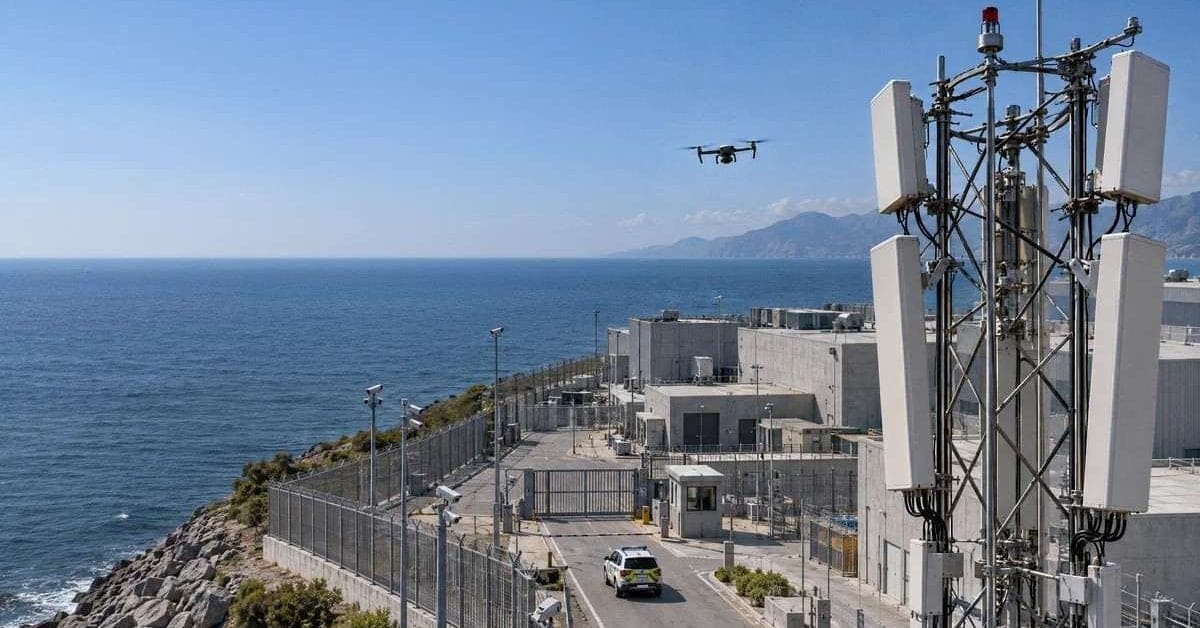
Ericsson introduced a system that turns existing 5G mobile towers into a wide-area drone detector.
It reads how radio signals bounce off moving objects, so drones that are not connected to any network can still be found and tracked in three dimensions. Ericsson says tests tracked micro drones at kilometer-scale distances, with live trials in Texas, Finland and Poland. Small commercial pilots with selected customers are expected to start in 2027, and broader deployments from 2028.
What to know
- Ericsson introduced the Ericsson ISAC System, which adds sensing to mobile networks so they can detect and track drones over wide areas.
- It works by reading how radio signals bounce off objects, so a drone does not need to be connected to the network or send its location.
- In tests, the system tracked micro drones at kilometer-scale distances with precise 3D positioning.
- Small commercial pilots with selected customers are expected in 2027, with wider deployments from 2028.
Ericsson introduced a system that turns ordinary 5G towers into a drone detector. Ericsson calls it the Ericsson ISAC System.
That's the news. Now the fun part: how does a tower built for phone calls end up watching the sky?
First, what is ISAC?
ISAC stands for Integrated Sensing and Communication. In plain words, it is a mobile network that does two jobs with the same radio waves: carry your data and sense what is around it.
Think of a bat. It sends out a sound and listens for the echo. A network that senses does something similar with radio waves instead of sound.
The system uses sensing-capable 5G radios, edge computing, AI and signal processing. Edge computing just means the number crunching happens close to the towers, not in a far away data center.
How can a tower spot a drone?
When a radio signal hits a flying object, some of it bounces back. The system studies those reflections to tell that something is there and where it is going.
Ericsson says it works as a multi-static system. That means the sending and the receiving are spread across several mobile network sites that sit far apart.
Why does that help? Because one site sees a drone from one side only. Several sites see it from many angles at once.
- Detection confidence: more angles mean fewer false alarms.
- Position: the system works out where the object is in three dimensions.
- Tracking: it keeps following the object as it moves across the coverage area.
The drone does not need to be connected to the network. It also does not need to broadcast its location. That matters because the drones that worry security teams are often the ones that stay quiet.
Why does this gap exist?
Small, cheap drones are now used for unlawful surveillance, organized crime, sabotage and warfare, Ericsson says. They fly low and they are small, so they are hard to see.
Dedicated sensors can find them. But putting one at every place you want to protect needs a lot of new equipment, and that is hard to scale over a big area.
In real life Picture a port, a power plant and a stadium in the same region. Instead of buying separate sensors for all three, the operator could lean on towers that are already standing nearby.
What did the tests show?
Ericsson says it ran validated tests over the past months. In them, the system reliably detected and tracked micro drones at kilometer-scale distances, with precise 3D positioning.
The tests covered different operating conditions, system setups and drone flight patterns. Ericsson adds a fair warning: real performance depends on the drone itself, its flight path, the terrain, the sensing geometry and the network setup.
There were also live 5G demonstrations in three places:
- Arlington, Texas: with AT&T, outside AT&T Stadium during a major global sporting event. Multiple drones flew at 300 to 400 feet. The system found them, located them and tracked their movement, including each drone's location, speed and height.
- Helsinki, Finland: with the public safety network operator Erillisverkot. Several 5G sites detected and tracked drones, which showed how sensing can support public safety and counter-drone work.
- Poland: with the mobile operator Play and the technology company Asseco. The setup paired Ericsson's radio sensing with Asseco's PUSZCZYK acoustic detection system, which listens for drones, to pin down low-flying ones more accurately.
By the numbers: in Texas the drones flew at 300 to 400 feet, which is the low airspace where small drones tend to hide.
Will it replace radar?
No, and Ericsson says so itself. The company describes the system as a layer that complements radar and other sensors.
Detection data can be shared through standard interfaces with authorized outside systems, such as security and command and control platforms. Combined with data from other sensors, it gives a fuller picture of what is happening overhead.
The big picture: Ericsson wants towers to be one more pair of eyes in a team, not the whole team. Freddie Sodergren, Ericsson's Global Head of Mission Critical Networks and Defense, said low-flying drones create a coverage gap that no single sensor can address.
Who would use it?
Ericsson lists four groups of possible users:
- Defense and public safety: watching borders, coastlines and strategic sites.
- Critical infrastructure: guarding ports, power plants and other vital places.
- Transport and industry: supporting safer work on roads, rail and industrial sites.
- Low-altitude economy: managing drone traffic, watching city airspace, and building digital twins, which are computer copies of a place, for smart city planning.
The AT&T and Ericsson team also pointed to the next major global sporting event in Los Angeles in 2028 as a place where this kind of work could matter.
What did AT&T say?
AT&T's Network CTO Yigal Elbaz said the work with Ericsson explores how wireless networks can add sensing to connectivity in ways that could support safer operations and smarter venues.
Dyon Agnew, who heads the AT&T customer unit at Ericsson Americas, called the Texas demo "a product roadmap in action". He said the idea is to use advanced 5G today and grow those abilities over time as the path to 6G becomes clearer.
Why it matters: AT&T and Ericsson also say that running sensing on radio signals the network already uses brings a cost advantage for nationwide coverage. Cost is the main reason a tower-based approach is interesting at all.
Is Ericsson the only one working on this?
No. Sensing has become a common idea in the telecom world. Mobile network sensing is already part of early 6G studies, and Ericsson is one of several network makers that have named sensing as an important part of 6G in their white papers.
Ericsson's analyst quote in the announcement points the same way. Joe Madden of Mobile Experts said mobile network sensing can perform far better than many expect, and that building on existing sites could deliver wide-area drone detection faster and more cheaply than putting up new dedicated sensors.
The 6G angle
Sensing is expected to be a part of 6G, the next generation of mobile networks. AT&T said the Texas demo showed that some things people think of as 6G can start to appear now through software, advanced radios and 5G.
Ericsson says the first version is sensing only. The communication part of the system will be added as the technology moves toward 6G.
What's next
The rollout comes in phases. Selected small-scale, sensing-only commercial pilots with chosen customers are expected to begin in 2027. Wider deployments are expected to follow in 2028.
For now, this is a technology that has passed tests and live demos. It is not a product you can buy off the shelf today.
Ericsson says its system can use towers, backhaul and spectrum that are already in place to track drones that never connect to the network. Backhaul is the link that carries a tower's traffic to the rest of the network, and spectrum is the set of radio frequencies the network is licensed to use.
What it means for you
- Safer big events: stadiums and other busy venues could get better warning about low-flying drones.
- No new gadgets for you: the sensing lives in the network, so there is nothing to install on your phone.
- Not yet: pilots start in 2027, so do not expect it at your local tower soon.
- Your drone: hobby drones that fly in allowed airspace are not what this is aimed at, but a system like this could see them too.
The bottom line
Ericsson says the mobile network can double as a wide-area drone watcher, using towers that are already built. Tests and live demos in Texas, Finland and Poland back the idea, and pilots start in 2027.
The real test will be how well it works at scale, outside a demo, and how it fits next to radar and other sensors.
Key facts
- System
- Ericsson ISAC System (Integrated Sensing and Communication)
- What it detects
- Drones and other moving objects, even unconnected ones
- Tested range
- Micro drones at kilometer-scale distances
- First pilots
- 2027, with wider deployments from 2028
Got questions?
Quick answers, plain wordsWhat is the Ericsson ISAC System?
It is a system that adds sensing to a mobile network. ISAC stands for Integrated Sensing and Communication. It lets towers detect and track moving objects such as drones.
Does a drone have to connect to the network to be seen?
No. Ericsson says the system finds objects that are not connected to the network by analyzing how radio signals are reflected by them.
How does a cell tower find a drone?
Towers send out radio signals. When a signal hits a drone, part of it bounces back. Several sites listen from different angles and combine what they hear to work out where the drone is.
What does multi-static mean?
It means sending and receiving the sensing signals happens at several separate sites instead of one. Seeing an object from many angles makes the result more accurate.
Does this replace radar?
No. Ericsson says it complements radar and other sensors. Dedicated sensors stay important for protecting critical sites.
When will it be available?
Ericsson expects small, sensing-only commercial pilots with selected customers in 2027, followed by broader deployments from 2028.
Where has it been tested?
Ericsson ran live 5G demonstrations with AT&T in Arlington, Texas, with Erillisverkot in Helsinki, and with Play and Asseco in Poland.
Who is it for?
Ericsson names defense and public safety teams, operators of critical infrastructure such as ports and power plants, and transport and industry users.
Does it need 6G?
No. The first version runs on 5G radios. Ericsson says the communication side of the system will be added as the technology moves toward 6G.
SourcesEricsson
Related stories
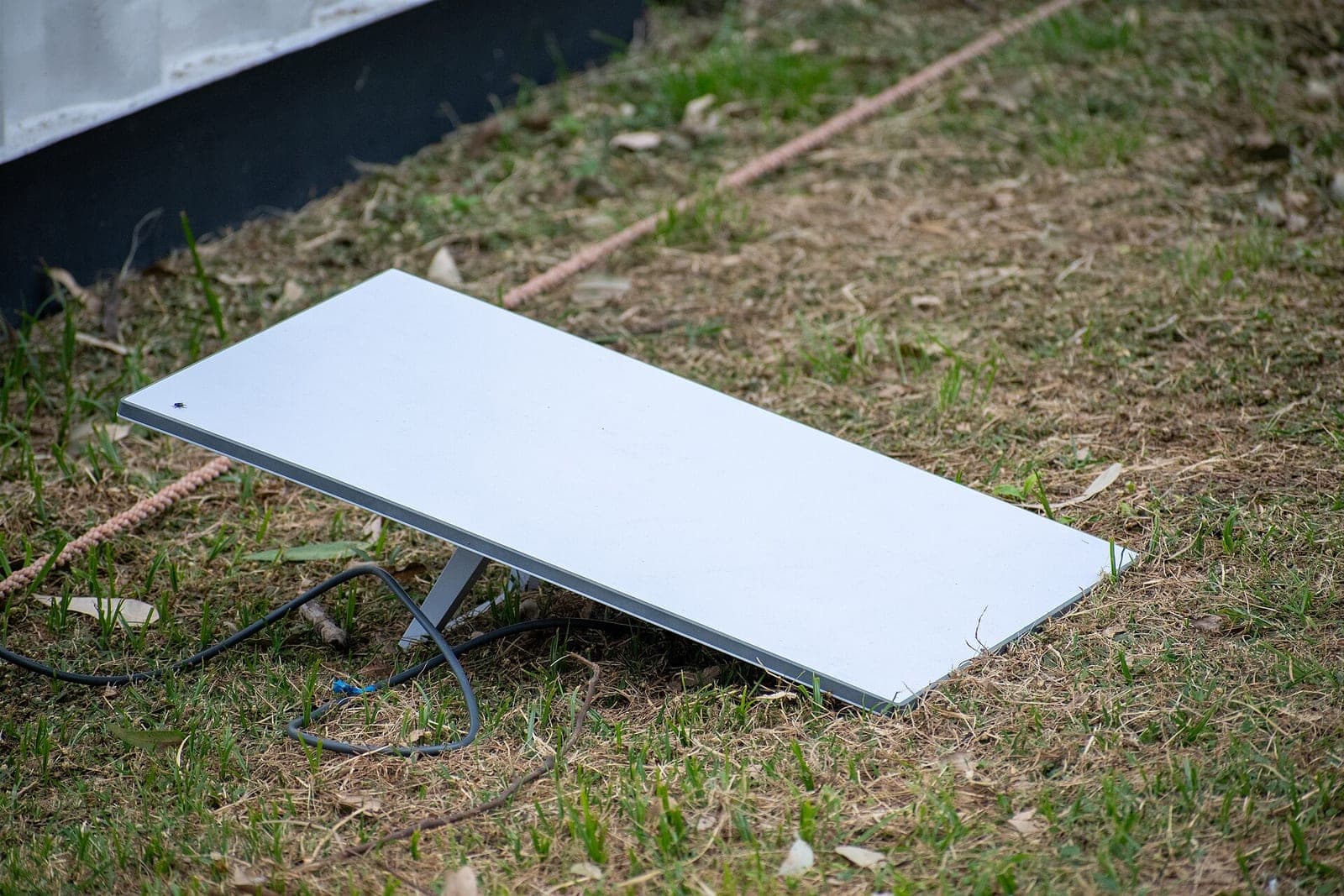
SpaceX picks Qualcomm chips for Starlink Mobile's US 5G network
Qualcomm will supply the radio and processing chips for tens of thousands of Starlink Mobile cell sites across the US, with the first ones going up in 2027.

YouTube is going back on the Billboard charts in 2027
YouTube will share its streaming data with Billboard again from January 2027, after Billboard made free, ad-supported streams count for more.

Windows 11 tests a way to switch off the Sticky Keys popup for good
Microsoft is adding a checkbox to the Sticky Keys and Filter Keys popups so you can stop them from coming back. It is in test builds now, about 31 years after the dialog first appeared.
More in brief
- Apple starts selling $50 packs for extra Apple Intelligence useNov 9
- US regulators question whether Waymo's school bus fix workedNov 9
- NVIDIA unveils GR00T 2 and Isaac Lab 3.0 to teach robots delicate workNov 9
- Tesla launches its robotaxi service in San Antonio, its eighth cityNov 9
- Coinbase gets its federal trust bank charter, but no savings accountsNov 9
- Google's new AI chips keep your data locked, even while they work on itNov 9