
Technology·News & analysis
SpaceX picks Qualcomm chips for Starlink Mobile's US 5G network
Qualcomm will supply the radio and processing chips for tens of thousands of Starlink Mobile cell sites across the US, with the first ones going up in 2027.

Tide
Wave
Sci-fi
5/10
Reality
Demo
A phone carrier that also owns the sky.How we rate
Qualcomm announced that SpaceX picked its Dragonwing chips to power Starlink Mobile's nationwide 5G network.
The multi-year deal covers tens of thousands of US cell sites, using radio units and processors built for high capacity and low power use. Rollout is planned to begin in 2027. It is the clearest sign yet that SpaceX plans to build real towers, not only satellites, to compete with AT&T, Verizon and T-Mobile.
What to know
- Qualcomm announced that SpaceX chose its Dragonwing cellular infrastructure for Starlink Mobile's nationwide US 5G network.
- The multi-year deal covers tens of thousands of cell sites, and rollout is planned to begin in 2027.
- Two Qualcomm chip platforms are involved: the QRU100 for radio units and the QDU100 for processing.
- SpaceX wants Starlink Mobile to become a major US carrier, but it still has far less spectrum than the big three.
SpaceX is about to build cell towers, and it just picked who supplies the chips. The company wants Starlink Mobile to become a major US carrier, and now it has a supplier for the ground network.
Qualcomm announced on Wednesday, November 4, that SpaceX selected its Dragonwing cellular infrastructure to power Starlink Mobile's nationwide 5G network in the US. So how big is this, and what is still missing?
What exactly was announced?
The deal: a multi-year agreement that covers tens of thousands of base station sites. A base station is the equipment on a tower or rooftop that talks to your phone.
The timing: rollout is planned to begin in 2027.
The money: nobody has shared a price or a total value.
Qualcomm's own words were short and upbeat. Durga Malladi, an executive vice president at Qualcomm, said: "Together with SpaceX, we are building world-leading cellular infrastructure in the United States, advancing 5G today." He added that the two companies have a chance to "lay the foundation" for 6G in the coming years.
What chips is SpaceX getting?
Two Qualcomm platforms are named in the deal. Each does a different job at a cell site.
- QRU100: a chip platform for the radio unit, the box that sends and receives radio signals at the tower.
- QDU100: a chip platform for the processing behind it, the part that handles fast, time-sensitive work on those signals.
Starlink Mobile will use radio units with 64 transmit and 64 receive paths, usually written 64T64R. This design is called Massive MIMO. Think of it as a radio with many small antennas working together, so it can serve many phones at once and point its signal at each one.
Qualcomm says the two platforms together are built to get more performance from each watt of power. That matters when you have tens of thousands of sites, because many towers have strict power limits and every watt adds up.
Why does SpaceX need towers at all?
Starlink Mobile started as a way to connect phones to satellites. In the US it works with a partner carrier, T-Mobile, to offer limited coverage where there are no towers.
SpaceX now wants more. It has said it wants to combine satellites and ground equipment to become a "major" US carrier, competing with T-Mobile, AT&T and Verizon.
Satellites are great for remote places. They are harder to use for crowded cities, where thousands of people want fast data in the same spot. A tower close to the phone can carry much more traffic than a satellite far above it.
In real life Picture a stadium on game night. A satellite is like one very tall radio mast covering the whole county. Towers and small cells are like having a signal in every section of the stands.
Does SpaceX have the airwaves for this?
Radio signals travel on slices of the radio spectrum, and carriers pay billions for them. SpaceX has been buying.
- EchoStar spectrum: about 65 megahertz, bought for more than $10 billion, which SpaceX says gives Starlink a "massive increase in capability."
- Low-band spectrum: up to 14 megahertz of paired spectrum in the 800 megahertz band. SpaceX describes it as a new coverage layer that helps signals get through walls. It still needs final FCC approval.
- Satellites: the FCC has approved 15,000 second-generation Starlink Mobile satellites, which SpaceX says will offer 100 times the bandwidth of the current generation.
The catch: the big three carriers usually hold hundreds of megahertz. Analysts have said 65 megahertz may not be enough to serve a large number of customers with fast speeds.
What are the doubts?
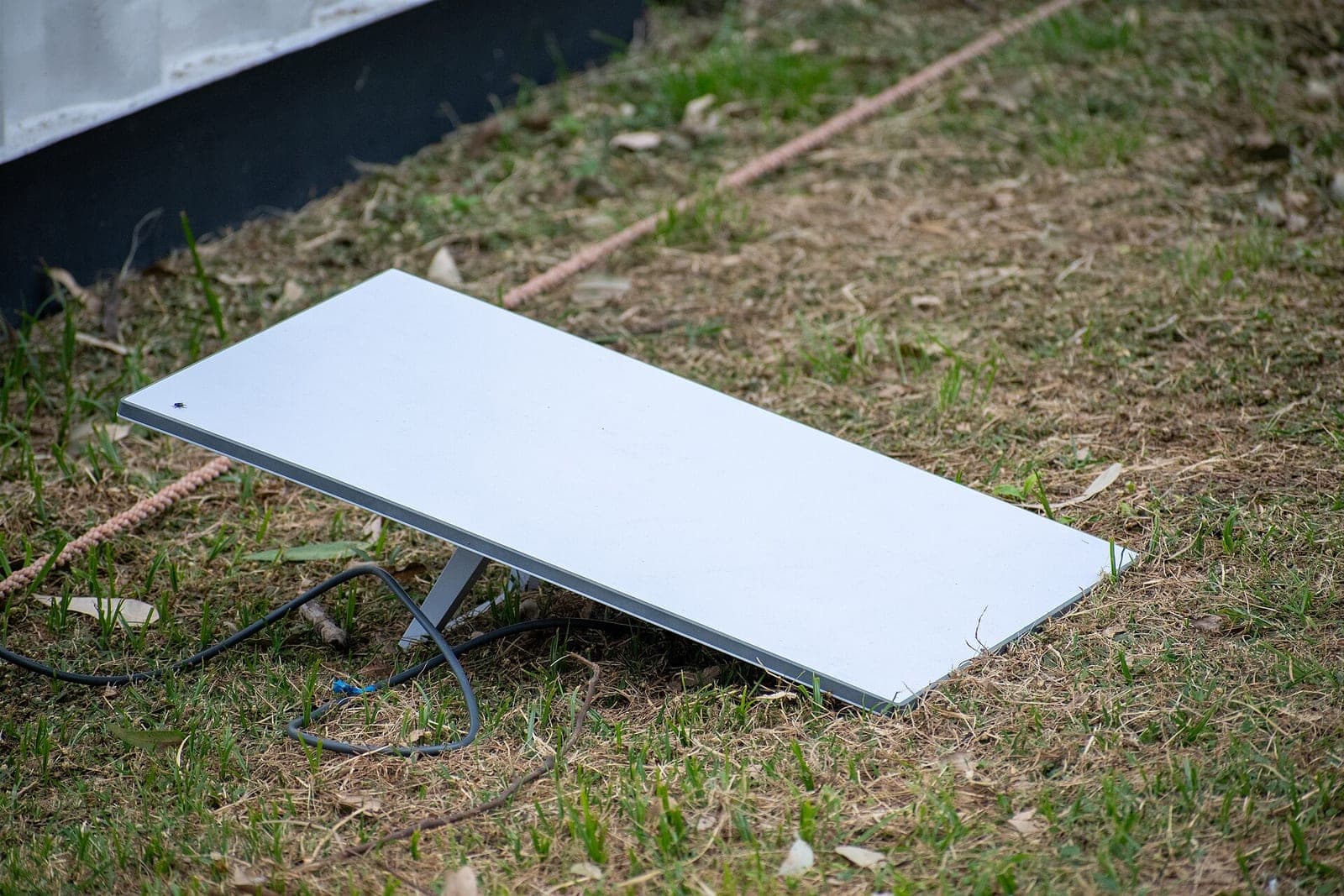
Before the Qualcomm deal, SpaceX executives described a different, lighter plan. They talked about small stations that are really Starlink dishes, the white panels on many roofs, that also send mobile signals.
Elon Musk said the company feels "reasonably confident" it can deploy a large number of such small stations. Analysts have pushed back on that idea, saying it is not yet clear how it would work at scale.
Tens of thousands of Qualcomm-powered base stations sound like a more traditional approach. SpaceX has not explained how the two ideas fit together, or how many sites will be big towers and how many will be small cells.
What's next: SpaceX has not said which cities come first or when the first phone customers could connect to the new network.
Has Qualcomm done this before?
Dragonwing is Qualcomm's brand for its cellular infrastructure chips. Reports on the deal say the platform has been deployed in places like Asia, but has been less used in the US.
That makes this a notable win. A nationwide US build with tens of thousands of sites is a showcase customer for a company best known for phone chips.
One detail is still unclear. The QDU100 handles low-level processing, and Qualcomm appears to supply the software for that layer. The software that sits above it seems to come from somewhere else, and the companies have not said who.
Qualcomm has been busy elsewhere this fall. We covered its patent deal with Huawei a few weeks ago.
How fast can a network like this grow?
Not very fast. Building ground equipment takes land, permits, power and crews, which is a big reason most US mobile service still runs through the big three carriers.
That is why some observers have said SpaceX could go one of two ways. It could sign a deal with the major carriers and act as a virtual operator, one that rents their networks, in the short term. Or it could wait much longer for a true Starlink Mobile launch.
The Qualcomm order points to the second path, at least in part. You do not order chips for tens of thousands of sites if you plan to rent everyone else's towers forever.
What does SpaceX already have in place?
SpaceX is not starting from nothing. Starlink has more than 10,000 satellites in orbit, and its home internet dishes are already on the roofs of many houses and businesses.
Starlink also already offers a direct-to-phone text service that works through satellites. Together, those pieces show that satellites can handle real everyday uses.
What SpaceX has not shown yet is a full mobile network that can carry calls, video and apps for millions of people. That is the gap the new towers are meant to close.
Is there a Boost Mobile angle?
Maybe. Reports have suggested SpaceX was exploring a purchase of Boost Mobile, a US carrier that already has customers and a network. Neither company has confirmed this.
If it happened, it would give Starlink Mobile subscribers on day one, rather than starting from zero in 2027. For now, treat it as a rumor.
What it means for you
- Not yet: you cannot switch to a Starlink Mobile tower network today. The first sites are planned for 2027.
- More choice later: if SpaceX succeeds, the US could get a new major carrier with satellite backup built in.
- Dead zones: the plan is meant to fix places where towers do not reach, such as highways, farms and parks.
- Watch the prices: nothing has been said about plans or prices, so there is nothing to compare yet.
The bottom line
SpaceX now has a supplier for the ground half of Starlink Mobile, and the order is large: tens of thousands of sites. That makes the plan feel much more real.
It is still a plan. The first sites are a year or more away, and the spectrum, approvals and customers are all open questions.
Key facts
- Announced
- November 4, 2026
- Supplier
- Qualcomm Dragonwing QRU100 and QDU100
- Scale
- Tens of thousands of cell sites
- Rollout start
- 2027
- Contract length
- Multi-year, value not disclosed
Got questions?
Quick answers, plain wordsWhat did SpaceX and Qualcomm announce?
Qualcomm said SpaceX selected its Dragonwing cellular infrastructure platforms to power Starlink Mobile's nationwide terrestrial 5G network in the US. The agreement is multi-year and covers tens of thousands of base station sites.
When will the network be built?
The first deployments are planned for 2027. Because the plan involves tens of thousands of sites, covering the whole country will take longer than that.
What is Starlink Mobile?
It is SpaceX's mobile service. Today it connects phones to satellites, and in the US it runs in partnership with T-Mobile. SpaceX now wants to add its own ground network and become a major carrier.
What are the QRU100 and QDU100?
They are Qualcomm chip platforms for 5G networks. The QRU100 powers radio units, the boxes that send and receive signals at the tower. The QDU100 handles fast, time-sensitive processing of those signals.
What does 64T64R mean?
It means 64 transmit paths and 64 receive paths. A radio unit with that many paths can serve many phones at once and aim signals at them, which raises capacity.
How much is the deal worth?
The value has not been disclosed. Only the length (multi-year), the scale (tens of thousands of sites) and the 2027 start have been shared.
Is Starlink Mobile a fourth major US carrier now?
Not yet. SpaceX says it wants to become a major carrier, but the network does not exist, and the first sites are not due until 2027.
Does SpaceX have the spectrum to compete?
It holds about 65 megahertz bought from EchoStar for more than $10 billion, plus up to 14 megahertz of paired 800 megahertz spectrum that still needs final FCC approval. Big carriers hold hundreds of megahertz, so analysts question whether that is enough.
Will my phone need to change?
Nothing has been announced about phones. The 800 megahertz band is one that existing phones already support, according to reports on SpaceX's plans.
SourcesQualcomm
Related stories
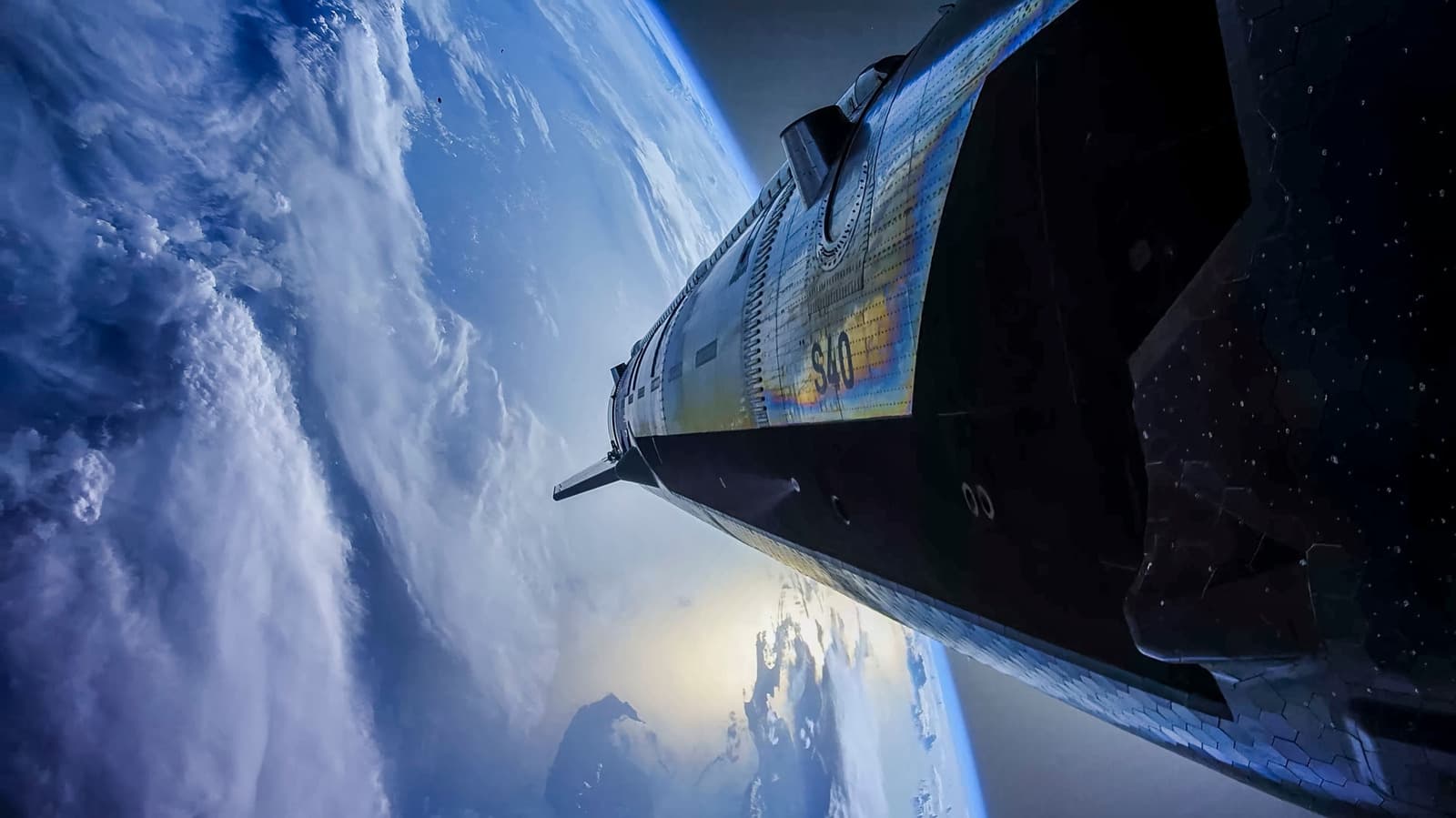
SpaceX's Starship reaches orbit for the first time, despite losing an engine
SpaceX's Starship reached Earth orbit for the first time on its 14th test flight, deploying 26 Starlink satellites despite one of its engines shutting down early.

Tesla reveals the new Roadster, and the top version can lift off the ground
Nine years after the first reveal, Tesla showed the second-generation Roadster in Texas with SpaceX cold-gas thrusters, three trims, $50,000 reservations and production planned for 2028.
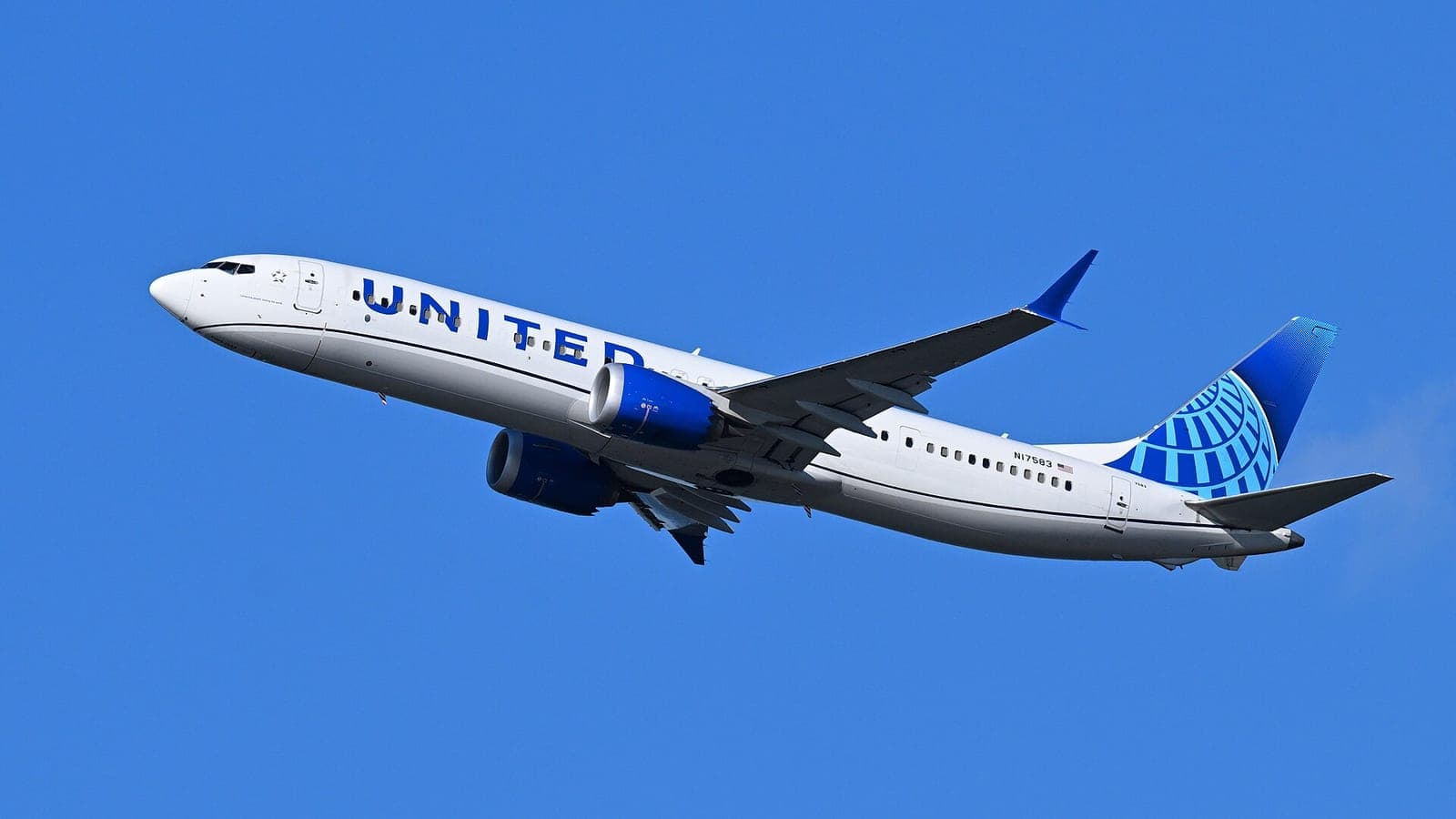
United now lets you check if your flight has Starlink Wi-Fi
United launched a tracker that shows whether your plane has Starlink, and says nearly half of its daily departures already have the satellite Wi-Fi.
More in brief
- Suspected Russian hackers used old iPhone and Android bugs on fake sitesNov 5
- Tencent's Hy4 can now see images and operate a computerNov 5
- VMware brings back a low-cost server product called vSphere ExpressNov 4
- Microsoft says Windows 11 now runs up to 40% faster on 8 GB PCsNov 4
- Enough Phone brings a 5.3-inch Android phone to KickstarterNov 4
- Google will switch off AI and Search for school accounts until schools opt inNov 3