
Robots·News & analysis
Amazon's Ring launches a $249.99 indoor security drone and a $999.99 patrol robot
Ring Robotics debuts with the Drone Cam, a flying indoor camera, and the Rover Cam, a security robot for businesses. Both run on a cloud system called AI Pilot.

Tide
Wave
Sci-fi
7/10
Reality
Shipping
A tiny night watchman that flies itself home to charge.How we rate
Amazon's Ring launched Ring Robotics, a new line of autonomous security devices, with a $249.99 indoor flying camera called the Drone Cam and a $999.99 patrol robot for businesses called the Rover Cam.
Both are guided by AI Pilot, a cloud-based system that maps rooms and steers around obstacles. The Rover Cam ships December 16, 2026, and the Drone Cam ships January 27, 2027, once it receives federal radio authorization.
What to know
- Ring launched Ring Robotics, a new category of autonomous security devices, with two products: the Drone Cam and the Rover Cam.
- The Ring Drone Cam is a flying indoor camera that costs $249.99 and starts shipping in the US on January 27, 2027, pending FCC authorization.
- The Ring Rover Cam is a $999.99 patrol robot for businesses, built from the Amazon Astro, and ships December 16, 2026.
- Both devices are guided by AI Pilot, a system that does most of its thinking in the cloud, and both use Ring's TAKE encryption.
Ring just announced two robots, and one of them flies. The company, which Amazon owns, launched Ring Robotics, a new line of devices that patrol on their own instead of sitting on a wall.
That's the news. Now the fun question: why did a flying camera that was first shown years ago take this long to reach a store shelf?
What did Ring actually launch?
Amazon announced two products under the new Ring Robotics name. Ring calls it "a new category of autonomous, mobile security": devices that patrol, investigate and respond by themselves.
- Ring Drone Cam: a small flying indoor camera for homes. It costs $249.99 and starts shipping in the US on January 27, 2027.
- Ring Rover Cam: a wheeled security robot made for businesses. It costs $999.99 and starts shipping in the US on December 16, 2026.
Both can be controlled from the Ring app you may already use. They also work with Ring cameras, doorbells, sensors and alarms. A compatible Ring Protect plan, which is a paid subscription, is needed for some features.
How does the Drone Cam work?
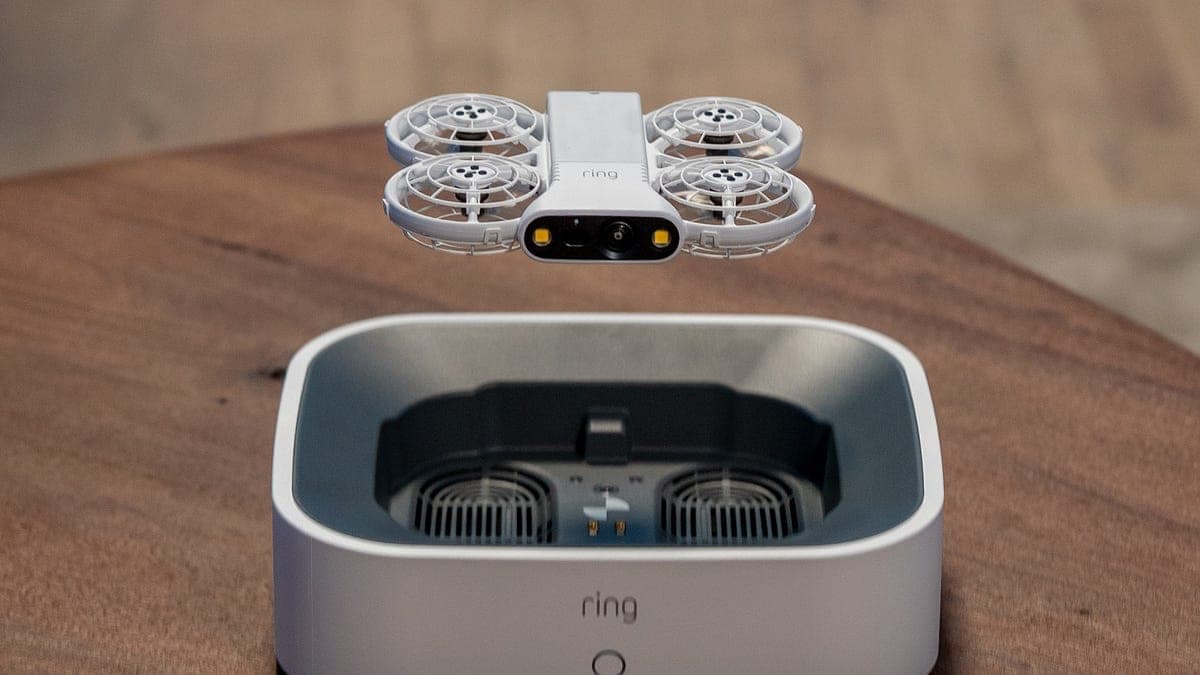
The Drone Cam is a tiny quadcopter, a drone with four spinning rotors. Each rotor sits inside a protective cage. It has a 2K camera on the front with two small LED lights, and a second camera on the underside.
When it is not flying, it sits in a square dock. The dock powers it down and turns the camera off. It wakes up only when a flight starts.
You can set it up in a few ways:
- Routes and schedules: pick a path, pick a time, and the drone flies it on its own. You can also send it out whenever you like.
- Incident response: if a Ring camera, sensor or alarm trips, the drone flies to the spot you chose ahead of time to take a look.
- Wide view: the camera sees a 148 degree field of view and can rotate 360 degrees.
- Night flying: the two LED lights switch on in low light, so the video stays clear.
In real life you leave for the weekend and send the drone on one last sweep to check the windows are shut. If a leak sensor in the basement goes off at night, it can fly down and show you what is happening.
What is AI Pilot, and why does it matter?
AI Pilot is the system that steers both robots. Ring describes it as a mix of the device's cameras, special vision models (AI programs trained to understand images), on-device sensors and cloud processing, which means the heavy thinking happens on Amazon's remote computers.
Setup is simple. You carry the drone through your space, or let the Rover explore by itself. The system turns what it sees into a floor plan, finds the rooms and suggests patrol points, such as a side door, a window or a long hallway.
When a flight starts, AI Pilot plans the quickest route. It then reacts in real time and steers around furniture and other obstacles.
The big picture: the cloud is the whole trick. Ring's founder, Jamie Siminoff, said earlier versions were simply not good enough to sell. Adding sensors and computing power made the drone heavier, so it had to "fly harder," and that raised safety worries and called for bigger guards around the rotors.
Why did this take so long?
Siminoff says Ring has worked on a drone idea since 2016, two years before Amazon bought the company. After the first home drone was announced, the company put units in boxes but never shipped them. Siminoff says they "just didn't work well enough."
Keeping everything on the drone would have pushed the price past $5,000, he said. That is not a consumer product.
Moving the thinking to the cloud fixed the weight and the price. The drone mostly sends video up and gets directions back. Siminoff has said the only smart thing on the drone itself is just enough to land.
The catch: if the drone loses its Wi-Fi connection, it is built to land. It will also land or return to its dock when the battery runs low. Flights last only a few minutes, and a short charge in the dock buys back some flying time.
What is the Rover Cam, and who is it for?
The Rover Cam is the grown-up sibling. It is built for small and mid-size businesses, such as shops and warehouses, and it looks familiar because it grew out of Amazon's Astro home robot. Ring says Astro owners loved roving security the most, so the team built a robot with that one job.
It does more than the drone:
- Cameras: it streams and records in up to 4K, even while it moves between stops, not only when it arrives.
- Periscope: an adjustable mast lifts the camera up to about 4 feet so it can see over counters and shelves.
- Deterrence: a built-in siren and a bright light tower make it obvious that someone has been spotted.
- Talk and listen: two-way audio lets you speak to people through the robot from your phone.
- Always alert: even when docked, it watches for people and starts recording the moment it sees motion.
In real life a shop owner schedules a sweep after closing time. At 2 a.m. a sensor trips, the robot rolls over, and the owner watches the video on a phone.
What about privacy?
A flying camera inside a home raises obvious questions, and Ring answers them up front. It says privacy is the default for both devices.
- Drone: powers down in its dock with its camera off, and records only when a flight is triggered.
- Rover: a Sleep Mode retracts the periscope and turns off the microphone with one tap.
- Lights: both devices have LED indicators, and the Rover also tells you on its screen when it is recording.
- Encryption: video is protected by TAKE, short for Throw Away the Key Encryption, which Ring calls its strongest default encryption yet. Encryption scrambles video so only the right people can watch it.
Ring also says both robots are "designed to be seen and heard." The drone's propellers are not quiet. That is partly the point: a flying light and a siren tell a visitor that they have been noticed.
What is still unknown?
Amazon's own notice says the Drone Cam has not yet been authorized by the Federal Communications Commission, the US agency that approves radio devices. Until it is, the drone cannot be offered for sale. The January date depends on that step.
Reviewers who saw demos also raised practical doubts. The drone is loud, flights are short, and it needs open doors to reach every room. One tester pointed out that a slow drone may arrive late if a break-in happens on the far side of the house.
What's next: the Alexa Home Map, a 3D view of your home that works with both robots, is due on December 16, the same day as the Rover Cam. Home drones are not the only flying robots in the news: see our story on DoorDash's drone delivery plans.
What it means for you
- Home users: the Drone Cam is the one to watch. It costs $249.99, but plan for a possible subscription and a January wait.
- Business owners: the Rover Cam is available to pre-order now, and ships on December 16.
- Privacy-minded buyers: read how recording works and where you will place the dock before you buy.
- Pet owners: a loud flying gadget may take your pets some time to get used to.
The bottom line
Ring has turned a long-promised flying camera into a real product with a price and a date. The trick was moving the thinking to the cloud, so the drone could be light and cheap.
The Rover Cam gives businesses a patrol robot with a siren. Whether people want robots roaming their rooms is the next question, and we will find out in early 2027.
Key facts
- Ring Drone Cam
- $249.99, ships January 27, 2027
- Ring Rover Cam
- $999.99, ships December 16, 2026
- Drone video
- 2K, 148 degree field of view
- Rover video
- Up to 4K, siren, two-way audio
- Brain
- AI Pilot, mostly in the cloud
Got questions?
Quick answers, plain wordsHow much does the Ring Drone Cam cost?
The Ring Drone Cam costs $249.99. Some Ring security features need a compatible Ring Protect plan, which is a separate subscription.
When can you buy the Ring Drone Cam?
Ring says it begins shipping to US customers on January 27, 2027. Amazon notes that the drone still needs authorization from the Federal Communications Commission and can't be sold until it gets it.
What is the Ring Rover Cam?
It is a security robot for businesses. It patrols on a schedule, investigates when a sensor trips, streams video in up to 4K, and has a siren, a speaker and a microphone.
How much is the Ring Rover Cam and when does it ship?
It costs $999.99 and begins shipping to US customers on December 16, 2026.
What is AI Pilot?
AI Pilot is Ring's navigation system. It uses the device's cameras and sensors, vision models and cloud processing to build a floor plan, suggest patrol points and steer around obstacles.
How long can the Ring Drone Cam fly?
A flight lasts only a few minutes on one charge, depending on how high it flies. It lands or returns to its dock when the battery runs low, and a short charge in the dock gives it more flight time.
What happens if the Drone Cam loses its Wi-Fi?
It is designed to land. Ring's founder says the only intelligence on the drone itself is just enough to land safely, so it waits for a connection or sets down.
Is the Ring Drone Cam recording all the time?
No. Ring says the drone powers down in its dock with its camera off and starts recording only when a flight is triggered.
Do the Drone Cam and Rover Cam work with other Ring devices?
Yes. Ring says they work with the Ring cameras, doorbells, sensors and alarms you may already own, in the same app, and with the new Alexa Home Map.
SourcesAmazon
Topics and tagsAmazon, ring, amazon, drones
Go deeper
Related stories
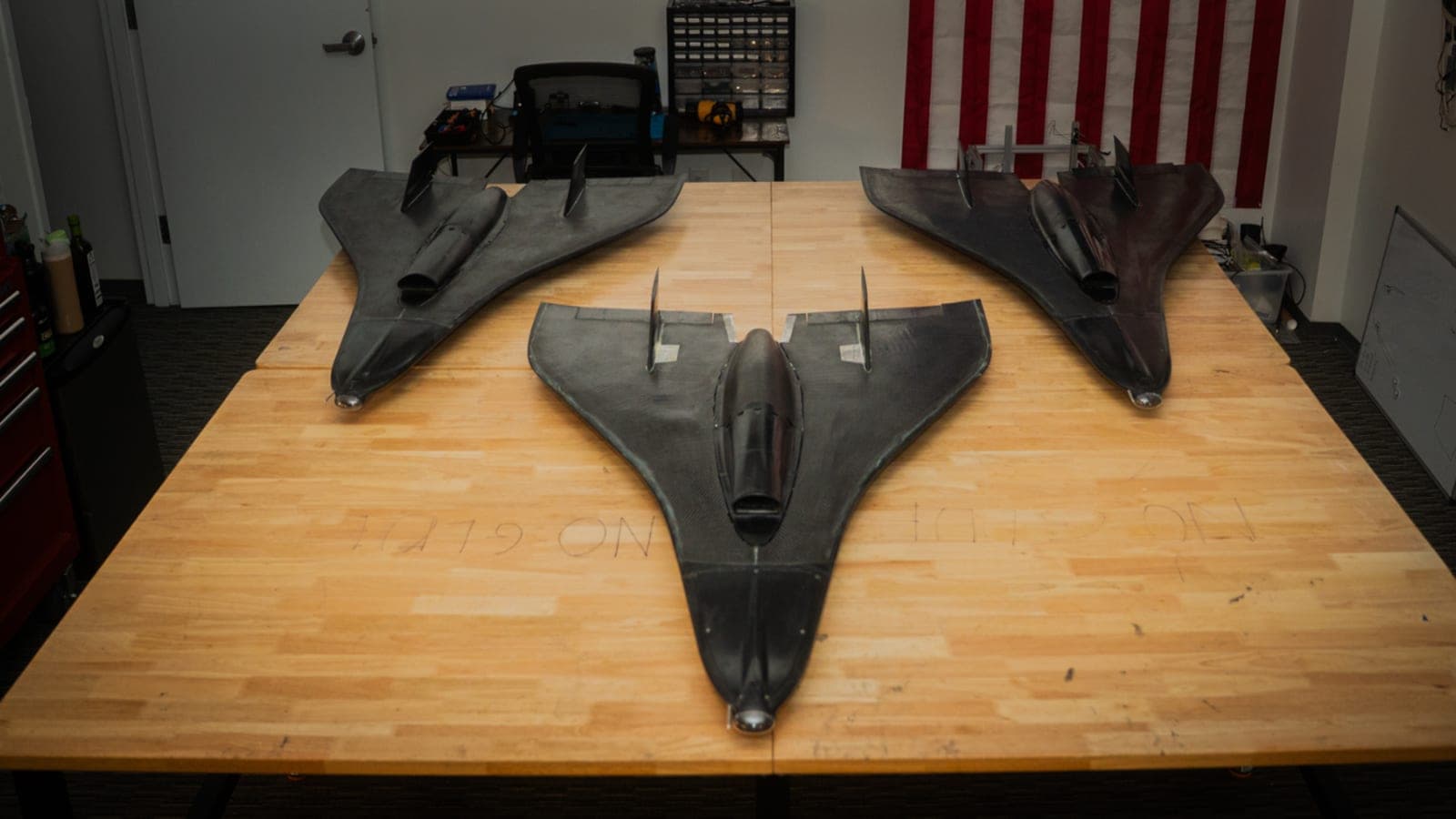
A Georgia Tech student says his dorm-built jet hit 491 mph
Tomas Salvo says his $13,000 Reaper jet aircraft beat the 465 mph radio-controlled record. Nobody has verified it yet.
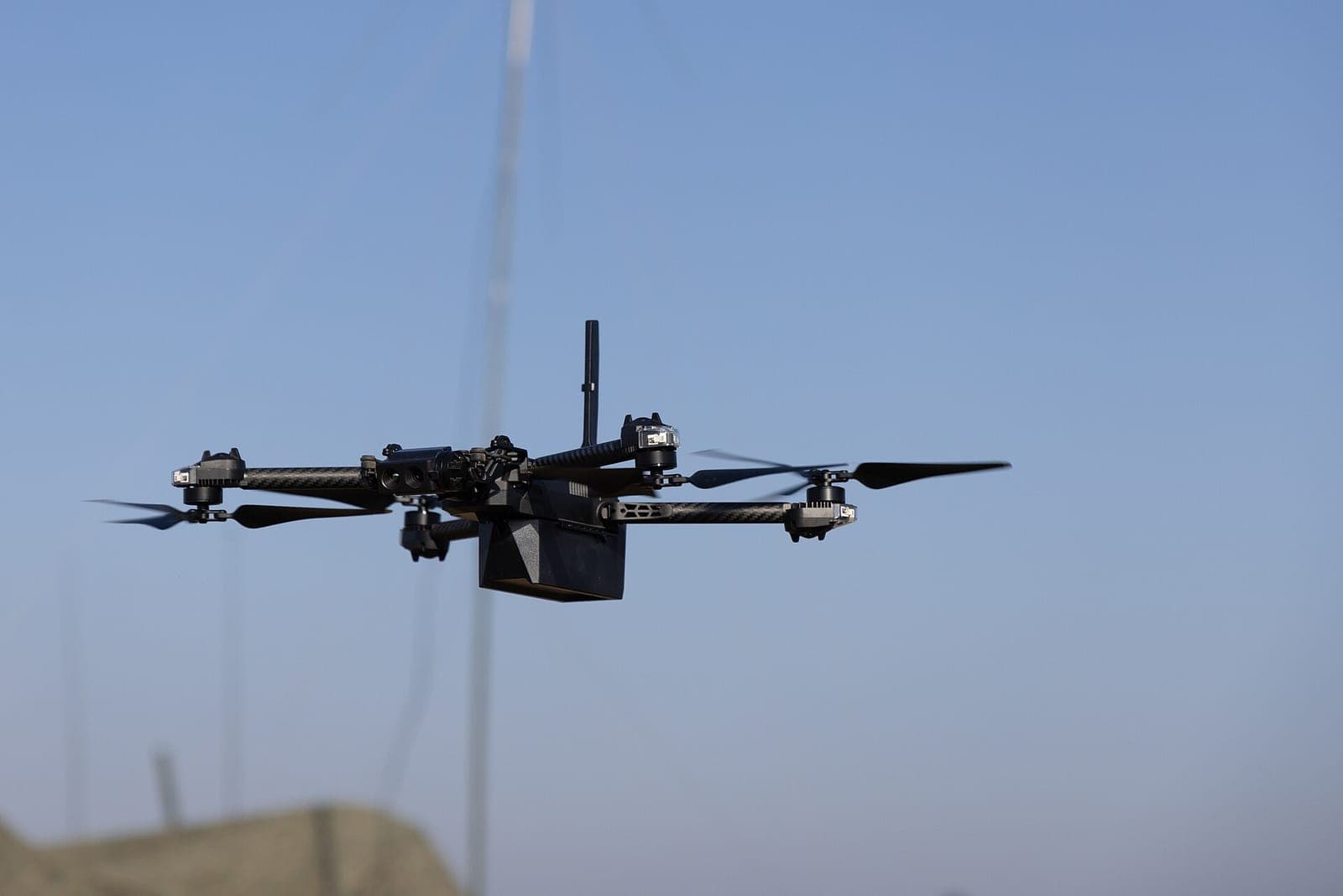
Axon invests $1.2 billion in Skydio and becomes its exclusive police drone seller
Axon's largest investment ever lifts its stake in drone maker Skydio to 37% and makes Axon the only seller of Skydio drones to police in the US and Canada.
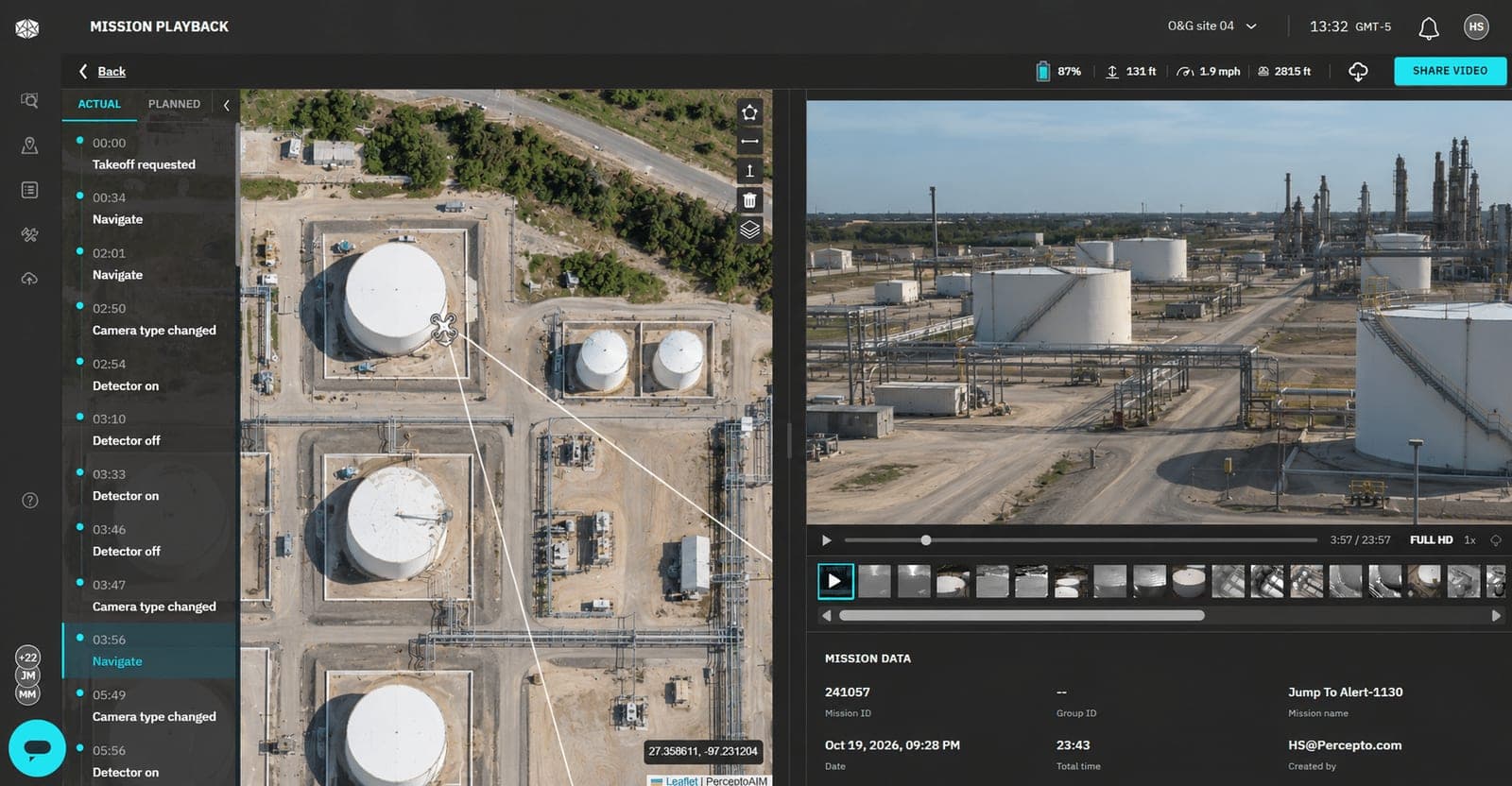
Percepto launches Axion, AI that reads inspection data from any drone
Percepto, the drone-in-a-box maker, is selling its inspection AI as software that works with other companies' drones and sensors.
More in brief
- Waze will now warn drivers when a Garmin cyclist is nearbyNov 10
- A satellite in orbit played Doom after hearing a human voiceNov 10
- YouTube is going back on the Billboard charts in 2027Nov 9
- Apple starts selling $50 packs for extra Apple Intelligence useNov 9
- Windows 11 tests a way to switch off the Sticky Keys popup for goodNov 9
- US regulators question whether Waymo's school bus fix workedNov 9