
Robots·News & analysis
Axon invests $1.2 billion in Skydio and becomes its exclusive police drone seller
Axon's largest investment ever lifts its stake in drone maker Skydio to 37% and makes Axon the only seller of Skydio drones to police in the US and Canada.

Tide
Ripple
Sci-fi
7/10
Reality
Shipping
Flying robots that beat the patrol car to the scene.How we rate
Axon, the company behind Taser stun guns and police body cameras, announced a $1.2 billion investment in drone maker Skydio.
It raises Axon's stake from about 15% to 37% and makes Axon the exclusive seller of Skydio drones to public safety agencies in the US and Canada. Skydio expects about $1 billion in bookings this year and has more than 1,500 public safety customers. The companies say drones at agencies using the system cut priority response times by as much as 65%.
What to know
- Axon announced a $1.2 billion investment in Skydio on November 5, 2026, the largest single investment in Axon's history.
- The deal values Skydio at $5.2 billion before the new money and lifts Axon's stake from about 15% to 37%.
- Axon becomes Skydio's exclusive distributor for public safety agencies in the US and Canada.
- Skydio expects about $1 billion in bookings this fiscal year and says it has more than 1,500 public safety customers.
Axon announced a $1.2 billion investment in the drone maker Skydio and a deal to be its only seller to police in the US and Canada. It is the biggest single investment in Axon's history.
That is the news. Now the fun part: why would the company known for Taser stun guns and body cameras want a big piece of a drone company?
Who are Axon and Skydio?
Axon sells equipment and software to police and other public safety agencies. Think body cameras, Taser stun guns and the systems that store video evidence.
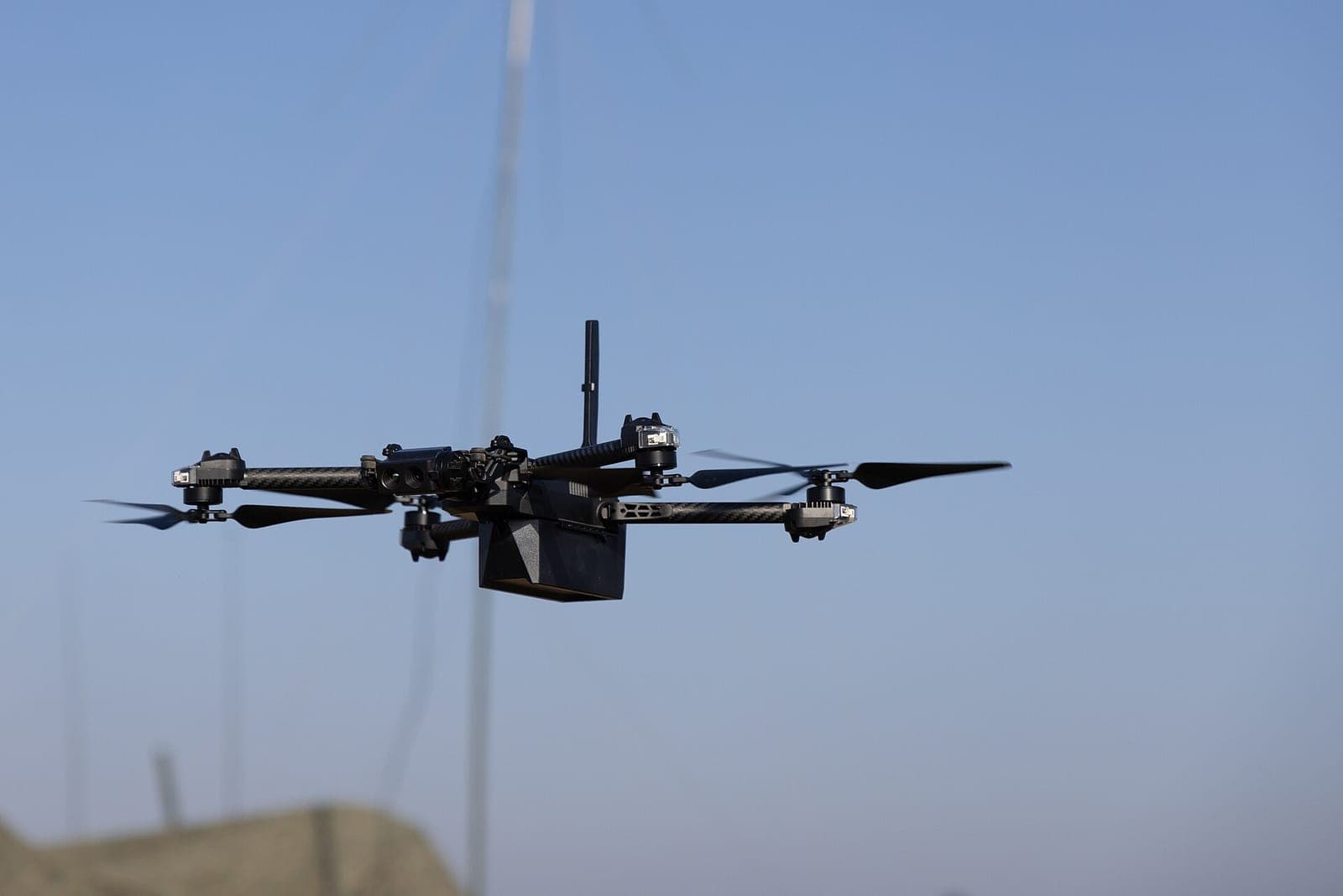
Skydio builds autonomous drones. Autonomous means the drone flies itself and steers around obstacles without a pilot guiding every move.
The two already worked together. Axon said in its earnings release that Skydio docks deployed through Axon Air have more than doubled year over year. A dock is a weatherproof base station where a drone sits, charges and launches.
How much money is involved?
The numbers are big, so here they are in one place:
- Investment: $1.2 billion, made of cash and Axon stock.
- Skydio's value before the deal: $5.2 billion, according to DroneLife's report on the filing.
- Axon's stake: from about 15% to 37% on a fully diluted basis. That count includes shares that could still be issued, such as options.
- Timing: the transactions are expected to close in stages during the fourth quarter of 2026 and the first quarter of 2027, subject to closing conditions.
The money does two jobs. Part of it is new capital for Skydio. Part of it buys shares from existing investors.
By the numbers: Skydio expects about $1 billion in bookings this fiscal year. Bookings are orders signed, not cash already collected.
What does "exclusive distributor" mean?
A distributor is the company that sells a product to the final buyer. Under the deal, Axon becomes the exclusive distributor of Skydio for public safety in the US and Canada.
In plain words, a police department that wants Skydio drones will go through Axon. Agencies can buy them through the sales network Axon already uses for body cameras and software.
The deal has limits. Skydio stays free to sell to other markets, including defense and commercial customers. Axon described it as Skydio staying free to build American aerial robotics across many industries.
The companies have not said how the exclusive arrangement will affect Skydio's existing distributors and resellers or current customer contracts.
In real life Picture a city that buys body cameras from Axon. Next year it wants drones too, and the same account manager can now sell it a Skydio drone along with the software that stores the footage.
What is Drone as First Responder?
Drone as First Responder, or DFR, is the idea behind the whole deal. When someone calls 911, a drone launches from a dock on a roof or a pole. It flies to the address and sends live video to dispatchers.
The point is speed. A drone has no traffic lights and no one-way streets.
The companies say Skydio's DFR programs have cut priority response times by as much as 65%. They also say drones arrived before officers on roughly 80% of the calls where they were deployed. Those are results the companies report, not a study of every DFR program.
Skydio says more than 28 million Americans live within two miles of one of its DFR docks. It also reports more than 1,500 public safety customers.
Axon estimates the DFR market at about $13 billion across the US and Canada.
How do the drones connect to Axon's software?
This part explains why Axon wants a bigger stake. The drones plug into tools that police already use.
- Axon Fusus: a real-time crime center platform. It pulls live video and location data from drones, body cameras and fixed cameras onto one screen. Axon bought Fusus in 2024.
- Skydio DFR Command: the software that assigns an available drone to a call.
- Watch Me: a feature on the Axon Body 4 camera. An officer can ask for drone help straight from the camera, and the request travels through Fusus to DFR Command.
- Evidence: drone footage can flow into Axon's digital evidence system, the same place body camera video goes.
Axon says that, combined with Axon 911, Fusus, digital evidence and Dedrone airspace security, Skydio completes an integrated platform. In its words, the platform helps agencies detect, understand and respond faster.
Is this a new partnership?
No, it is a bigger version of an old one. The two companies announced a partnership in March 2021 to offer Skydio's drones to law enforcement and emergency responders through Axon's drone program.
Back then, Skydio 2 and Skydio X2 drones became available to buy through Axon. The companies also planned links between the drones and Axon's evidence and response software.
The 2021 announcement said Skydio designs, assembles and supports its products in the United States. It also noted that the X2 had been selected for the Defense Innovation Unit's Blue sUAS program, a list of drones the US government has approved for federal use.
The new deal changes two things. Axon owns a much larger piece of Skydio, and it is now the exclusive channel for police sales in two countries.
Why now?
The announcement came with Axon's third-quarter earnings. Axon reported record revenue of $909 million, up 28% from a year earlier.
The same release also lowered one expectation. Axon said about $130 million of revenue from three large federal Dedrone deployments will no longer land in 2026. Dedrone is Axon's counter-drone business, which detects and responds to unwanted drones.
Axon still expects full-year revenue growth of about 30%. It guided fourth-quarter revenue to a range of $990 million to $1.01 billion.
Axon's message about the future was blunt. It said it expects "millions of flying robots to reshape American life in the years ahead" and that it intends to be at the center of it.
What did Skydio say?
Skydio CEO Adam Bry called Axon an incredible partner in bringing the company's drones to public safety customers across the US. He said the investment strengthens Skydio's ability to speed up its technology roadmap and keep advancing autonomous flight in every critical industry it serves.
That matches Axon's framing: one company handles police sales, the other keeps building drones for many customers.
What are the open questions?
A deal this size raises a few. None of the answers are public yet.
- Existing sellers: what happens to current Skydio distributors and integrators.
- Contracts: whether existing customer agreements change.
- Rivals: other drone makers still compete, so police can pick another brand.
What's next: the first closings are expected this quarter. After that, watch for how many more police departments buy docks through Axon.
What it means for you
- Faster help, maybe: if your city runs a DFR program, a drone may reach your address before a patrol car. The speed figures come from the companies.
- One vendor: police departments may buy cameras, software and drones from a single company.
- More drones overhead: more docks mean more flying robots in city skies, and cities decide the rules for how they are used.
- Watch your local council: purchases of drone programs are usually public decisions.
The bottom line
Axon is betting that drones will become a normal part of emergency response, and it just bought a much bigger seat at that table. For $1.2 billion it gets 37% of Skydio and the exclusive right to sell Skydio drones to police in the US and Canada.
For everyone else, the deal is a sign that the drone dock on the roof may soon be as ordinary as the camera on an officer's chest.
Key facts
- Announced
- November 5, 2026
- Investment
- $1.2 billion in cash and Axon stock
- Skydio valuation before the deal
- $5.2 billion
- Axon stake in Skydio
- About 15% to 37%
- Skydio bookings expected this fiscal year
- About $1 billion
Got questions?
Quick answers, plain wordsWhat did Axon announce?
Axon announced a $1.2 billion investment in the drone maker Skydio. It also became Skydio's exclusive distributor for public safety customers in the US and Canada.
Who are Axon and Skydio?
Axon makes Taser stun guns, body cameras and software for police and other public safety agencies. Skydio is a US company that builds autonomous drones, which fly themselves around obstacles.
How big is Axon's stake in Skydio?
Axon's fully diluted stake is expected to rise from about 15% to 37%. Fully diluted means the count includes shares that could be issued later, such as options.
How much is Skydio worth?
The deal values Skydio at $5.2 billion before the new funding. Axon calls it the largest single investment in its history.
What does exclusive distributor mean?
It means police and public safety agencies in the US and Canada will buy Skydio drones through Axon. Skydio can still sell to other markets, including defense and commercial customers.
What is Drone as First Responder?
Drone as First Responder, or DFR, means a drone launches from a dock on a roof or a pole when someone calls 911. It flies to the scene and sends live video before an officer arrives.
How fast are the drones, according to the companies?
The companies say priority response times fell by as much as 65% at agencies using Skydio DFR. They also say drones arrived before officers on roughly 80% of calls where they were deployed. Those are figures from the companies, not from an independent study.
When will the deal close?
The transactions are expected to close in stages during the fourth quarter of 2026 and the first quarter of 2027, subject to closing conditions.
Does this stop other drone makers from selling to police?
No. Other drone makers can still compete, and Axon's software supports third-party systems. What changes is how Skydio drones reach agencies in the US and Canada.
SourcesAxon, DroneLife, policemag.com
Topics and tagsaxon, skydio, drones, drone as first responder
Related stories
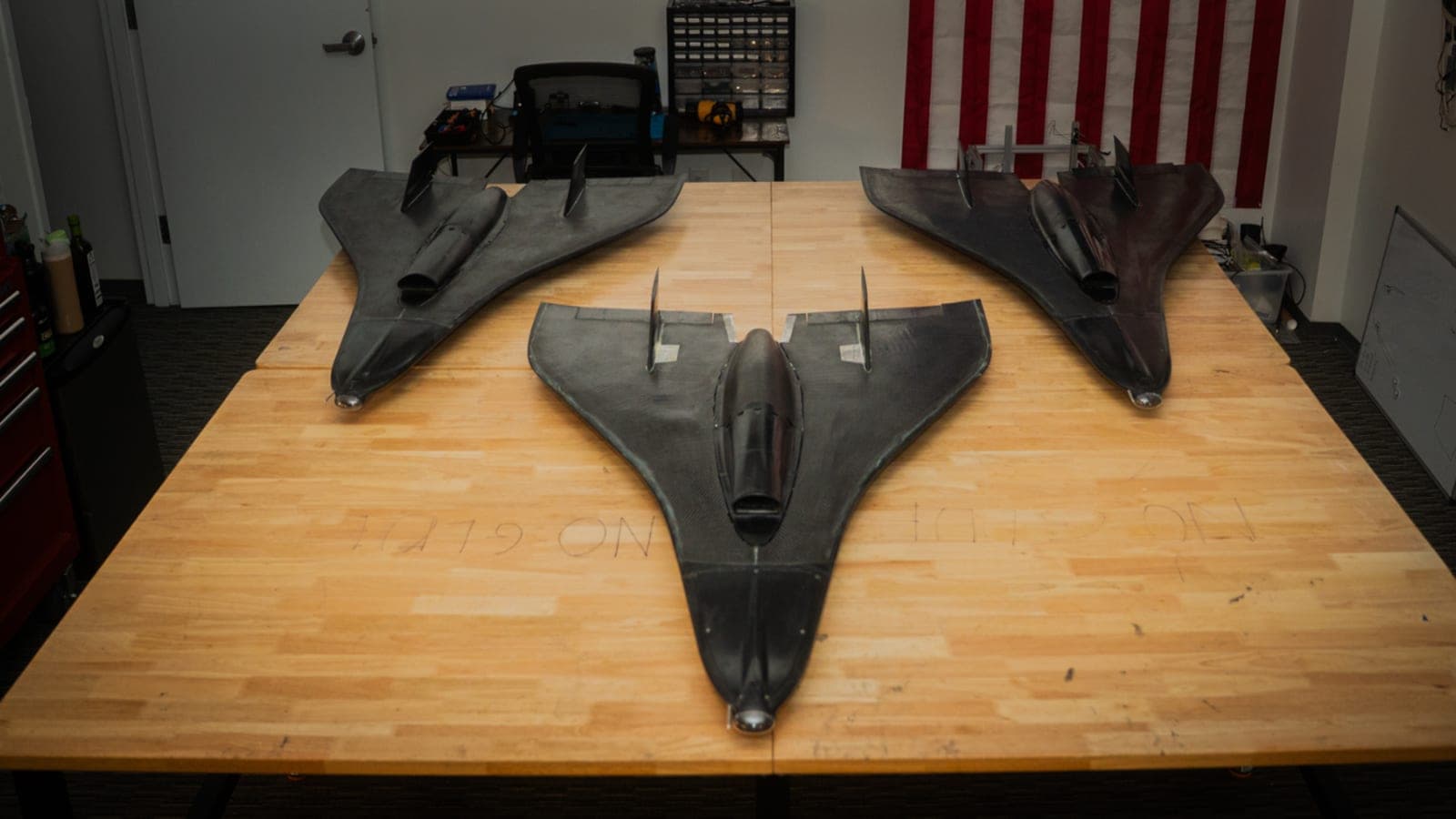
A Georgia Tech student says his dorm-built jet hit 491 mph
Tomas Salvo says his $13,000 Reaper jet aircraft beat the 465 mph radio-controlled record. Nobody has verified it yet.
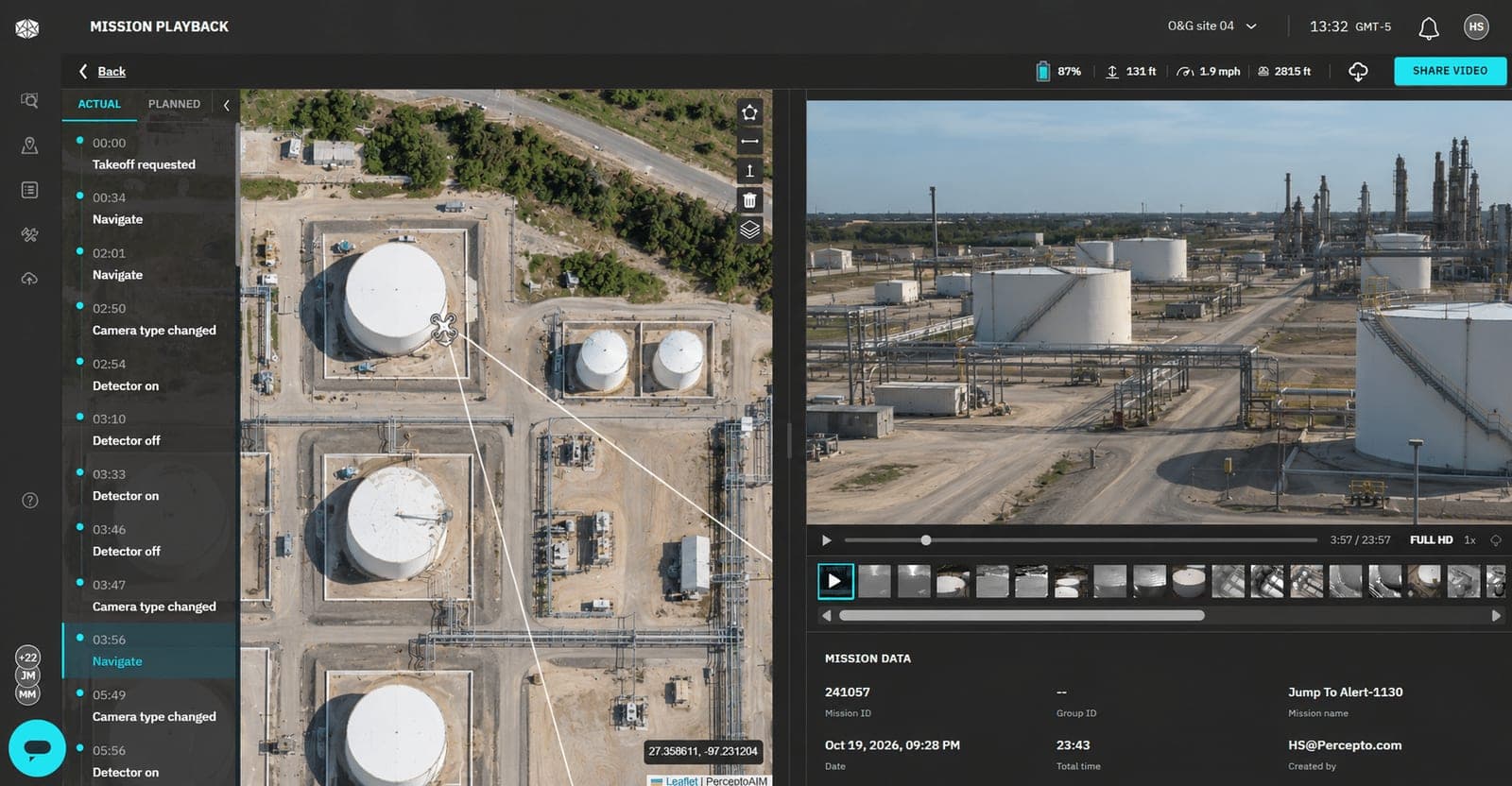
Percepto launches Axion, AI that reads inspection data from any drone
Percepto, the drone-in-a-box maker, is selling its inspection AI as software that works with other companies' drones and sensors.
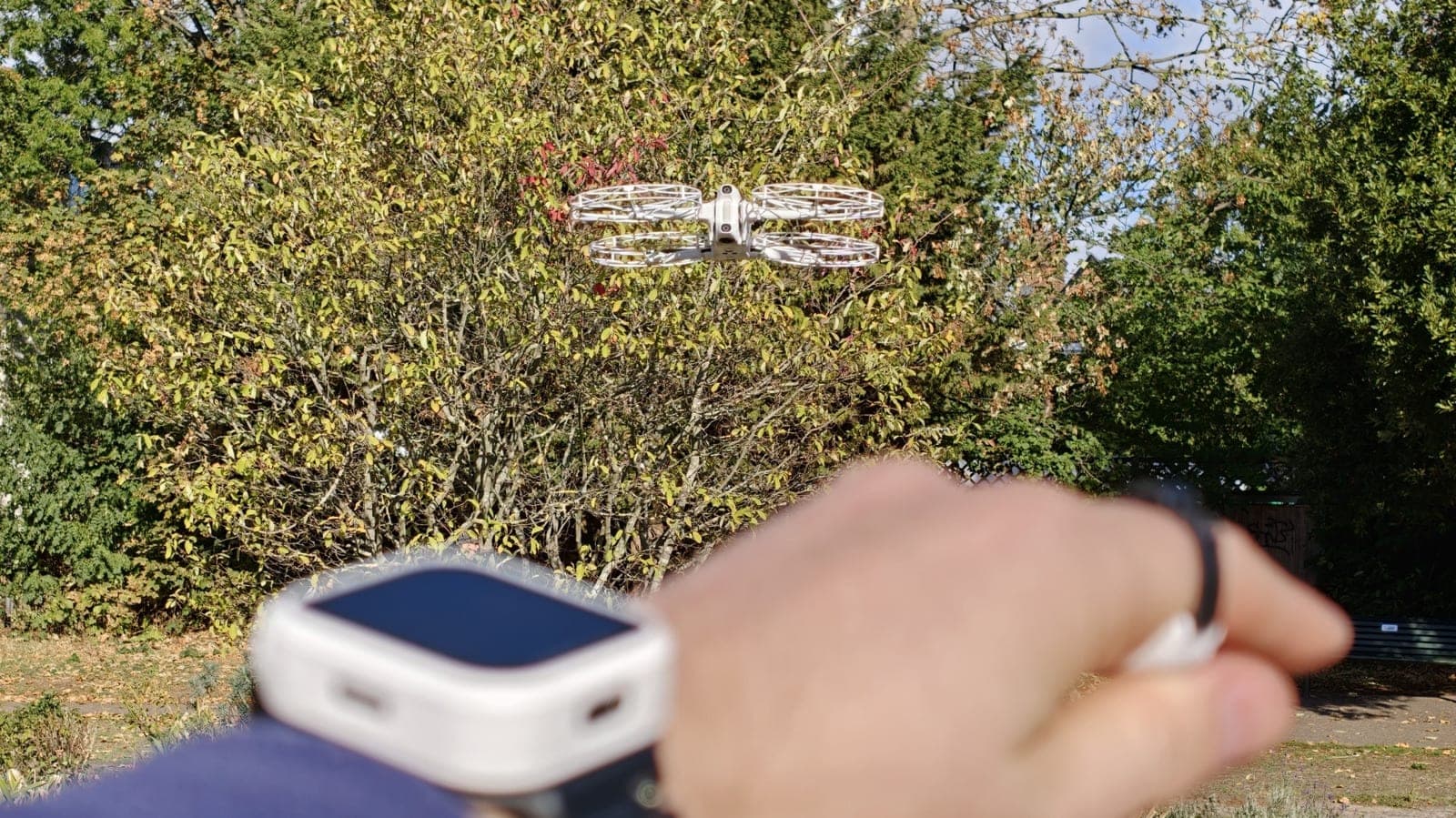
Antigravity halves the A1 drone's entry price with watch and ring controls
Antigravity's new Follow Me bundle swaps the goggles and controller for a watch and a ring, and cuts the price of a complete A1 kit from $1,599 to $799.
More in brief
- YouTube is going back on the Billboard charts in 2027Nov 9
- Apple starts selling $50 packs for extra Apple Intelligence useNov 9
- Windows 11 tests a way to switch off the Sticky Keys popup for goodNov 9
- US regulators question whether Waymo's school bus fix workedNov 9
- NVIDIA unveils GR00T 2 and Isaac Lab 3.0 to teach robots delicate workNov 9
- Tesla launches its robotaxi service in San Antonio, its eighth cityNov 9