
Technology·News & analysis
Arm says its chip designs run the fastest supercomputers
The new TOP500 list has a record low of 27 new machines. Arm says its chip designs sit at No. 1 on both the speed list and the energy efficiency list.

Tide
Ripple
Sci-fi
5/10
Reality
Shipping
The world's biggest calculators, counted twice a year.How we rate
Arm says its chip designs run the No.
1 systems on both the November 2026 TOP500 speed list and the Green500 efficiency list, including 4 of the 10 fastest machines. The TOP500 itself logged only 27 new systems, a record low, and its top 10 is unchanged since June. Most new computing now goes to private AI clusters.
What to know
- Arm says its designs sit at No. 1 on both the November 2026 TOP500 (fastest) and Green500 (most energy efficient) lists.
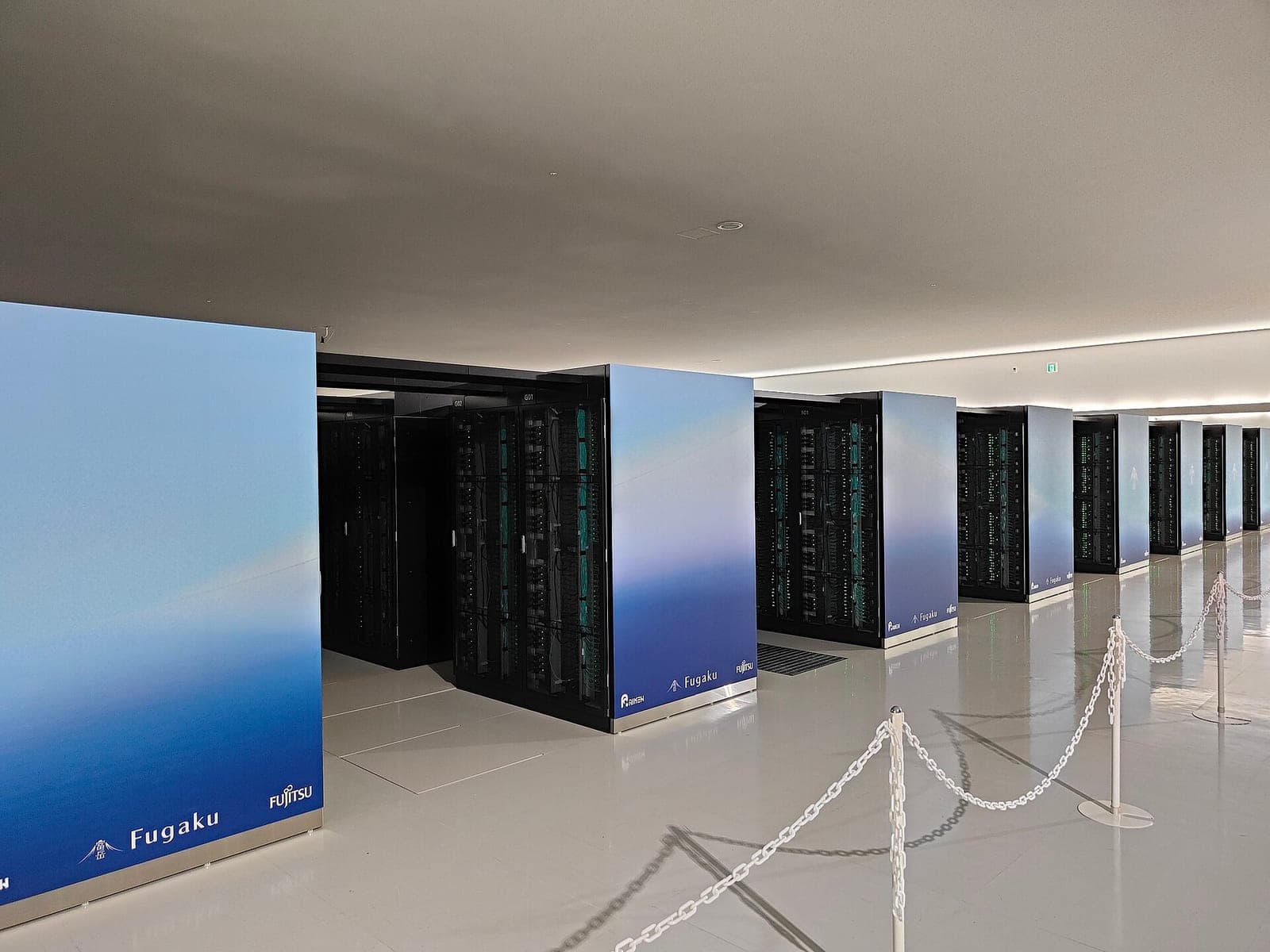
- Arm counts 4 of the 10 fastest supercomputers and 5 of the 10 most efficient as built on its technology, including LineShine, JUPITER, Fugaku and Alps.
- The TOP500 list itself had its top 10 unchanged since June and only 27 new systems, the lowest number ever recorded.
- LineShine, a Chinese machine with no GPUs, holds the top spot at 2.198 exaflops.
Arm says its chip designs sit at No. 1 on both the new TOP500 list of the fastest supercomputers and the Green500 list of the most energy efficient ones. So who actually built these machines, and why does a designer of chips get to claim them?
Arm made the claim on November 17, 2026, a day after the 68th TOP500 list was published at the SC26 conference in Chicago. It is Arm's own summary of the rankings, so read the framing with that in mind.
First, what are the TOP500 and Green500?
The TOP500 is a ranking of the 500 fastest supercomputers in the world, updated twice a year. Machines run a standard math test called Linpack, and the score is how many calculations they finish each second.
The Green500 uses the same machines but asks a different question: how much work do you get for each watt of power? One list rewards raw speed. The other rewards not wasting electricity.
Speeds here are huge, so the units are too. An exaflop is a billion billion math operations a second. A petaflop is a thousand times smaller.
What does Arm say it won?
Arm is a company that designs processor blueprints and licenses them to other makers. It does not build the supercomputers. Its post lists these claims:
- No. 1 on both lists: Arm says its architecture holds first place on the TOP500 and on the Green500.
- 4 of the 10 fastest: four of the ten leading systems use Arm technology.
- 5 of the 10 most efficient: five of the ten most energy efficient systems do too.
- 14 of the top 30: Arm says 14 of the 30 most efficient systems use its technology.
The fastest systems it names are LineShine, JUPITER (Europe's fastest and first exascale computer), Fugaku (Japan's fastest) and Alps. Fugaku runs on Fujitsu A64FX processors. The top four on the Green500, KAIROS, ROMEO, Levante and Isambard-AI Phase 1, all use Nvidia Grace Hopper chips, which pair an Arm-based Grace processor with a Hopper GPU.
In real life Think of Arm as the author of a cookbook. Fujitsu, Nvidia and others cook the meals. When a dish wins, the cookbook gets a mention.
What is LineShine, the No. 1 machine?
LineShine is a Chinese supercomputer at the National Supercomputing Centre in Shenzhen. It reached 2.198 exaflops on Linpack, about 20% more than the US machine El Capitan, which scored 1.809 exaflops. It took first place in June 2026 and still holds it. It is the first Chinese No. 1 since Sunway TaihuLight in 2017.
The machine has no GPUs. A GPU is a chip that does huge amounts of simple math at once, and most top machines lean on them. LineShine uses only CPUs, the general purpose processors. It runs on a platform called LingKun with 304-core LX2 processors at 1.55 GHz, and about 13.8 million cores in total. Its network is a homegrown one called LingQi, and its operating system is Kylin.
Arm counts LineShine as one of its own because the LX2 cores are Arm compatible. Analysts describe the chip as an Armv9 design thought to come from Huawei. That attribution is an analyst view, not a confirmed spec from the builders.
The speed has a price. LineShine draws about 42 megawatts, roughly 52 gigaflops per watt. El Capitan manages about 61. So the fastest machine is not the most efficient one, which is exactly why two lists exist.
What else is in the top group?
The top ten did not change since June. Behind LineShine come El Capitan, Frontier and Aurora, all in the United States. Europe's JUPITER sits in the top group as well, and Fugaku, the Japanese machine, is also in the top ten.
LineShine also leads a second test, HPCG, at 22 petaflops. HPCG stresses how fast a machine moves data around, not just how fast it multiplies. On HPL-MxP, a mixed-precision test closer to AI work, it ranks 4th at 7.92 exaflops.
LineShine's theoretical peak is 2.736 exaflops, so it delivers about 80% of what the hardware could do on paper. That is a high share for a machine with millions of cores, and it shows how well the software keeps the chips busy. The number matters because a huge machine is useless if most of its cores wait around for work.
Why Arm says its designs fit supercomputers
Arm's post names four strengths for this kind of computing:
- Moving data: high-bandwidth memory and fast links between CPU and GPU, so chips do not sit idle waiting.
- Faster science math: Arm's Scalable Vector and Matrix Extensions, instruction sets that let one command work on many numbers at once.
- Scaling software: tuned parallel execution, so a program can spread over thousands of chips.
- Power limits: efficient designs and power tuning, so more math fits inside a fixed electricity budget.
The power point matters most. Every supercomputer has a power bill and a cooling limit. A chip that does more per watt lets a lab build a bigger machine in the same building.
The real story: only 27 new machines
The TOP500 headline this month is not the winner. It is that the ten leading systems stayed the same and only 27 systems on the list are new. That is 5.4% of the list, the lowest number since the project began in 1993.
The other numbers moved slowly:
- Entry level: the slowest machine on the list now needs 2.857 petaflops, up 7.3% since June.
- Total power of the list: all 500 systems together reach 19.57 exaflops, up 4.4%.
- Accelerators: 291 systems, or 58.2%, now use accelerators such as GPUs.
So why did so few new machines show up? The analysis of the list says the industry's priorities shifted. Companies stopped building machines for very hard scientific problems and began deploying vast amounts of computing for commercial AI work.
Where did the computing go?
It went to private AI clusters. Estimates from Epoch AI put quarterly AI computing additions at growing 2.5 times each year. Five large American hyperscalers, the companies that run the biggest clouds, control about 71% of global AI computing.
Those clusters rarely enter the ranking. Their owners have little reason to run a public benchmark, and their chips often serve AI training, not the precise math Linpack measures. A ranking of public supercomputers therefore sees a shrinking slice of the world's computing.
Arm's win should be read in that light. It is real, and it covers the research machines that are listed. The biggest AI computers in the world are not on the list at all.
What it means for you
- You will not use these machines. They sit in research centers and serve scientists.
- Chip designs compete on efficiency. Arm's story is about doing more math per watt, and that idea also drives phones and laptops.
- Rankings show only part of the picture. The largest AI computers are private and unlisted.
- Expect another list in June. The next TOP500 will show whether new machines return.
The bottom line
Arm says its designs sit at No. 1 on both lists, and the facts behind that claim hold up: LineShine runs Arm compatible cores and the top efficient systems use Arm based Grace chips. The more telling number is 27, the fewest new systems ever. The race for computing power is still on, but most of it has left the public list.
Key facts
- List
- 68th TOP500, published November 16, 2026
- New systems
- 27 of 500 (5.4%), a record low
- No. 1
- LineShine, 2.198 exaflops
- Entry level
- 2.857 petaflops, up 7.3% since June
- Arm's claim
- 4 of the top 10 fastest, 5 of the top 10 most efficient
Got questions?
Quick answers, plain wordsWhat is the TOP500 list?
It is a ranking of the 500 most powerful supercomputers in the world, published twice a year. The 68th edition came out on November 16, 2026, at the SC26 conference in Chicago.
What is the Green500 list?
It ranks supercomputers by how much work they do for each watt of power. A machine can be fast and thirsty, or slower and frugal, and this list rewards the frugal ones.
What did Arm announce?
Arm published a post saying that Arm technology holds the No. 1 spot on both lists, that 4 of the 10 fastest systems use its designs, and that 5 of the 10 most efficient do. It is Arm's own summary of the rankings.
Which machine is the fastest?
LineShine, a Chinese supercomputer in Shenzhen, with 2.198 exaflops on the Linpack test. It uses no GPUs and no chips from Nvidia, AMD or Intel.
Did the top of the list change?
No. The ten leading systems are the same as in the June 2026 edition.
Why did so few new systems join?
Only 27 systems are new, the lowest number since the list began in 1993. The list's authors say the industry has moved from building machines for hard science to deploying large amounts of computing for commercial AI.
What is an exaflop?
A billion billion math operations a second. A petaflop is a thousand times smaller.
Does this change anything for me?
Not directly. These machines sit in research centers. The ranking shows which chip designs are winning at big computing jobs, and that shapes the chips that reach data centers and, later, devices.
SourcesArm
Topics and tagsAI chips, arm, supercomputing, top500
Go deeper
- ExplainerWhat is a GPU, and why does AI need them?A GPU (graphics processing unit) is a chip that does huge numbers of simple calculations at the same time. Built to...
- ExplainerWhat is an AI data center?An AI data center is a huge building full of specialized computers, mostly GPUs, that train AI models and answer...
Related stories
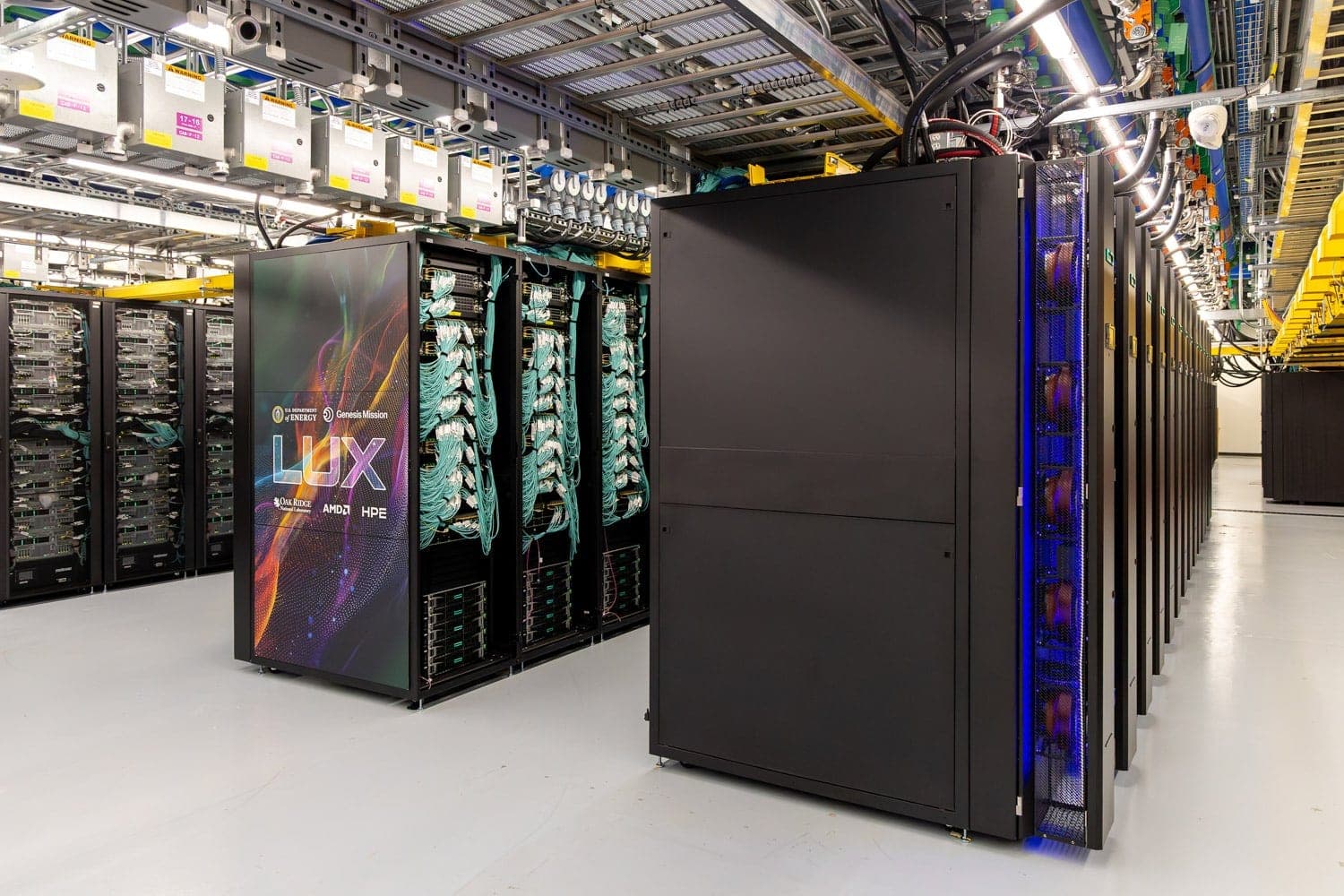
AMD's Lux supercomputer opens to scientists at Oak Ridge
Lux, an AI supercomputer built by AMD and HPE, is now open to researchers at Oak Ridge National Laboratory. It is the first dedicated AI system for the Genesis Mission.
Nvidia unveils Rubin HPC, a science GPU with over 50,000 cores
Nvidia's new Rubin HPC chip packs a record number of CUDA cores and is built for science simulations run by AI agents. It is due in 2028.
Qualcomm wins its breach case against Arm, and the jury awards $2
A Delaware jury found Arm broke its architecture license with Qualcomm and interfered with a Meta deal, then awarded $1 per claim. The bigger fight, over five years of royalties, is now up to a judge.
More in brief
- ASELSAN's EJDERHA electromagnetic weapon disables 51 drones with one commandNov 21
- Microsoft To Do will shut down on June 30, 2027Nov 21
- Medtronic's Hugo surgical robot cleared for general surgery in the USNov 21
- Google's Gemini now turns noisy fire radio into text for Watch DutyNov 21
- Internet Archive staff move to unionize with CWANov 20
- Etsy sellers are leaving over new terms that allow AI trainingNov 20