
Technology·News & analysis
Waze will now warn drivers when a Garmin cyclist is nearby
Cyclists who switch on Garmin LiveTrack can now appear as a moving icon on Waze, and nearby drivers get a heads-up to slow down.

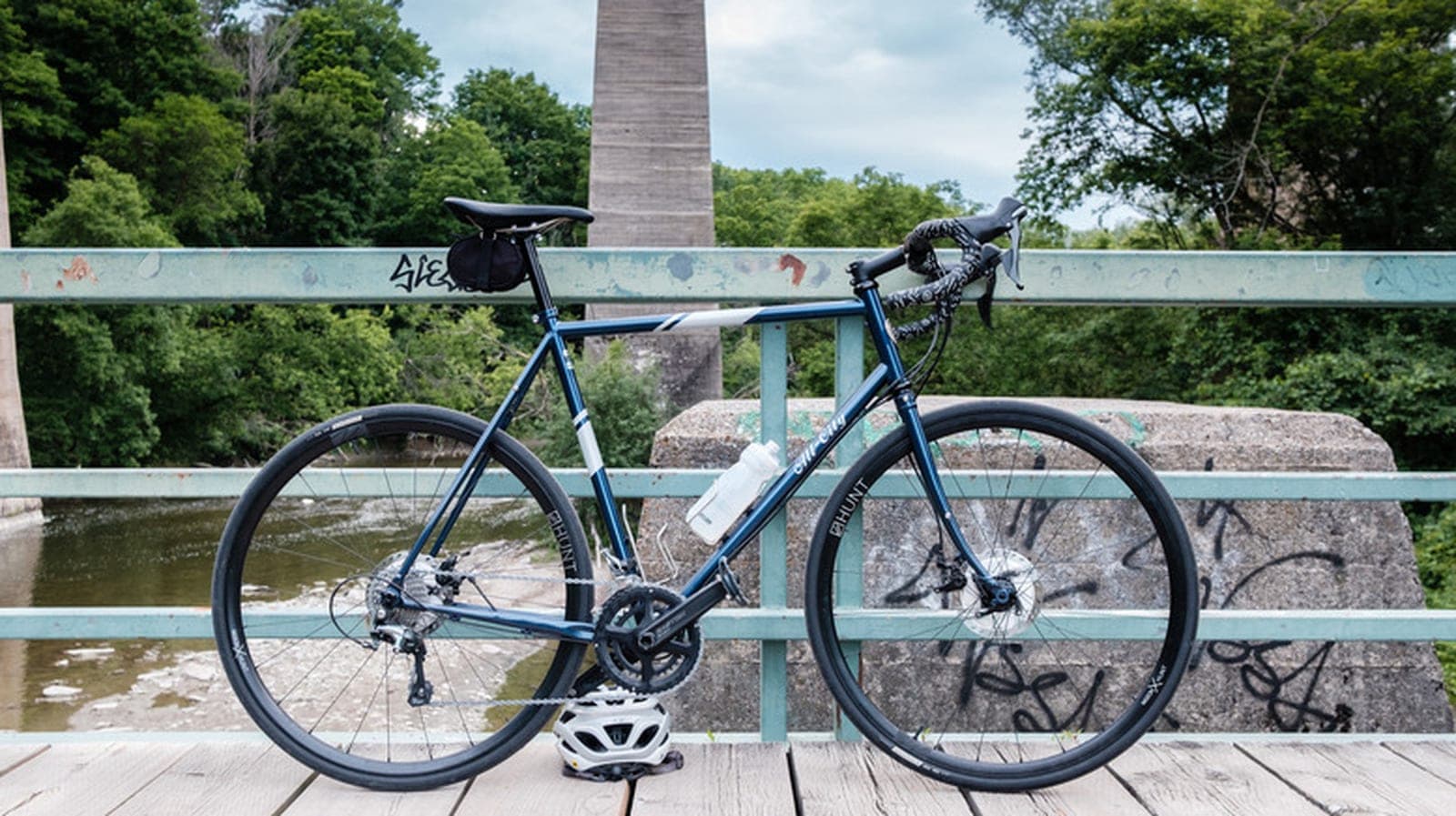
Tide
Wave
Sci-fi
3/10
Reality
Shipping
Your bike shows up on a stranger's map.How we rate
Waze and Garmin launched real-time cycling alerts: a cyclist who turns on Garmin LiveTrack appears as a moving icon on Waze, and nearby drivers get a notification.
Sharing is opt-in, and drivers never see a rider's name, identity or exact route. Alerts end when the ride ends on the Garmin device. The feature is rolling out worldwide on Android and iOS now.
What to know
- Waze and Garmin launched cycling alerts: a cyclist who turns on Garmin LiveTrack on an Edge bike computer or a Garmin smartwatch can show up as a moving icon on Waze.
- Drivers near a rider see a notification that a cyclist is close, as a reminder to slow down and share the road.
- The feature is opt-in. Drivers never see the rider's name, identity or exact route, and the alerts stop when the ride ends on the Garmin device.
- Cycling alerts are rolling out now worldwide on Android and iOS.
Waze and Garmin just launched a safety feature for the road: if a cyclist turns it on, nearby drivers get a warning that a bike is close. That is the news. Now the interesting question: how can a map app know where a rider is, and who gets to see it?
What did Waze and Garmin announce?
On November 10, Google announced that Waze, its driving app, and Garmin are teaming up on real-time cycling alerts. The goal, in the companies' words, is a safer environment on the road.
Here is how it works. A cyclist turns on Garmin LiveTrack on a Garmin Edge bike computer or a Garmin smartwatch. LiveTrack is a Garmin feature that shares your live location while you move. Once it is on, the rider can choose to show up on Waze as a moving icon.
Drivers nearby also get a notification that a cyclist is close. It acts as a reminder to slow down, stay aware and share the road.
Why it matters: the warning reaches the driver before the driver can see the rider. That is the whole point.
How does the driver's screen change?
Picture a driver on a quiet country road with Waze open. A cyclist is ahead, around a bend. The driver sees a small moving bike icon on the map and a message that cyclists are ahead.
The driver did not have to do anything. Waze already shows other things drivers care about, so a bike icon fits into a screen they know.
In real life you are driving home at dusk on a narrow road with trees on both sides. A notification tells you a cyclist is just ahead. You ease off the gas before you ever see the bike light.
What does the cyclist have to do?
Not much, but the cyclist has to choose it. The feature is completely opt-in. Nobody appears on Waze by accident.
The steps are simple:
- Wear or mount a Garmin device: an Edge bike computer or a Garmin smartwatch.
- Turn on LiveTrack: the same feature many riders already use to share a ride with family.
- Choose to show up on Waze: this is the extra permission that makes the icon appear.
Garmin devices are not new to this. Plenty of Garmin owners already use LiveTrack so loved ones know where they are on a ride or a run. The new part is that the same signal can now reach drivers too.
What stays private?
This is the part most riders will ask about first. Waze says drivers only see a temporary alert that a cyclist is nearby. They never see the cyclist's name, identity or exact route.
The sharing also ends by itself. Alerts turn off the moment the rider ends the ride on their Garmin device. There is no icon left behind on the map after you lock your bike in the garage.
So the design has three guardrails:
- Opt-in: the rider decides.
- Anonymous: no name, no identity, no exact route.
- Temporary: it stops when the ride ends.
Where and when can people use it?
Google says cycling alerts powered by Garmin are rolling out now, globally, on Android and iOS. "Rolling out" means the feature reaches phones in waves, so some people may see it a little later than others.
The launch follows early hints. In early November, code in version 5.31 of the Garmin Connect app, Garmin's companion app on your phone, showed new words: "Share your rides with Waze" and "Waze Location Sharing". It also showed a consent screen, which is the step where you agree to share. At that point nobody had confirmed what it would do, and the timing was unknown. The announcement answers both questions.
Why would cyclists want this?
Roads are risky for people on bikes, and the numbers are not small. In the United States, the National Highway Traffic Safety Administration counted 1,166 cyclist deaths in 2023, about 2.9 percent of all traffic deaths. Roughly 28 percent of those deaths happened at intersections, and 23 percent, or 274 deaths, involved a hit-and-run.
Those figures cover one country and one year. They do not say a notification would have changed any single case. They do show why companies keep looking for ways to make riders easier to notice.
An alert is a different tool from a light or a bright jersey. A light helps a driver who is already looking. A map notification can reach a driver who is looking at the road ahead, but does not yet know a rider is on it.
What does Garmin already do for rider safety?
Garmin has built a small family of safety tools for bikes, and this launch adds one more.
- LiveTrack: shares your live location with contacts you choose.
- Incident detection: sends a message with your live location to your chosen contacts if the device detects an incident.
- Varia radar: warns the rider about vehicles coming from behind. Garmin says its Varia RearVue 820 sends visual and audible alerts to compatible Edge bike computers and select Garmin smartwatches.
- Varia RCT715: a tail light that gets brighter when it senses an approaching vehicle. Garmin says drivers can see it from up to 2 kilometers, about 1.24 miles, away.
Look at the pattern. Radar tells the rider about the car. The new Waze feature tells the driver about the rider. That is one conversation, finally going both ways.
Why Waze?
Waze is a driving app that people use for traffic, routes and warnings about things on the road. Google bought the company in June 2013 for about $1.3 billion. At that time it had nearly 50 million users.
That history matters here. Waze built its name on telling drivers what is ahead. A cyclist icon is a natural new thing for it to show.
It is also a reminder of what the feature is not. It does not create bike routes or turn Waze into a cycling app. It adds one more kind of warning to a driver's screen.
What are the limits?
A few honest limits are worth knowing.
- You need a Garmin: the alerts depend on LiveTrack from a Garmin Edge bike computer or smartwatch.
- Drivers need Waze: the icon appears in Waze, so a driver on another navigation app will not see it.
- Riders must opt in: a cyclist who does not turn it on will not appear.
- It is a nudge, not a guarantee: the alert reminds a driver to slow down. The driver still has to act.
Those limits are normal for a first version. The value grows with each rider who turns it on and each driver who has the app open.
What it means for you
- If you ride with a Garmin: look for the Waze setting in your Garmin tools, turn on LiveTrack and choose to show up on Waze. It stays off until you pick it.
- If you drive with Waze: expect a new bike icon and a notification when a rider is near. Treat it as a reason to slow down.
- If you care about privacy: the feature shows no name, no identity and no exact route, and it stops when the ride ends.
- If you do not own a Garmin: nothing changes for you yet, and the alerts depend on Garmin devices.
The bottom line
Waze and Garmin took a feature riders already use for their families and pointed it at the cars around them. It is opt-in, anonymous and temporary, and it is rolling out worldwide now. It will not fix road safety alone, but it is one more way to make sure the driver knows the rider is there.
Key facts
- Who launched it
- Waze and Garmin
- How it works
- Garmin LiveTrack shows a moving cyclist icon on Waze
- Privacy
- Opt-in, no name or exact route shown
- Availability
- Rolling out globally on Android and iOS
Got questions?
Quick answers, plain wordsWhat is the new Waze and Garmin feature?
It is a set of real-time cycling alerts. When a cyclist turns on Garmin LiveTrack, the rider can appear as a moving icon on Waze, and nearby drivers see a notification that a cyclist is close.
What is Garmin LiveTrack?
LiveTrack is a Garmin feature that shares your live location during a ride or run with people you choose. Many Garmin owners already use it so family and friends can see where they are.
Which Garmin devices work with it?
Google says cyclists can switch on LiveTrack on a Garmin Edge bike computer or a Garmin smartwatch. Garmin has not been quoted here with a model list, so check the Garmin Connect app for your device.
Is it on by default?
No. The feature is completely opt-in. A cyclist has to choose to turn it on, and a driver only sees a rider when one has done so.
Can drivers see my name or my route?
No. Waze says drivers only see a temporary alert that a cyclist is nearby. They never see the rider's name, identity or exact route.
When does the sharing stop?
Alerts turn off automatically the moment the cyclist ends the ride on the Garmin device.
Where is it available?
Cycling alerts powered by Garmin are rolling out now globally on Android and iOS, so it may take a little while to reach every phone.
Does it give cyclists their own bike navigation?
No. This feature puts cyclists in front of drivers. It does not turn Waze into a bike route planner.
Did anyone spot this before the launch?
Yes. Code in version 5.31 of the Garmin Connect app, found in early November, included the words "Share your rides with Waze" and "Waze Location Sharing", plus a consent screen. The launch confirms what that code hinted at.
Do I need a Garmin to be seen on Waze?
For now, yes. The alerts are powered by Garmin LiveTrack, so the rider needs a compatible Garmin Edge bike computer or Garmin smartwatch.
SourcesGoogle, dot.gov
Related stories
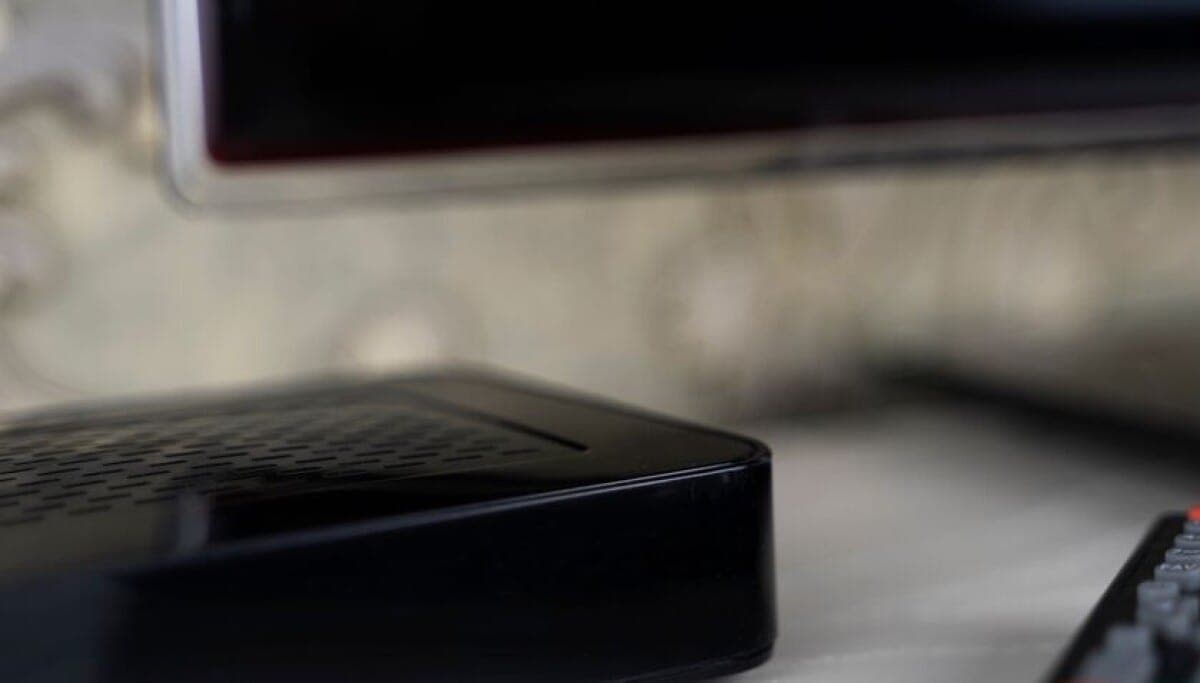
Google cuts off a botnet of 1.3 million Android TV boxes built in at the factory
Google and its partners took down XCPE, a backdoor that came preinstalled on 1.3 million Android TV boxes. Google says the maker, Videostrong, did it on purpose and has banned it.
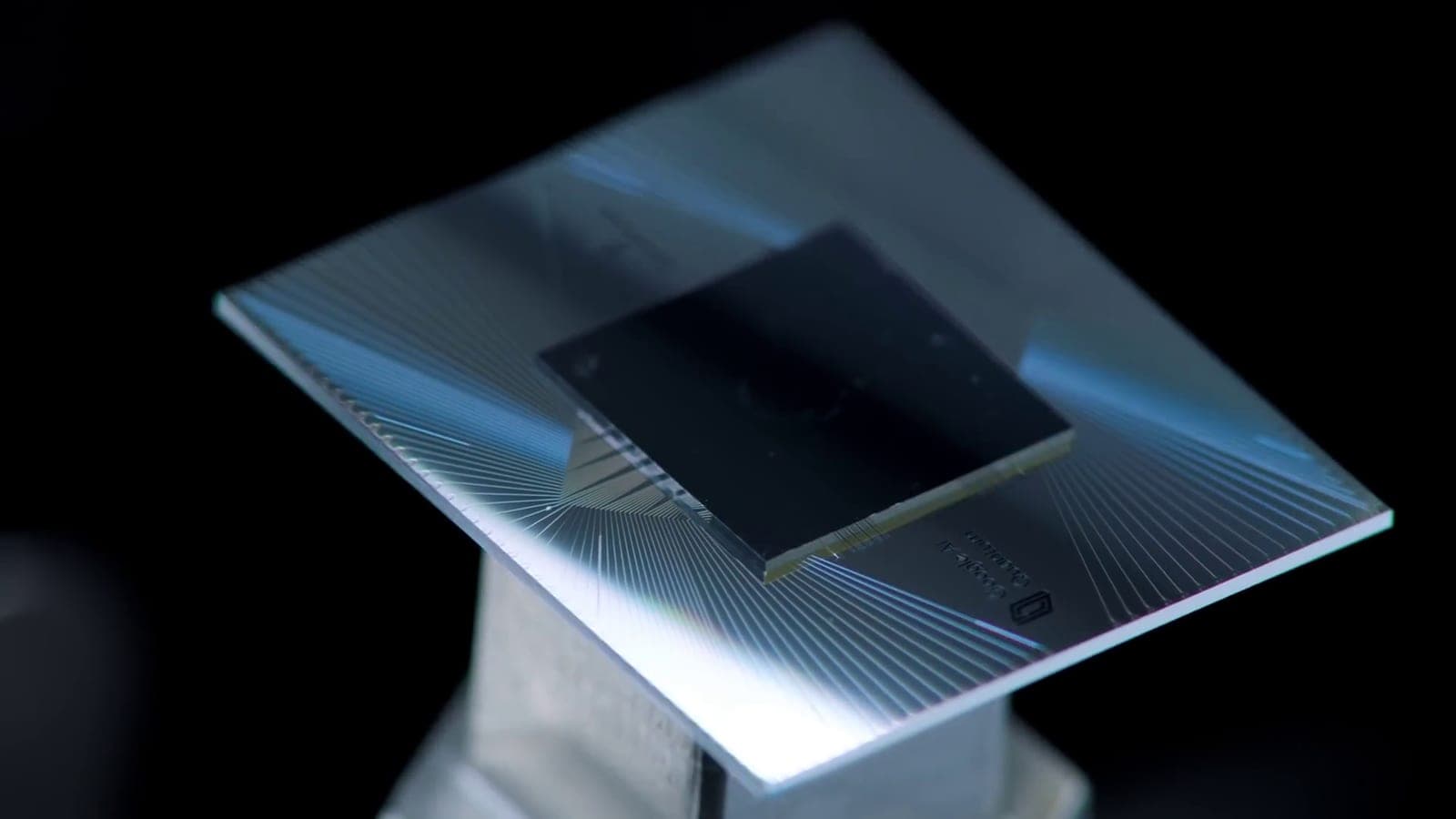
Google shows it can grow quantum computing's rarest ingredient on its Willow chip
Google Quantum AI says a technique called magic state cultivation cut errors about 40 times on its Willow processor, tackling a bottleneck researchers have worried about since 2004.
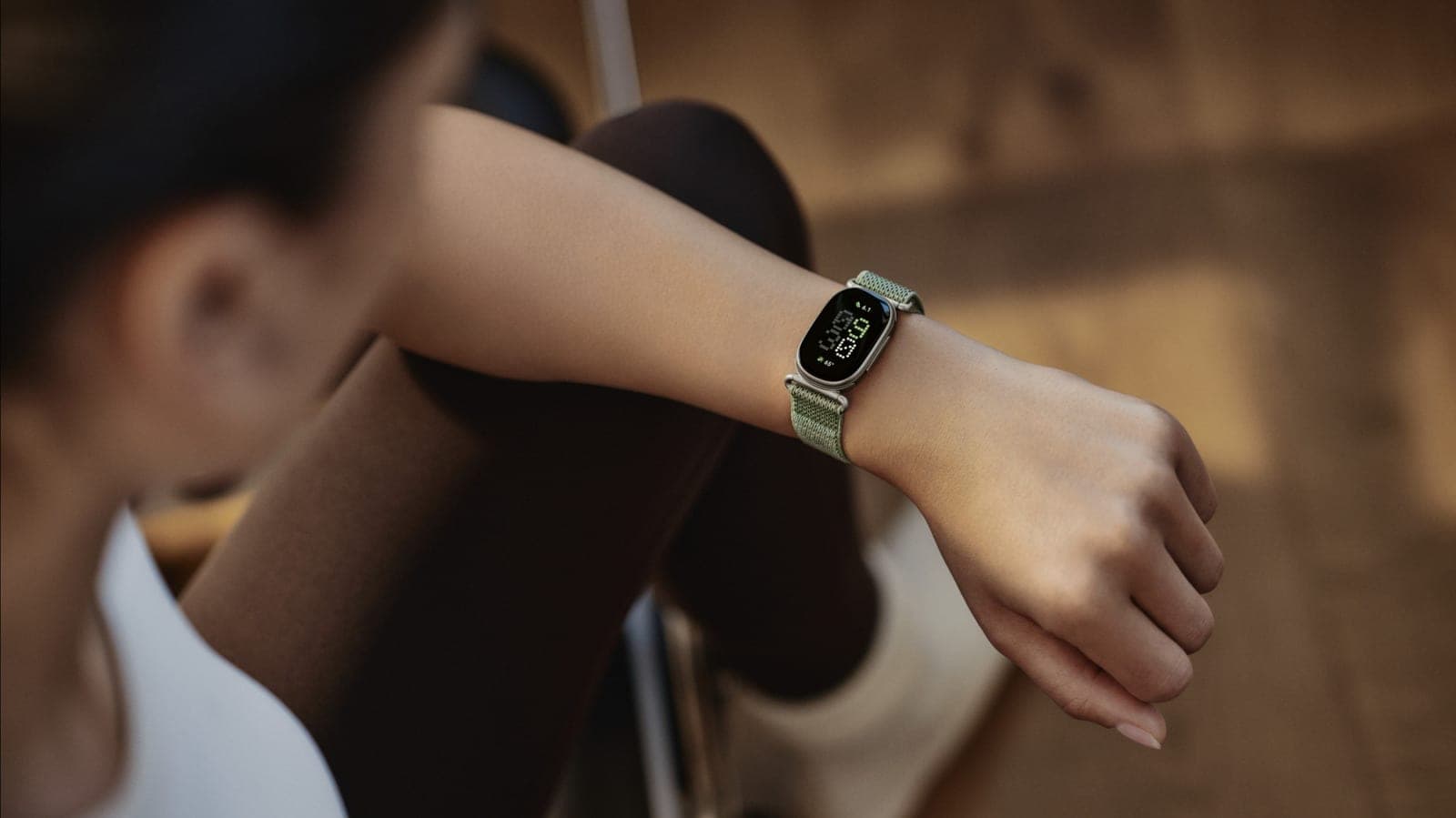
Google's Fitbit Edge brings back the screen and a replaceable battery
Google announced the Fitbit Edge, a $179.99 tracker with a bright display, GPS and a battery you can swap. It reaches stores on October 27.
More in brief
- A satellite in orbit played Doom after hearing a human voiceNov 10
- YouTube is going back on the Billboard charts in 2027Nov 9
- Apple starts selling $50 packs for extra Apple Intelligence useNov 9
- Windows 11 tests a way to switch off the Sticky Keys popup for goodNov 9
- US regulators question whether Waymo's school bus fix workedNov 9
- NVIDIA unveils GR00T 2 and Isaac Lab 3.0 to teach robots delicate workNov 9