
Technology·News & analysis
A satellite in orbit played Doom after hearing a human voice
Radio amateurs in Oslo said "play Doom" over the radio, and a European Space Agency test satellite understood, launched the game and sent a postcard back.

Tide
Ripple
Sci-fi
8/10
Reality
Demo
Talking to a spacecraft like it's a smart speaker.How we rate
Radio amateurs in Oslo spoke "PRETTY PLAY DOOM" to ESA's OPS-SAT PRETTY satellite, and its onboard speech model transcribed the voice, matched the command and launched the 1993 game.
It happened on 27 July 2026, with a synthesized voice in the morning and a live operator in the evening. Researchers call it the first voice command of a satellite. They now plan repeat runs that keep the raw audio for better testing.
What to know
- Radio amateurs in Oslo spoke "PRETTY PLAY DOOM" to ESA's OPS-SAT PRETTY satellite on 27 July 2026, and it launched the game on its own.
- A 27 MB speech model on board turned the radio audio into words, and a matcher looked for the command in them.
- It took seven attempts, shared with a group in Poland, and the live voice was detected on one of five usable captures.
- Tanagra Space calls it the first time a satellite has been commanded by plain spoken language and acted on it in orbit.
Radio amateurs in Oslo spoke a command to a European Space Agency (ESA) satellite, and the satellite understood it and launched the 1993 game Doom. Nobody typed a thing.
That is the news. Now the fun part: how does a tiny computer in orbit pick a human voice out of a sky full of static?
What actually happened?
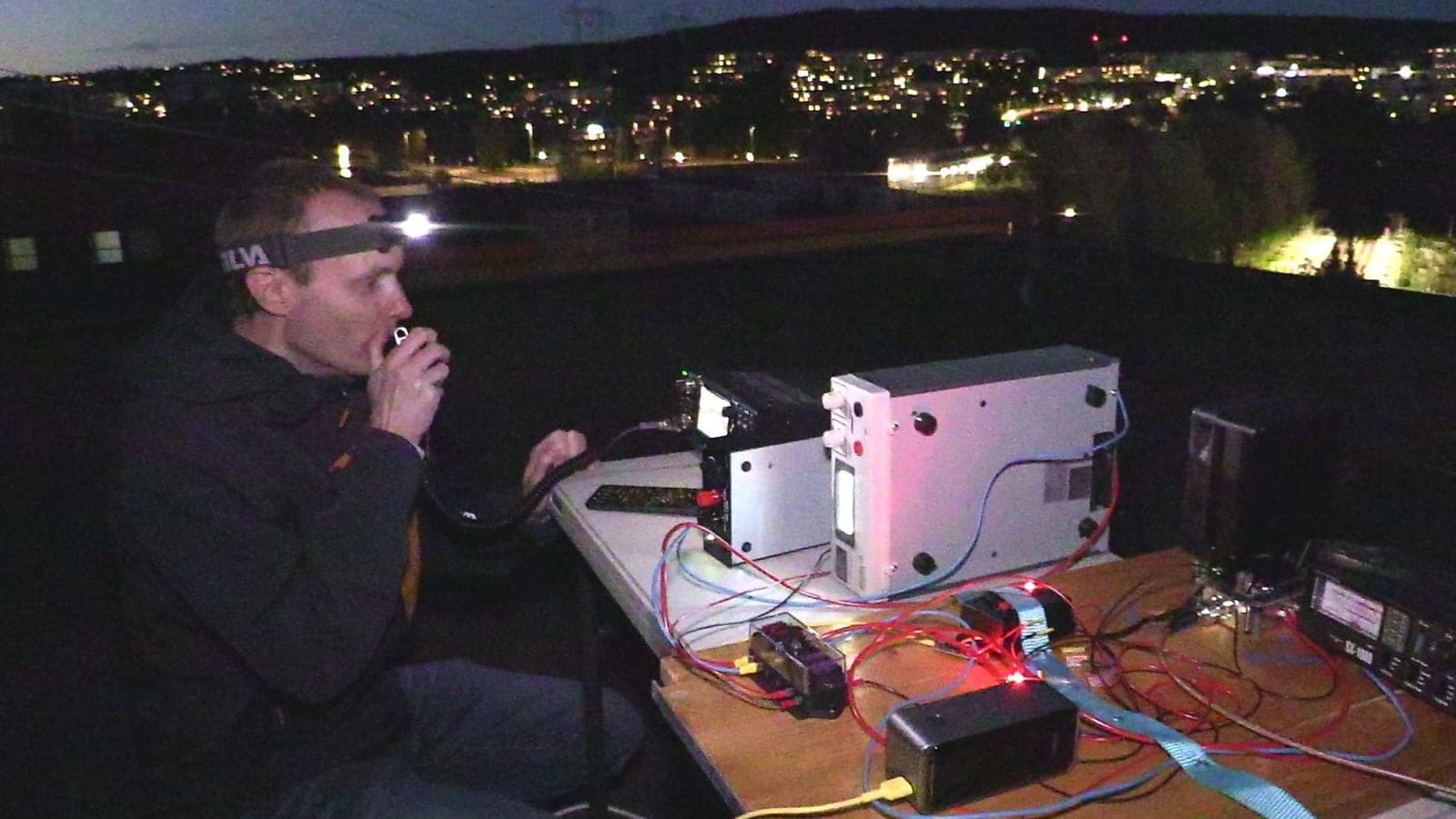
On 27 July 2026, a radio club in Oslo sent a spoken message to OPS-SAT PRETTY, an experimental ESA satellite. The message went out on the 23 cm amateur radio band, a slice of radio space that hobbyists are allowed to use.
On board, with no human in the loop, the satellite did five things. It caught the radio signal, pulled the voice out of the noise, turned it into text with an AI model, found the command in the text and launched Doom.
Then it made a "postcard" image of the moment and sent it down to Earth. The project is called PRETTY DOOMed.
The experiment was led by Georges Labrèche, the principal investigator at Tanagra Space.
Who said what, and when?
There were two sessions on the same day.
- Morning: the team played a synthesized voice from a keyer (a device that plays a stored message) on a loop. The satellite detected the command and launched Doom.
- Evening: an operator spoke the command live into a microphone. The satellite detected that too.
The live message was: "LIMA ALFA FOUR OSCAR, PRETTY PLAY DOOM DOOM DOOM, PRETTY PLAY DOOM DOOM DOOM."
The first part is the club call sign, LA4O, which radio rules require for legal identification. The rest is the command, said twice, with "Doom" repeated each time to give the satellite more chances to catch it.
In real life Think of shouting your order across a noisy stadium. You say the key word three times, because you know some of it will be lost on the way.
How does a satellite understand a voice?
Most satellites take orders as telecommands. Those are strict digital packets, sent during scheduled passes and built to rigid standards. This is different: it is plain spoken language, heard from the sky.
Here is the chain, all on the satellite's small onboard computer:
- A software-defined radio records the signal as the satellite flies over. That means the tuning is done by code, not by fixed circuits, so it can be changed with an update.
- It finds the voice buried in the noise and tunes in to just that narrow slice.
- A speech-to-text model, an AI that turns audio into words, writes out what it heard.
- A matcher checks the words for the command. It allows for mistakes, because the radio link garbles things.
- On a match, the satellite plays Doom and builds the postcard.
The speech model is a 27 MB quantized English model. "Quantized" means its numbers were squeezed into a smaller size so it fits on limited hardware.
How good was the transcript?
Not great, and that is part of the story.
The live evening command came out as "AND FAR BRIEFLY PLAYING DOOM STEAM DOOM PRECIPATED". It had two exact matches for the word Doom, although one is enough to trigger the game.
The morning detections passed only on the matcher's loose tolerance, with transcripts such as "PLAY DOON".
So the achievement is less about the satellite understanding a sentence. It is more about telling a human voice and one specific command apart from noise, while flying overhead.
Why did it take seven attempts?
The test was shared with a group in Poland, and the command finally got through on the last two runs, on the same day.
By the numbers: in run 6, the morning pass with the looped voice, three of six captures detected the command. In run 7, the evening pass with the live operator, one of five usable captures did.
Early on, the satellite heard the club, but most of what it got was static. About 170 kHz of radio spectrum reached the FM discriminator (the part that turns radio waves into audio) for a signal only about plus or minus 5 kHz wide. In plain words, the receiver was listening far too widely.
Offline analysis found a fix. Find the signal's peak within 100 kHz, shift it to the center, filter it and thin it out before turning it into audio. Tanagra says it is like tuning a car radio to one specific station.
Tanagra reproduced the fix and removed a redundant audio filter. Delivering the update took about a week. Being able to update the satellite's software was what made this possible.
What did the ground team use?
This was a hobby setup, not a space agency dish.
- Radio: an Icom IC-9700, sending narrowband FM on 1296 MHz at about 80 W.
- Antenna: a Wimo helix antenna with 15.1 dBi of gain, pointed by hand.
- Where: a rooftop in Oslo, under the club call sign LA4O.
The Oslo group's campaign took 59 days and about 7,200 NOK, roughly $770, pizza included.
Earlier link tests ran from April to June 2026 with radio amateurs in Legnica, Poland, under the call signs SQ6RDP and SQ6QV. Tanagra says the experiment depended on the amateur radio community, who formed its ground segment.
The satellite's passes were scheduled and run by the OPS-SAT mission operations team.
Why Doom, and what is OPS-SAT?
Doom has become the classic "can it run this?" test for new hardware. It already ran on an earlier ESA satellite, OPS-SAT-1. This time the new part is how it started: a voice.
OPS-SAT itself was ESA's flying laboratory. ESA says it launched on 18 December 2019 and was about the size of carry-on luggage. Outside teams could rent time on it to test ideas that would be too risky for a regular mission.
Over about four and a half years, 134 teams from 26 countries ran more than 284 experiments on it. Strong solar activity in early 2024 increased drag and brought it down early, in May 2024.
ESA says the idea lives on in successor missions, including OPS-SAT VOLT and ORIOLE. The PRETTY experiment flew under the same Space Lab program of outside experiments.
What is next?
The voice was only the test signal. Labrèche said the same setup could handle other things with a new model.
Tanagra proposes repeat runs that keep the original data and send it down to Earth. That would let researchers test the live-voice result properly, because the live voice was detected on just one of five usable captures.
Larger speech models might detect better, and the team could try them on the ground first. The long-term hope is a satellite that can listen to any type of radio signal, and one day pick up "mayday" calls or radio bursts from space.
The catch: this was one experiment on one satellite, and the model only looks for one trigger phrase. It is a demo, not a product.
What it means for you
- Nothing changes today: you will not be talking to satellites this week. This was a lab demo.
- Small hardware can do a lot: a speech model of 27 MB ran on a tiny orbiting computer.
- Hobbyists still matter: a rooftop, a handheld microphone and a hand-aimed antenna were enough to reach space.
- Updates save missions: the team fixed a bad signal with new software, without touching the hardware.
The bottom line
A satellite heard a human voice from orbit, worked out the command through the noise, and played Doom. The transcript was messy, but the trigger word got through.
It is a small first step, and one that makes the future of space radio sound a lot more like talking.
Key facts
- Date
- 27 July 2026, two passes over Oslo
- Satellite
- ESA's OPS-SAT PRETTY
- Speech model
- 27 MB, quantized, English
- Radio link
- 1296 MHz (23 cm band), about 80 W
- Cost of the ground effort
- About 7,200 NOK (about $770), pizza included
Got questions?
Quick answers, plain wordsDid a satellite really play Doom?
Yes. On 27 July 2026 the OPS-SAT PRETTY satellite launched the 1993 game after it heard a spoken command, ran it on its own computer and sent a postcard image of the moment to Earth.
Who sent the voice command?
A group from the Oslo branch of the Norwegian Radio Relay League, using the club call sign LA4O. Radio amateurs in Legnica, Poland, ran earlier link tests from April to June 2026.
What did the operator say?
The live command was LIMA ALFA FOUR OSCAR, PRETTY PLAY DOOM DOOM DOOM, PRETTY PLAY DOOM DOOM DOOM. The first part is the club call sign, which radio rules require for identification.
How did the satellite understand speech?
A 27 MB speech-to-text AI model runs on its small computer. It turns the recovered audio into words, and a matcher checks those words for the command, even when the radio noise garbles them.
Why did it take seven attempts?
The radio link was noisy and the satellite moves fast. In early runs the signal was mostly static, so the team found a fix offline and sent it to the satellite, which took about a week.
Is this the first time Doom ran on a satellite?
No. Doom ran on an earlier ESA satellite, OPS-SAT-1. What is new here is that a human voice launched it.
Does this mean satellites will take orders from anyone?
No. This was a planned experiment run with the mission's operators, and the satellite only looks for one trigger phrase. Normal satellite control still uses structured digital commands.
What could voice commands be used for?
The project lead says the same setup could one day pick up "mayday" calls or radio bursts from space. A new model would be needed for each new job.
How much did the ground effort cost?
The Oslo group's effort took 59 days and about 7,200 NOK, roughly $770, pizza included.
What is OPS-SAT?
OPS-SAT was an ESA test satellite, a flying laboratory open to outside teams, launched in December 2019. It ended its mission in May 2024, and the Space Lab idea continues on newer missions.
SourcesTanagra Space, esa.int
Topics and tagsSpace tech, satellite, ham radio, speech recognition
Related stories
AT&T, T-Mobile and Verizon make their dead zone satellite venture official
The three biggest US carriers signed a joint venture to pool spectrum for satellite-to-phone coverage and named wireless veteran Paul Roth as interim CEO.
YouTube is going back on the Billboard charts in 2027
YouTube will share its streaming data with Billboard again from January 2027, after Billboard made free, ad-supported streams count for more.
Windows 11 tests a way to switch off the Sticky Keys popup for good
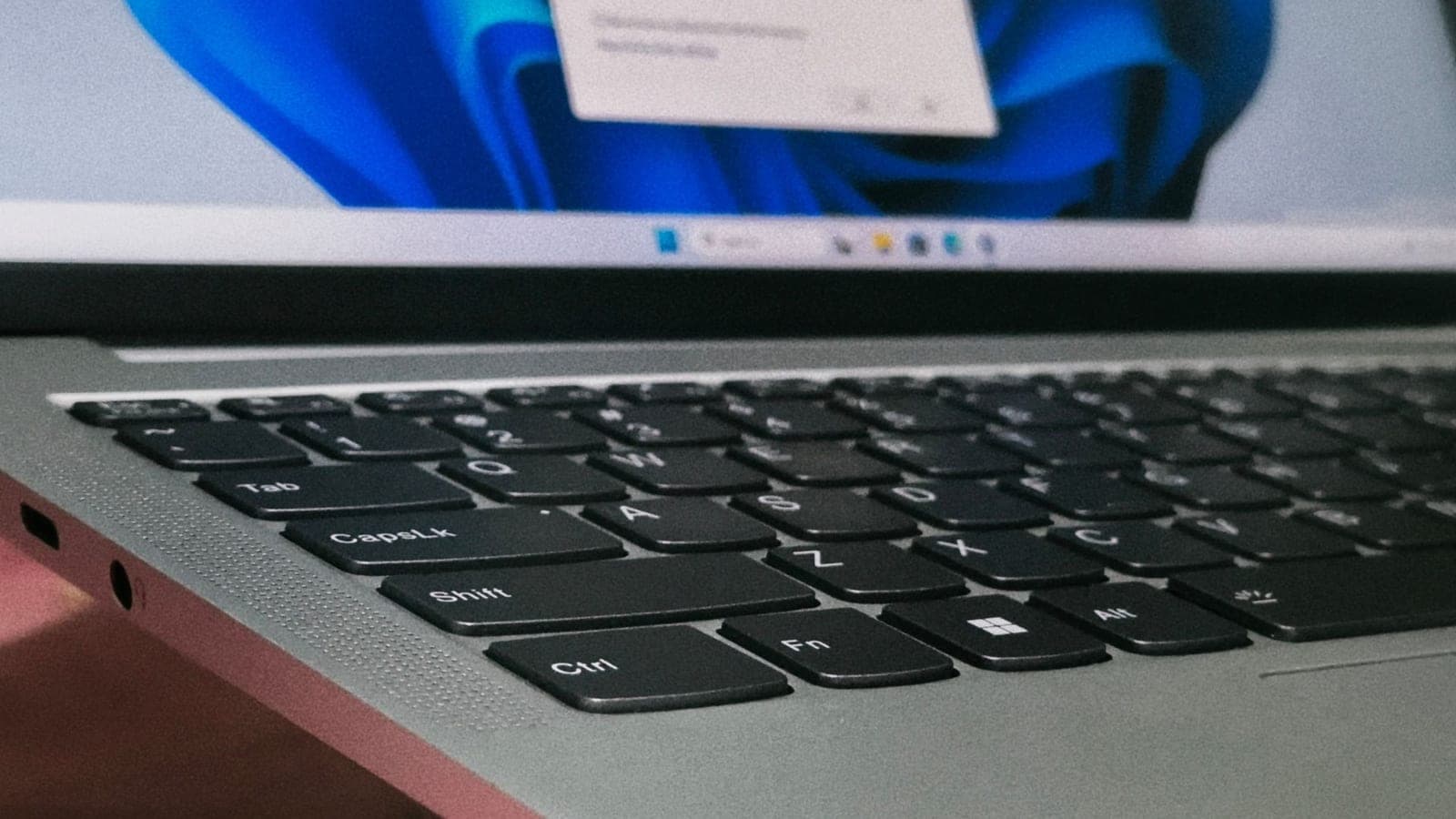
Microsoft is adding a checkbox to the Sticky Keys and Filter Keys popups so you can stop them from coming back. It is in test builds now, about 31 years after the dialog first appeared.
More in brief
- Apple starts selling $50 packs for extra Apple Intelligence useNov 9
- US regulators question whether Waymo's school bus fix workedNov 9
- NVIDIA unveils GR00T 2 and Isaac Lab 3.0 to teach robots delicate workNov 9
- Tesla launches its robotaxi service in San Antonio, its eighth cityNov 9
- Coinbase gets its federal trust bank charter, but no savings accountsNov 9
- Google's new AI chips keep your data locked, even while they work on itNov 9