
Technology·News & analysis
Tesla will wind down Cybertruck production in Texas next year
Elon Musk says Tesla will wind down Cybertruck production at its Texas factory around mid-2027 to make room for more Cybercab robotaxis.

Tide
Wave
Sci-fi
6/10
Reality
Shipping
A spaceship-looking pickup makes way for a car with no driver.How we rate
Elon Musk said Tesla will wind down Cybertruck production at Gigafactory Texas around the middle of 2027 to make room for more Cybercab robotaxi production.
Austin is the only plant known to build the truck, and Musk did not say whether it will move elsewhere. Analysts estimate roughly 70,000 Cybertrucks sold since 2023, against a once-predicted 250,000 a year. Tesla says service and spare parts for existing trucks will continue.
What to know
- Elon Musk said on X that Tesla will wind down Cybertruck production at Gigafactory Texas around the middle of 2027.
- The freed space is meant for more Cybercab production, Tesla's two-seat robotaxi with no steering wheel or pedals.
- Analysts estimate about 70,000 Cybertrucks sold since 2023, far below the 250,000 a year Musk once predicted.
- Tesla's Cybertruck engineer says spare parts and service for trucks on the road will continue.
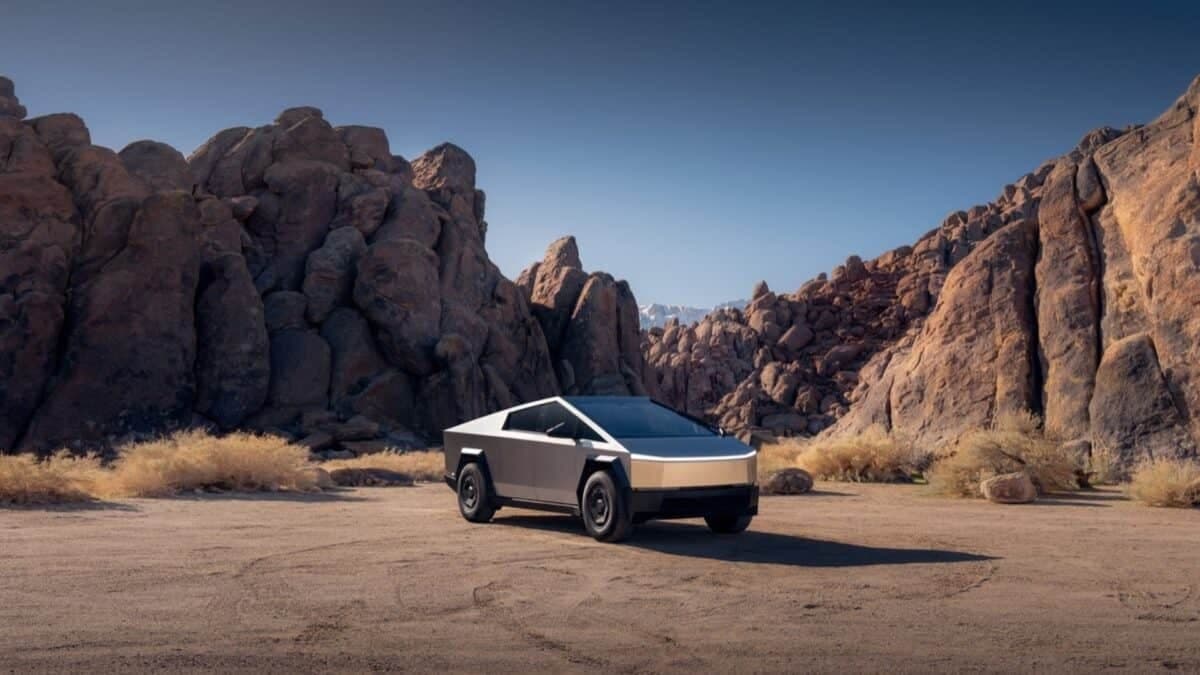
Tesla CEO Elon Musk said on X that the company will wind down Cybertruck production in Texas around the middle of next year. The reason he gave is a car with no driver. So what happens to the pickup that looks like a paper airplane made of steel?
What exactly did Musk say?
His post was short. Tesla "will be winding down production of the Cybertruck at Gigafactory Texas around the middle of next year to make room for increased Cybercab production."
A gigafactory is Tesla's name for one of its very large car plants. This one is in Austin, Texas.
Here is what he left out:
- No stop date: He gave no exact day for the end of production.
- No word on a full stop: "Winding down" could mean ending, or running at a low rate.
- No new home: He did not say whether Cybertruck building will move to another plant.
- No Cybercab numbers: He did not say how many more robotaxis the freed space will build.
What is the Cybercab?
A robotaxi is a taxi that drives itself. The Cybercab is Tesla's purpose-built one: a two-seat car with no steering wheel, no pedals and no mirrors.
Tesla started building it at Gigafactory Texas this year. It has been carrying passengers in Texas, including in Austin and Dallas. Musk had warned that output would start slowly and was unlikely to bring in much money before 2027.
In real life Think of a restaurant that swaps a big table for two small ones because the small ones fill up faster. The floor space stays the same. What sits on it changes.
How did the Cybertruck get here?
Musk unveiled the Cybertruck in November 2019. It looked like nothing else on the road, and it made a lot of noise online.
The numbers tell the rest of the story:
- Price promise: The starting price was promised at $39,900. The cheapest version that went on sale cost $59,900.
- Today's sticker: The Premium All-Wheel Drive version is listed at $92,490 on Tesla's design page.
- Deliveries: Customer deliveries began in late 2023.
- Sales: Tesla does not report Cybertruck sales. Even the highest analyst estimates reach only about 70,000 trucks in total.
- The old forecast: Musk once predicted 250,000 sales a year.
By the numbers: at the forecast rate, Tesla would have sold that many trucks in about four months of one year. In reality it took roughly three years to reach 70,000.
Why did sales fall short?
Tesla does not explain it, so this part is analysis. Three things stand out.
First, the price. A truck that costs far more than promised reaches fewer buyers. Second, the design. Many people love the flat steel look. Others find it odd, and it is not legal to drive in many parts of the world. Third, quality. The truck has had a string of recalls, which are official repair orders. One covered trim panels that could fall off while driving.
Tesla also keeps shrinking where it sells the truck. In October, it canceled Cybertruck plans for Australia and New Zealand and refunded reservation holders there.
Did sales rise or fall over time?
Tesla does not publish a Cybertruck number, so the year-by-year figures are outside estimates. They point one way.
- 2024: The first full year of sales came in at fewer than 40,000 trucks, by most estimates.
- 2025: Estimates drop to roughly 20,000, about half as many.
- 2026: Registration data through May showed only around 7,000 new trucks in the US.
That is the opposite of a ramp. A vehicle usually sells best in its first years, when the novelty is fresh. The Cybertruck went the other way, and that gives Musk's factory-space argument more weight.
How did the Cybercab get its factory space?
Tesla has been clearing room for the Cybercab all year. The first test unit rolled off the Giga Texas line in February 2026. Musk said regular production would begin in the second quarter, and Tesla showed it running from April.
By July, hundreds of Cybercabs had been spotted near the plant. The car is built in a different way from most cars. Tesla builds big sections of the car side by side and joins them late, which it calls "unboxed" manufacturing. That method needs room and its own tooling.
Tesla's other big bets also sit in Texas. For the company's latest results, see our story on the third-quarter deliveries. For the humanoid robot that shares the site, see our Optimus story.
Why is Texas the sticking point?
The big picture: Austin is the only Tesla plant known to build the Cybertruck. It is also the only one set up to make the special parts the truck needs.
That makes a move hard. The stainless-steel body is built differently from other Tesla bodies, so a new plant would need new tools and new training. It is a big cost for a vehicle that has never sold in large numbers.
Giga Texas also builds the Model Y and, now, the Cybercab. Floor space there is limited, and every square foot has to earn its keep.
Is the Cybercab ready for the spotlight?
Not entirely. The day after Tesla began taking passengers in Austin, the US safety regulator NHTSA opened a review of how Tesla certified the car. It covers about 1,000 vehicles.
Here is the issue. In the US, automakers certify that their own cars meet safety rules, and the regulator checks later. Many of those rules assume a human driver, with a steering wheel and pedals. The Cybercab has none. NHTSA said it is looking at "the process and technical data on which Tesla relied when certifying the Cybercab."
Tesla has not asked for the special exemption that Amazon's Zoox got in July for its own steering-wheel-free robotaxis. Tesla decided that some of the rules simply do not apply to a car with no human controls.
The catch: a review is not a ruling. It does not stop the Cybercab, but it shows that the car Tesla is betting the factory on still has a federal question to answer.
What happens to people who own one?
Tesla moved quickly on this question. Cybertruck lead engineer Wes Morrill replied on X: "Yes, of course! Tesla will maintain spare parts and service will continue support."
He also called the Cybertruck "an incredible technology development platform" that "lives on through Cybercab." That fits the story Tesla is telling. Some of what the company learned building the truck carries over to the robotaxi.
If you own a Cybertruck, nothing changes today. Your truck keeps its warranty, and Tesla says parts will keep coming.
What it means for you
- Own one: Service and spare parts will continue, according to Tesla's own engineer.
- Want one: Production runs until about mid-2027, so you have time. Prices have been climbing, not falling.
- Curious about robotaxis: Expect more Cybercabs from Texas, and more questions from regulators.
- Watching Tesla: The company is putting its biggest factory behind a car with no driver, and that is a clear signal of where it wants to go.
The bottom line
The Cybertruck is not gone yet, but its factory time is running out. Tesla has decided that a two-seat robotaxi is worth more floor space than a stainless-steel pickup. Many details are still open, and Tesla has not filled them in.
Key facts
- Announced
- November 6, 2026, in a post on X
- Wind-down
- Around the middle of 2027, Gigafactory Texas
- Reason given
- To make room for increased Cybercab production
- Sales so far
- About 70,000 since late 2023 (analyst estimates)
- Original price promise
- $39,900 (2019)
Got questions?
Quick answers, plain wordsIs Tesla discontinuing the Cybertruck?
Not officially. Musk said production at Gigafactory Texas will be wound down around the middle of 2027. He did not say whether that means a full stop or a smaller, slower line.
Why is Tesla winding down the Cybertruck?
Musk's stated reason is to make room for increased Cybercab production at the same Texas factory. He did not mention sales, but the truck has sold far below Tesla's early forecasts.
What is the Cybercab?
The Cybercab is Tesla's two-seat robotaxi. It has no steering wheel, no pedals and no mirrors, and it is built to drive itself and carry paying passengers.
Can I still buy a Cybertruck?
Yes, for now. Production continues until around mid-2027, and Musk did not announce any change to current orders.
Will Cybertruck owners still get service and parts?
Tesla's Cybertruck lead engineer Wes Morrill said on X that Tesla will maintain spare parts and that service support will continue.
How many Cybertrucks has Tesla sold?
Tesla does not publish Cybertruck sales. Even the highest analyst estimates put total deliveries at roughly 70,000 since the truck launched in 2023.
How much does a Cybertruck cost?
When it was unveiled in 2019, the base price was promised at $39,900. The cheapest version later sold for $59,900, and the Premium All-Wheel Drive version is listed at $92,490 on Tesla's design page.
Could Cybertruck production move to another factory?
Musk did not say. Austin is the only Tesla plant known to build the truck and make its specialized parts, so moving it would be a big job.
Is the Cybercab under investigation?
Yes. In September 2026 the US safety regulator NHTSA opened a review of how Tesla certified the Cybercab, covering about 1,000 vehicles.
SourcesThe Verge
Topics and tagsTesla, Industrial robots, Self-driving, tesla
Go deeper
Related stories
Tesla reveals the new Roadster, and the top version can lift off the ground
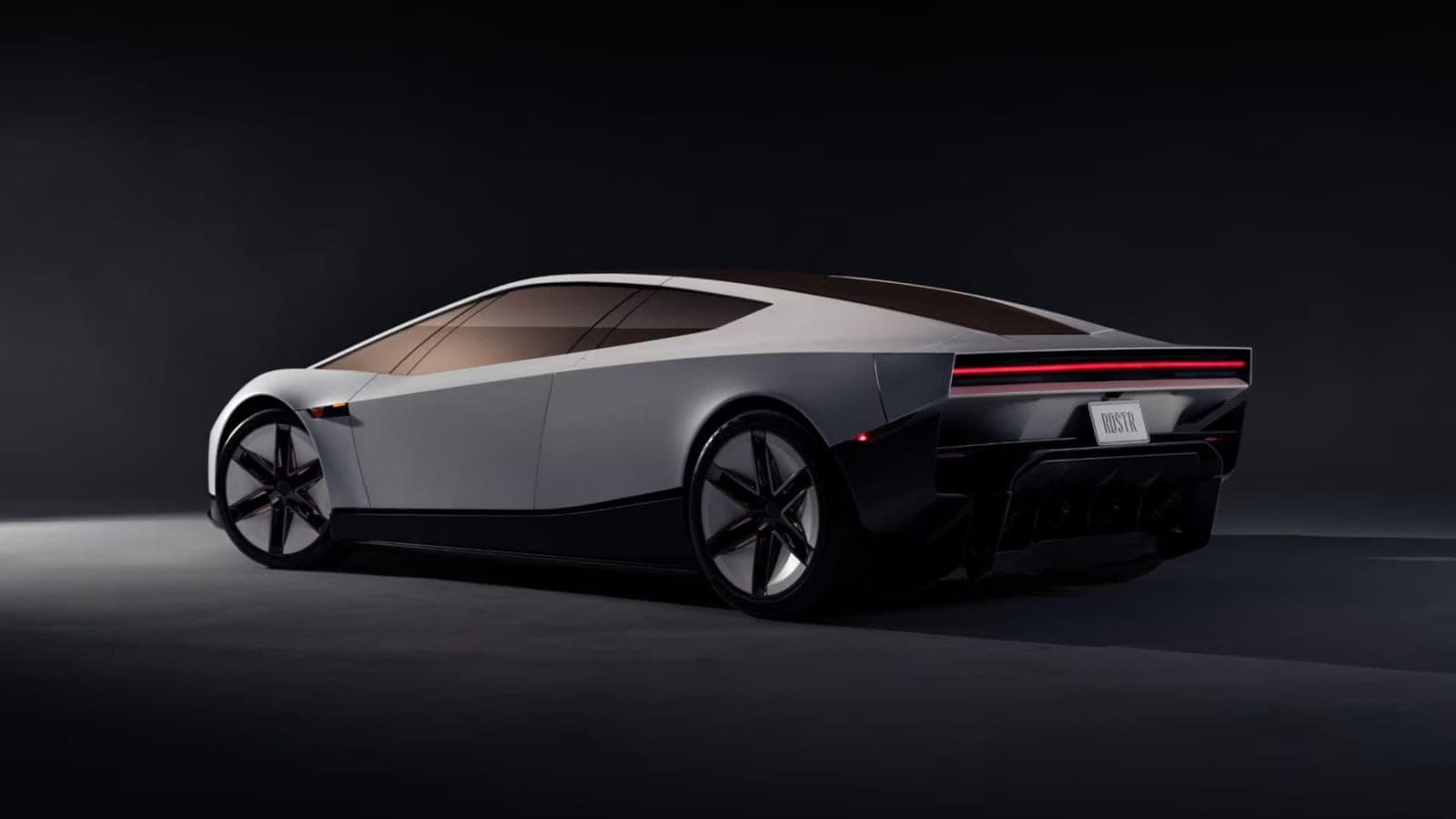
Nine years after the first reveal, Tesla showed the second-generation Roadster in Texas with SpaceX cold-gas thrusters, three trims, $50,000 reservations and production planned for 2028.
Tesla's Model 3 and Model Y can now power your house in a blackout
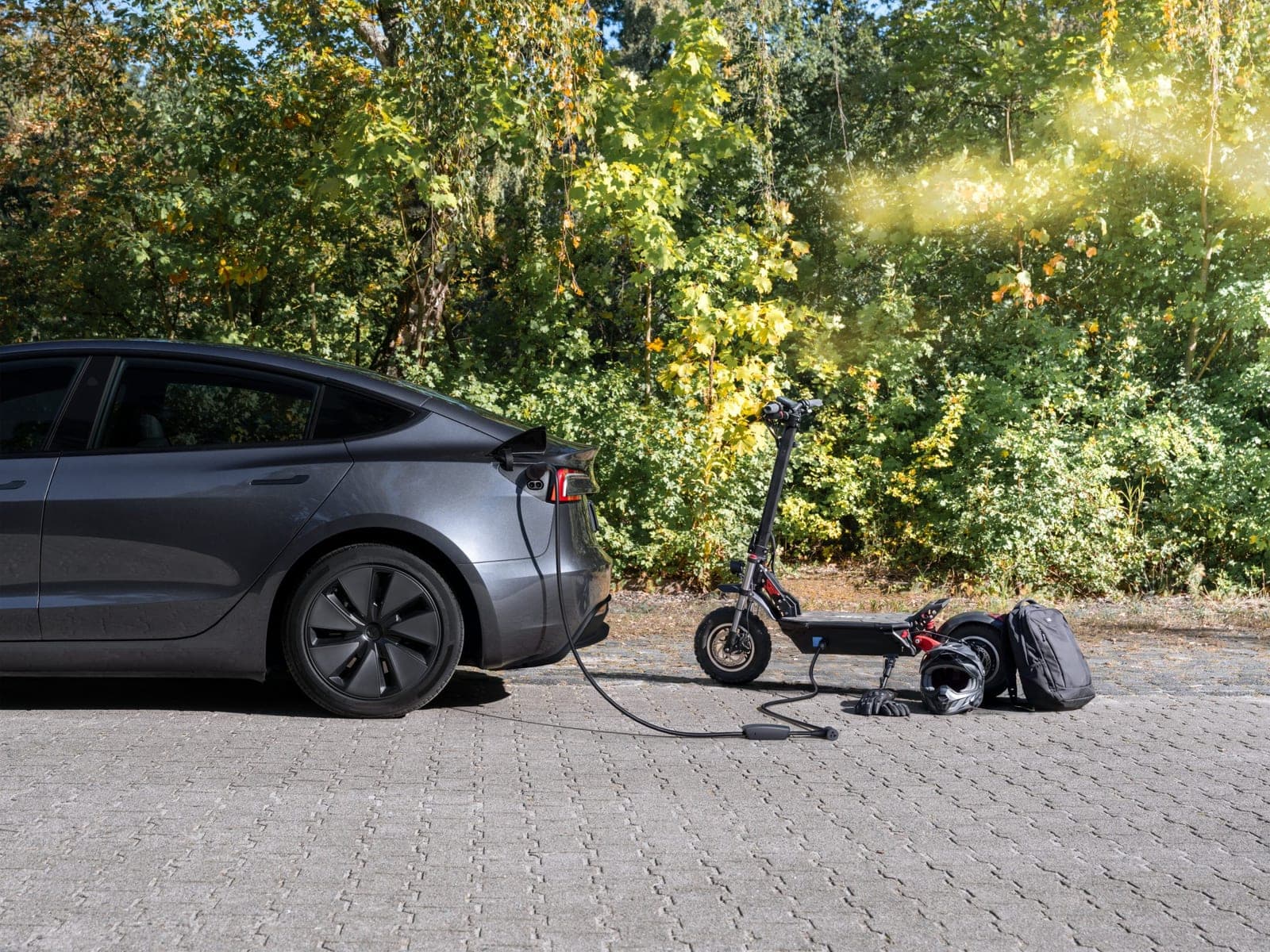
Tesla turned on Powershare Home Backup for new Model 3 and Model Y cars in the US. Paired with a Powerwall 3, the car can keep a home running for over two extra days.
Tesla delivered 486,532 cars in Q3, beating every Wall Street estimate
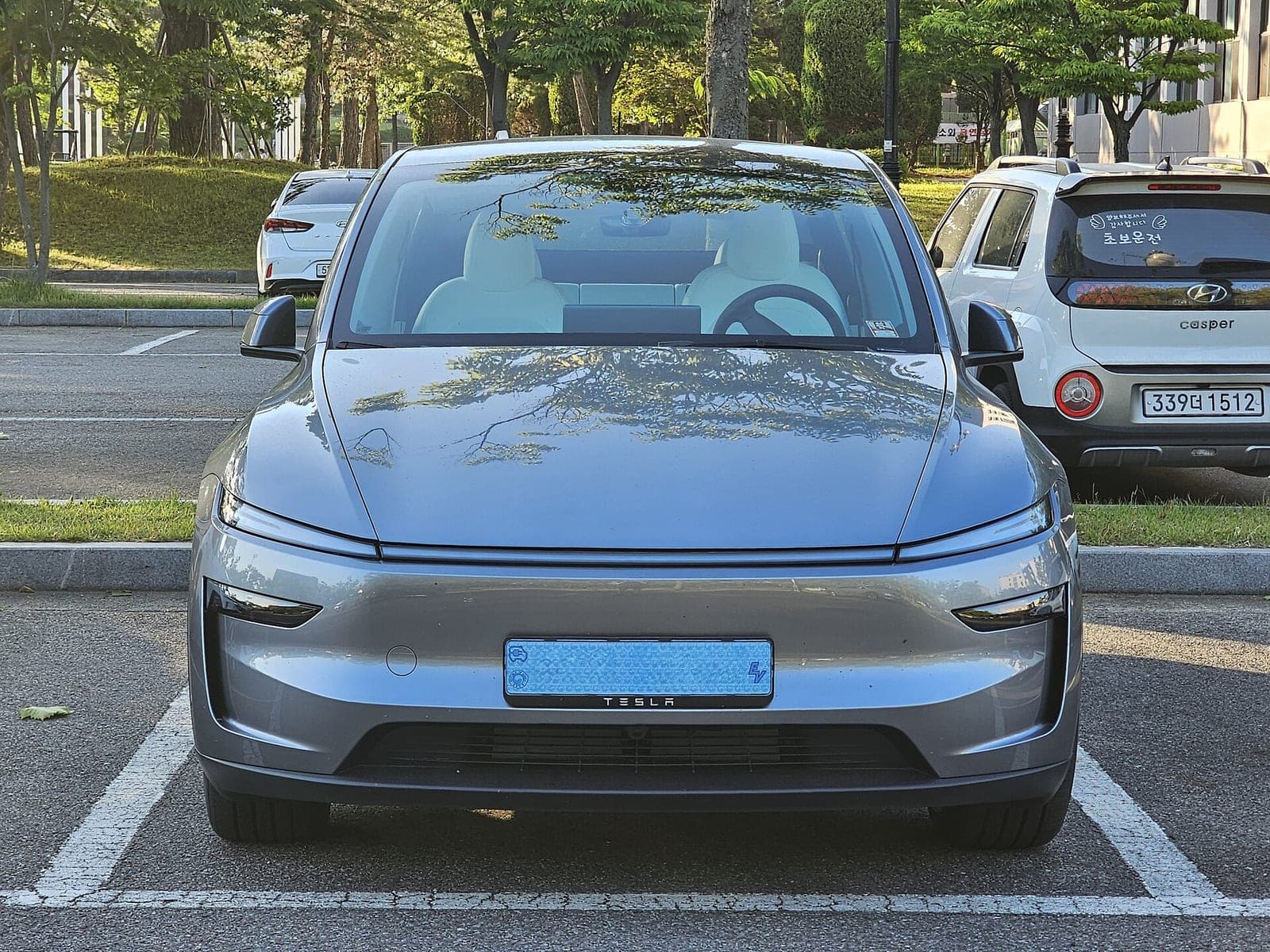
Deliveries slipped 2.1% from last year's tax credit record but topped the analyst consensus by about 25,000 cars, as Tesla sold more than it built for a second quarter in a row.
More in brief
- YouTube is going back on the Billboard charts in 2027Nov 9
- Apple starts selling $50 packs for extra Apple Intelligence useNov 9
- Windows 11 tests a way to switch off the Sticky Keys popup for goodNov 9
- US regulators question whether Waymo's school bus fix workedNov 9
- NVIDIA unveils GR00T 2 and Isaac Lab 3.0 to teach robots delicate workNov 9
- Tesla launches its robotaxi service in San Antonio, its eighth cityNov 9