
Technology·News & analysis
SpaceX launches Starlink Mini 2 with a swappable battery for $999
SpaceX's laptop-size satellite dish now runs up to 4.5 hours without a plug, and you can swap in a spare battery. It reportedly costs $999.

Tide
Wave
Sci-fi
5/10
Reality
Shipping
Internet from space, now with spare batteries.How we rate
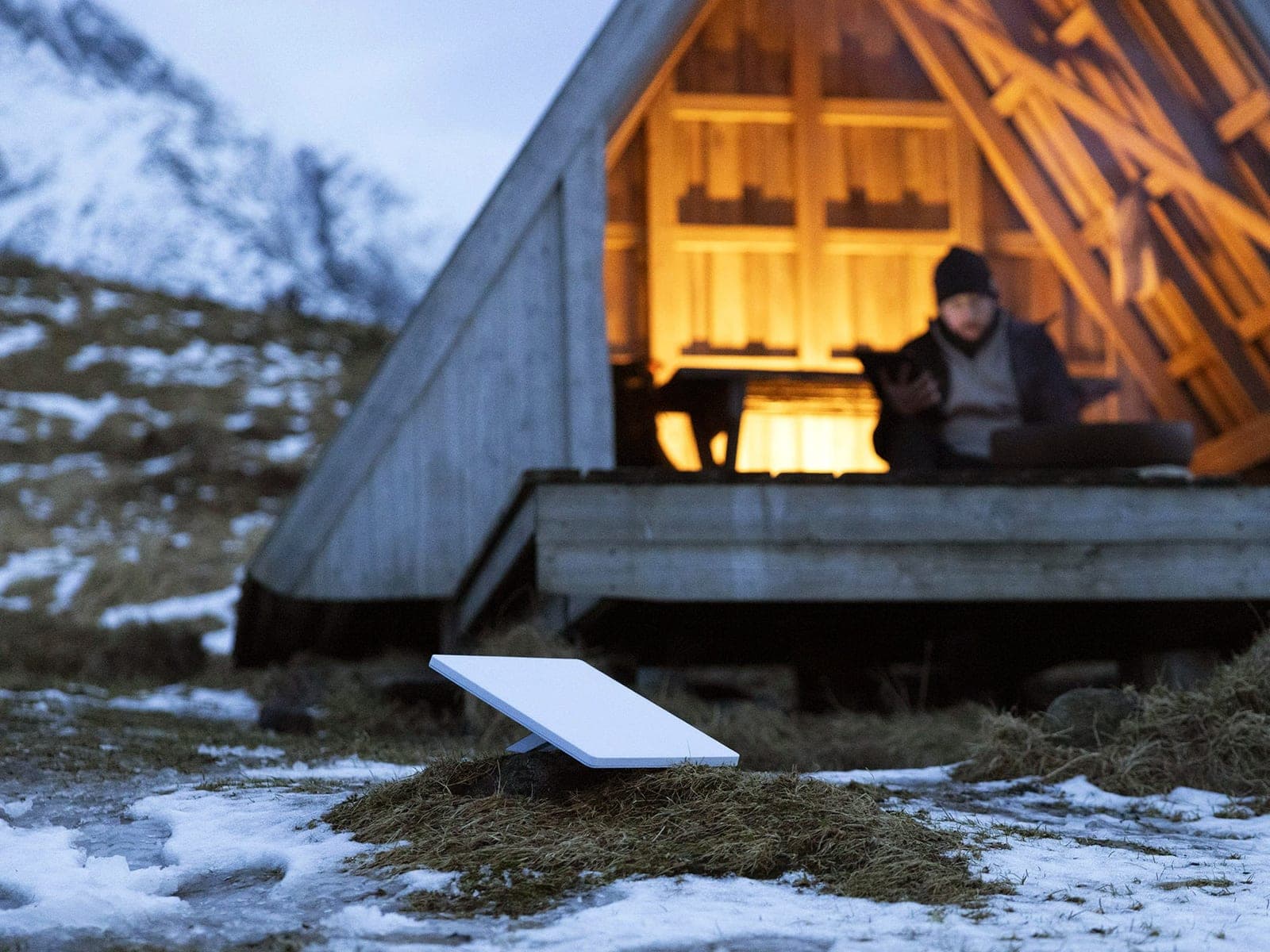
SpaceX announced Starlink Mini 2, a laptop-size satellite internet dish with a removable 71 Wh battery that runs it for up to 4.5 hours.
It also upgrades the built-in router to Wi-Fi 6. Users who shared invitations say it costs $999 with a year of Roam Unlimited service. Preorders are open to select US customers, with shipments expected from mid-December and more countries coming later.
What to know
- SpaceX announced Starlink Mini 2, a laptop-size satellite dish with a built-in router and a removable battery.
- The battery runs the dish for up to 4.5 hours, and extra batteries are sold separately.
- The router moves from Wi-Fi 5 to Wi-Fi 6, and the price is reportedly $999 with a year of Roam Unlimited.
- Preorders are open by invitation to select US customers, with shipments expected from mid-December.
SpaceX has announced Starlink Mini 2, a satellite dish that carries its own battery. The big question for anyone who camps, sails or works from remote places: is a spare battery enough to make internet from space truly portable?
SpaceX announced the device on Tuesday, November 10. It puts a dish, a Wi-Fi router and a battery into one unit about the size of a laptop. Here is what you get and what it costs.
What is Starlink Mini 2?
Starlink is SpaceX's satellite internet service. Its satellites circle the planet in low Earth orbit, which means a few hundred miles up. That is much closer than older internet satellites, so the signal comes back faster.
The Mini is the small, travel-friendly dish. The original needed a power source at all times, so travelers carried extra gear. Mini 2 fixes that with a battery built into the design.
- Runtime: up to 4.5 hours on a full charge, SpaceX says.
- Spare batteries: sold separately, and you can hot-swap them, which means changing the battery while the dish stays on.
- Wall power: the dish can also run from a 60 watt USB-C source.
How big is the battery?
The removable pack is rated at 71 watt-hours, a measure of stored energy. It weighs about 1.08 pounds, or 490 grams. For comparison, many airlines allow batteries up to 100 watt-hours in carry-on bags, so a spare is easy to pack.
The pack has its own LED lights and its own USB-C charging port. It supports 60 watt USB-C Power Delivery, a standard that lets one cable carry a lot of power.
The retail kit includes a compatible 60 watt wall adapter and a three-meter USB-C cable. The dish also gets a physical power button. The first Mini simply turned on when you plugged it in.
In real life Picture a weekend at a lake. You set the dish on a picnic table, run a video call on battery power, then swap in the spare and keep going while the first pack charges in the car.
What else changed?
The router inside the dish moves from Wi-Fi 5 to Wi-Fi 6. Wi-Fi 6 is a newer wireless standard that handles many devices at once better than Wi-Fi 5. The built-in router covers about 1,800 square feet, or 167 square meters.
The hardware gets a few practical touches:
- Weather rating: IP67, the same dust and water protection as before.
- Kickstand: foldable, so the dish can stand at an angle.
- Tripod thread: a standard 1/4-inch-20 mount, the size cameras use.
- Field of view: a 55 degree view of the sky for finding satellites.
The dish is also a bit heavier because of the battery. It weighs around 3.5 pounds. The first Mini was officially listed at 2.43 pounds, or 2.56 pounds with its kickstand.
How much does it cost?
SpaceX's own order page is not public to everyone yet. Users who got invitations shared screenshots on X, and they show a price of $999. That includes a full year of Roam Unlimited service, which SpaceX values at $2,100.
That is a big jump from the dish alone. Just before the launch, SpaceX cut the original Mini to $149, down from $599 when it debuted in June 2024. Roam plans for it start at $55 a month for 100 GB of data.
The price comparison looks like this:
| Original Mini | Mini 2 | |
|---|---|---|
| Launch price | $599 for the dish (June 2024) | $999 with a year of Roam Unlimited (reported) |
| Battery | None, needs external power | Removable 71 Wh pack |
| Wi-Fi | Wi-Fi 5 | Wi-Fi 6 |
| Weight | 2.43 lb | About 3.5 lb |
Why it matters: the $999 buys the dish and a year of unlimited service together. You are paying for the plan as much as for the hardware.
What did the first Mini offer?
The original Mini launched as a limited trial in June 2024 for select US subscribers. SpaceX priced the kit at $599, and many fans had hoped for about $299. SpaceX said that lower price might come later, in regions where connectivity had been unaffordable or unavailable.
Its official numbers show what Mini 2 builds on:
- Power use: an average of 25 to 40 watts, which is why it needed a steady power source.
- Weather: an operating range of -30 to 50 degrees Celsius, and wind of 60 mph or more.
- Snow: it could melt up to 1 inch of snow an hour.
- Wi-Fi coverage: up to 1,200 square feet, which Mini 2 raises to about 1,800.
At launch, SpaceX also offered a $30 monthly Mini Roam plan with 50 GB of data on top of an existing home plan. Since then, the prices of both the dish and the plans have moved a lot. The dish went from $599 to $229 in November 2025, then to $199 in January 2026, and finally to $149.
When can you get one?
Preorders are open "by invitation for select US customers," according to the Starlink website. SpaceX says it is "coming soon" to more customers and countries. Shipments are expected to begin in mid-December.
That means most people cannot order yet. Expect the invitation list to grow in the coming weeks as SpaceX opens it up.
What about the leaks?
Mini 2 did not arrive as a surprise. In July, network engineer Oleg Kutkov shared details from the dish's software and hardware. He said the terminal had entered production with a built-in four-cell lithium battery and a USB-C port for charging.
The same leak made a less welcome claim. It said the dish transmits only about 11% of the time, compared with 75% on the first Mini. That figure is called the duty cycle. A lower one saves power, but it could mean slower uploads.
The leaker believed this was a result of the new power budget. SpaceX has not confirmed it. The final design also uses a removable pack, not a fixed one, so treat the leak as a hint, not a spec sheet.
Independent tests will show how fast uploads really are. If you send big files or run video calls, wait for them before you buy.
What's next for Starlink hardware?
SpaceX has been busy. The Starlink network recently passed 12 million customers, up from 6 million a year earlier, according to the ISPreview site's July report. Around 10,840 satellites are in orbit.
Smaller, cheaper dishes help SpaceX reach people who move around. That group includes campers, boaters, truckers and people who live in remote places.
A removable battery also opens up uses beyond the car. A hiker can carry the dish and a spare pack. A small team can run an emergency hub for hours without a generator. Whether SpaceX sells enough spare batteries to make that common is a question for the coming months.
What it means for you
- Campers and travelers: you can get online for a few hours without finding a power outlet, and a spare battery doubles that.
- Remote workers: Wi-Fi 6 and a bigger coverage area help if several devices share one dish.
- Budget shoppers: the original Mini at $149 is cheaper to start, though it needs external power.
- Heavy uploaders: wait for independent speed tests before paying $999.
The bottom line
Starlink Mini 2 makes satellite internet truly portable by adding a battery you can swap in the field. It costs far more than the old Mini, but the reported price includes a year of unlimited service. Most people cannot order it yet, so the real test starts when shipments arrive in mid-December.
Key facts
- Battery life
- Up to 4.5 hours per charge
- Battery
- Removable 71 Wh pack, sold separately as a spare
- Wi-Fi
- Wi-Fi 6, about 1,800 sq ft of coverage
- Reported price
- $999 with a year of Roam Unlimited
- Shipping
- Expected from mid-December
Got questions?
Quick answers, plain wordsWhat is Starlink Mini 2?
It is the second version of SpaceX's smallest satellite internet dish. It puts the dish, a Wi-Fi router and now a battery into one device about the size of a laptop.
How long does the battery last?
SpaceX says up to 4.5 hours on a full charge. You can add time by swapping in another charged battery or by plugging the dish into a 60 watt USB-C power source.
How much does Starlink Mini 2 cost?
Users who shared screenshots of their order invitations say it costs $999, which includes a full year of Roam Unlimited service that SpaceX values at $2,100. Spare batteries cost extra.
When can I get it?
Preorders are open by invitation for select US customers. SpaceX says it is coming soon to more customers and countries, and shipments are expected to begin in mid-December.
Does it need an extra power source?
Not for the first few hours. The original Mini had to be plugged into a power source all the time. Mini 2 has its own battery, and it can also run from USB-C power.
Is it waterproof?
It keeps the IP67 rating of the first Mini. That rating means it is sealed against dust and can handle water, so it is safe to use outdoors.
What is new compared with the original Starlink Mini?
The big changes are the removable battery, a power button, Wi-Fi 6 instead of Wi-Fi 5, a foldable kickstand and a tripod mount. It also weighs more, at around 3.5 pounds.
Do I need a Roam plan to use it?
Yes. Mini dishes need a Roam plan, which is Starlink's service for people on the move. The reported $999 price includes a year of the Unlimited version.
Will Mini 2 upload more slowly?
A July leak said the dish transmits much less of the time to save power, which could mean slower uploads. SpaceX has not confirmed that, so treat it as unproven until tests arrive.
SourcesStarlink
Topics and tagsSpace tech, spacex, starlink, satellite internet
Related stories
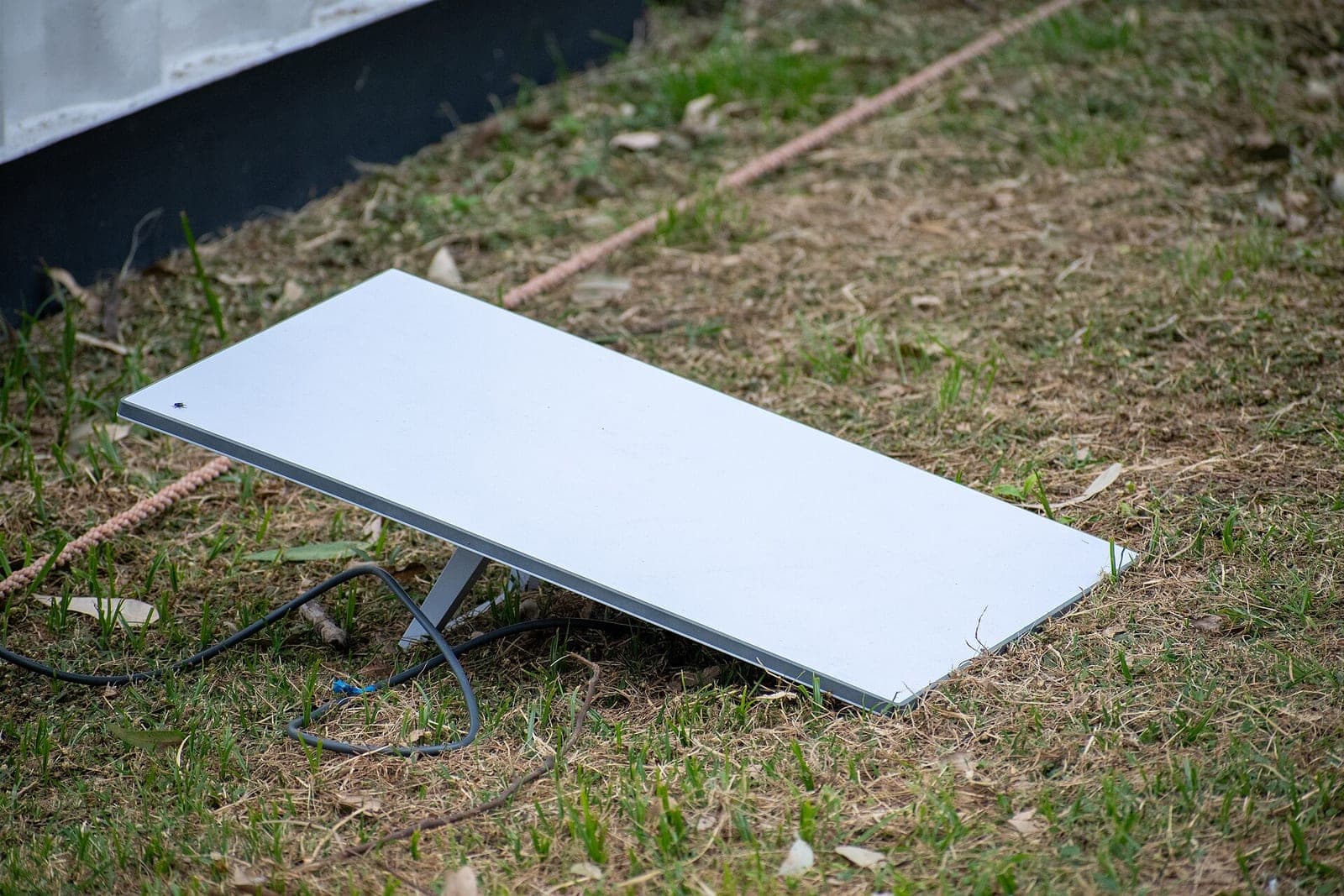
SpaceX picks Qualcomm chips for Starlink Mobile's US 5G network
Qualcomm will supply the radio and processing chips for tens of thousands of Starlink Mobile cell sites across the US, with the first ones going up in 2027.
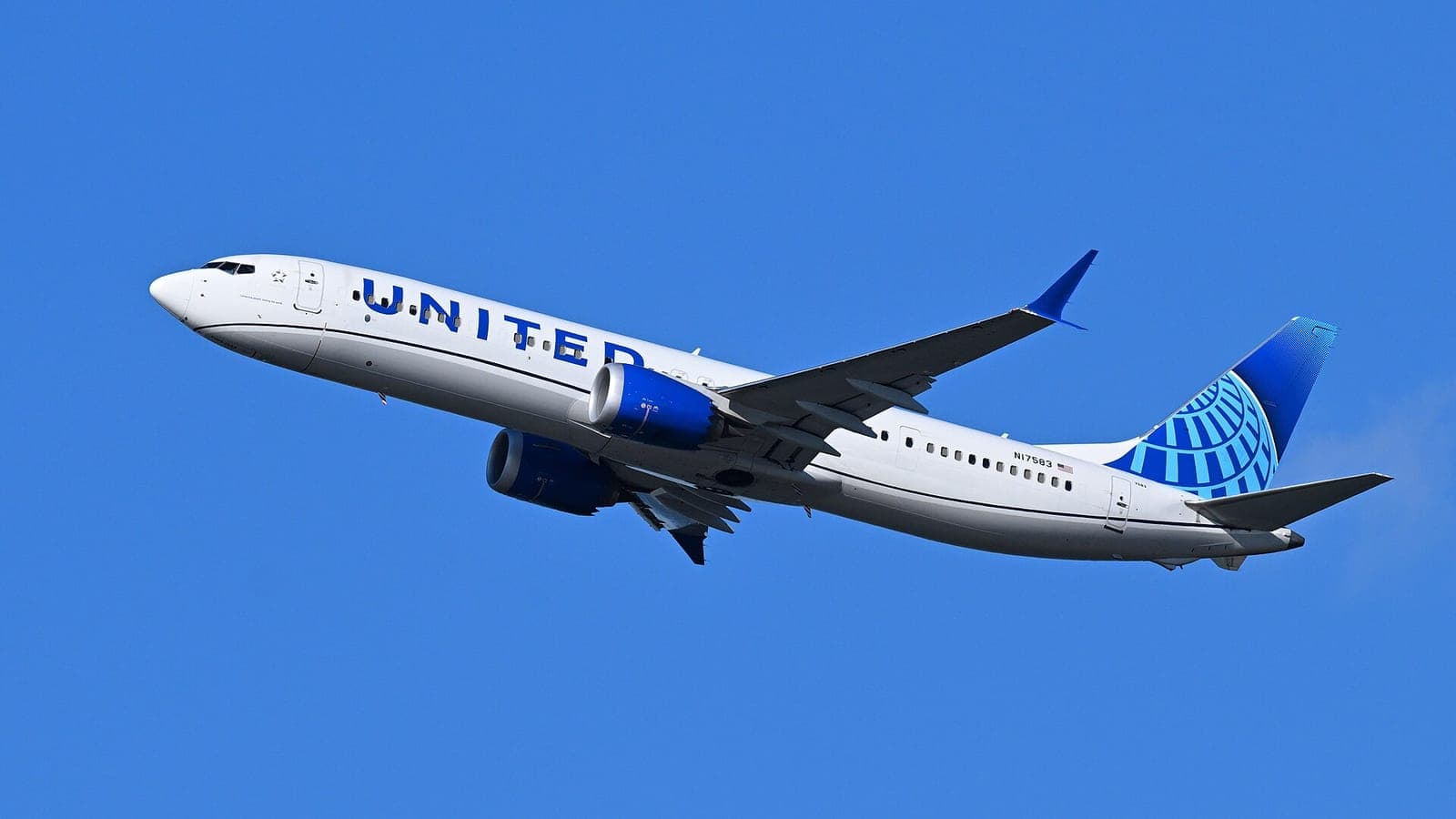
United now lets you check if your flight has Starlink Wi-Fi
United launched a tracker that shows whether your plane has Starlink, and says nearly half of its daily departures already have the satellite Wi-Fi.
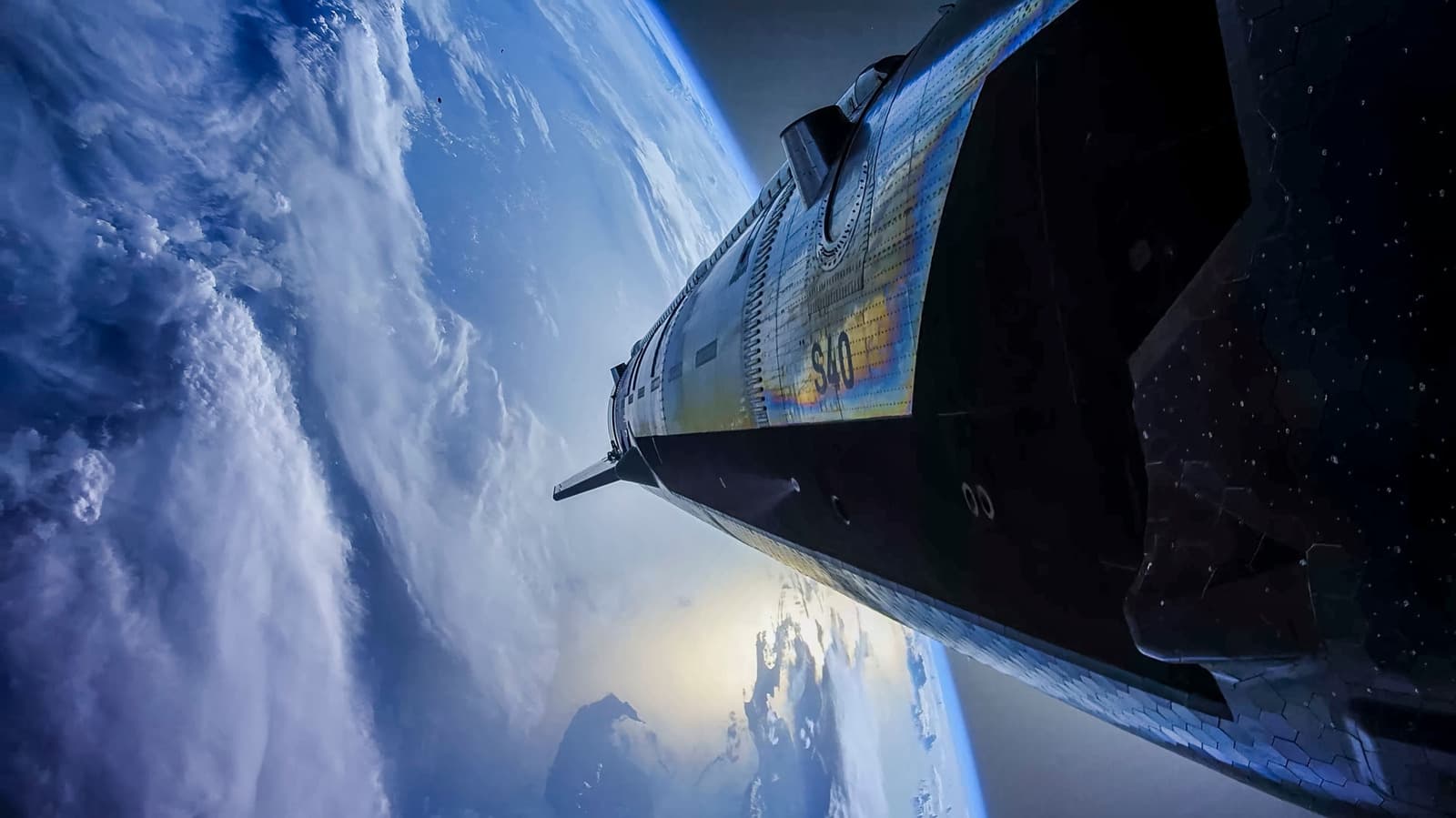
SpaceX's Starship reaches orbit for the first time, despite losing an engine
SpaceX's Starship reached Earth orbit for the first time on its 14th test flight, deploying 26 Starlink satellites despite one of its engines shutting down early.
More in brief
- FAA lifts a nationwide ground stop after a communications outageNov 14
- Tesla opens Cybercab orders at $29,990, plus $299 a month to drive itNov 14
- Apple Sports adds UFC with live stats for every fight on the cardNov 13
- LangChain raises $300 million at a $3 billion valuation for AI agentsNov 13
- SignDrop, a new Windows zero-day, gives attackers full System rightsNov 13
- Microsoft's AI Frontiers research group is over, says co-founder John LangfordNov 13