
Robots·News & analysis
Schaeffler opens a factory where humanoid robots build parts for humanoids
Six humanoid robots work five stations on a joint-module line in Taicang, China, and the same site trains robots for other companies.
Tide
Ripple
Sci-fi
8/10
Reality
Shipping
Robots on an assembly line, building the joints of more robots.How we rate
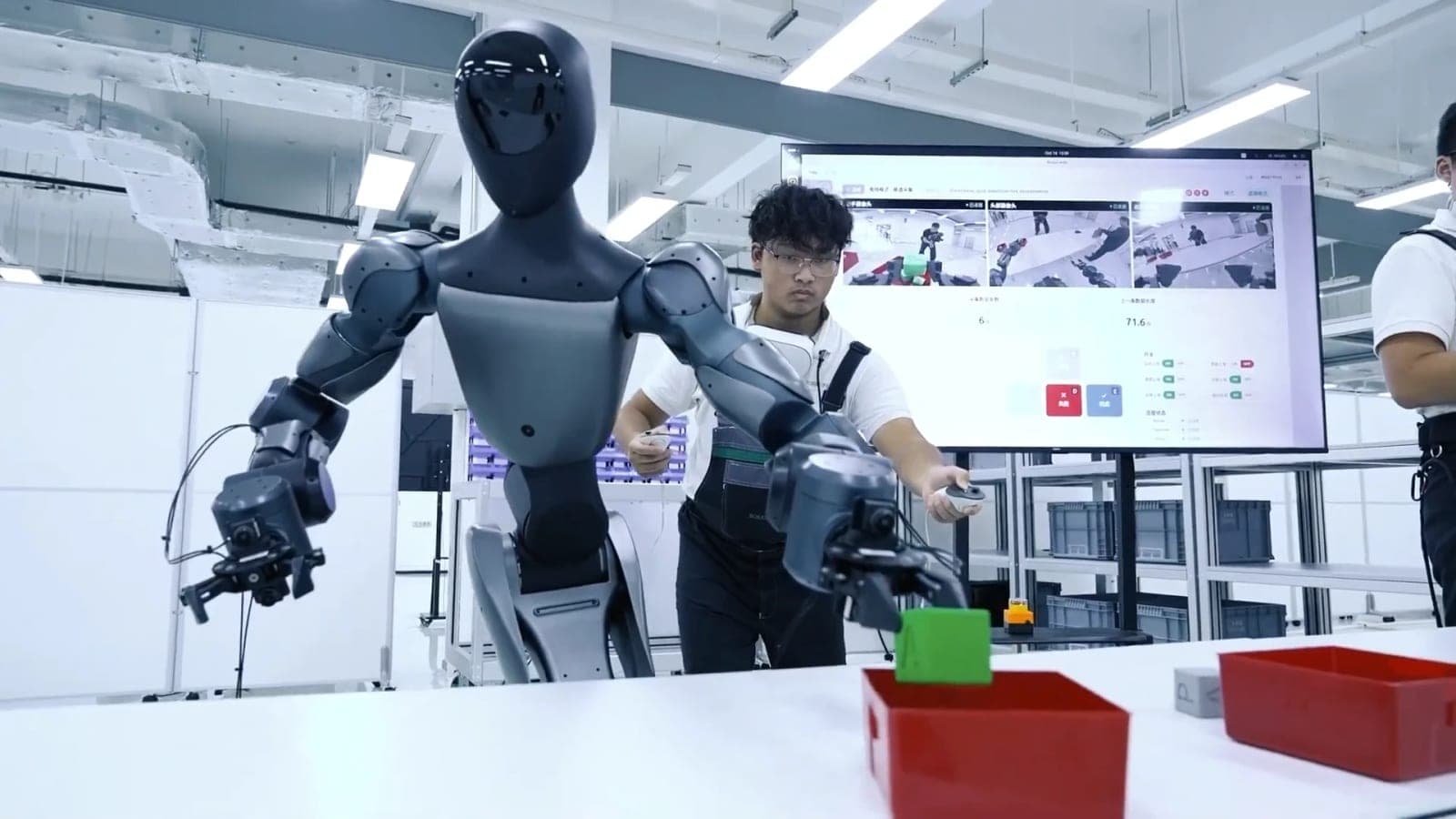
Schaeffler opened a 7,500 square meter lighthouse factory in Taicang, China, where six humanoid robots work five stations on a line that makes actuators and joint modules for the next generation of humanoids.
The site also trains and tests robots for customers, with a digital twin mirroring the line. Schaeffler says its humanoid orders have reached about 400 million euros. The company has not published a production rate or named the robots.
What to know
- Schaeffler opened a 7,500 square meter humanoid "lighthouse" factory in Taicang, China, on October 20.
- Six humanoid robots work at five stations on a line that makes linear and rotary actuators for the next generation of humanoids.
- The same site trains and tests physical AI for customers, with a digital twin that mirrors the line in real time.
- Schaeffler says its global humanoid robotics orders rose to about 400 million euros after two new Greater China customers in Q3 2026.
Schaeffler announced that it has opened a factory in Taicang, China, where humanoid robots assemble the joints for other humanoid robots. That's the news. Now the fun part: what does a robot-built robot part actually look like?
What did Schaeffler open?
The German motion technology company calls it a lighthouse factory for humanoid robotics. It opened on October 20 and covers about 7,500 square meters.
Under one roof, Schaeffler says, it houses four things:
- An intelligent assembly line for key humanoid components.
- A training and data acquisition center where robots learn industrial tasks.
- A digital twin platform, a virtual copy of the line.
- A data center to run it all.
Schaeffler says the building covers the whole path, from testing a single robot skill to using it in real manufacturing. Humanoids Daily describes the site as one that combines robot-component production with training, data collection and digital twins.
Why it matters: Schaeffler says the factory marks the start of mass production of these components for the company. It also gives customers and partners a place to train and test physical AI systems in real industrial conditions.
What do the robots actually do?
Six humanoids work together at five stations on the line, according to Schaeffler. They do five jobs in a row:
- Stage and sort the parts.
- Join the parts together.
- Inspect the result.
- Label it.
- Package it.
The finished products are what Schaeffler calls key components of humanoid robots, including linear and rotary actuators and joint modules. Schaeffler describes the idea as "humanoids making humanoids."
An actuator is the part that makes a joint move. If a humanoid robot has a shoulder, an elbow and a knee, each one needs something to turn electric power into motion. That is the thing being assembled here.
In real life Think of a bakery where the oven mitts are sewn by the same people who will later wear them. The line makes the gear that the next generation of workers will use.
Is it really robots building whole robots?
Not quite, and Humanoids Daily is careful about it. The outlet notes that the announced scope is joint modules and other key components, not complete robots.
That matters for the headline. A humanoid has many parts, and this line makes some of the moving ones.
Schaeffler has not said which humanoids work on the line. Manufacturing Digital reports that the brand and model of the six robots have not been disclosed.
The company also has not published a production rate, how often people need to step in, or how much productivity the robots add. Humanoids Daily points out that those numbers will decide how far this model can grow.
What is the digital twin for?
A digital twin is a virtual replica that mirrors what happens on the real line, in real time. Schaeffler says sensors record several things:
- Assembly accuracy at each step.
- Duration of each individual work step.
- Energy consumption of the line.
- Asset condition, meaning how the equipment is doing.
Because of that, Schaeffler says, changes can be tested digitally and tuned before they reach the real line. The company says this leads to significantly shorter development times and more stable production.
Think of it as rehearsing a dance in a mirror before you go on stage. The mirror is allowed to make mistakes, and nobody has to sweep up.
How does the training side work?
The second half of the building is a training and data acquisition center. Schaeffler trains humanoids there for industrial tasks. The list it gives:
- Visual inspection of parts
- Packaging
- Material handling and transport
- Container moving
- Line-side material replenishment
The training setups are modeled on conditions in Schaeffler's roughly 100 manufacturing plants. That means a skill learned in Taicang can be tested and fine-tuned on the actual line, the company says.
Schaeffler adds that robot performance keeps improving as data from training, simulation and production is linked together. The humanoid.guide site, citing Gasgoo, reports six categories of industrial training scenarios and describes the site as a collaboration platform for Chinese robotics companies working on deployment.
What about the orders?
Schaeffler says it recently won two new customers from the Greater China region in the third quarter of 2026. With them, global incoming orders for humanoid robotics rose to about 400 million euros.
Manufacturing Digital converts the figure to about US$449 million. Humanoids Daily adds an important detail: that is orders, not recognized revenue. The release does not name the new customers or give a delivery schedule.
According to humanoid.guide, the figure covers Schaeffler's humanoid robotics orders overall, not orders tied to the Taicang site alone.
By the numbers: Manufacturing Digital also cites McKinsey research from April 2026. It puts typical hardware costs per humanoid at US$30,000 to US$150,000, with actuators making up 40 to 60% of the bill of materials.
If actuators really are that big a share of the cost, a company that makes them at scale sits in a very useful spot.
How did Schaeffler get here?
The Taicang factory is the newest step in a longer push, according to Manufacturing Digital and Humanoids Daily:
- March 2025: Schaeffler debuted a humanoid component portfolio with actuators, gearboxes, sensors and motors for robot makers.
- Early 2026: Schaeffler set up a dedicated robotics company in Taicang, according to humanoid.guide.
- January 2026: a strategic partnership with Humanoid, a UK-based robot maker, under which Schaeffler acquired Humanoid's robots to use in its own operations, Manufacturing Digital reports.
- October 20, 2026: the lighthouse factory opens.
So Schaeffler plays two roles at once. It supplies the mechanisms that move humanoids, and it uses humanoids in its own factories. Humanoids Daily calls it a factory operator that is also a supplier to the robots working inside it.
Dr. Jochen Schröder, who sits on the Schaeffler AG board for production, put it this way in the release: "We are creating something that has never before been seen in Schaeffler's global network: a closed manufacturing loop where humanoids assemble components for humanoids."
Dr. Yilin Zhang, Regional CEO Greater China, said China's humanoid robotics industry is entering a fast growth period. Schaeffler says the opening is another move in its long-term commitment to China.
How does this fit the wider robot picture?
Humanoids in warehouses and factories are getting more real, one site at a time. We covered how Agility picked Nyobolt batteries so Digit 5 can recharge in nine minutes, which is about keeping a humanoid on the job longer.
The Schaeffler story sits one step earlier in the chain. It is about who makes the joints, and how quickly they can be built. We also covered Innodata's motion-capture lab for humanoid training data, which is the training side of the same picture.
The catch: nearly every number here comes from Schaeffler's own release. The six robots are not identified, and no productivity figures have been shared.
What it means for you
- If you work in manufacturing: this is an early look at how a big supplier plans to mix people, robots and digital twins on one line.
- If you follow robotics: the supply chain is where a lot of the action is. Whoever makes the joints at scale shapes how many humanoids get built.
- If you are a customer or partner: Schaeffler says you can train and test your own physical AI systems at the site under real industrial conditions.
- If you just like the idea: you will not meet one of these robots at home soon. This is an industrial story.
The bottom line
Schaeffler opened a Taicang factory where six humanoids assemble actuators and joint modules for the next generation of humanoids. The same site trains and tests robots for customers and uses a digital twin to tune the line.
It is a real line with a real order book behind it, according to the company. What it still has to show is how fast it runs and how often the robots need help.
Key facts
- Opened
- October 20, 2026, Taicang, China
- Size
- About 7,500 square meters
- Line
- Six humanoids at five stations
- Output
- Linear and rotary actuators, joint modules
- Humanoid orders
- About 400 million euros (Schaeffler)
Got questions?
Quick answers, plain wordsWhat did Schaeffler open in Taicang?
A lighthouse factory for humanoid robotics on about 7,500 square meters. It holds an assembly line, a training and data acquisition center, a digital twin platform and a data center, according to Schaeffler.
What do the humanoid robots do there?
Six humanoids work at five stations. They stage and sort parts, join them, then inspect, label and package the finished components, Schaeffler says.
What are the robots building?
Key components for humanoid robots, including linear and rotary actuators and joint modules. Humanoids Daily points out that the scope is parts, not complete robots.
Which robots are used on the line?
Schaeffler has not said. Manufacturing Digital reports that the brand and model of the six humanoids have not been disclosed.
What is an actuator?
The part that makes a joint move. In a humanoid, actuators sit in places like the shoulders, elbows, hips and knees, and they turn electric power into motion.
Is this mass production?
Schaeffler says the lighthouse factory marks the start of mass production of these components for the company. It has not published a production rate or an output target.
How big is Schaeffler's humanoid robotics business?
Schaeffler says global incoming orders for humanoid robotics rose to about 400 million euros after it won two new customers in Greater China in the third quarter of 2026. Manufacturing Digital converts that to about US$449 million. Humanoids Daily notes these are orders, not recognized revenue.
Can other companies train robots there?
Yes. Schaeffler says customers and partners can train and test physical AI systems in real industrial conditions at the site, using training scenarios based on its roughly 100 manufacturing plants.
What is a digital twin here?
A virtual copy of the line that mirrors what happens on the real one. Sensors record assembly accuracy, step duration, energy use and equipment condition, so changes can be tested digitally first.
Did Schaeffler say who the new customers are?
No. According to Humanoids Daily, the release does not name the two customers or give a delivery schedule for the orders.
SourcesSchaeffler
Topics and tagsHumanoid robots, Industrial robots, robots, humanoids
Go deeper
- ExplainerWhat is a humanoid robot?A humanoid robot is a machine built in the shape of a person, with a torso, head, arms and usually legs, so it can...
- ExplainerWhat is fine-tuning an AI model?Fine-tuning takes an AI model that has already learned from huge amounts of general data and trains it a bit more on...
Related stories
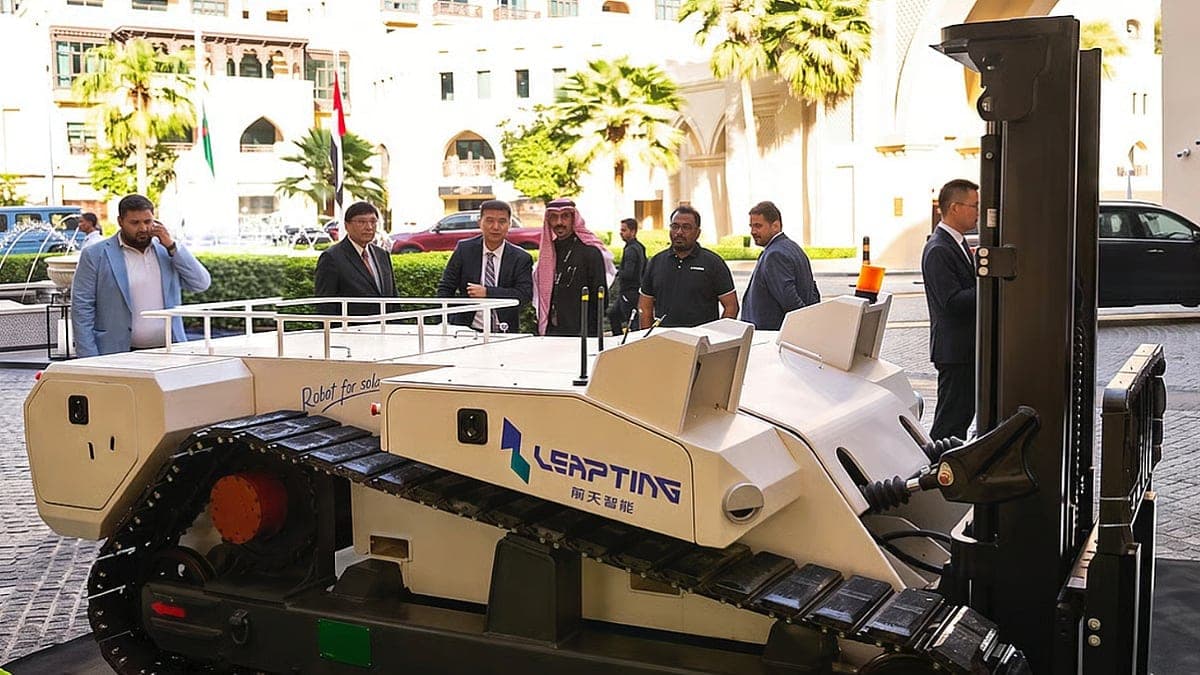
LEAPTING launches a self-driving forklift robot for solar farm construction
The tracked robot carries 3,000 kg pallets of solar panels from storage yards to installation rows with no driver and no flagman.
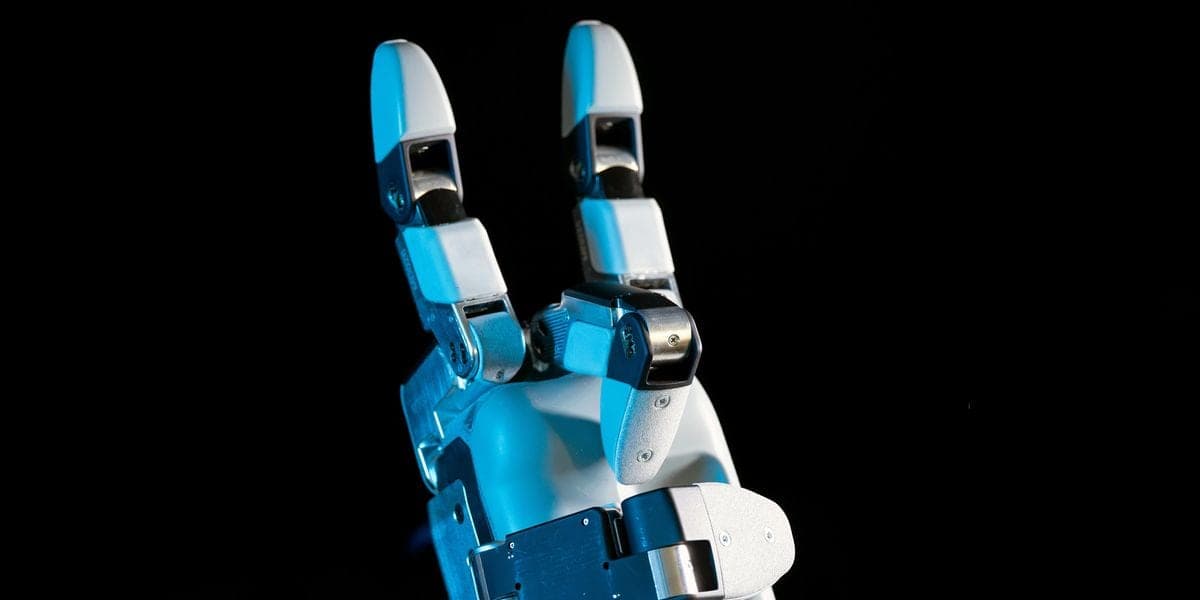
Boston Dynamics gave its Atlas robot a four-fingered hand on purpose, and it works better than five
Boston Dynamics redesigned Atlas's hand with 13 degrees of freedom and only four digits, dropping the pinky entirely because the team found reliability and manufacturability mattered more than looking human.
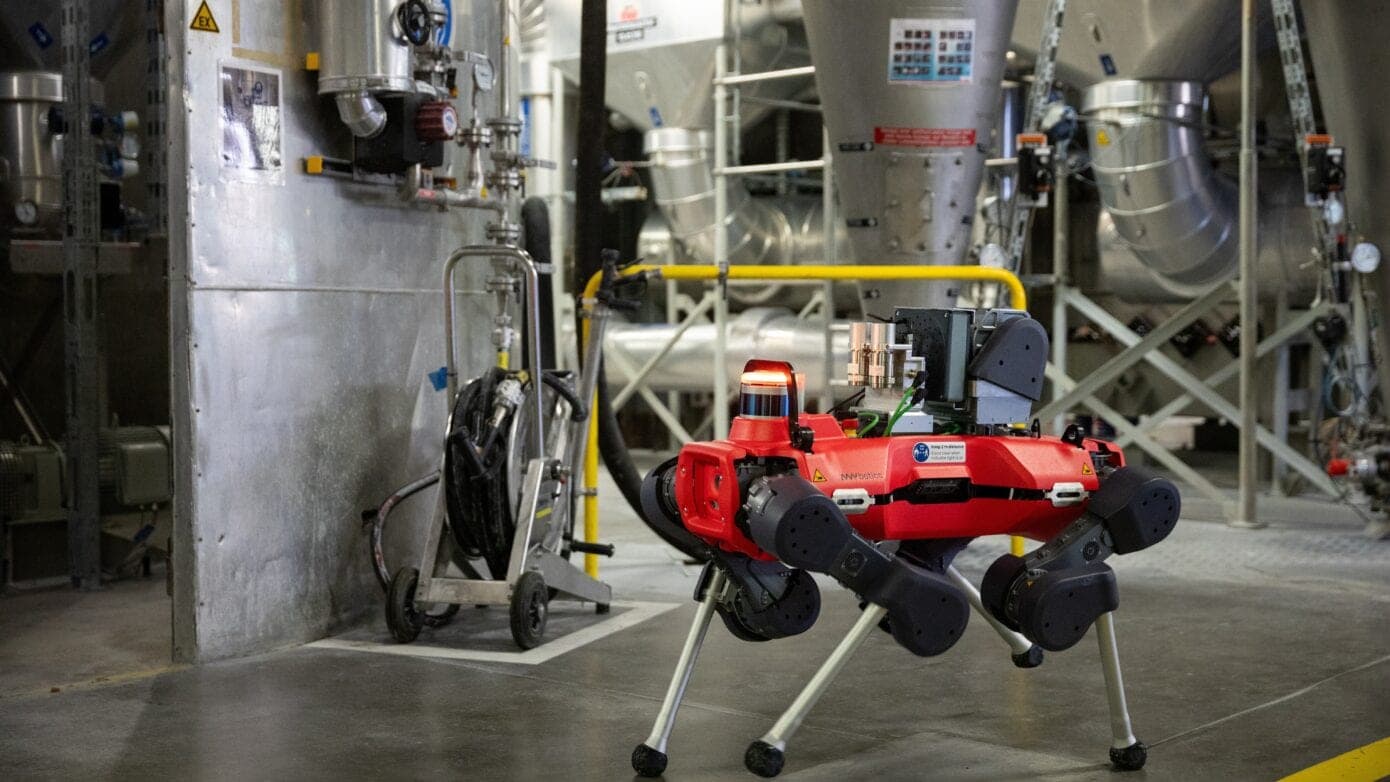
Robot dogs are now doing the night shift at factories, and software just started supervising them
ANYbotics rebranded its Data Navigator software into Shift, a platform that schedules and supervises fleets of its four-legged ANYmal robots as they inspect industrial plants around the clock.
More in brief
- Spotify's Family plan now asks some members to scan a QR codeOct 22
- Dream Labs raises $90M and opens a public API for one robot brainOct 22
- Agile Robots launches Agile ONE SN, a small humanoid for research labsOct 22
- NEURA and TUM open RoboGym in Munich and show the 4NE1 Gen 4 humanoidOct 22
- Tesla's Q3 profit fell 43% as AI and Optimus spending climbedOct 22
- Meta creates a new class of non-voting shares to fund its AI pushOct 21