
Robots·News & analysis
Boston Dynamics gave its Atlas robot a four-fingered hand on purpose, and it works better than five
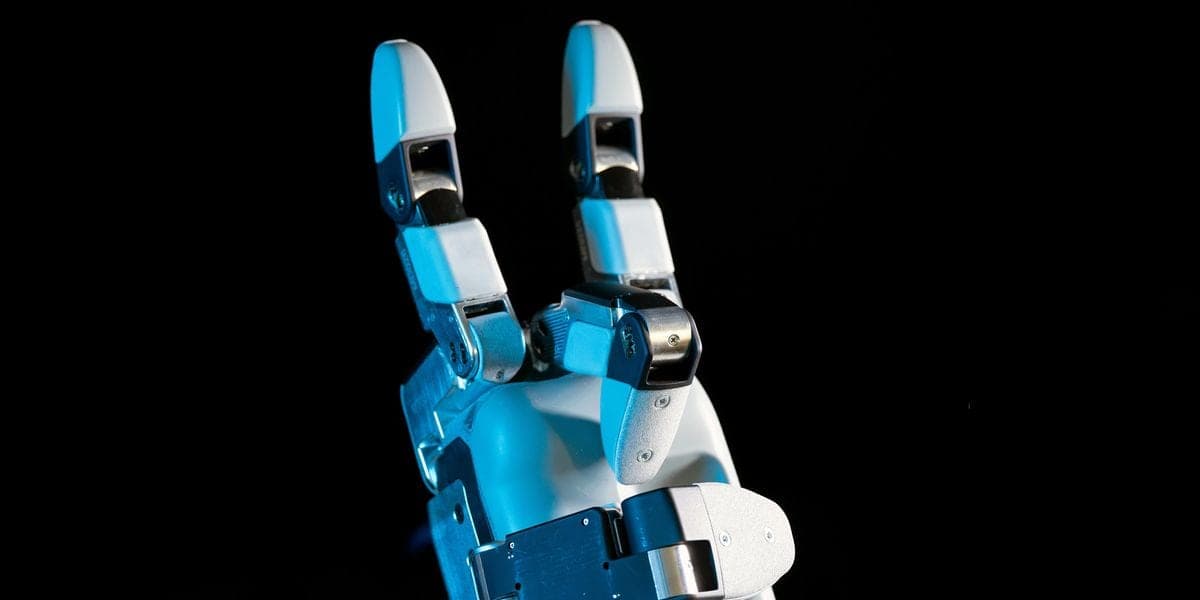
Boston Dynamics redesigned Atlas's hand with 13 degrees of freedom and only four digits, dropping the pinky entirely because the team found reliability and manufacturability mattered more than looking human.
Tide
Ripple
Sci-fi
7/10
Reality
Shipping
A robot hand that gave up a finger to get better at everything else.How we rate
Boston Dynamics redesigned Atlas's hand with 13 degrees of freedom and only four digits, deliberately dropping the pinky in favor of reliability and manufacturability over looking human.
It's a direct rejection of the industry trend toward anatomically human-like robot hands. The design bets that a hand built for mass production and durability will outperform a prettier design once robots actually reach factory floors doing real work. Boston Dynamics is now building this hand into a production-ready Atlas with Hyundai.
What to know
- Boston Dynamics redesigned Atlas's hand to prioritize reliability, manufacturability, and cost over looking human, dropping the pinky to end up with four digits instead of five.
- The new hand has 13 degrees of freedom, nearly double the previous design's 7, using fewer but larger and more powerful direct-drive actuators embedded in the joints.
- Each actuator pack is a single replaceable unit with no delicate tendons or cables, built specifically for mass production rather than research use.
- The hand can perform finger splay, a movement human hands can't do, which Boston Dynamics says helps with tool manipulation and reinforcement learning.
- Alberto Rodriguez, Boston Dynamics' Director of Robot Behavior, said the design reflects a 'ruthless design tradeoff' where many competing humanoid hands sacrifice reliability and manufacturability to look more human.
Boston Dynamics looked at the industry's rush to build robot hands that look exactly like human hands, and decided the pinky wasn't worth keeping.
What exactly changed about Atlas's hand?
Boston Dynamics redesigned Atlas's hand to prioritize reliability, manufacturability, and cost over anatomical human resemblance, dropping the pinky entirely to end up with four digits, a thumb and three fingers, instead of five.
Why it matters: that's a deliberate rejection of how most competing humanoid robot companies approach hand design. Rather than chasing a more convincingly human appearance, Boston Dynamics optimized specifically for what actually holds up in real industrial use.
How much more capable is the new hand, mechanically?
The redesigned hand has 13 degrees of freedom, nearly double the previous design's 7, achieved using fewer but larger and more powerful direct-drive actuators built directly into the joints.
In real life it's the mechanical equivalent of a stripped-down race car engine, fewer parts, each one doing more work, rather than a crowded engine bay packed with components fighting for space.
Why it matters: more degrees of freedom generally means more precise, versatile movement. Achieving nearly double the range of motion while removing an entire finger shows the redesign isn't a simplification that sacrifices capability, it's a genuine engineering improvement.
How is this hand actually built differently?
Each actuator pack in the new hand is a single replaceable unit, with no delicate tendons or cables involved, built specifically with mass production in mind rather than as research hardware.
Why it matters: tendons and cables are common failure points in robotic hand designs, prone to wear and difficult to repair. A modular, replaceable-unit approach is a much more practical design for a robot meant to work reliably on a factory floor for years, not just perform in a lab demo.
What can this hand do that a human hand can't?
The hand can perform finger splay, a spreading motion between fingers that human hands are physically incapable of, which Boston Dynamics says helps with tool manipulation and has led to useful behaviors discovered through reinforcement learning.
Why it matters: building in a genuinely superhuman capability, rather than simply matching human limitations, suggests Boston Dynamics sees the humanoid form as a flexible starting point rather than a strict blueprint to copy exactly.
What does Boston Dynamics actually say about this design philosophy?
Alberto Rodriguez, Boston Dynamics' Director of Robot Behavior, described hands as facing "a ruthless design tradeoff," explaining that many current humanoid hand designs across the industry give up reliability and manufacturability specifically to achieve a more human-like look.
Why it matters: that's a pointed, if indirect, criticism of a broader trend across the humanoid robotics industry. It frames Atlas's hand redesign as a considered bet against the idea that looking more human is automatically the right design goal.
What tasks is this hand actually meant to handle?
According to reporting on the redesign, the hand can use tools, hold triggers for equipment like drills and welding torches, and perform dexterous manipulation tasks, reflecting Atlas's broader shift toward real industrial and manufacturing work.
Why it matters: those are concrete, practical tasks tied to actual factory work, not just impressive-looking demos. A hand built around gripping tools and triggers reliably is solving for the jobs Atlas is actually being built to do.
Is this part of a bigger shift for Atlas overall?
Background: this hand redesign follows Boston Dynamics' January 2026 announcement of a production-ready version of Atlas, developed with Hyundai Motor Group, moving the robot from a research platform toward actual deployment in manufacturing environments.
Why it matters: a hand engineered specifically for mass production only makes sense in the context of that broader shift. Atlas moving from research demos toward real factory deployment is exactly the kind of transition where reliability and manufacturability genuinely start to matter more than resemblance to a human hand.
How did Atlas get to this point?
Background: the original Atlas was a hydraulic humanoid robot developed with DARPA funding, first unveiled publicly in 2013 for search-and-rescue applications. It became famous for videos of it running, doing backflips, and recovering from being shoved, but it was also loud, mechanically complex, and expensive to maintain with specialized hydraulic fluid.
In April 2024, Boston Dynamics retired that hydraulic version entirely and introduced a new, fully electric Atlas, trading some of the dramatic physical stunts for reduced cost, noise, and complexity, along with a wider range of motion than the hydraulic version ever had.
Why it matters: this hand redesign is the latest step in that same shift from flashy demonstration hardware toward something genuinely practical. Every major Atlas change since 2024, the switch to electric actuation and now the hand, has traded spectacle for the kind of reliability and manufacturability that actual deployment requires.
How does this compare to what other humanoid robot companies are doing?
Background: several competing humanoid robot companies, building robots for similar warehouse and factory applications, have pursued hand designs that more closely mimic human anatomy, aiming for five fingers and more conventional human-like dexterity.
Why it matters: Boston Dynamics choosing a visibly different path, fewer fingers, more degrees of freedom, purpose-built actuators, sets up a real industry test. As more humanoid robots move from demo videos into actual warehouses and factories over the coming years, whichever design philosophy proves more reliable in practice will likely shape how the rest of the industry builds hands going forward.
What role does Hyundai play in all of this?
Background: Boston Dynamics has been majority-owned by Hyundai Motor Group since 2021, and the two companies are now collaborating directly on deploying Atlas at actual manufacturing facilities, with Hyundai serving as the first industrial partner to test Atlas applications ahead of broader commercialization.
Why it matters: that ownership relationship gives Boston Dynamics a built-in, motivated first customer willing to deploy an unproven industrial humanoid robot at real scale, a level of access most competing humanoid robot startups don't have without first convincing an outside manufacturer to take that risk.
What it means for you
- If you work in manufacturing or industrial automation, humanoid robots built for reliability over appearance may reach your industry faster than flashier, more anthropomorphic designs.
- This is a useful signal for judging other humanoid robot announcements: a company prioritizing human-like appearance over durability and manufacturability may be optimizing for demos rather than deployment.
- Finger splay and other superhuman capabilities are worth watching across robotics broadly, since designers increasingly feel free to improve on human anatomy rather than simply replicate it.
- Expect more humanoid robot companies to publicly debate this same tradeoff, reliability versus human resemblance, as more of these robots move from labs into real workplaces.
The bottom line
Boston Dynamics looked at the industry consensus that robot hands should look as human as possible, and built something deliberately different: fewer fingers, more capability, and a mechanical design built to survive years on a factory floor rather than impress in a demo video.
Whether four fingers genuinely beats five in practice is still an open question the rest of the humanoid robotics industry will be watching very closely, but Boston Dynamics has already clearly decided the answer, at least for its own robot, is a confident yes.
Key facts
- Degrees of freedom
- 13 (up from 7)
- Digits
- 4 (thumb + 3 fingers)
- Actuator design
- Direct-drive, replaceable units
- Superhuman capability
- Finger splay
- Design priority
- Reliability over human likeness
Got questions?
Quick answers, plain wordsWhy does the new Atlas hand only have four fingers instead of five?
Boston Dynamics dropped the pinky after prioritizing reliability, manufacturability, and cost over looking anatomically human. The team reportedly tested taping their own pinkies down and found four digits, a thumb and three fingers, provided enough dexterity for the tasks Atlas needs to perform.
What are degrees of freedom, and why does going from 7 to 13 matter?
Degrees of freedom describe the number of independent ways a mechanism can move. Nearly doubling it from 7 to 13 gives the new hand significantly more ways to position and manipulate objects, despite having one fewer finger than a human hand.
What makes this hand different from other humanoid robot hand designs?
Many competing humanoid robot companies build hands designed to closely resemble human hands anatomically. Boston Dynamics instead optimized specifically for reliability, ease of manufacturing, and cost, treating human-like appearance as a secondary concern rather than the primary goal.
What is 'finger splay,' and why is it notable?
Finger splay is a spreading motion between fingers that human hands cannot perform. Boston Dynamics built this superhuman capability into the new hand specifically because it helps with tool manipulation and has led to useful behaviors discovered through reinforcement learning.
How is the new hand actually built, mechanically?
It uses fewer, larger, and more powerful actuators built directly into the joints in a direct-drive configuration, which allows the motors to be back-driven and react to force and contact. Each actuator pack is a single replaceable unit, with no delicate tendons or cables involved.
What tasks is this hand actually designed to do?
According to reporting on the redesign, the hand can use tools, hold triggers for equipment like drills and welding torches, and perform dexterous manipulation tasks, reflecting Atlas's move toward real industrial and manufacturing work.
What did Boston Dynamics say about why they made these tradeoffs?
Alberto Rodriguez, Boston Dynamics' Director of Robot Behavior, said hands involve a 'ruthless design tradeoff,' and that many current humanoid hand designs give up reliability and manufacturability specifically to achieve a more human-like appearance.
Is this hand meant for mass production, or is it still a research prototype?
Reporting describes this hand as engineered specifically for mass production, part of Atlas's broader shift from a research platform into a production-ready industrial humanoid robot, following Boston Dynamics' January 2026 announcement of a manufacturing-ready Atlas built with Hyundai Motor Group.
SourcesIEEE Spectrum
Topics and tagsBoston Dynamics, Humanoid robots, boston dynamics, atlas
Related stories
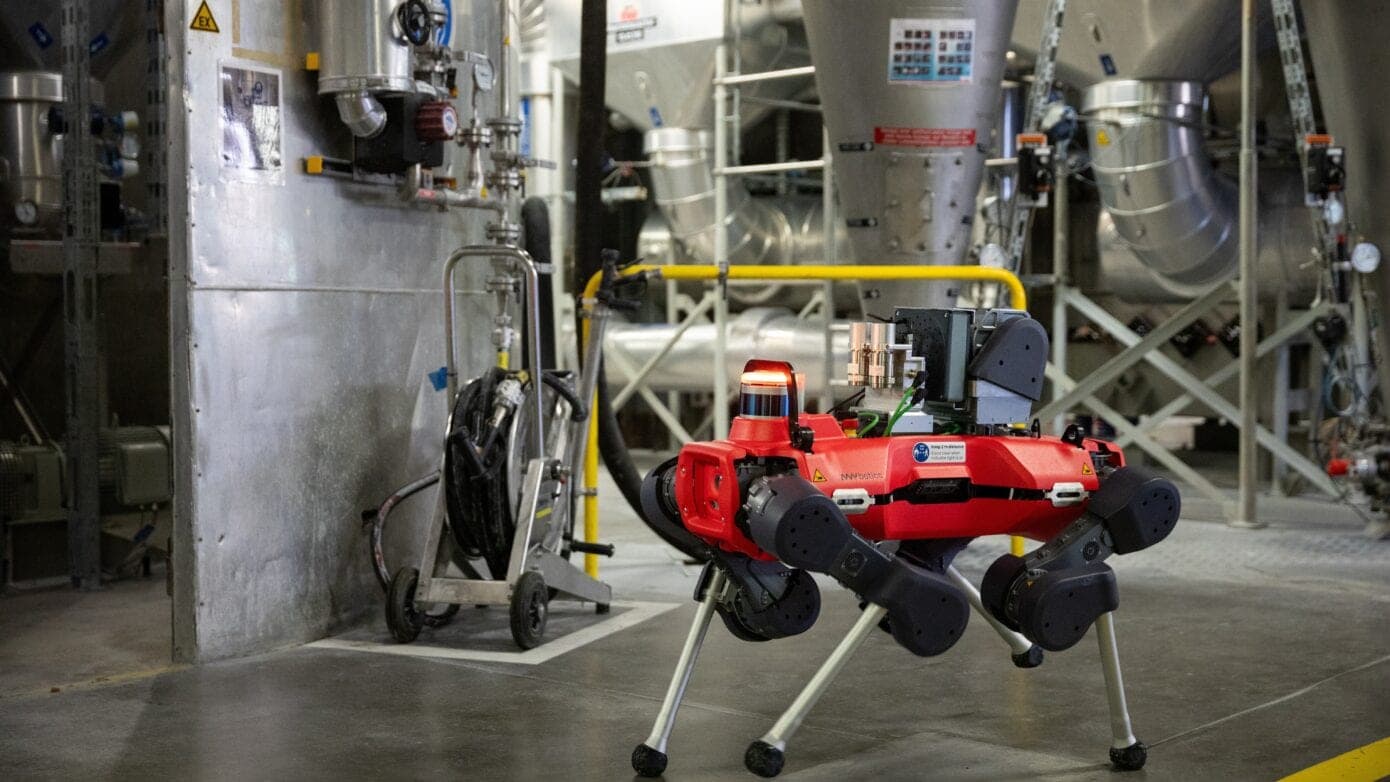
Robot dogs are now doing the night shift at factories, and software just started supervising them
ANYbotics rebranded its Data Navigator software into Shift, a platform that schedules and supervises fleets of its four-legged ANYmal robots as they inspect industrial plants around the clock.
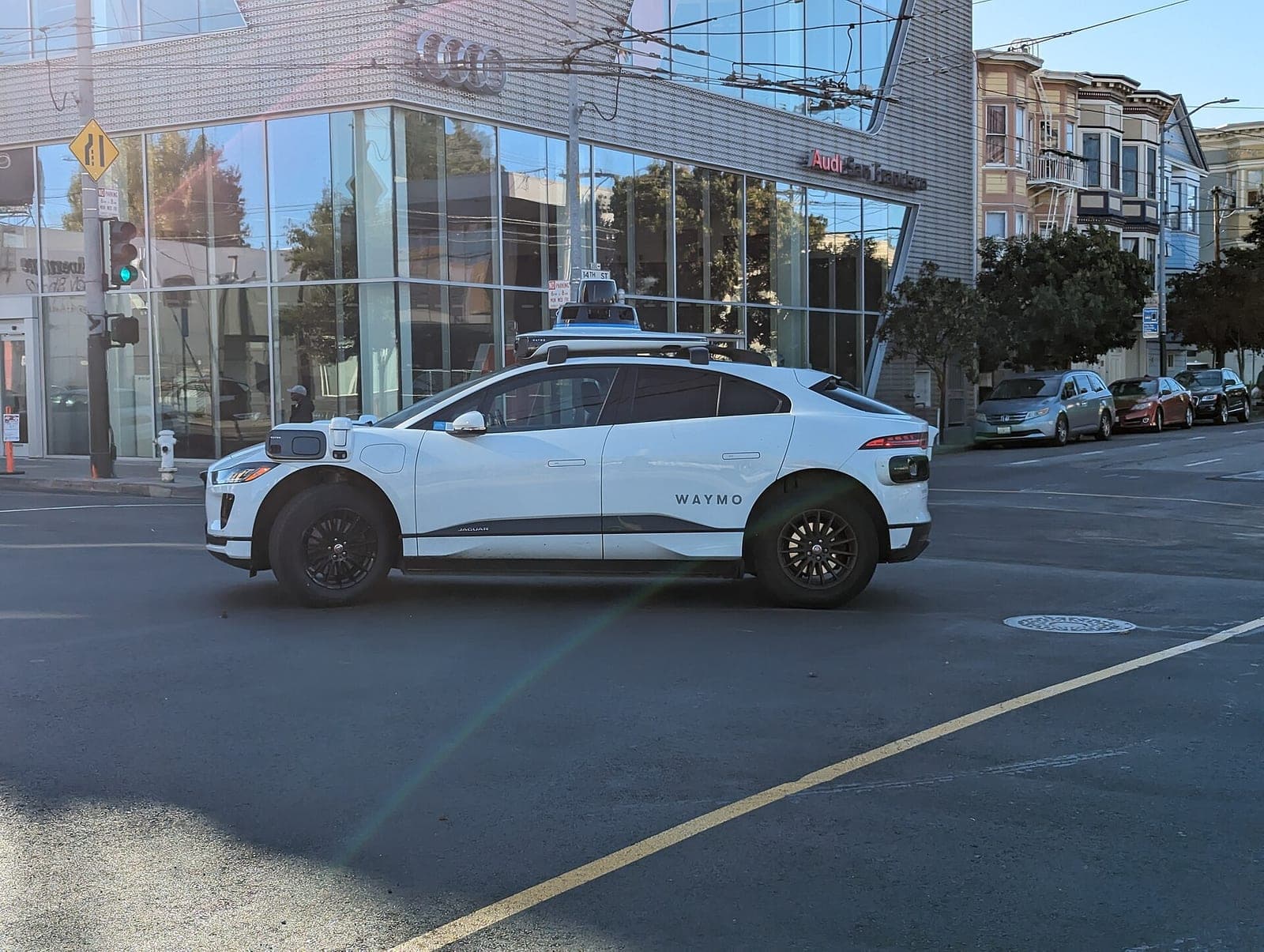
California will fine robotaxi companies that block first responders for over 30 minutes
Governor Gavin Newsom signed SB 1246, which requires robotaxi operators like Waymo, Tesla and Zoox to send on-site help when their cars cause problems, and to keep remote drivers in the US.
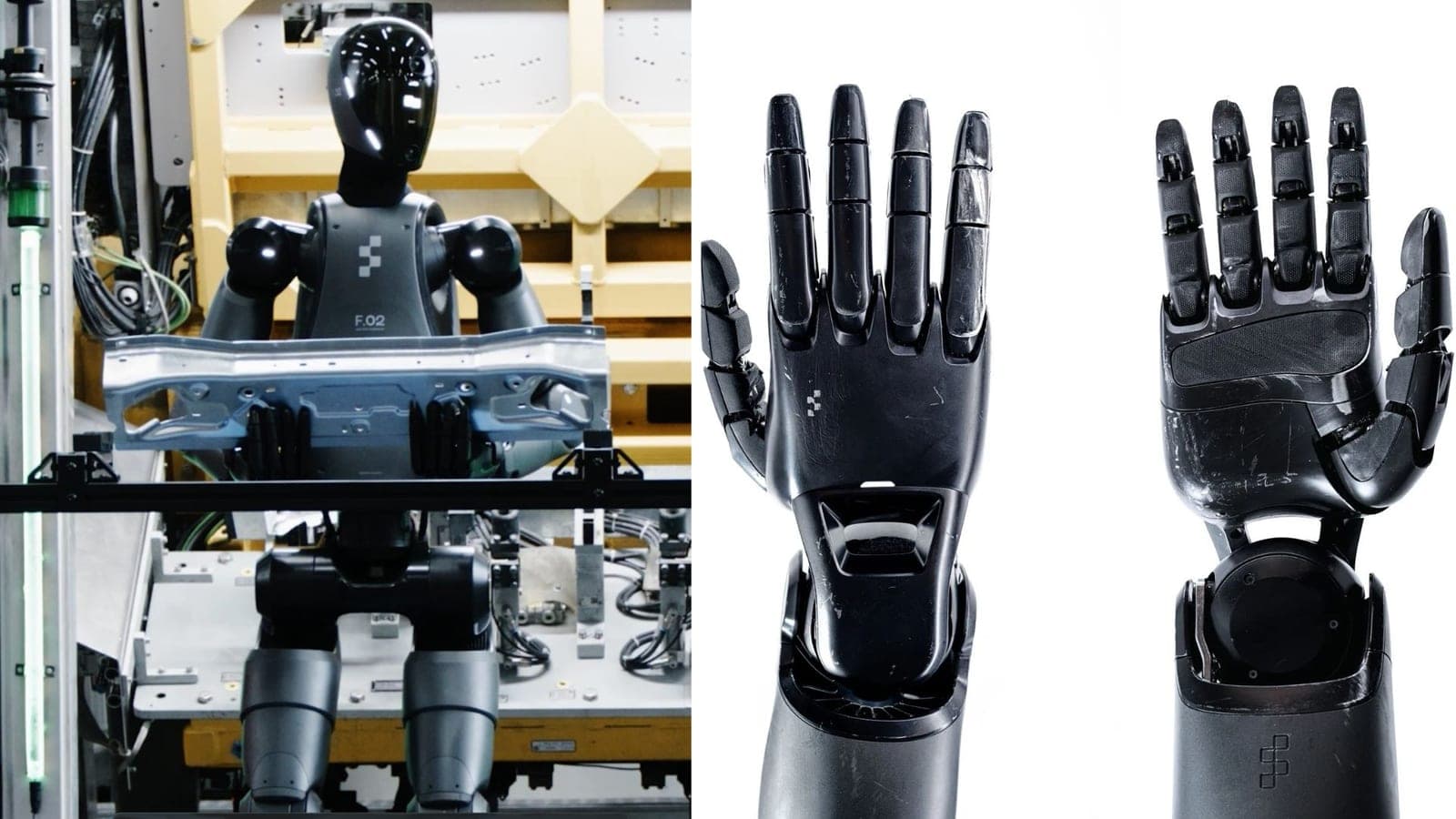
Figure retired its BMW factory robots by having them jump into molten steel
Figure decommissioned its F.02 humanoid robots after 11 months building BMW X3s, sending them off with a Terminator 2-style melt into a foundry furnace, an idea Arnold Schwarzenegger suggested.
More in brief
- Microsoft launches real-time transcription and new voice models for AI voice agentsOct 1
- Apple's smart home hub reportedly launches October 13, with a camera that never records videoOct 1
- Cloudflare releases Clef, open-weight AI models that make yes-or-no decisions fastOct 1
- GrayKey maker reportedly found a way around the iPhone's Inactivity RebootOct 1
- Fervo's Cape Station becomes the first enhanced geothermal plant to sell power commerciallyOct 1
- Cloudflare renames its data platform Basin and makes it generally availableOct 1