
Technology·News & analysis
The Range Rover Sport Electric arrives after years of delays
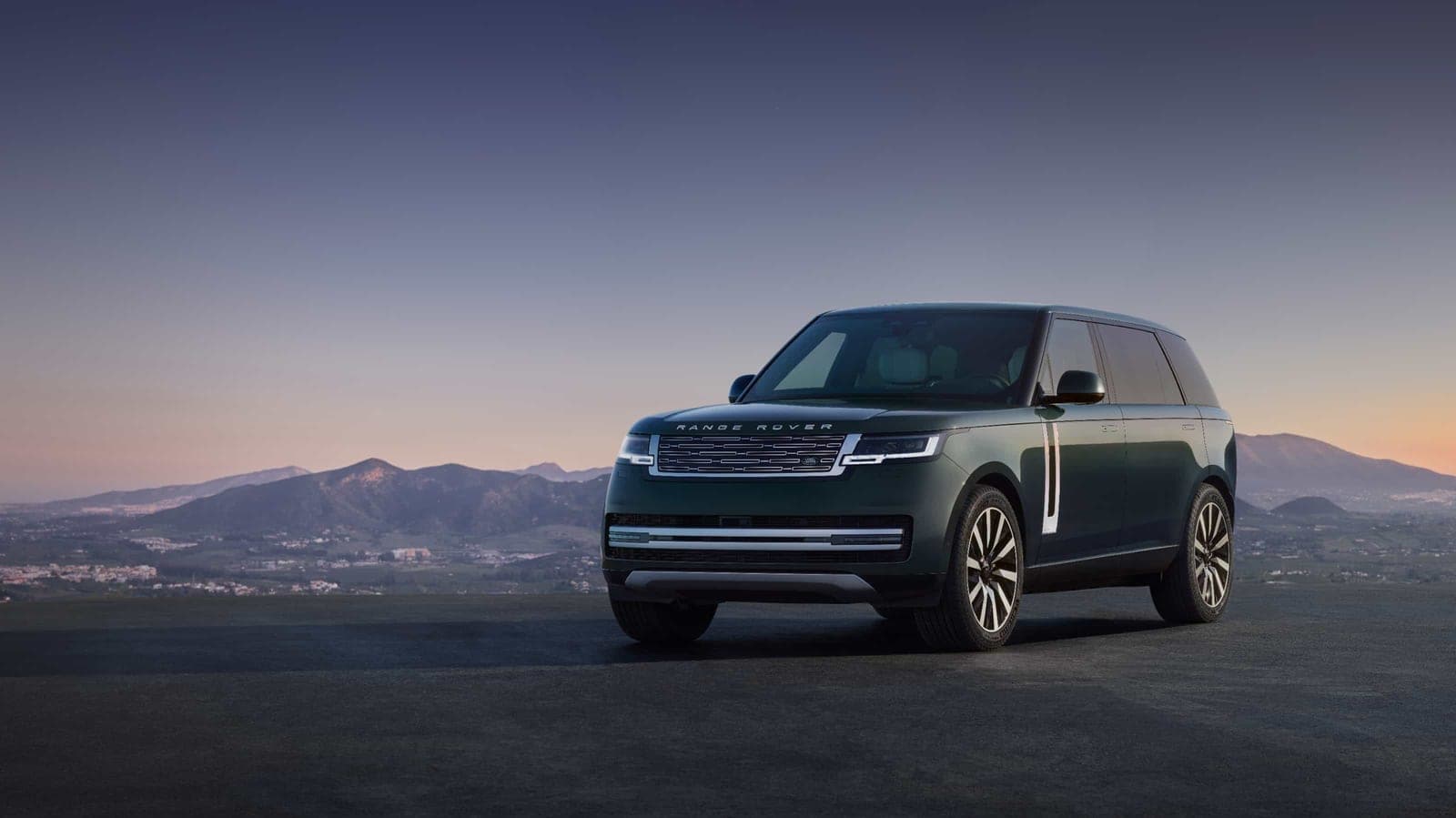
Land Rover's first electric Range Rover Sport packs a 118.5-kWh battery and up to 378 miles of range, years later than originally promised and with 62,000 people already on the waitlist.
Tide
Ripple
Sci-fi
2/10
Reality
Shipping
A luxury SUV finally goes electric, only a few years behind schedule.How we rate
Land Rover unveiled the Range Rover Sport Electric, with a 118.5-kWh battery, two 349-horsepower motors, and up to 378 miles of range.
It can fast-charge from 10% to 80% in about 22 minutes. The launch follows years of delays to Jaguar Land Rover's EV plans, originally targeted for 2024. More than 62,000 people are on the waitlist for the related Range Rover Electric, which starts around $140,450 in the US, and JLR wrote to all of them about the repeated postponements.
What to know
- The Range Rover Sport Electric has debuted with a 118.5-kWh battery, two 349-horsepower motors, and up to 378 miles of range.
- It can charge from 10% to 80% in about 22 minutes on a fast enough DC charger, thanks to an 800-volt battery architecture.
- The launch comes after Jaguar Land Rover repeatedly delayed its Range Rover EV plans, originally targeted for 2024, pushed to 2026.
- More than 62,000 people are already on the waitlist for the related Range Rover Electric, which starts around $140,450 in the US.
The Range Rover Sport is finally going electric. It's just showing up a couple of years later than the brand originally promised.
Land Rover unveiled the Range Rover Sport Electric, packing a 118.5-kWh battery, two 349-horsepower motors, and up to 378 miles of range. It's the sportier sibling to the standard Range Rover Electric, which has already spent years waiting in the wings.
What can this thing actually do?
Why it matters: the numbers here are genuinely competitive for a luxury electric SUV. An 800-volt battery architecture lets it charge from 10% to 80% in about 22 minutes on a powerful enough DC fast charger, and it can pull up to 22 kW on regular AC charging at home.
- Battery: 118.5 kWh.
- Motors: two, at 349 horsepower each.
- Range: up to 378 miles (609 km), WLTP-rated.
- Fast charging: 10-80% in about 22 minutes at 350 kW.
That range figure edges out the larger standard Range Rover Electric's 373-mile rating, a small but real win for the sportier, technically smaller model.
Why did this take so long to arrive?
Here's the part that sounds like a long-running soap opera. Jaguar Land Rover originally targeted a 2024 launch for its first electric Range Rover. That slipped to late 2025, then slipped again, to 2026.
Background: JLR blamed the delays on extended testing and softer-than-expected demand for high-end electric vehicles industry-wide. The company has described the Range Rover Electric's development as undergoing "the most intensive testing any Range Rover vehicle has ever endured."
In real life if you're one of the more than 62,000 people who joined the waitlist for a Range Rover Electric, you got a letter from JLR telling you your wait just got longer, more than once.
Who's actually waiting for one of these?
By the numbers: that 62,000-person waitlist is a genuinely large number for a vehicle that starts around $140,450 in the US, and about £109,810 for the UK's Dynamic SE trim. These aren't casual buyers; they're people who've committed to a wait measured in years for a specific, expensive product.
Who's affected: for Land Rover, that patience is both a gift and a risk. A waitlist that big shows real demand survived the delays. But every additional year of waiting is also another year competitors get to catch up, or peel away buyers who simply stop waiting.
Who else is competing for this buyer?
The most direct rival mentioned in coverage of the launch is the Lucid Gravity, another large, luxury electric SUV aimed at a similar customer. Where Lucid leans hard on efficiency engineering and range-per-kWh bragging rights, Range Rover is leaning on decades of off-road heritage and brand prestige.
By the numbers: the entry-level Gravity Touring starts around $81,750 with an 89-kWh battery and up to 337 miles of range, while the higher Grand Touring trim reaches 450 miles from a larger 123-kWh pack at around $100,750. That puts the Range Rover's 118.5-kWh battery and 378-mile range roughly between the two Gravity trims on paper, while costing considerably more than either one.
The Gravity Grand Touring also outmuscles the Range Rover on raw power, with 828 horsepower against the Range Rover's combined roughly 698 horsepower from its two motors. Land Rover isn't trying to win a drag race here; it's betting buyers will pay a premium for the badge and the off-road pedigree instead, a bet that has worked reliably for the gas-powered Range Rover for decades.
The big picture: that's a meaningful split in how luxury EV makers are competing right now. Some are selling the electric powertrain itself as the headline feature. Range Rover is selling the same badge, interior, and reputation buyers already associate with the brand, just with a battery instead of an engine under the hood.
The bigger plan behind this one launch
Background: this vehicle is one piece of a much larger bet. In 2023, Jaguar Land Rover committed £15 billion over five years to its "Reimagine" strategy, covering electric vehicle programs, factories, and digital technology. The original plan called for the first all-electric Land Rover in 2024, with five more Land Rover models offering a full electric option by 2026.
That timeline hasn't held up. Jaguar itself planned to go fully electric starting in 2025, and Land Rover's own flagship EV has now slipped years past its original target. The Sport Electric arriving now represents the strategy finally catching up to its own roadmap, rather than a surprise new addition to it.
What's next: JLR's broader financial picture adds pressure to get this right. Its parent company, Tata Motors, reported passenger vehicle revenue down 8.3% year-over-year in its most recent fiscal year. A luxury EV line that's both late and expensive to develop needs to actually sell well now to justify years of delayed investment and repeatedly reset customer expectations.
Does an electric Range Rover still do Range Rover things?
Off-road capability is core to the Range Rover brand's identity, and it's a fair question whether a heavy EV battery pack changes that. The standard Range Rover Electric reportedly weighs around 2,885 kg (about 6,360 pounds), substantially heavier than a comparable gas-powered Range Rover, largely because of the size of the battery needed to hit these range figures.
That extra weight cuts both ways off-road. A heavier vehicle sits lower and can feel more planted at speed, but it also puts more strain on suspension components.
It can also make recovery meaningfully harder if the vehicle actually gets stuck in soft terrain out on a trail somewhere. Land Rover's public messaging leans hard on its extensive testing regimen as reassurance, though independent off-road reviews of the finished vehicle weren't part of the early launch coverage.
What's next: that's the test that actually matters for longtime Range Rover buyers. Range and charging specs are easy to compare on a spec sheet. Whether this SUV can still credibly do what a Range Rover has always been expected to do, off pavement, in mud, on a trail, is something only real-world reviews will settle, likely once the vehicle reaches actual customer driveways rather than controlled press events.
What it means for you
- If you're on the waitlist, the Sport Electric gives you a second, likely cheaper option alongside the standard Range Rover Electric.
- The specs are genuinely competitive with other luxury electric SUVs on the market today, not just on paper promises.
- Official Sport Electric pricing hasn't been announced yet, so budget-conscious buyers should wait for confirmed numbers before assuming it undercuts its sibling by much.
- This launch is a signal for the luxury EV market broadly: even brands built on gas-powered heritage are now fully committing to electric flagship models.
The bottom line
The Range Rover Sport Electric finally delivers on a promise Land Rover made years ago now, arriving with genuinely strong range and fast-charging numbers for the luxury EV segment.
The years of delay cost the company some momentum, but a 62,000-person waitlist suggests plenty of buyers were willing to wait it out. Whether the finished vehicle genuinely lives up to the full weight of the Range Rover name off-road, not just on a glossy spec sheet, is the real, still wide-open question that genuinely needs a proper answering.
Key facts
- Battery
- 118.5 kWh
- Range
- Up to 378 miles (WLTP)
- Fast charging
- 10-80% in about 22 minutes at 350 kW
- Waitlist
- 62,000+ people, for the related Range Rover Electric
Got questions?
Quick answers, plain wordsWhat is the Range Rover Sport Electric's range?
Up to 378 miles (609 km) on the WLTP test cycle, a slight improvement over the standard Range Rover Electric's 373-mile rating.
How fast does it charge?
On an 800-volt architecture, it can charge from 10% to 80% in about 22 minutes at a 350-kW DC fast charger. It accepts up to 22 kW on AC charging.
How much power does it have?
Two electric motors, each rated at 349 horsepower, powered by a 118.5-kWh battery pack.
How much does it cost?
Pricing for the Sport Electric hasn't been officially announced, but it's expected to undercut the standard Range Rover Electric, which starts around $140,450 in the US and about £109,810 in the UK.
Why was the Range Rover Electric delayed for so long?
Jaguar Land Rover originally targeted a 2024 launch, but pushed it back repeatedly, citing extended testing and softer-than-expected demand for high-end electric vehicles.
How many people are waiting for one?
JLR has said more than 62,000 people joined the waitlist for the Range Rover Electric, and the company wrote to all of them to notify them of the delay.
How does it compare to the Lucid Gravity?
Both are large, luxury electric SUVs aimed at similar buyers, with the Range Rover leaning on its off-road heritage and brand cachet against the Gravity's efficiency-focused engineering.
Is the Range Rover Electric good off-road?
Land Rover has emphasized extensive testing, including what it calls the most intensive testing program any Range Rover has ever undergone, though independent off-road reviews weren't detailed in early coverage.
SourcesWired
Topics and tagsrange rover, electric vehicles, land rover, ev
Related stories

Apple's smart home hub reportedly launches October 13, with a camera that never records video
Bloomberg's Mark Gurman says Apple will announce its long-rumored smart home display on October 13. He also describes a companion home camera that sends text descriptions instead of video.

GrayKey maker reportedly found a way around the iPhone's Inactivity Reboot
A leaked training video seen by 404 Media says Magnet Forensics' new tools keep a seized iPhone in an easier-to-search state, even after the reboot Apple added in iOS 18.1.
Fervo's Cape Station becomes the first enhanced geothermal plant to sell power commercially
Fervo Energy's first 33-megawatt block at Cape Station in Utah reached commercial operation a day ahead of schedule, after 23 months of construction. Two more blocks follow by January 2027.
More in brief
- arXiv limits researchers to two papers a month as AI drives submissions to a recordOct 2
- California will fine robotaxi companies that block first responders for over 30 minutesOct 2
- Microsoft launches real-time transcription and new voice models for AI voice agentsOct 1
- Cloudflare releases Clef, open-weight AI models that make yes-or-no decisions fastOct 1
- Cloudflare renames its data platform Basin and makes it generally availableOct 1
- ChatGPT can now show you wearing clothes before you buy themOct 1