
Technology·News & analysis
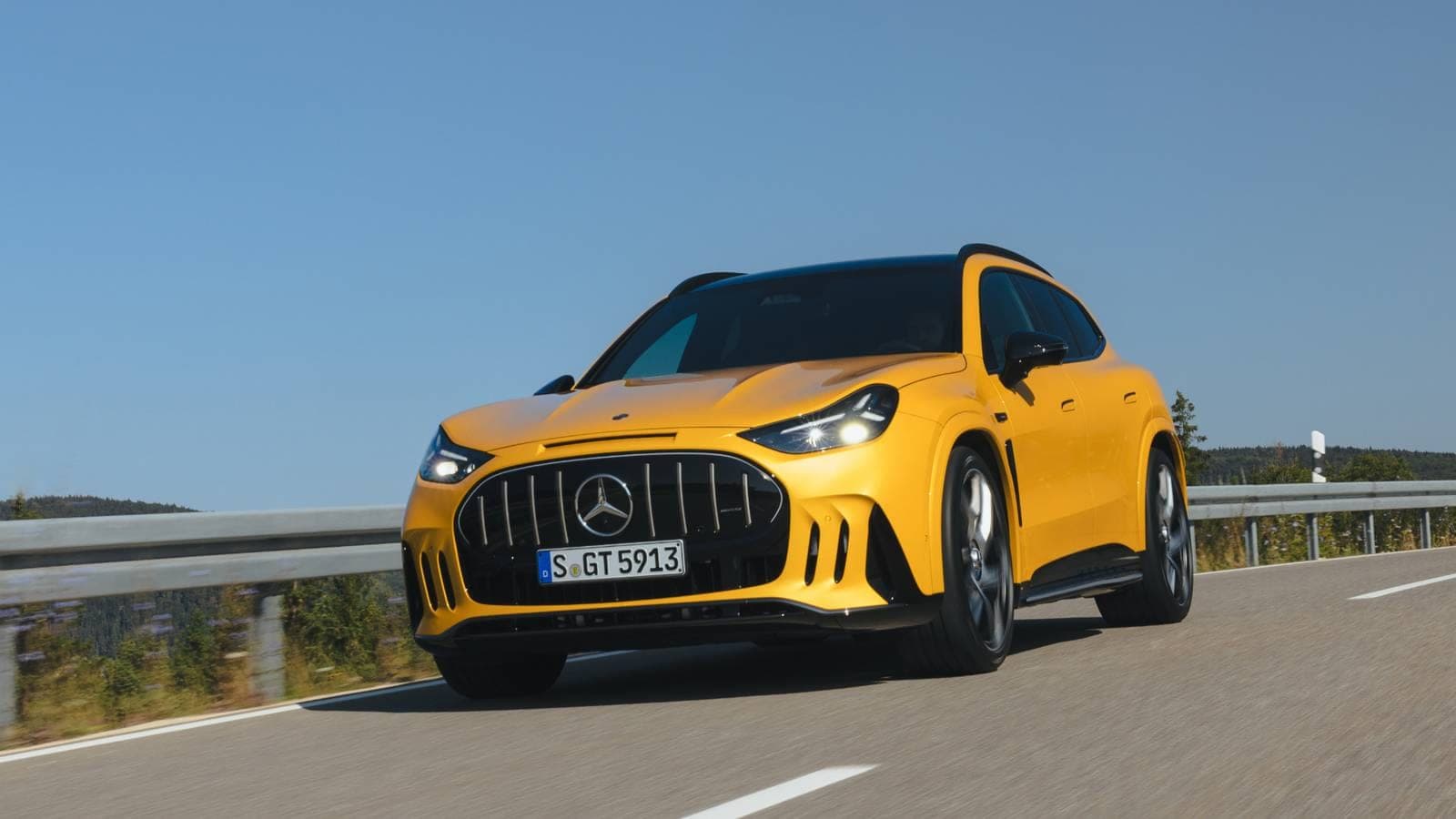
Mercedes-AMG reveals the GT SUV, its first in-house electric SUV
Three axial flux motors, up to 1,153 hp and 710-kW charging: AMG built its first full-size SUV from scratch, and it plays a recorded V8 so it still sounds like an AMG.
Tide
Ripple
Sci-fi
4/10
Reality
Demo
A silent SUV that plays a V8 for you and shakes your seat to match.How we rate
Mercedes-AMG revealed the GT SUV, the first full-size SUV it has developed entirely in-house, with up to 860 kW (about 1,153 hp) from three axial flux motors in the top GT 63.
Its 128-kWh battery charges at up to 710 kW, adding up to 450 km of range in 10 minutes. The entry GT 53 can be ordered from October 20 at 113,050 euros. US dealers get it in summer 2027.
What to know
- Mercedes-AMG revealed the GT SUV on October 17, the first full-size SUV it has developed entirely in-house in its 59-year history.
- The top GT 63 SUV uses three axial flux motors for up to 860 kW, about 1,153 hp, and reaches 62 mph in 2.5 seconds.
- The larger 128-kWh battery charges at up to 710 kW and can add up to 450 km (about 280 miles) of WLTP range in 10 minutes.
- The entry GT 53 SUV can be ordered from October 20, starting at 113,050 euros; US dealers get the SUV in summer 2027.
Mercedes-AMG announced its new electric GT SUV on October 17, with up to 1,153 horsepower and charging fast enough to finish before your coffee cools. The interesting question: why is this the first time AMG has built a full-size SUV entirely by itself?
Wait, AMG never built its own SUV?
Not from scratch. AMG has sold plenty of fast SUVs, but, as TopSpeed explains, they always started on a regular Mercedes-Benz platform that AMG then reworked with more power and sharper suspension.
The GT SUV is different. Mercedes says it is the first full-size SUV in AMG's 59-year history developed entirely in-house, from the ground up, at its base in Affalterbach, Germany.
It's also the second car on AMG.EA, the company's dedicated electric performance platform. The first was the AMG GT 4-Door Coupe, revealed earlier this year. The Verge calls the SUV that sedan's "beefier cousin," and the two share most of their key technology.
Stefan Weckbach, who runs Mercedes-AMG, summed up the pitch in five words: "SUV by shape. GT by nature."
Building in-house means AMG decided everything itself: the seating position, the low center of gravity and the low roofline. Think of it like a chef who stops reheating someone else's sauce and starts from raw tomatoes.
How much power are we talking?
There are three versions, and they are not shy:
- AMG GT 63 SUV: three axial flux motors, up to 860 kW, about 1,153 hp (Mercedes quotes 1,169 metric horsepower).
- AMG GT 55 SUV: the same three-motor setup, 600 kW (816 metric hp).
- AMG GT 53 SUV: two regular synchronous motors, 400 kW (544 metric hp).
The top model goes from 0 to 62 mph in 2.5 seconds and from 0 to 124 mph in 6.8 seconds, Mercedes says. Top speed is about 168 mph with the optional Driver's Package.
By the numbers: AMG also highlights a sustained output of up to 530 kW, about 711 hp, that the car can keep delivering instead of fading after a few hard launches. TopSpeed points out that this is the number that sets it apart from EVs with big peak figures that drop off quickly.
First, what's an axial flux motor?
Most electric car motors are long cylinders. An axial flux motor is shaped more like a thick dinner plate. That flat shape packs a lot of power into a small, light package.
In the GT 63 and GT 55, two of these motors sit together in one unit on the rear axle. A third one sits at the front and works as a "booster." A clutch disconnects it when you're cruising, so it doesn't waste energy, and reconnects it in a flash when you accelerate or brake.
The GT 53 takes a simpler route. It uses two conventional motors, but the rear one has a two-speed transmission: a short first gear for quick starts and city driving, and a taller second gear for relaxed highway cruising.
Why does the battery come from Formula 1?
Mercedes says the battery is "inspired by Formula 1" and developed in Affalterbach. Here's what that means in practice:
- Two sizes: 106 kWh (18 modules) or 128 kWh (22 modules), both at 800 volts.
- The cells: tall, narrow cylinders, 105 mm high and 26 mm across, so heat has a short path out.
- The cooling: a special oil that doesn't conduct electricity flows directly around every single cell.
- The chemistry: an NCMA cathode and a silicon-containing anode, with energy density above 298 Wh per kilogram.
- The range: up to 700 km, about 435 miles, on the European WLTP cycle with the big battery.
Why it matters: Batteries get hot when you push them hard, and hot batteries slow down to protect themselves. Cooling every cell evenly is what lets the car repeat its full performance lap after lap, and charge fast without overheating.
How fast does it actually charge?
Very fast. With the 128-kWh battery, the GT SUV accepts up to 710 kW at a DC fast charger. Mercedes says that adds up to 450 km (about 280 miles) of WLTP range in 10 minutes, and charging from 10 to 80 percent takes about 12 minutes.
The 106-kWh version charges at up to 600 kW and adds up to 380 km in 10 minutes.
For context, The Verge notes that the Porsche Cayenne Turbo Electric tops out at 320 kW. TopSpeed says 710 kW would put the AMG among the quickest-charging production vehicles on sale.
In real life Very few public chargers deliver anywhere near 710 kW today. At a more common 400 kW station, Mercedes says a 10 to 80 percent charge takes about 14 minutes (106 kWh) or 16 minutes (128 kWh). Still a short coffee stop.
The car also switches itself to 400-volt mode at older chargers, and it supports five fast-charging standards, including NACS, the Tesla-style plug now spreading across the US.
How does a big SUV stay flat in corners?
With a new suspension called AMG ACTIVE RIDE CONTROL+. Instead of traditional metal anti-roll bars, it uses active hydraulic elements that push back against the body's lean. It's the first AMG to stop both pitch (nose diving under braking) and roll (leaning in corners) this way.
Add to that:
- Air springs: three-stage adjustable, with their own 8.2-liter pressure reservoir.
- Rear-wheel steering: up to 6 degrees, standard. Below about 50 mph the rear wheels turn opposite the fronts to tighten turns; above that, the same way for stability.
- Active aero: a roof spoiler that deploys above about 93 mph, and slats in the front bumper that close when the car doesn't need extra cooling.
- AMG RACE ENGINEER: three rotary controls to tune throttle response, cornering behavior and wheel slip.
Weight is the other part of the story. Mercedes lists the GT 63 SUV at 2,585 to 2,695 kg. The Verge puts it at 5,941 pounds, slightly lighter than the Lotus Eletre R and the Lucid Gravity, and almost the same as the Porsche Cayenne Turbo Electric.
So why does an electric car need a V8 sound?
Because AMG fans love the noise. The AMGFORCE Sport+ program, standard on every version, plays the recorded sound of a real AMG V8 or six-cylinder engine. It simulates gear changes you trigger with the paddles, adds seat shakers, and matches the screen design to the mood.
The Verge notes Mercedes is proud to use real engine recordings rather than synthetic electric tones. The sound profiles are adjustable. Either way, there is no actual engine under the hood: just a 78-liter front trunk.
There's also AI for the track. The Predictive Performance Manager uses track data to decide when to hold back power and when to deliver it all, saving energy on downhill or twisty sections so full power is ready for climbs and straights.
What's inside?
The cabin runs Mercedes' new MBUX system on its own operating system, MB.OS:
- Screens: a 14-inch center display angled toward the driver, a 10.2-inch instrument cluster and an optional 14-inch screen for the passenger.
- AI agents: ChatGPT, Microsoft Bing and Google Gemini, built in, alongside Mercedes' own virtual assistant for car functions like climate and lighting.
- Space: 607 liters of trunk space, 1,740 liters with the rear seats folded, plus the 78-liter front trunk.
- Size: about 5,080 mm long and 2,001 mm wide on a 3,040 mm wheelbase.
Every version is built in Hall 32 at Mercedes' Sindelfingen plant in Germany.
When can you get one, and for how much?
What's next: The entry GT 53 SUV can be ordered from October 20, starting at 113,050 euros. The GT 63 and GT 55 follow in spring 2027.
For American buyers, TopSpeed reports the SUV reaches US dealerships in summer 2027 as a 2028 model. The Verge says Mercedes hasn't released US pricing yet and expects it closer to launch.
If you like this kind of electric muscle, Jaguar went the same direction this month with its 1,000-hp Type 01 grand tourer, and Land Rover launched the electric Range Rover Sport at the end of September.
What it means for you
- If you're shopping at this price: the GT 53 is the version you can order now in Europe; the more powerful models and US sales come in 2027.
- If you care about charging: 710 kW is a headline number, but your real charging speed depends on the station. At common 400 kW chargers, expect about 14 to 16 minutes for 10 to 80 percent.
- If you just like cars: the big technology here, axial flux motors and oil-cooled cylindrical cells, tends to trickle down to cheaper models over time.
The bottom line
Mercedes-AMG built its first full-size SUV from scratch, and it put its most advanced electric technology inside: three disc-shaped motors, a race-inspired battery and very fast charging. It's a luxury car for few buyers, but it shows how quickly electric performance is moving. And yes, it will still sound like a V8 if you ask nicely.
Key facts
- Top power
- 860 kW (about 1,153 hp), GT 63 SUV
- 0 to 62 mph
- 2.5 seconds (GT 63, claimed)
- Charging
- Up to 710 kW, 450 km WLTP in 10 minutes
- Range
- Up to 700 km (about 435 miles) WLTP
- Price and timing
- GT 53 from 113,050 euros, orders from October 20; US summer 2027
Got questions?
Quick answers, plain wordsWhat is the Mercedes-AMG GT SUV?
It's a fully electric, full-size performance SUV from Mercedes-AMG. It's the first full-size SUV AMG has developed entirely in-house from the ground up, and the second model on its AMG.EA high-performance electric architecture, after the AMG GT 4-Door Coupe.
When was it revealed?
Mercedes-AMG published the full details on Saturday, October 17, 2026, from its home base in Affalterbach, Germany.
How much does the AMG GT SUV cost?
Mercedes lists the entry AMG GT 53 SUV from 113,050 euros. It hasn't announced prices for the GT 55 and GT 63 versions or any US prices yet, The Verge reports.
When can I buy one?
The GT 53 SUV can be ordered from October 20. The GT 63 and GT 55 follow in spring 2027. TopSpeed reports the SUV reaches US dealerships in summer 2027.
How powerful is it?
The GT 63 SUV makes up to 860 kW, about 1,153 hp (Mercedes quotes 1,169 metric horsepower). The GT 55 makes 600 kW (816 metric hp) and the GT 53 makes 400 kW (544 metric hp).
How fast is it?
The GT 63 SUV goes from 0 to 100 km/h (62 mph) in 2.5 seconds and from 0 to 200 km/h in 6.8 seconds, according to Mercedes. Top speed is 270 km/h (about 168 mph) with the Driver's Package.
What is the range?
Up to 700 km (about 435 miles) on the European WLTP cycle with the larger 128-kWh battery. EPA figures for the US haven't been published.
How fast does it charge?
With the 128-kWh battery it charges at up to 710 kW and adds up to 450 km of WLTP range in 10 minutes; 10 to 80 percent takes about 12 minutes. The 106-kWh battery charges at up to 600 kW and adds up to 380 km in 10 minutes.
What is an axial flux motor?
It's an electric motor shaped like a flat disc rather than a long cylinder. It packs a lot of power into a small, light package, which is why AMG uses three of them in the top models.
Does the electric AMG make engine noise?
Yes, if you want it to. The AMGFORCE Sport+ program plays the recorded sound of a real AMG V8 or six-cylinder engine, simulates gear changes and uses seat shakers so you feel it too.
Does it have ChatGPT?
Its MBUX system, built on the Mercedes-Benz Operating System, includes three AI agents: ChatGPT, Microsoft Bing and Google Gemini, plus Mercedes' own virtual assistant for car functions.
SourcesMercedes-Benz, topspeed.com, The Verge
Topics and tagsmercedes amg, electric vehicles, ev, luxury cars
Go deeper
Related stories
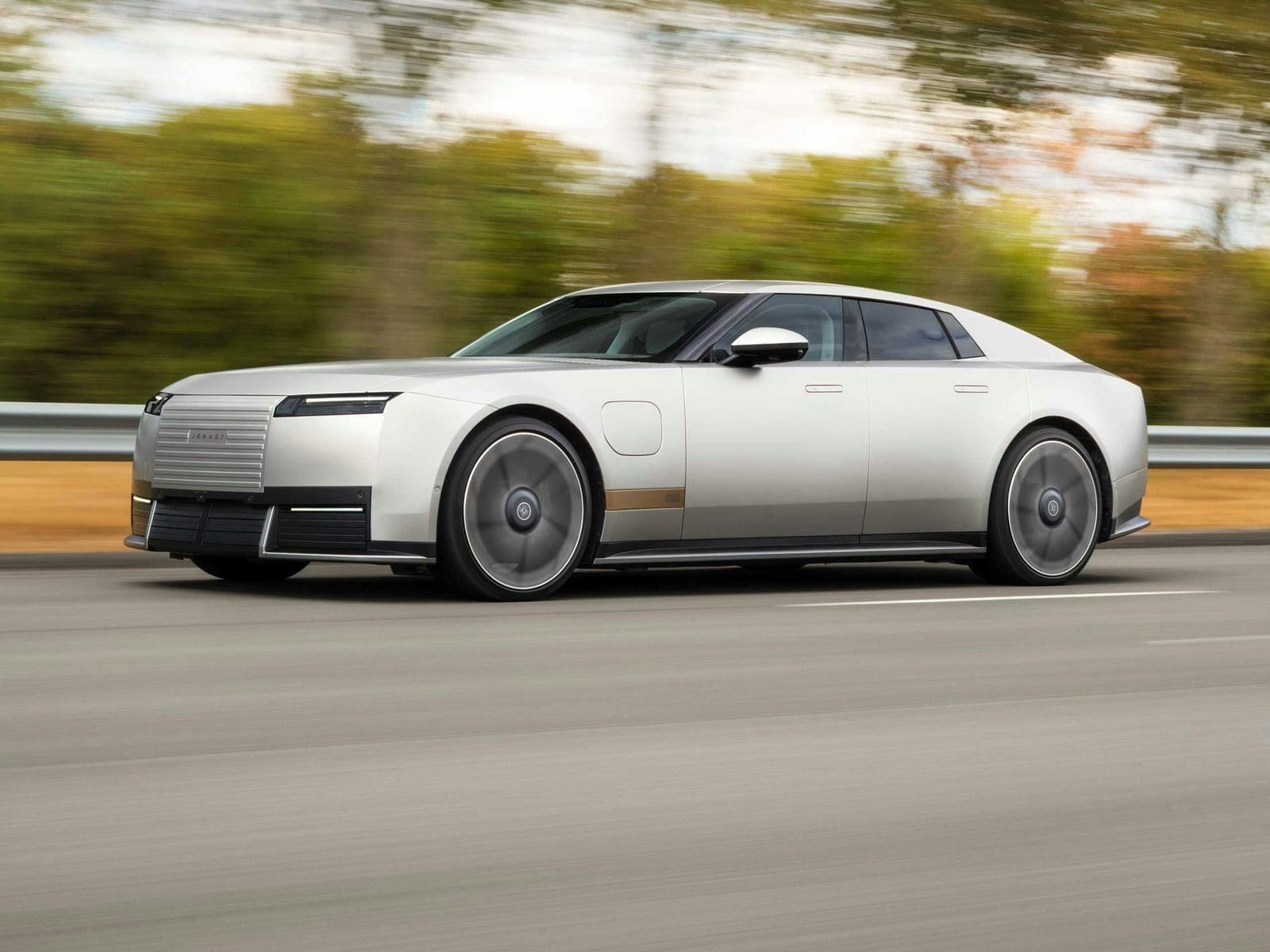
Jaguar reveals the Type 01, its 1,000-hp electric grand tourer
Two years after the Type 00 concept, Jaguar showed the production Type 01 in New York: four doors, three motors, about 400 miles of range and orders from early 2027.
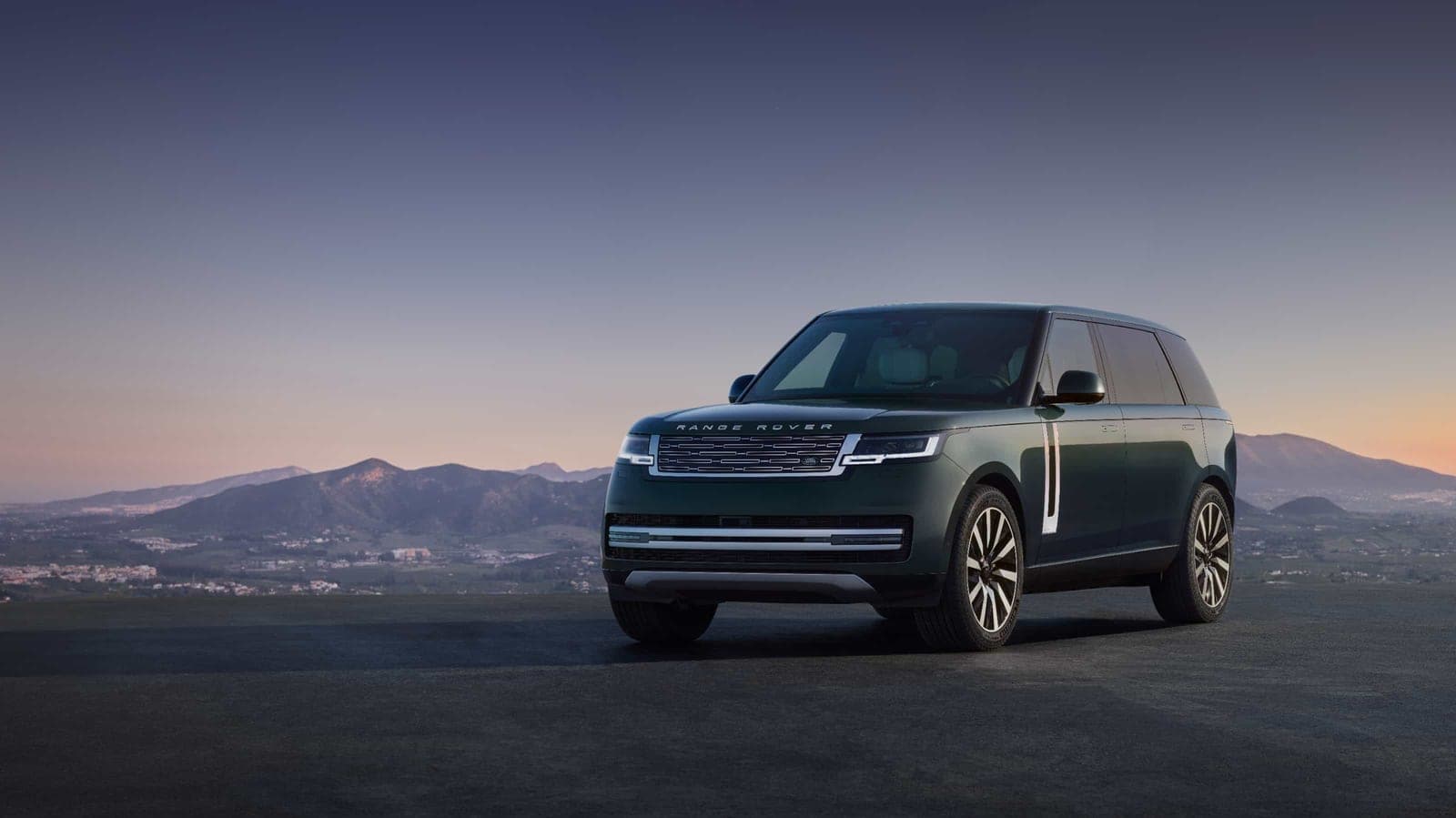
The Range Rover Sport Electric arrives after years of delays
Land Rover's first electric Range Rover Sport packs a 118.5-kWh battery and up to 378 miles of range, years later than originally promised and with 62,000 people already on the waitlist.
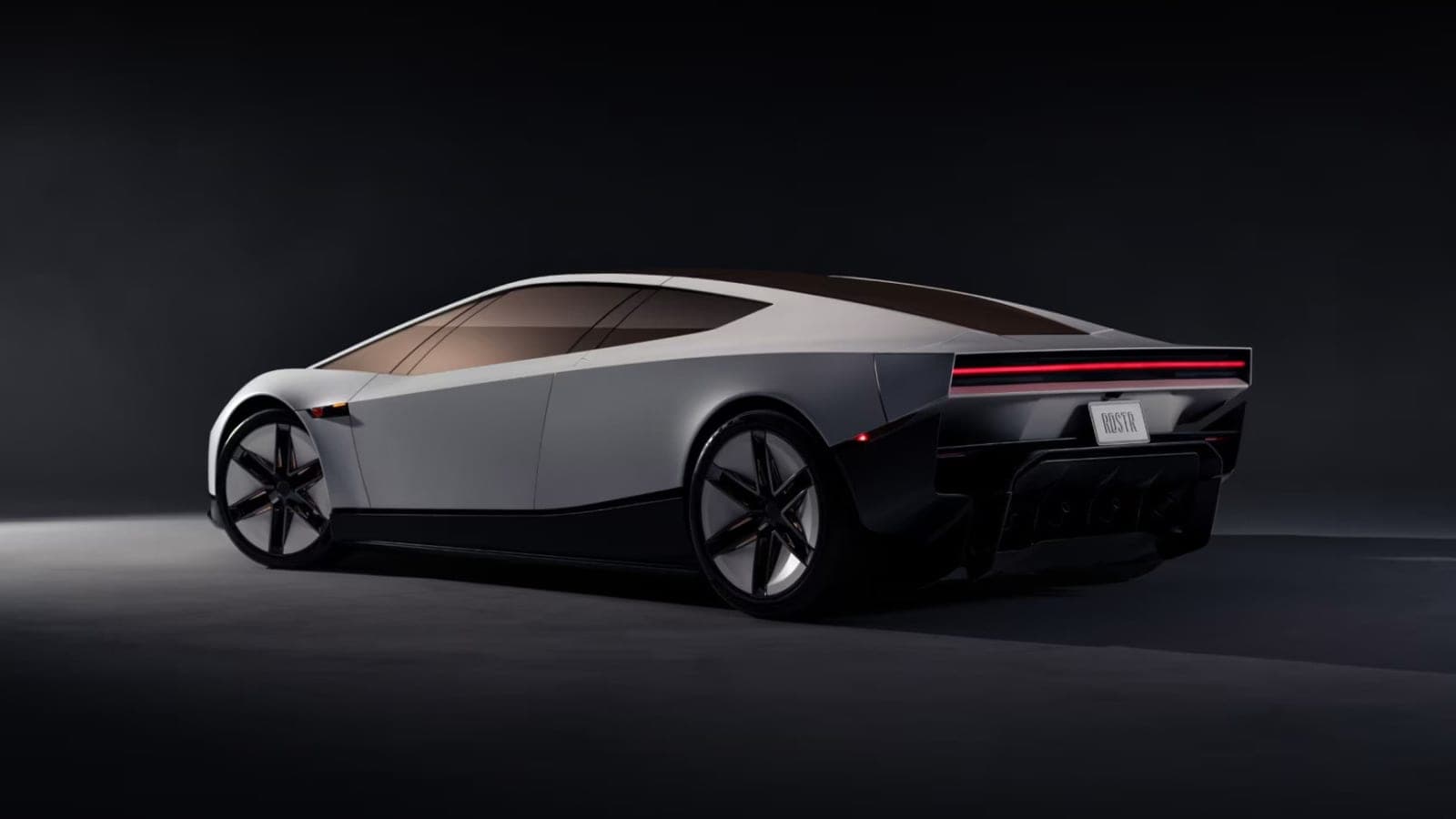
Tesla reveals the new Roadster, and the top version can lift off the ground
Nine years after the first reveal, Tesla showed the second-generation Roadster in Texas with SpaceX cold-gas thrusters, three trims, $50,000 reservations and production planned for 2028.
More in brief
- DeepSeek's V4.1-Flash-1017 update scores higher and cuts the cost per taskOct 17
- Waymo is bringing its robotaxis to Toronto, with first rides planned for 2028Oct 17
- UK regulator moves to put Microsoft's business software under special rulesOct 17
- Verizon will charge $10 a month for iPhone Handoff, double T-Mobile's priceOct 17
- Anthropic's AI agents now outwork its staff 6 to 1, and junior hiring fellOct 17
- Apple's new App Store rules target AI nudify apps and bait-and-switch tricksOct 17