
AI·News & analysis
Meta's infrastructure chief Santosh Janardhan is stepping down
Santosh Janardhan, who joined Facebook in 2009 and runs the machines behind Meta's AI push, will leave in early 2027. Dave Brown, hired from Amazon this year, takes over.

Tide
Ripple
Sci-fi
5/10
Reality
In your hands
The people who keep the AI engine room running are swapping shifts.How we rate
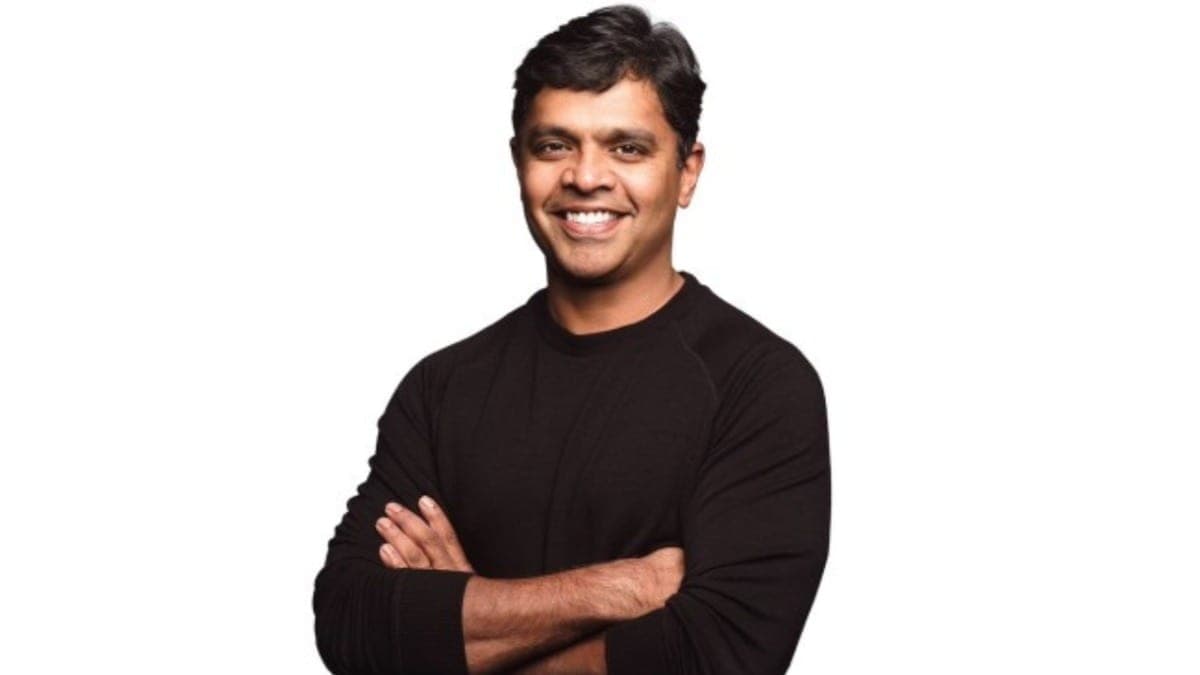
Santosh Janardhan, Meta's head of infrastructure and co-head of engineering since he joined in 2009, will step down and leave in early 2027, Meta confirmed.
Dave Brown, hired from Amazon this year, takes over the role. Janardhan stays through a handover and advises Meta Compute. The change arrives while Meta plans $135 billion to $145 billion of spending in 2026, mostly on AI. Meta has not given a reason.
What to know
- Santosh Janardhan, Meta's head of infrastructure and co-head of engineering, will step down and leave in early 2027 after more than 17 years.
- Dave Brown, who joined Meta this year after 19 years at Amazon, replaces him as head of infrastructure.
- Janardhan stays on through a handover and moves into an advisory role on Meta Compute, the group that builds Meta's AI data centers.
- The change comes as Meta plans to spend between $135 billion and $145 billion on capital expenses in 2026, mostly on AI.
Meta confirmed that Santosh Janardhan, the executive who has run its infrastructure since 2009, is stepping down. Dave Brown, who arrived from Amazon this year, takes his job. That's the news. The fun part is what the job actually is, because "infrastructure" at Meta now means the machines that decide how fast its AI can grow.
Who is leaving, and when?
Janardhan is Meta's head of infrastructure and co-head of engineering. He joined Facebook in October 2009, more than 17 years ago, and rose to become one of the people behind the hardware, data centers and networks that Meta's apps run on.
He is not walking out the door today. He is expected to leave in early 2027, and he stays through the first months of the handover. A Meta spokesperson said: "Santosh will stay on for transition and he is moving into an advisory role on Meta Compute."
The catch: nobody has said why. His memo to staff did not give a reason, and Meta has not tied the move to any dispute. The memo reportedly spoke of the need to "pass the baton."
Who is Dave Brown?
Brown joined Meta earlier this year as vice president of infrastructure. Before that he spent 19 years at Amazon, where he started in 2007 as one of the early engineers on EC2. That is Amazon's service for renting servers by the hour.
By the end, he was a senior vice president at Amazon Web Services, running its computing and machine-learning services. Those are the products that let other companies rent computing power for AI.
- 2007: joins Amazon as an early engineer on EC2.
- 2026: leaves AWS after nearly 19 years.
- Later in 2026: joins Meta as vice president of infrastructure.
- November 2026: named to take over as head of infrastructure.
When Brown was hired, reports said he would work under Janardhan. Now the reporting line flips: the newcomer runs the department his boss built.
What does "infrastructure" even mean at Meta?
Think of Meta's apps as a restaurant. The apps are the dining room. Infrastructure is the kitchen, the gas lines and the power grid, and it has to keep running while a few billion people order at once.
In practice that means three things:
- Data centers: giant warehouses full of computers.
- Networks: the cables and switches that link those computers together.
- Custom chips: processors Meta designs itself, so it does not have to buy every one from other companies.
Over the years, Janardhan's remit grew to cover all of that. In his memo he described infrastructure as having grown from a support function into a central competitive advantage for Meta.
Why does this matter right now?
Because AI turned the kitchen into the main attraction. Training and running AI models takes enormous amounts of computing power. Whoever can add that power fastest can ship new AI features fastest.
Meta's numbers show how big the kitchen has become. In its third-quarter results, the company raised its full-year 2026 capital spending forecast to between $135 billion and $145 billion. Capital spending means money put into long-lasting things like buildings, chips and power equipment.
By the numbers: Meta spent $34.91 billion on capital expenses in the third quarter alone. That is more than many large companies earn in a year.
What is Meta Compute?
In January 2026, Mark Zuckerberg announced Meta Compute, a top-level initiative to oversee the data centers and computing power behind Meta's AI plans. Janardhan led it, together with Daniel Gross, who joined Meta from the AI startup Safe Superintelligence.
Gross leads long-term capacity planning, supplier partnerships and business modeling. Dina Powell McCormick, Meta's president and vice chair, works on partnerships with governments and other large backers to build and finance big projects.
Zuckerberg said Meta is planning to build "tens of gigawatts this decade, and hundreds of gigawatts or more over time." A gigawatt is a billion watts, roughly what a large power plant produces. Meta has also said it plans to invest up to $600 billion in US infrastructure and jobs by 2028.
In real life When you ask Meta AI a question on your phone, the answer comes from a computer in one of these data centers. More of them means more people can ask at once without waiting.
What are the giant projects he oversaw?
Two stand out. Prometheus, in New Albany, Ohio, was planned to come online in 2026 as a 1 gigawatt "supercluster," a huge group of computers wired together to work as one machine.
Hyperion, in Louisiana's Richland Parish, is planned to start at 2 gigawatts by 2030 and could scale up to 5 gigawatts over several years. Meta has also signed nuclear power agreements to feed its data centers.
These are the kinds of projects the next head of infrastructure inherits: build them on time, keep them powered and fill them with chips.
Can Meta pay for all of this?
The bill is large compared with what comes in. In the third quarter Meta reported $64.6 billion in revenue. It also had negative free cash flow of $2.12 billion, which means it spent more cash than its business generated in those three months.
Meta also guided to total expenses of $175 billion to $179 billion for 2026. Capital spending is the biggest swing factor in that number, so the person running infrastructure is effectively the person steering where much of it goes.
Why it matters: compute is now rationed like a scarce resource. Janardhan was also involved in deciding where Meta's computing power gets allocated, alongside Powell McCormick and Daniel Gross. Whoever takes over that seat decides which projects get machines first.
Is Meta building a cloud business?
Reports from earlier this year said Brown's mandate at Meta could include scaling data centers and building out Meta Compute as a possible cloud service. A cloud service is one that rents computing power to outside customers, the way Amazon does.
Those reports were not confirmed by Meta, and nothing in this week's announcement mentions a cloud product. Still, hiring one of Amazon's most senior cloud engineers fits the idea that Meta wants to run its machines at the scale of a cloud provider.
What happens next?
Brown takes over the operational running of the division. Janardhan used his memo to say Brown has the experience and technical judgment to manage Meta's fast-growing computing capacity and help product teams ship new technology faster.
What's next: Janardhan's advisory role on Meta Compute keeps his knowledge close during the handover. Meta has not announced any other leadership changes, and the date of his final day has not been published beyond early 2027.
What it means for you
- Nothing changes in your apps today. Executive handovers do not change Facebook, Instagram or Meta AI overnight.
- Watch the spending. The size of the budget shows how seriously Meta takes AI features, and how much it needs to pay for them.
- Expect more AI features over time. More computing power is what lets Meta add them for billions of users.
The bottom line
A 17-year veteran is handing the keys of Meta's engine room to an Amazon cloud expert, at the moment Meta is spending up to $145 billion a year on AI. Meta has not said why, and it has linked the change to no dispute. The practical story is continuity: the same plan, a new person running it.
Key facts
- Leaving
- Santosh Janardhan, in early 2027
- Taking over
- Dave Brown, head of infrastructure
- Time at Meta
- Joined in 2009, more than 17 years
- 2026 capital spending plan
- $135 billion to $145 billion
Got questions?
Quick answers, plain wordsWho is Santosh Janardhan?
He is Meta's longtime head of infrastructure and co-head of engineering. He joined Facebook in October 2009 and became one of the executives behind the hardware, data centers and networks that run Meta's apps.
Is Janardhan leaving Meta right now?
No. He is expected to leave in early 2027. Meta says he will stay on for the handover and move into an advisory role on Meta Compute.
Who replaces him?
Dave Brown, who joined Meta earlier this year as vice president of infrastructure. Before that he spent 19 years at Amazon, working on computing, cloud and AI.
Why is Janardhan stepping down?
Meta has not said. His memo to staff did not give a reason, and Meta has not linked the move to any dispute. The memo spoke of the need to pass the baton.
What is Meta Compute?
It is a top-level Meta initiative, announced in January 2026, that oversees the data centers and computing power behind Meta's AI plans. Zuckerberg said Meta plans to build tens of gigawatts of capacity this decade.
What is a gigawatt, and why does it matter here?
A gigawatt is a billion watts, about the output of a large power plant. AI data centers are now planned by how much power they draw, because that limits how many chips they can run.
How much is Meta spending on AI infrastructure?
Meta expects 2026 capital spending of $135 billion to $145 billion. In the third quarter alone it spent $34.91 billion. It has also said it plans to invest up to $600 billion in US infrastructure and jobs by 2028.
Will this change Meta AI or Facebook for me?
Not in any way you will notice soon. Executive handovers rarely change an app overnight. The effect, if any, shows up later in how fast Meta can add computing power for new AI features.
Who else is involved in Meta's infrastructure plans?
Daniel Gross leads long-term capacity planning and supplier partnerships, and Dina Powell McCormick, Meta's president and vice chair, works on partnerships with governments for building and financing projects.
SourcesTechCrunch
Topics and tagsMeta, Amazon, Data centers, meta
Related guide
Guide, 8 minHow to choose an AI assistant: ChatGPT, Claude, Gemini and moreA plain-English way to pick between ChatGPT, Claude, Gemini, Copilot, Perplexity and Meta AI: start free, match the tool to your main...Related stories
Meta's tax bill dropped 71% while it spent $72 billion on AI
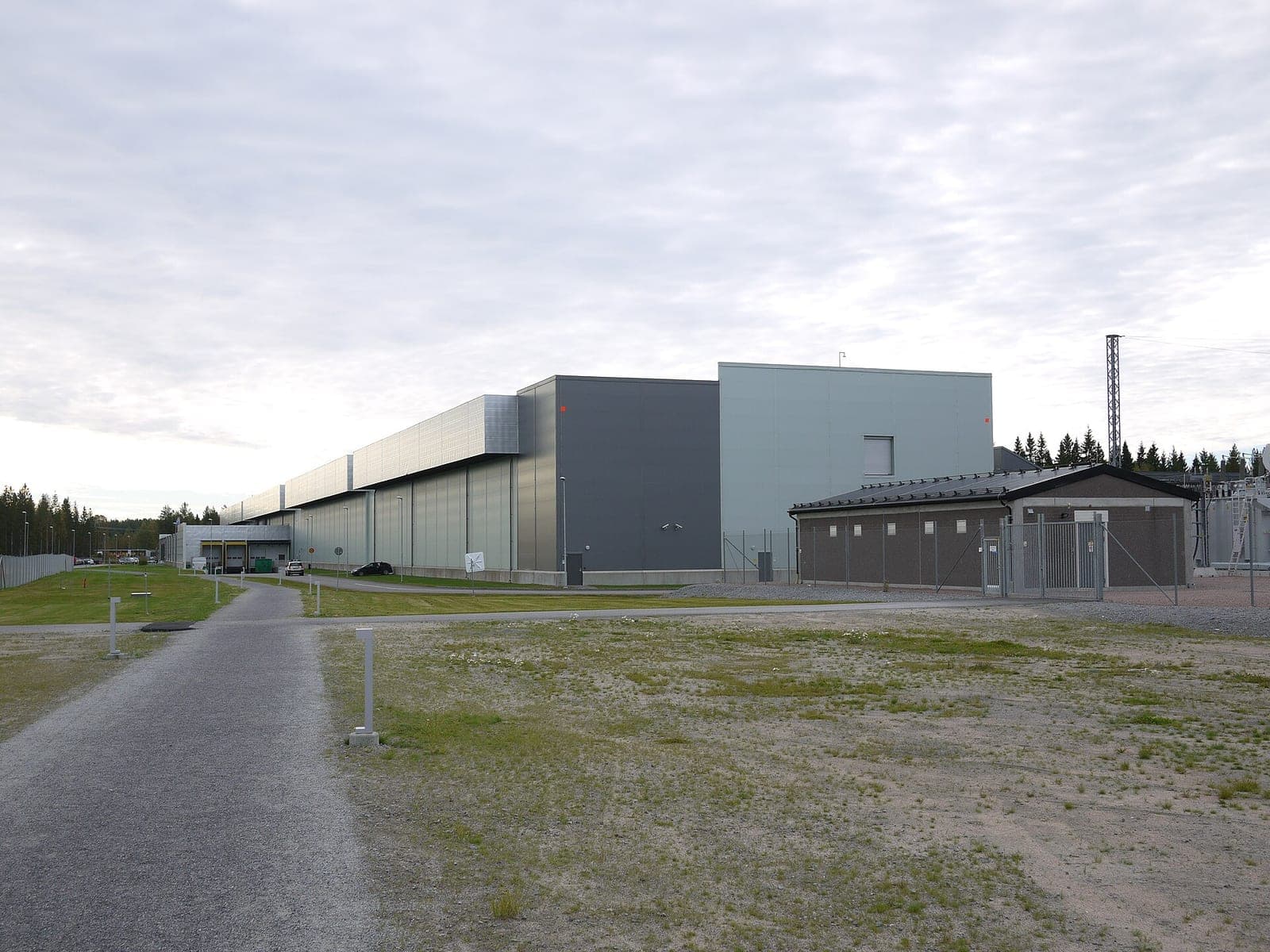
Meta is telling the IRS its AI data centers are experimental, a classification that let its federal tax expense drop from $9.6 billion to $2.8 billion in a single year.

Instagram's AI age detection goes global, putting millions more teens in Teen Accounts
Meta is expanding the AI that spots teens who gave an adult birthday to Instagram users worldwide, moving them into Teen Account protections automatically.
Voters backed data center limits in dozens of midterm votes
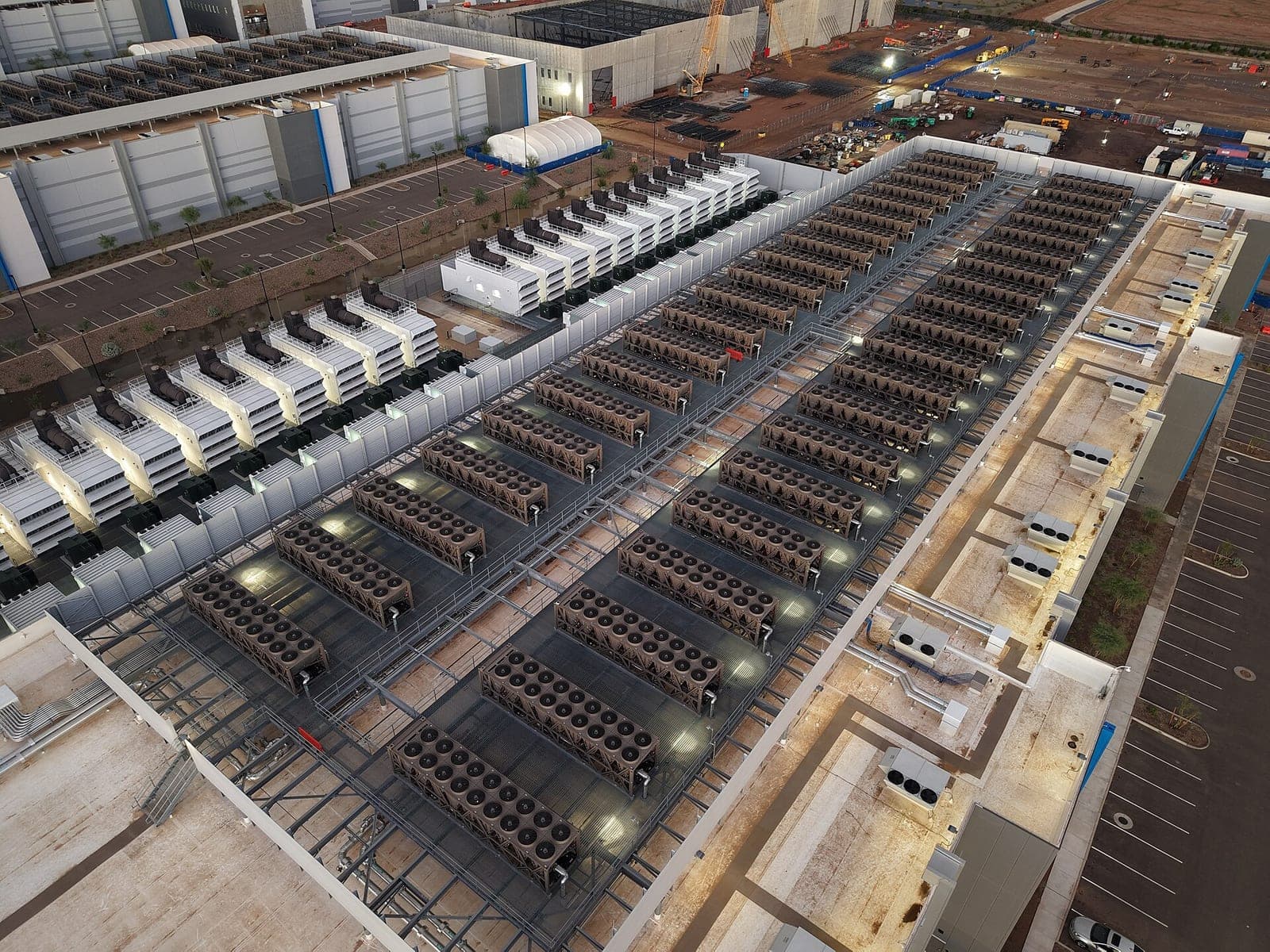
Local measures to restrict AI data centers passed almost everywhere they appeared, and Democrats who promised pauses won Texas and Georgia. Elon Musk, who gave $474 million to Republicans, now faces a harder road for his AI build-out.
More in brief
- FAA lifts a nationwide ground stop after a communications outageNov 14
- Tesla opens Cybercab orders at $29,990, plus $299 a month to drive itNov 14
- Apple Sports adds UFC with live stats for every fight on the cardNov 13
- LangChain raises $300 million at a $3 billion valuation for AI agentsNov 13
- SignDrop, a new Windows zero-day, gives attackers full System rightsNov 13
- Microsoft's AI Frontiers research group is over, says co-founder John LangfordNov 13