
AI·News & analysis
Meta launches camera-free AI glasses, a $1,299 VR headset and hearing help
Ray-Ban Meta Audio drops the camera entirely after privacy criticism, Ray-Ban Meta Gen 3 gets slimmer, and Meta VR Glasses weigh about 100 grams. Here's what each costs and when.

The 30-second version
The details
- Ray-Ban Meta Audio is Meta's first AI glasses with no camera: music, calls and the AI assistant, from $349, shipping October 13.
- Ray-Ban Meta Gen 3 keeps the camera, with a 12 MP sensor, 3K video and up to nine hours of battery, on sale now from $449.
- Meta VR Glasses, a roughly 100-gram headset tethered to a pocket puck, arrive in spring 2027 for $1,299.99.
- Meta also announced FDA-cleared hearing enhancement software for adults with mild-to-moderate hearing loss, coming to the US later this year for $149.99.
Why it matters
Smart glasses are becoming the main hardware bet for AI assistants, but cameras on people's faces have raised real privacy worries. A camera-free option shows Meta trying to widen the market beyond people comfortable wearing a camera.
The full story
Meta's newest AI glasses have no camera at all. At Connect 2026, the company introduced Ray-Ban Meta Audio, audio-only glasses with its AI assistant built in, alongside a slimmer camera model, a lightweight VR headset and hearing-assistance software.
Why no camera
Meta's own announcement doesn't give a reason, but TechCrunch reports the audio-only model responds to criticism over covert recording, after some people nicknamed camera glasses a privacy threat. The result is AI glasses for people who want the assistant and audio without a camera on their face.
The lineup
- Ray-Ban Meta Audio: music, podcasts, calls and hands-free AI; 43 grams; up to 12 hours of battery plus 48 more from the case. From $349, shipping October 13.
- Ray-Ban Meta Gen 3: a 12 MP camera, 3K video, a six-microphone array and up to nine hours of battery. From $449, on sale now.
- Meta Glasses Adventurer: Meta's most affordable pair, from $249, on sale October 23.
- Meta VR Glasses: about 100 grams, connected by cable to a pocket puck with the battery and computer, with a 5K micro-OLED display and control by eyes, hands and voice. $1,299.99, arriving spring 2027.
Hearing help
Meta also announced FDA-cleared hearing enhancement software for adults with mild-to-moderate hearing loss, set up at home without a prescription. It comes to the US later this year for $149.99, or included in a Meta One subscription. Meta hasn't said which glasses support it.
What's next
The glasses will also get Meta's Muse agent in the coming months, the same agent behind the new Muse Charm device. More: Meta news.
Key facts
- Ray-Ban Meta Audio
- No camera, from $349, ships October 13
- Ray-Ban Meta Gen 3
- 12 MP camera, from $449, on sale now
- Meta VR Glasses
- About 100 g, $1,299.99, spring 2027
- Hearing enhancement
- FDA-cleared, $149.99, US later in 2026
- Cheapest model
- Meta Glasses Adventurer, from $249
Quick questions
Do the new Meta glasses have a camera?
Ray-Ban Meta Audio doesn't: it's audio-only. Ray-Ban Meta Gen 3 has a 12 MP camera, and Meta VR Glasses use a passthrough camera so you can see your surroundings.
How much are Meta VR Glasses?
$1,299.99, launching in spring 2027.
When can I buy Ray-Ban Meta Audio?
Preorders are open now, with shipping from October 13, starting at $349.
How long does the Ray-Ban Meta Audio battery last?
Up to 12 hours per charge, plus up to 48 more hours from the charging case, according to Meta.
Can Meta glasses help with hearing loss?
Meta's FDA-cleared hearing enhancement software is for adults with mild-to-moderate hearing loss. It comes to the US later this year for $149.99 on supported glasses.
Source: Meta
Related stories

Meta's Muse agent gets a Tamagotchi-like device, video avatars and Mac control
At Connect 2026, Meta showed Muse Charm, a pocket device for its AI agent, and gave Muse its own email, real-time avatars and the ability to use Mac apps.

Bill Gates warns AI is 'powerful enough' to cause a billion deaths
The Microsoft co-founder says AI could drive catastrophic harm if misused, and called for mandatory government oversight rather than relying on tech companies to self-regulate.
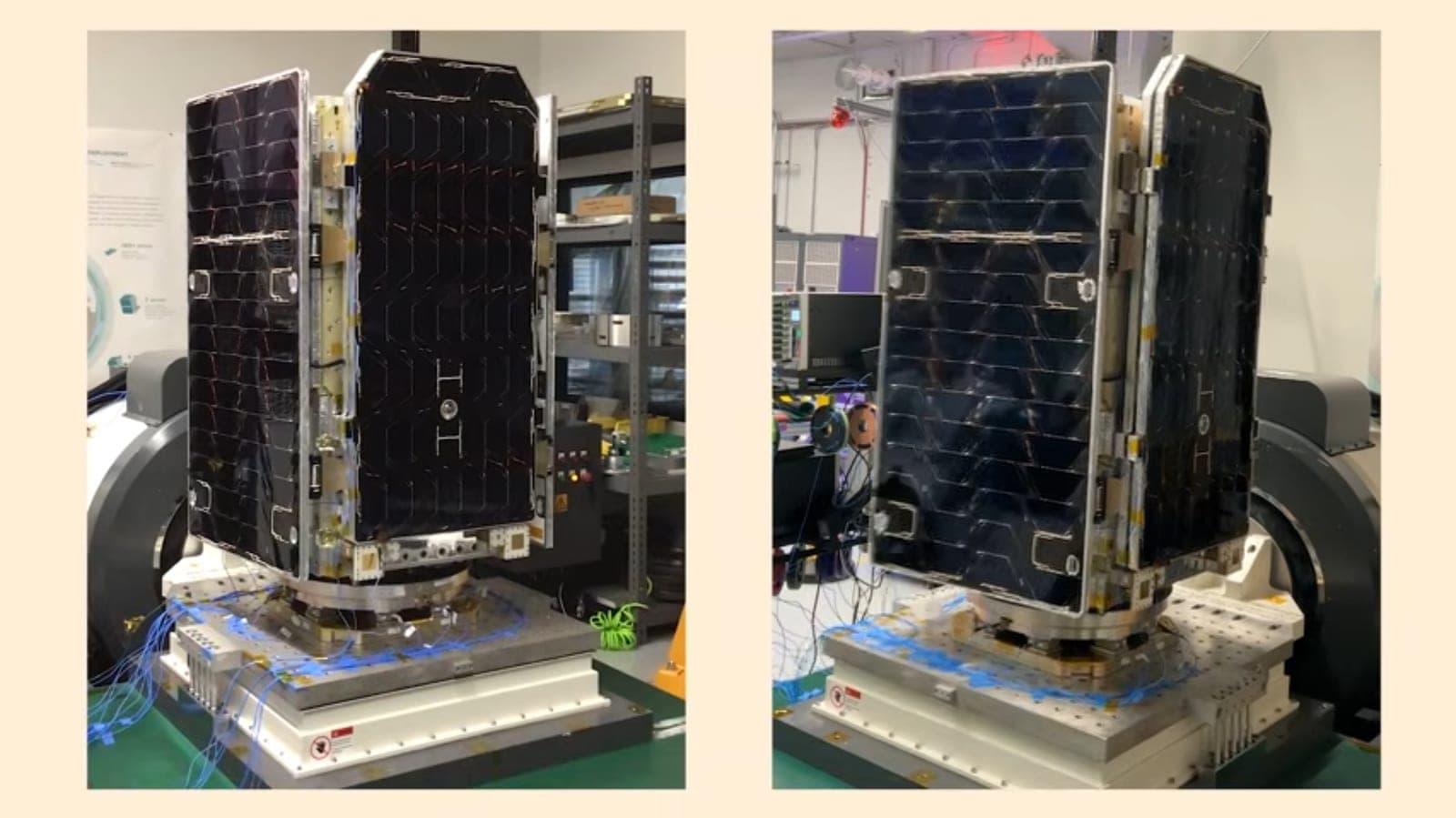
Google's first AI chips in orbit launch October 1
Project Suncatcher's prototype satellite, nicknamed MVP, carries Google TPUs into space on October 1 to test whether AI computing can work in orbit, where solar power is nearly constant.