
Technology·News & analysis
Ledger confirms a hidden spy chip behind crypto thefts from resold wallets
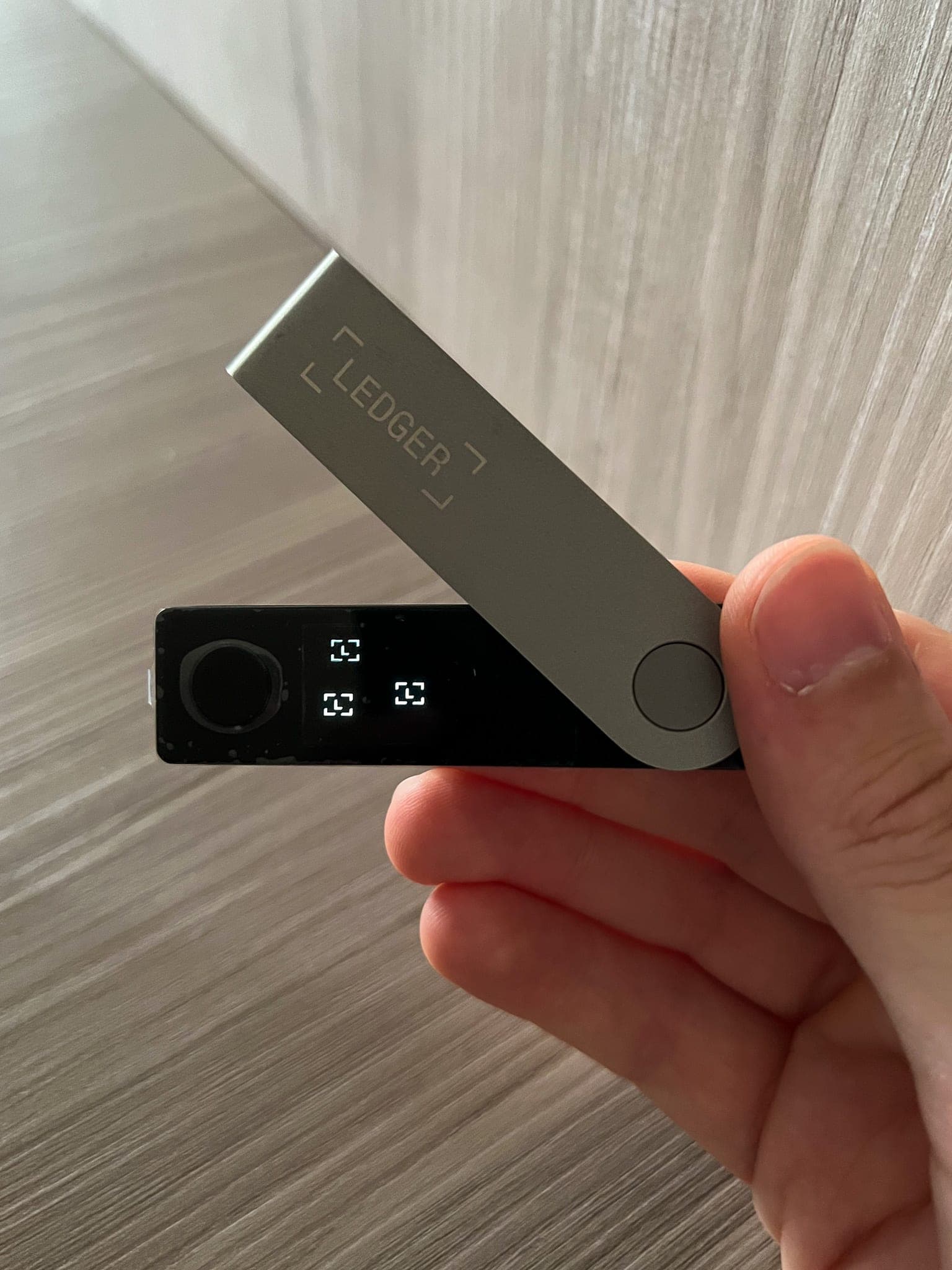
Ledger found an unauthorized hardware implant in a wallet sold by CryptoBilis, a reseller in Southeast Asia, after buyers lost tens of millions of dollars in crypto.
Tide
Ripple
Sci-fi
6/10
Reality
In your hands
A second tiny computer hiding behind a wallet's screen.How we rate
Ledger confirmed that a crypto wallet sold through CryptoBilis, a reseller in Indonesia, Malaysia and the Philippines, carried a hidden hardware implant.
Researchers say such implants read the recovery phrase off the screen and send it out over a cellular modem. Blockchain analysts estimate between $71.5 million and $102 million was drained from hundreds of wallets. Ledger is working with authorities, and buyers are told to move funds to a new wallet with a new phrase.
What to know
- Ledger confirmed that a device belonging to one affected user contained an unauthorized hardware implant, and says every drained wallet it knows of was bought through the Southeast Asian reseller CryptoBilis.
- Researchers who opened modified Nano X wallets found a hidden board with an LTE modem and an eSIM that reads the 24-word recovery phrase off the screen and sends it out.
- Loss estimates range from about $71.5 million (Arkham) to $102 million across 324 wallets (Bitquery), spread over six blockchains.
- Ledger tells CryptoBilis buyers not to set up unused devices, and to move funds to a new wallet with a brand new recovery phrase if they already did.
Ledger has confirmed that a hardware wallet sold through CryptoBilis, a reseller in Southeast Asia, carried a hidden implant, BleepingComputer reports. The question everyone is asking: how does a device built to keep your crypto offline end up phoning home?
What did Ledger confirm?
A hardware wallet is a small device that keeps the secret keys to your crypto away from the internet. You approve every payment on the device itself. Ledger, a French company, is one of the best known makers.
Here is how the week unfolded, based on Ledger's own posts as quoted by BleepingComputer and Gizmodo:
- October 9: Ledger said it was investigating reports of lost funds from users in Southeast Asia who bought devices from CryptoBilis. It asked the reseller to pause all sales and shipments.
- October 10: Ledger confirmed hardware tampering. "Ledger can confirm that one of the impacted users' devices contained an unauthorized hardware implant," the company said.
- October 11: Ledger said all reports of unexpected drains were linked to devices sold through CryptoBilis, and described the affected volume as "limited."
CryptoBilis is a large Malaysia based retailer that Ledger lists as a reseller for Indonesia, Malaysia and the Philippines, according to Gizmodo. It has stopped selling all of its hardware wallet stock while the investigation runs.
Why it matters: Ledger says it has "no indication that Ledger's security infrastructure, systems or services have been compromised." The weak spot was not the code. It was the box, somewhere between the factory and the buyer.
Who put the chip there?
Nobody knows yet. BleepingComputer says it is still unclear exactly how or when the devices were tampered with. Ledger is working with authorities to identify whoever did it, and it is contacting affected users.
Ledger has not accused CryptoBilis of tampering, Gizmodo notes, and nothing public shows the shop altered any device. Someone else could have interfered with devices moving through that sales channel.
Ledger also sent a reminder to its whole network. Authorized resellers and distributors should get products only through authorized channels and should never put returned products back on the shelf.
How does the implant work?
The clearest pictures come from two independent teardowns. Neither has been tied to a CryptoBilis device, but they show the kind of hardware involved.
Mark Karpeles, the former head of the Mt. Gox exchange, posted photos of a Ledger he says he bought in Malaysia. "My spy-implanted ledger came from Malaysia, and had flawless shrink wrap," he wrote, as quoted by Gizmodo. BleepingComputer quotes him saying it came from "a well known platform via a Chinese seller."
Inside, he found a second board hidden where the screen's foam padding should be. He described:
- An LTE module with a data eSIM: a tiny cellular modem, like the one in a phone, so the implant can send data without any computer.
- An antenna on a single wire: the one visible giveaway once the case is open.
- Screen reading: Karpeles says the chip recognizes the Ledger font on the 128 by 64 pixel display, spots the setup screen, and sends the recovery phrase out as text.
Think of it as someone standing behind you, reading your banking password over your shoulder. The lock on the door is real. The person behind you just never needed to pick it.
In real life When you set up a new Ledger, it shows you 24 words to write down. Those words are the master key to your crypto. Anyone who sees them can rebuild your wallet on any device and empty it.
What did the second research team find?
Tibane Labs, a crypto research and development studio, confirmed Karpeles' finding and found two versions of the implant inside Ledger Nano X wallets. One came from Amazon Japan, sold by a China based seller and shipped from Malaysia. The other came from Yahoo! Auctions in Japan.
- Version one: the original battery was swapped for a smaller one to make room. Under it sat an STMicroelectronics STM32G431 microcontroller (an Arm Cortex-M4 chip with 128 KB of flash storage), a 2 by 2 mm eSIM and a shielded LTE module.
- Version two: more advanced. It kept the original battery and fit into the space under the OLED screen. The part numbers on its chips had been scraped off.
Gridinsoft, describing the Tibane report, says the extra circuit taps the wires that carry the image to the screen. The researchers warned that the second board was "a designed, panelised flex PCB, the kind ordered from a board house, not a hand-built one-off." In plain words: someone paid a factory to make these.
BleepingComputer adds that some researchers had shown the implant since September 16, and that tampered devices were selling for nearly half the price of a real one.
Why didn't the wallet notice?
Ledger has a feature called Genuine Check that confirms a device is authentic. But Ledger itself warns it cannot detect added implants when the device's original Secure Element is intact.
The Secure Element is the locked chip that creates and guards your keys. In these teardowns, that chip was never touched. It did its job perfectly, then showed the 24 words on a screen that someone else was also watching.
Karpeles says the firmware cannot detect the attack either, because the implant only listens when the screen refreshes. The genuine chip passes every test, and a second computer sitting next to it copies what it displays.
How much money is gone?
Ledger has not published a loss total. Blockchain analysts have, and the numbers grew over the week:
| Estimate | Who | Amount |
|---|---|---|
| October 9 | Arkham Intelligence | About $71.5 million in flagged addresses |
| Early estimates | Analysts Specter and tanuki42 | $72 million to more than $86 million |
| October 11 | Bitquery | $93.2 million from 315 wallets |
| October 12 | Bitquery | $102 million from 324 wallets |
By the numbers: Arkham's count included about $29.4 million in ether, $17.5 million in bitcoin, $13.6 million in USDD and $10.8 million in USDT, Gizmodo reports. Bitquery counts losses across six blockchains, including Bitcoin, Ethereum and Tron.
These are on chain counts, not a Ledger confirmed figure, and a wallet is not the same as a customer.
Could other brands be affected?
Possibly, but there is no evidence yet. Trending Topics notes that CryptoBilis also sells wallets from Trezor, Tangem, SafePal, OneKey and other makers. Rob Hamilton, chief executive of the crypto insurer AnchorWatch, advised anyone who bought from the reseller to move their funds right away.
Security researcher Taylor Monahan urged calm. She said it does not look like a zero-day, a previously unknown flaw in Ledger's technology. The bigger danger now, she warned, is phishing links, fake Google ads and counterfeit apps aimed at people rushing to move their money.
The big picture: BleepingComputer says there is no sign that other Ledger resellers shipped altered wallets, though many users are now questioning the reseller network. It is also not Ledger's first scare this year: in January, payment processor Global-e exposed names and contact details of some Ledger.com buyers. No crypto was taken in that case. For another recent look at attacks on money, see our story on South Korea's bank hacking probe.
What it means for you
- Bought from CryptoBilis and not set up yet: don't set it up. Ledger says to leave it untouched.
- Already set it up: move your funds to a new device bought from Ledger or an authorized seller, with a brand new recovery phrase. Restoring your old 24 words on new hardware brings the old, possibly exposed keys with it.
- Buying any hardware wallet: buy from the maker or an authorized seller. A deal at half price on a marketplace is a warning sign, not a bargain.
- Watch for scams: Ledger says it will never call you, message you or ask for your 24 words. Anyone who does is not Ledger.
The bottom line
Ledger's chips held up, but a hidden board beside them read the one secret that matters as it appeared on screen. Losses estimated at $71.5 million to $102 million show how much a hardware wallet depends on where you buy it. If yours came from CryptoBilis, a new device with a new recovery phrase is the safe move.
Key facts
- Reseller
- CryptoBilis (Indonesia, Malaysia, Philippines)
- Implants confirmed by Ledger
- At least 1 device
- Estimated losses
- $71.5M to $102M
- Wallets drained (Bitquery)
- 324 across 6 chains
- Device in research teardowns
- Ledger Nano X
Got questions?
Quick answers, plain wordsWhat happened with Ledger and CryptoBilis?
Users in Southeast Asia who bought Ledger hardware wallets from the reseller CryptoBilis reported that their crypto was drained. Ledger opened an investigation on October 9, 2026, asked CryptoBilis to pause sales, and the next day confirmed that one affected user's device contained an unauthorized hardware implant.
Was Ledger itself hacked?
Ledger says no. The company said it has no indication that its security infrastructure, systems or services were compromised, and that every report of drained funds it has seen involves devices sold through CryptoBilis.
How does the hardware implant steal crypto?
In the teardowns published by researchers, an extra circuit board sits inside the wallet and taps the connection to the screen. When the wallet shows its 24-word recovery phrase during setup, the implant reads the words and sends them to the attacker over a cellular connection using its own eSIM.
How much crypto was stolen?
Ledger has not published a total. Arkham Intelligence counted about $71.5 million in flagged addresses on October 9. Bitquery estimated $93.2 million from 315 wallets on October 11, then raised it to $102 million from 324 wallets on October 12.
Did CryptoBilis tamper with the devices?
That is not known. Ledger has not accused CryptoBilis of tampering, and it is still unclear how or when the devices were altered. CryptoBilis stopped selling all hardware wallets while the investigation continues.
Can Ledger's Genuine Check detect the implant?
No. Ledger warns that its Genuine Check cannot detect added hardware when the device's original Secure Element chip is still intact, which is exactly how these implants work.
I bought a Ledger from CryptoBilis. What should I do?
Ledger says not to set up the device if you have not done so. If you already did, move your funds to a new Ledger device bought from Ledger or an authorized seller, and set it up with a brand new recovery phrase, not your old one.
Is my Ledger safe if I bought it directly from Ledger?
Ledger says devices bought directly from it are not affected, and that there is no sign other resellers shipped altered wallets. Buying from unauthorized sellers raises the risk of getting a counterfeit or modified device.
Which Ledger models are affected?
Ledger has not said which models were compromised. The implants that researchers Mark Karpeles and Tibane Labs took apart were inside Ledger Nano X wallets.
Will Ledger ever ask for my recovery phrase?
No. Ledger says it will never call you, send a direct message, or ask for your 24-word phrase. Anyone who does is a scammer, and security researchers warn that phishing usually rises after incidents like this one.
SourcesBleepingComputer
Topics and tagsCybersecurity, AI chips, ledger, cybersecurity
Related stories

DOJ says North Korean IT workers fooled more than 70 US companies
The FBI searched more than 40 suspected laptop farms in Texas and seized about 187 devices, and prosecutors charged 14 people in a remote job scheme worth about $3 million.

Arizona court hack exposed data on 1.3 million people after one phishing click
A phishing link opened by a court employee let attackers copy backups with Social Security numbers, protective order records and foster care reports.

Hackers hijacked three country domains to get fake Google certificates
Attackers took over the .gh, .sl and .as registries, rewrote DNS records and got real certificate authorities to issue HTTPS certificates for Google and other big brands. Chrome has blocked the ones Google found.
More in brief
- Anthropic tells investors its Q3 revenue hit $16.8 billion ahead of its IPOOct 15
- Mexico gives Meta, TikTok and X one month to shield kids from harmful contentOct 15
- OpenAI engineer charged over hidden recording device in executive roomOct 15
- Eight US states sue OpenAI over ChatGPT's safety for kidsOct 14
- Xbox Nano is a $50 controller small enough for your pocketOct 14
- Linux kernel developers move to drop the rule that made coders disclose AI helpOct 14