
Technology·News & analysis
AMD confirms a Radeon driver bug that keeps writing to your SSD
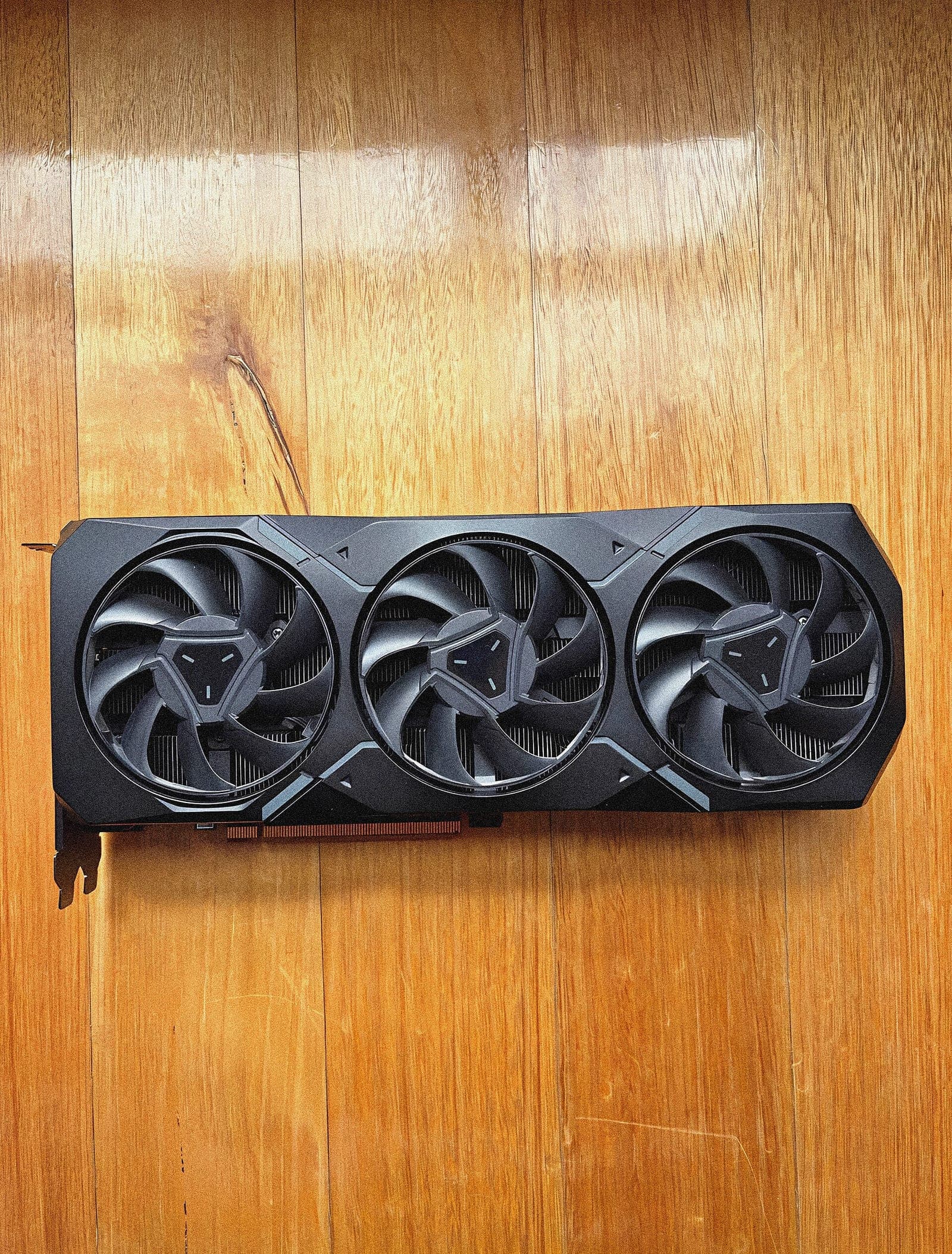
A small background service in AMD's Radeon software can write to your system drive nonstop, even when the PC is idle. AMD says a fix is coming in Adrenalin 26.11.1.

Tide
Wave
Sci-fi
3/10
Reality
In your hands
A tiny helper that never takes a coffee break.How we rate
AMD has acknowledged a bug in its Radeon Adrenalin software where a background service, atieclxx.exe, keeps writing to the system SSD, at rates users measured from 0.3 MB per second up to about 5 MB per second.
An AMD representative says a fix has been submitted for Adrenalin 26.11.1. Reports suggest the bug dates back months, though not every PC is hit. AMD has given no exact release date.
What to know
- A background service in AMD's Adrenalin software, atieclxx.exe, can write to the system drive nonstop, even when the PC is idle.
- Owners have measured 0.3 to 1.5 MB per second of writes, and one user logged about 5 MB per second, which adds up to 432 GB a day.
- An AMD representative said a fix has been submitted and should ship in Adrenalin 26.11.1 later in November, with no exact date.
- Not every Radeon PC shows the problem, and nobody has yet published a controlled test of how much wear it causes.
AMD says a small piece of its Radeon software can keep writing to your SSD all day, even when you are not using the computer. That's the news. Now the part worth a minute of your time: is your PC doing it too, and does it matter?
The software is the AMD External Events Utility, a service that installs with the Adrenalin driver package. AMD's own staff have acknowledged the reports and promised a fix.
What is actually going wrong?
The process behind it is called atieclxx.exe. It is the AMD External Events Client Module, a tiny background program. Its normal job is housekeeping for your display: noticing when a monitor is plugged in, handling Radeon Software hotkeys and some FreeSync plumbing.
On affected PCs, it never stops touching the system drive. Owners have measured sustained writes between 0.3 and 1.5 MB per second. At least one Reddit user logged around 5 MB per second while the machine sat idle.
How long has this been going on?
Not long in headlines, but longer in practice. Reports have trickled in for months, across Windows 10 and Windows 11 and several Adrenalin releases. One user on X said the bug has been there since Adrenalin 26.7.1, released in June.
A post on the r/pcmasterrace forum on 8 November pushed it back into view. One owner there said the service had eaten roughly 1% of their SSD's reported health every month for 16 months. That is a single claim and nobody has verified it.
What has AMD said?
AMD has not denied any of it. On 21 October, a community representative known as AMD_Matt wrote that the company was "looking into it with the aim to resolve it in a future driver release."
Later, a second representative, AMD_Vik, tied the behavior to an interaction between the External Events Utility and Microsoft's PCIe filter driver. That is a piece of Windows that sits between the system and add-in hardware such as a graphics card. AMD_Vik said a fix had been submitted and pointed to Adrenalin 26.11.1.
What's next: the release is expected later in November, with no exact date. The current driver, Adrenalin 26.10.2 from 30 October, does not mention the problem in its notes.
How much writing is too much?
Megabytes per second sound harmless, so here is the daily math if the service runs nonstop:
- 0.65 MB/s: about 56 GB a day, roughly 20 TB a year.
- 1.5 MB/s: about 130 GB a day, roughly 47 TB a year.
- 5 MB/s: about 432 GB a day, almost 158 TB a year.
Every SSD has a rating called TBW, short for terabytes written. It is how much data the maker promises the drive can take over its life. A common 1 TB drive carries a rating of about 600 TBW. At the low rate, the bug uses roughly 3% of that rating per year, which most people would never notice.
At the highest reported rate, it is closer to a quarter of the rating each year, before you install a single game. A small budget drive rated at 200 TBW would feel it much sooner.
In real life Think of a pencil that has to write a little every second, forever. One line a minute barely dents it. A page a minute and you are buying pencils by spring.
Why are the numbers uncertain?
The catch: these are writes as Windows counts them, not what lands on the flash chips inside the drive. A drive's controller can absorb some small writes. Lots of tiny repeated writes can also make the real wear worse, a problem called write amplification.
Nobody has published a controlled test yet. And plenty of Radeon owners see nothing unusual at all. PC Gamer's own tester could not reproduce it on their AMD graphics card, so the problem does not hit every machine.
Which cards are affected?
That is not fully settled. Early online reports spoke of many Radeon models. AMD's help page on the issue, as described by CNET, points only to Radeon RX 7000 and RX 9000 series cards. The page calls it "excessive SSD write activity" that happens when the system is idle.
It is also not the first time AMD software has been caught writing too much. A similar complaint last year said the company's chipset drivers kept rewriting a log file.
Who spotted it first?
Ordinary owners did, not testers with lab gear. Redditors on r/pcmasterrace and the Radeon forum raised the alarm. A user named Tomasz Gawroński posted on X that atieclxx.exe had made 19.5 GB of writes on their machine in just 12 hours.
Another Redditor, Darklinkpower, said the driver ate about 1% of their SSD's health every month for 16 months. A second user reported a similar loss of roughly 1% a month. These are personal readings from drive health tools, so they show a pattern worth watching, not a proven rule.
AMD's own help page, as described by CNET, calls it "excessive SSD write activity" that happens when systems are idle. It says AMD is actively working toward a fix and that the page will be updated once there is a resolution.
Why does this hit harder right now?
SSDs have become expensive. Prices spiked sharply over the last couple of years, which means a worn-out drive costs more to replace than it once did. A bug that shortens a drive's life is a bigger annoyance in that market.
Gamers feel it too, because many keep one fast drive for Windows and games together. If that drive carries a steady stream of needless writes, every gigabyte counts a little more.
The timing is also awkward. AMD's current driver, Adrenalin 26.10.2, is only two weeks old and says nothing about the issue. Owners who updated hoping for a fix found nothing, which is why the forum posts spread fast.
How can you check your own PC?
The test takes about one minute:
- Press Win + R, type
resmonand press Enter. - Open the Disk tab.
- Sort the list by the write column.
- Leave the PC alone for a minute and watch.
If atieclxx.exe stays near the top with a steady stream of writes while you are idle, you are affected.
What can you do about it?
Two stopgaps exist, and neither is free:
- Disable the service: in
services.msc, set the AMD External Events Utility to Disabled and restart. The writes stop, but Adrenalin hotkeys and some display behavior can break. - Turn off Resizable BAR: this feature lets the processor see all of the graphics card's memory at once. Switching it off can cost speed in some games.
Some users also swapped to other drivers, which carries its own risks. Make a Windows restore point before trying any of this.
For most people on a decent drive, waiting a few weeks for Adrenalin 26.11.1 is the calm choice. If your boot drive is small and cheap, a check and a temporary fix make more sense.
What it means for you
- Check, don't panic: one minute in Resource Monitor tells you whether you are affected.
- Update soon: watch for Adrenalin 26.11.1 and install it when it appears.
- Mind small drives: budget drives with low endurance ratings feel this most.
- Be careful with workarounds: disabling the service can break hotkeys and display functions.
The bottom line
AMD knows about the bug, has said it is fixed in a driver coming this month, and has traced it to how its utility works with a Windows component. How much wear it causes is still unproven and depends on your PC. Check once, then update when 26.11.1 arrives.
Key facts
- Culprit
- AMD External Events Utility (atieclxx.exe)
- Reported write rate
- 0.3 to 1.5 MB/s, up to about 5 MB/s
- Worst case per day
- About 432 GB at 5 MB/s
- Fix
- Promised in Adrenalin 26.11.1
- Current driver
- Adrenalin 26.10.2 (released October 30)
Got questions?
Quick answers, plain wordsWhat is the AMD Radeon SSD write bug?
A background service that comes with AMD's Adrenalin software, called the External Events Utility, can write data to the system drive nonstop, even when the computer is idle.
Which program causes it?
The process is atieclxx.exe, the AMD External Events Client Module. It handles small display jobs such as monitor detection, Radeon Software hotkeys and some FreeSync functions.
How do I check if my PC is affected?
Press Win and R, type resmon and open the Disk tab. Sort by writes. If atieclxx.exe sits near the top with a steady stream of writes while the PC is idle, you are affected.
Will it kill my SSD?
Probably not quickly. At the low reported rates the extra wear is small on a modern drive. At the highest reported rate it is much larger. Nobody has published a controlled test yet.
When will AMD fix it?
An AMD representative said a fix has been submitted and should arrive in Adrenalin 26.11.1 later in November. AMD has not given an exact date.
Can I turn the service off myself?
Yes, in services.msc you can set the AMD External Events Utility to Disabled. It may break Adrenalin hotkeys and some display behavior, so waiting for the fix is the safer choice for most people.
Does it affect every Radeon card?
No. Plenty of owners see nothing unusual. AMD's help page, as described by CNET, lists only Radeon RX 7000 and RX 9000 series cards, though online reports mention others.
Is this the first time AMD software has been accused of this?
No. A similar complaint last year said AMD's chipset drivers kept rewriting a log file.
Does disabling Resizable BAR help?
Some users tried it as a workaround. Resizable BAR lets the processor reach all of the graphics card's memory at once, and turning it off can cost speed in some games.
SourcesHWBusters
Related stories
AMD's 256-core Zen 6 server chip ships, and early tests show big gains
AMD's EPYC 9006 'Venice' server processors are on sale from today. Independent tests of the 256-core flagship show up to 93% more throughput than the last generation.

AMD's 192GB 'Gorgon Halo' chip powers a $7,099 mini-PC for local AI
The Ryzen AI Max+ Pro 495 packs 192GB of unified memory into a mini-PC, enough in theory to run models with hundreds of billions of parameters, at a price that has doubled from a year ago.

FAA lifts a nationwide ground stop after a communications outage
A failure in the network linking air traffic controllers and pilots stopped takeoffs across the US for hours on Friday. Officials blame old equipment and a patch.
More in brief
- Tesla opens Cybercab orders at $29,990, plus $299 a month to drive itNov 14
- Apple Sports adds UFC with live stats for every fight on the cardNov 13
- LangChain raises $300 million at a $3 billion valuation for AI agentsNov 13
- SignDrop, a new Windows zero-day, gives attackers full System rightsNov 13
- Microsoft's AI Frontiers research group is over, says co-founder John LangfordNov 13
- BYD apologizes after wrong wheels ship on its Great Tang SUVNov 13