
Robots·News & analysis
Amazon's delivery drones draw noise complaints in Texas and Idaho as the fleet grows
Neighbors in Houston and Nampa, Idaho, say Amazon's Prime Air drones sound like a swarm of bees. Amazon says the noise is brief, and it is looking at changes to flight paths.

Tide
Wave
Sci-fi
7/10
Reality
Shipping
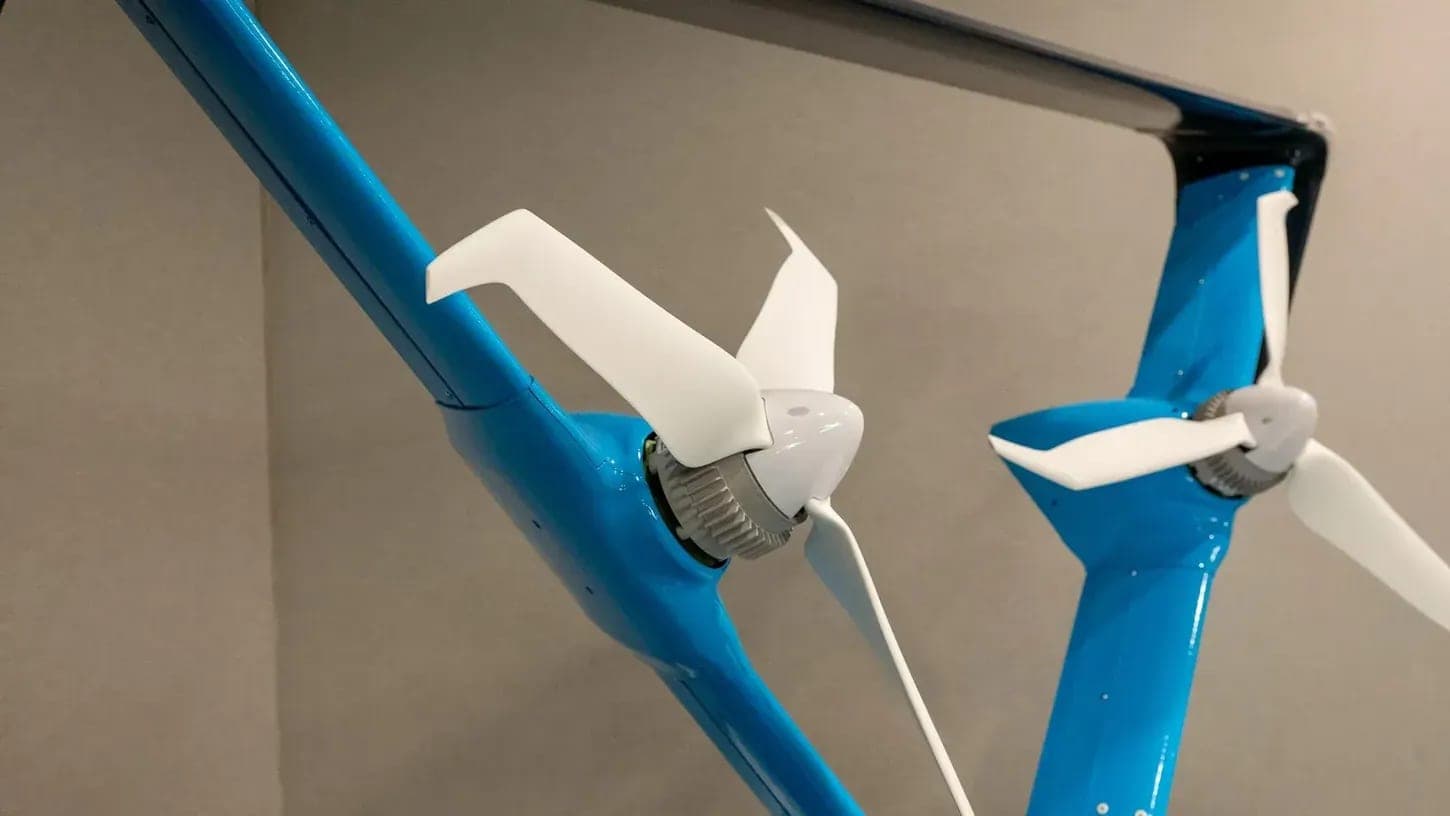
Flying delivery robots, now with a soundtrack.How we rate
Neighbors of Amazon's Prime Air drone sites in Houston and Nampa, Idaho, say the aircraft buzz over their homes all day.
Amazon says ground noise is minimal and lasts about 30 seconds, and it is weighing flight path changes. The complaints arrive as Amazon aims for nearly 500 US cities by year end. Fifteen states and Harris County have also challenged the FAA's environmental review in court.
What to know
- Residents near Amazon's Prime Air drone sites in Houston, Texas, and Nampa, Idaho, say the drones fly over their homes all day and sound like a swarm of bees.
- Amazon says sound on the ground is minimal and lasts about 30 seconds, and it is evaluating changes such as adjusting flight paths.
- Amazon plans drone delivery in nearly 500 US cities and towns by the end of 2026, up from 11 sites in seven states.
- Fifteen states and Harris County, Texas, have asked a federal appeals court to review the FAA's environmental review of drone delivery growth.
Amazon's delivery drones are now a daily sight in parts of Texas and Idaho, and some neighbors have had enough. The question is simple: how loud is too loud for a flying robot that brings you a phone charger in an hour?
What are neighbors saying?
In Houston, Texas, people living under the flight paths of Amazon's Prime Air service say the novelty wore off fast. Theresa Gibson lives in the Bridgestone neighborhood, right in a flight path.
"It was kind of cool and fascinating at first, but now it is driving me crazy. It sounds like a large swarm of bees at a much higher volume than a normal swarm of bees. And it's all day long."
Her complaint is not a one-off. Noise complaints have become a regular feature in Texas neighborhoods where Prime Air flies. Drone delivery runs in four Texas cities: Houston, Waco, San Antonio and Richardson. Amazon's first delivery tests were in 2022.
Idaho is hearing the same thing. Prime Air began flying from a fulfillment center (a warehouse that packs and ships orders) in Nampa on October 30. Within two weeks, the city had about 20 to 25 emails and calls about the drones. Meridian, which sits partly inside the delivery area, has had a handful.
What does it sound like up close?
Residents near Nampa describe a steady presence rather than one loud moment.
- Randy Nye, who has lived in the Cherry Creek Estates area for 17 years, compared it to living in a beehive and called it a constant presence.
- Kerri Wattier counted 39 drones passing over her home between 3:30 p.m. and 4:18 p.m. one Wednesday. She said it sounds like lawnmowers and leaf blowers flying over the house.
- Kristie Patterson, who works from home, says she can hear the drones inside, and has looked at homes elsewhere after 10 years in the neighborhood.
Some people feel differently. A Meridian man who has received deliveries by drone says the noise does not bother him.
In real life Picture a lawn mower that passes your house every minute or two for eight hours, never stops and never mows your grass. That is how some neighbors describe a busy afternoon.
What does Amazon say?
Amazon does not dispute that the drones make noise. It says the amount is small and the time is short.
"Our drones spend most of the flight at higher altitudes, and sound heard on the ground is minimal and short-lived, typically lasting about 30 seconds," the company said in a statement. It also says the response to the service, with deliveries in under 30 minutes, has been "overwhelmingly positive."
Amazon gives two comparisons. At drop-off, it says the sound is below an idling delivery truck parked at the curb. In flight at altitude, it says the sound is like a window fan on low and is typically not heard indoors.
The company says it has been meeting with residents and city leaders, and that it is evaluating changes, including adjusting flight paths.
What do the numbers show?
Noise is measured in decibels, a scale where a bigger number means a louder sound. Amazon's own figure is 68 decibels at the point of delivery, and an Amazon manager says the exposure is brief and only happens in daytime hours.
That number has a backstory. Amazon senior manager Sam Bailey told Nampa's planning commission in May that the 68 came from a test in the backyard of an Airbnb in Arizona. The front of the same house measured 61. No distance from the drone or measuring method was given at the hearing.
Public filings use a different yardstick. The FAA's noise papers use SEL, a measure that squeezes the sound energy of a whole flyover into one second. Those papers put an MK30, Amazon's current drone, at 92.1 dBA SEL when hovering to deliver, measured 25 feet away. A cruising MK30 measured 63.7 dBA SEL at 200 feet.
Those figures cannot be set side by side with a single backyard reading, which is part of why neighbors and Amazon talk past each other.
How does a delivery work?
Bailey described a typical flight to the Nampa commission. The MK30 is a five-foot-tall drone. At takeoff it weighs 83.2 pounds and carries up to 5 pounds of cargo, according to Amazon's FAA filings.
- Cruise: an average of 225 feet above the ground on the way out.
- Drop-off: it descends to about 13 feet and hovers for roughly 20 seconds.
- Trip home: it climbs to 300 to 400 feet.
- Fleet in Nampa: Amazon planned to start with 12 to 15 drones.
Near Chicago, the numbers are bigger. A site 24 miles south of the city has operated since October 12 and has generally hit its cap of 300 drone orders a day. Its 21 drones have delivered thousands of orders across a 7.5-mile radius. At the ribbon-cutting there, speakers were sometimes drowned out by drones, since they are relatively loud close to the ground.
Amazon's Bailey said customers should clear the area when a delivery is coming. If the drone detects movement below, it cancels the drop.
Why is this growing now?
In August, Amazon said it would offer drone delivery in nearly 500 US cities and towns by the end of 2026. That is about six times its current footprint of 11 sites in seven states.
The number needs a closer look. Each site covers roughly 175 square miles, and Amazon counts every town inside that circle. A few new sites can add many towns very quickly.
Amazon has also made the service cheaper:
| Waco launch (Nov 2025) | August 2026 | |
|---|---|---|
| Prime members | $4.99 | Free on $50+ orders, $2.99 below |
| Non-members | $9.99 | $4.99 |
Amazon says nearly any item under 5 pounds that fits a large shoebox qualifies, which it says covers more than 60% of frequently purchased products. Amazon's drone chief David Carbon said the company has already delivered hundreds of thousands of packages by drone this year.
The big picture: more drones means more routes over more backyards. The noise question that is local today could be national next year.
Can anyone slow it down?
Cities have little room to say no. Meridian's drone page tells residents that cities are generally preempted from regulating delivery drones. In plain words, federal rules decide first. Meridian sends people to Amazon or the FAA's noise complaint portal.
Nampa has more leverage on paper. It holds the conditional use permit for Amazon's launch pad, which its planning commission approved 6-1 on May 26. The planning director said then that the permit can be revoked. The city has asked Amazon for flight data and says it is in touch about complying with the permit. No city finding says Amazon has broken it.
There is also a court fight. A coalition of fifteen states plus Harris County, Texas, has filed a petition in the US Court of Appeals. It challenges the FAA's environmental review and says it failed to adequately address the effects of expanding drone deliveries.
Residents near Nampa say they got no written notice before deliveries began, even though the city approved the site in May.
What it means for you
- If drones are coming to your area: check your city's planning agenda. Launch sites need local permits, and neighbors often learn late.
- If one bothers you: note the date, time and address of each flight and report it to Amazon or the FAA's noise complaint portal.
- If you order by drone: expect a drop from about a dozen feet, and keep kids and pets clear of the yard until the package lands.
- If you are watching the industry: noise could shape where and how fast drone delivery spreads.
The bottom line
Amazon's drones are real, cheap and growing fast. For many customers that is a convenience. For some neighbors, it is a daily buzz they did not ask for.
Amazon says it is looking at flight paths. How much it changes them, and what the courts decide, will show whether drone delivery can grow without wearing out its welcome.
Key facts
- Complaint areas
- Houston, TX and Nampa, ID
- Amazon's goal
- Nearly 500 US cities by end of 2026
- Amazon's noise claim
- About 30 seconds on the ground
- Delivery range
- 7.5 miles from each site
- Legal challenge
- 15 states plus Harris County
Got questions?
Quick answers, plain wordsWhy are people complaining about Amazon's delivery drones?
Residents near Prime Air sites in Texas and Idaho say the drones fly over their homes many times a day. They describe a constant buzz, like a swarm of bees or leaf blowers, that they can sometimes hear indoors.
How loud are Amazon's drones?
Amazon told an Idaho city board that a backyard delivery in a sound test reached 68 decibels. The front of the same house measured 61. Amazon also says the sound at altitude is like a window fan on low.
What does Amazon say about the noise?
Amazon says drones spend most of the flight at higher altitudes, and the sound heard on the ground is minimal and short-lived, about 30 seconds. It says the overall response has been overwhelmingly positive and it is evaluating changes, including adjusting flight paths.
Where does Amazon deliver by drone?
In Texas, Prime Air flies in Houston, Waco, San Antonio and Richardson. A site near Chicago has operated since October 12, and Nampa, Idaho, started on October 30. Amazon says it flies from 11 sites in seven states and plans to add more.
How many cities will Amazon's drones reach?
Amazon announced in August that it plans nearly 500 US cities and towns by the end of 2026. That count includes every town inside each site's roughly 175 square miles, so it does not mean 500 drone sites.
Can a city stop Amazon's drones?
Cities have limited power. Meridian, Idaho, tells residents that cities are generally preempted from regulating delivery drones, which means federal rules come first. Nampa, though, holds the conditional use permit for Amazon's launch site, and its planning director said the permit can be revoked.
What is the legal challenge about?
A group of fifteen states plus Harris County, Texas, filed a petition in the US Court of Appeals. It challenges the FAA's environmental review and says the review did not adequately address the effects of expanding drone deliveries.
What can I do if a drone bothers me?
Idaho cities tell residents to contact Amazon with the date, time and address of the flight, or to use the FAA's noise complaint portal. Amazon may ask you to verify an account.
What does Prime Air drone delivery cost?
Amazon's August announcement put it at free for Prime members on orders of $50 or more. Smaller Prime orders cost $2.99 and non-members pay $4.99. Items must weigh under 5 pounds.
SourcesDroneXL, TechRadar, Slashdot
Topics and tagsAmazon, amazon, prime air, drone delivery
Go deeper
Related stories
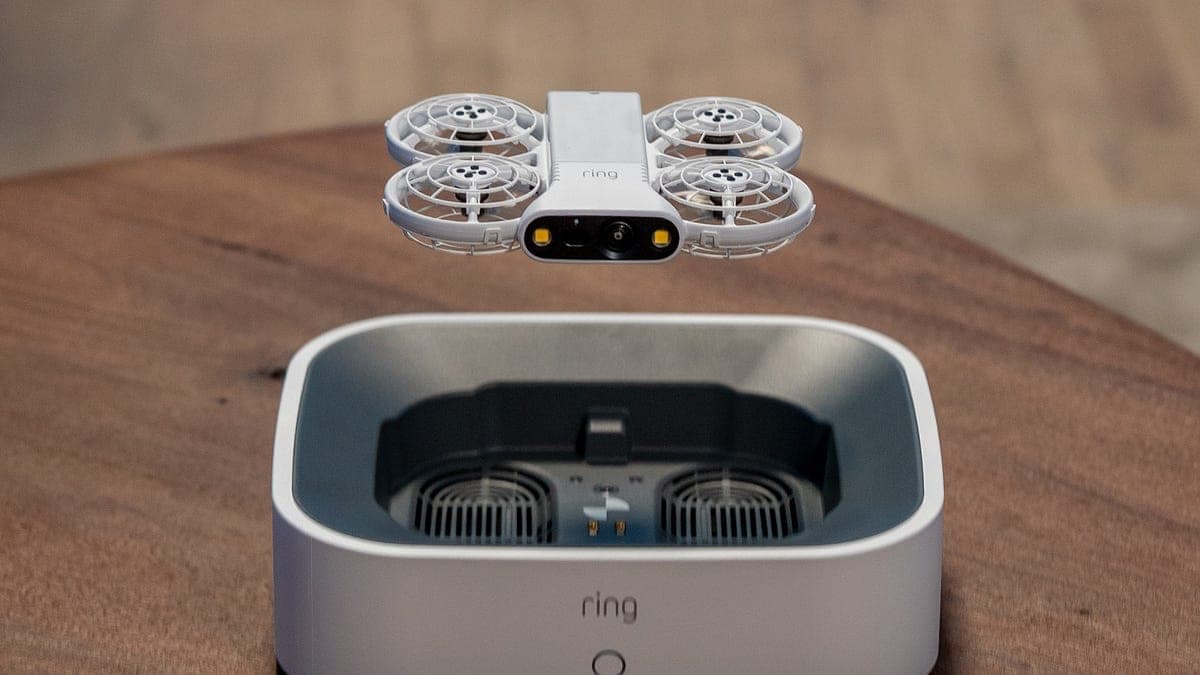
Amazon's Ring launches a $249.99 indoor security drone and a $999.99 patrol robot
Ring Robotics debuts with the Drone Cam, a flying indoor camera, and the Rover Cam, a security robot for businesses. Both run on a cloud system called AI Pilot.
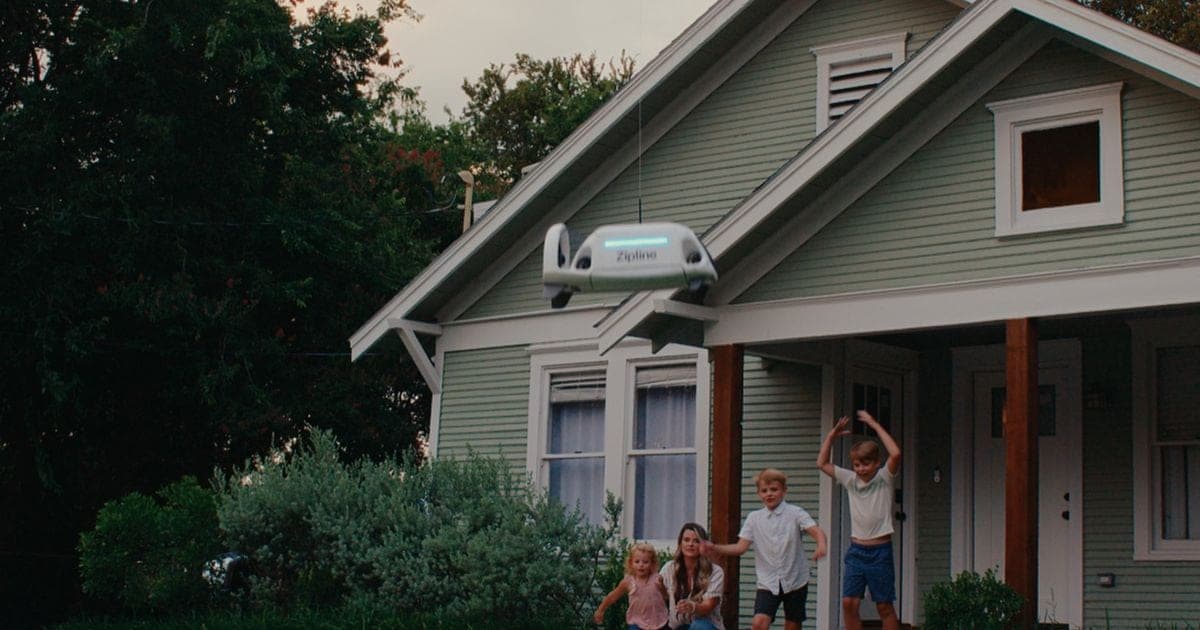
Zipline raises $1.5 billion as Walmart signs up 300 more drone sites
The drone delivery company is now valued at $21.5 billion, and Uber is aiming for one million Zipline deliveries a day by 2029.
AWS releases open-source toolchain to train and deploy robot AI
Amazon Web Services launched the Physical AI Toolchain, an open-source kit that connects synthetic data, training, simulation and edge deployment for robots, built on NVIDIA's robotics software.
More in brief
- Blue J raises $176 million to put AI agents to work on tax returns and IRS lettersNov 16
- FBI warns hackers are using the ARTEX AI tool to attack organizations worldwideNov 16
- Apple opens a 200,000-person study on how people use AI for healthNov 16
- Anthropic's IPO is reportedly oversubscribed as it aims to raise up to $90.4 billionNov 16
- Pentagon tests robot vehicles that hunt targets as a pack, with a human to approve fireNov 15
- Judge lets DRAM price-fixing lawsuit against Micron, Samsung and SK hynix go onNov 15